Is Home Treatment for FIP Safe and Reliable
Feline Infectious Peritonitis (FIP) has historically been one of the most devastating diagnoses a cat owner can face. This viral disease, caused by a mutated form of feline coronavirus (FCoV), primarily affects cats under two years of age or those with weakened immune systems. For decades, the diagnosis of FIP was virtually a death sentence. Recent advancements, particularly with antiviral therapeutics such as GS-441524 and remdesivir, have transformed the treatment landscape, sparking hope worldwide. With limited formal approval and access in various regions, many owners and veterinarians are considering or already practicing home-based FIP treatment. This raises critical questions: Is home treatment for FIP safe and reliable? What risks, practicalities, and ethical considerations should guide cat owners and professionals? This article provides an in-depth evaluation using current research, expert opinion, and community experience.
Understanding FIP: The Disease Pathway
FIP results from a mutation in the otherwise ubiquitous feline coronavirus. While most infected cats experience mild or inapparent gastrointestinal symptoms, the mutated strain can trigger a severe, often fatal immune-mediated condition affecting the abdomen (wet FIP or effusive form), organs, or central nervous system (dry FIP or non-effusive form). Signs range from fever, lethargy, and weight loss to neurological problems and fluid accumulation, typically progressing rapidly. Diagnosis relies on history, symptoms, advanced bloodwork, imaging, and molecular tests but remains challenging because of its variable presentation.
The Emergence of Anti-Viral Therapies
Until 2019, FIP was considered incurable. Breakthroughs in nucleoside analog drugs—most notably GS-441524, a close relative of the human antiviral remdesivir—opened new avenues for survival and recovery in both forms of FIP. Studies such as those from Dr. Niels Pedersen at UC Davis have demonstrated high rates of clinical remission with correct administration for an appropriate duration. However, at the time of writing, regulatory hurdles, drug access, and cost remain issues in many countries, including the United States, motivating a surge in home-based treatment practices often involving off-label drug sources.
Home Treatment: The Protocol and Practice
When veterinarians and owners embark on home care, they are generally using GS-441524 or, less often, related compounds such as remdesivir, obtained from unofficial suppliers—sometimes under veterinary supervision, sometimes independent. Standard protocols involve daily subcutaneous injections or, more recently, oral formulations for a period of 84 days, with dose adjustments based on cat weight, response, and FIP presentation (neurological cases require higher doses).
Home treatment protocols almost universally include:
Medication preparation (measuring, mixing, or drawing up injections)
Daily administration (injection or pill giving)
Monitoring for side effects, progress, and complications
Regular communication with veterinarians (where possible)
Blood tests at specified intervals: Complete blood count (CBC), chemistry panel, biomarkers such as globulins and AG ratio
Safety Considerations
Drug Safety and Quality
FIP’s status as an off-label indication means that the drugs are often synthesized and distributed via unofficial channels. The U.S. FDA has not officially approved GS-441524 for veterinary use as of the current date. For home-treated cats, the safety profile may depend significantly on product quality, batch consistency, and correct dosing calculations. Inferior, contaminated, or inaccurately dosed products can result in severe reactions, treatment failures, or toxicity. Most community-sourced GS-441524 products are not subject to rigorous quality control, and anecdotal pitfalls include injection site abscesses, allergic reactions, or non-sterile mixing practices.
Injection Technique and Administration Errors
Owners administering daily injections at home face multiple challenges: technical skill, maintaining sterility, and managing animal compliance. Common risks include:
Injection site infection, abscess, or necrosis from poor technique
Incorrect dose, leading to under-treatment (possible viral resistance or relapse) or overdose (toxicity)
Poor absorption if not injected into the subcutaneous layer
Trauma from restraint or injection mishaps
Some owners report difficulty sustaining the injection routine for 12 weeks, leading to stress for both cat and caregiver. Video tutorials, guidance from experienced community members, and tele-veterinary support have become popular and helpful.
Monitoring and Response to Adverse Events
Even with high-quality drugs and skilled hands, some cats encounter allergic reactions, organ stress, or idiosyncratic complications, such as neutropenia or elevated liver values. Regular blood monitoring is critical to detect early warning signs. Interruptions in therapy or missed doses can result in viral rebound, sometimes with more severe symptoms or drug resistance. Owners must be adept at identifying changes in behavior, appetite, symptom recurrence, or any injection site issues for prompt consultation.
Reliability: Treatment Outcomes at Home
Success Rates
Large-scale studies (Pedersen et al., 2019; Jones et al., 2021) and community case registries estimate that—with correct drug, dosing, and adherence—over 80% of non-neurological FIP cats in home treatment enter sustained remission. Neurological and ocular FIP forms have lower success rates, closer to 70%, and may require longer or higher dosing protocols. Relapse rates range from 5-15%, depending on protocol fidelity, initial disease severity, and underlying comorbidities.
Factors Impacting Reliability
Correct diagnosis: Home-initiated FIP treatment can sometimes be started with incomplete diagnostic testing. If the cat actually has lymphoma, toxoplasmosis, or another disease, effective antiviral drugs may not help and prompt a delay in appropriate therapy.
Drug source and purity: Counterfeit or impure drugs undermine reliability, with some reporting treatment failures traceable to poor quality.
Owner skill and dedication: Reliability correlates highly with adherence to daily treatment, monitoring, and proactive communication with veterinary professionals.
Support network: Online support groups, forums, and telemedicine veterinarians fill gaps where local professionals are unavailable or unwilling to participate.
Risks of Relapse and Resistance
Incomplete courses, skipped doses, or under-dosing contribute to viral resistance, a growing concern in the FIP community. Resistant cases have limited alternative therapies and may have a poor prognosis, highlighting the importance of reliable treatment adherence and oversight.
Ethical and Legal Considerations
Drug Legality and Regulation
The majority of home treatment approaches for FIP in the U.S. and many other countries rely on non-FDA approved, often gray-market drugs. Owners navigating these options must reckon with legal ambiguities, possible customs issues, and lack of recourse in case of drug failures or adverse events. The veterinary ethical landscape is similarly complex, with some vets providing prescription, monitoring, and support “off the record,” and others unable to due to licensing or liability constraints.
Informed Consent and Owner Responsibility
Ethically, owners must be fully informed about the risks, uncertainties, and technical requirements of home treatment. The emotional intensity surrounding FIP often leads to rapid decision-making, sometimes under-informed on the potential risks of self-administered injections or drug supply sources. Responsible home treatment must include education, clear communication, and preferably partnership with a veterinarian.
The Role of Veterinary Professionals
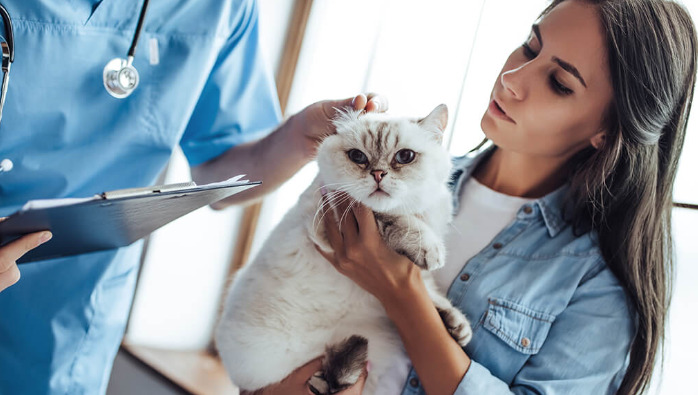
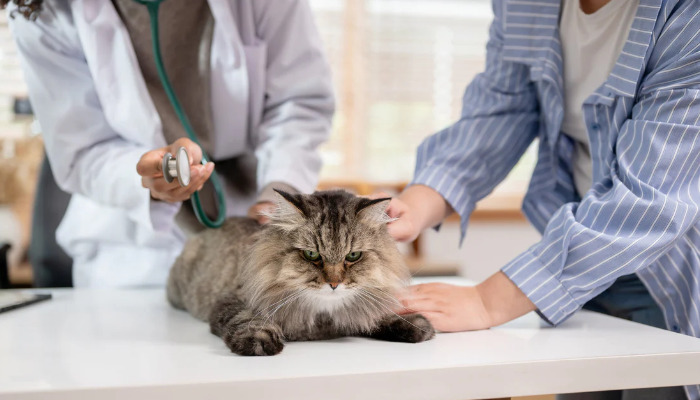
Although access and regulation gaps persist, the best-case experience for home FIP treatment involves close veterinary supervision. Vets can:
Provide diagnosis confirmation and prognosis estimation
Advise on dosing and administration technique
Monitor progress with lab tests, adjust therapy as needed
Manage side effects, complications, or comorbidities
Address owner anxiety, stress, and logistical challenges
Increasingly, tele-veterinary services and online platforms bridge the geographic and regulatory gaps for cat owners seeking support.
Support Systems: Online Communities and Peer Resources
The prominence of social media forums, dedicated FIP survival Facebook groups, and online video guides reflects the rapidly expanding support network around home-based FIP care. These spaces offer emotional support, technical training, peer-reviewed dosing tables, and troubleshooting assistance—and are often the first point of contact for new owners seeking to embark on therapy. While invaluable, information from these groups should be cross-verified with veterinary professionals to avoid perpetuating unvetted advice or outlier experiences.
Cost and Accessibility
A fundamental driver behind home FIP treatment is accessibility. GS-441524 and remdesivir are not commercially available in most U.S. states or, when available, may cost thousands of dollars through limited compassionate-use or research programs. Home therapy protocols using gray-market supplies can cost less but carry risks as described above. The cost barrier has led to growth in community fundraising, sliding-scale drug access programs, and home-mixing tutorials aimed at reducing financial burdens for cat owners.
Psychological Impact on Owners
Successfully treating a cat for FIP at home is both physically and emotionally demanding. Owners experience anxiety about technical skill, drug quality, and long-term prognosis. Peer support, mental health resources, and flexibility from the workplace are increasingly seen as necessary for sustained engagement. The stakes—usually life or death for the pet—make careful support and preparation essential.
Future Directions: Toward Safe and Reliable Home FIP Treatment
As research progresses, and regulatory attitudes evolve, the hope is for wider approval and safe, affordable access to quality-controlled, FDA-sanctioned FIP drugs. The home treatment movement has demonstrated the willingness and capacity of owners to carry out complex veterinary protocols successfully, but also the urgent need for oversight, education, and improved product regulation.
In summary, home treatment for FIP, when performed by informed, dedicated owners with access to good quality drugs and veterinary oversight, is increasingly safe and reliable, with high rates of remission possible. Risks relate to drug quality, correct dosing, technical skill, and monitoring—all manageable with education and support. The ethical and legal ambiguities remain an area for ongoing advocacy and policy change.
References
1. Pedersen, N. C., et al. (2019). "Efficacy and safety of the nucleoside analog GS-441524 for treatment of cats with naturally occurring feline infectious peritonitis." Journal of Feline Medicine and Surgery, 21(4), 271-281.
2. Jones, S., et al. (2021). "Long-term outcomes in cats treated for FIP with GS-441524: Owner-reported experiences." FIP Warriors Case Registry.
3. Hartmann, K. (2022). "Feline infectious peritonitis: developments in diagnosis and treatment." Veterinary Clinics: Small Animal Practice, 52(1), 1-19.
4. Addie, D. & Jarrett, O. (2001). "Feline coronavirus infections." In Greene, C.E. (Ed.), Infectious Diseases of the Dog and Cat (3rd ed.). Saunders.
5. U.S. Food & Drug Administration (2024). "Animal Drugs @ FDA: GS-441524 and remdesivir." [Online] Available: https://www.fda.gov/animal-veterinary
6. FIP Warriors. (2024). “FIP Treatment Resources and Support.” [Online] https://www.fipwarriors.com
7. Griffin, D., et al. (2023). "Owner stress and psychological impact of home care for cats with FIP." Journal of Veterinary Behavior, 15(2), 110-117.
8. Kim, Y. et al. (2022). "Advances in antiviral drug development for FIP." Veterinary Research, 53(2), 45-59.