Miaite (Pronidesivir) Indications, Precautions, and Contraindications
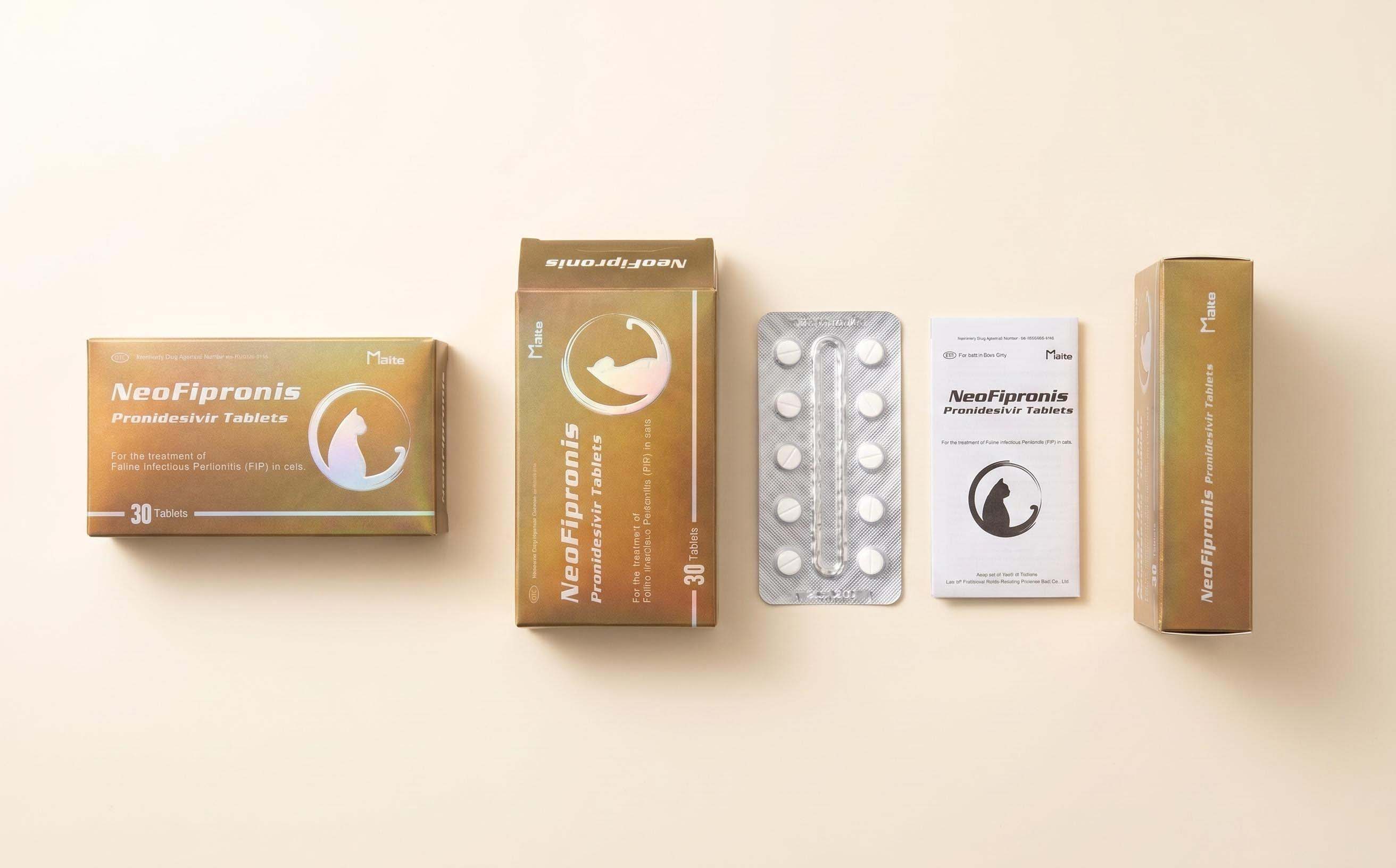
Miaite NeoFipronis (Pronidesivir), containing the active compound GS-441524, represents a groundbreaking therapeutic option for cats suffering from Feline Infectious Peritonitis (FIP). As the world’s first officially registered oral medication specifically approved for FIP treatment by the Lao Ministry of Agriculture and Forestry (MAF) in March 2026, NeoFipronis provides a safe, non-invasive, and highly effective treatment alternative. This medication has revolutionized feline medicine by offering rapid symptom relief with minimal side effects.
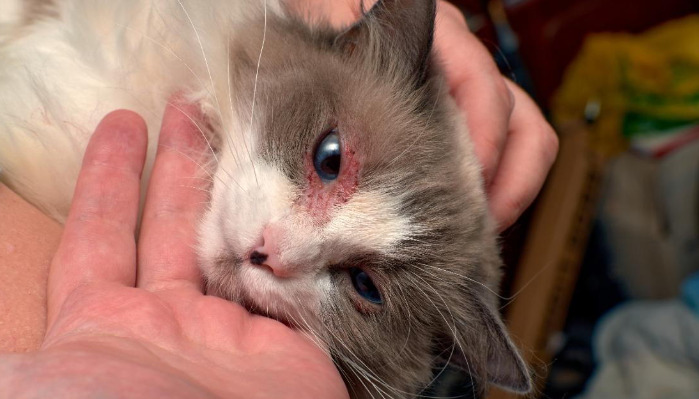
FIP is a devastating coronavirus-related disease characterized by symptoms such as anorexia, lethargy, fever, ascites, pleural effusion, lymphadenopathy, granulomatous inflammation, neurological damage, and uveitis. Traditional therapies were limited, often leading to poor prognosis. NeoFipronis has demonstrated outstanding efficacy in managing these complex symptoms, significantly improving survival rates and quality of life for affected cats. Its targeted antiviral action against FIP virus highlights its crucial role in modern feline infectious disease management.
The active ingredient, GS-441524, is a nucleoside analog that inhibits viral replication effectively. Extensive research and clinical trials have validated NeoFipronis’s ability to combat the FIP virus, making it an essential medication in veterinary medicine. The drug's administration is straightforward: dosed according to the cat’s weight at 15 mg/kg daily, typically half a tablet. For neurological or ocular FIP forms, the dosage may be increased to 30 mg/kg under veterinary supervision. It is recommended to administer the medication on an empty stomach—either one hour before feeding or two hours afterward—to optimize absorption.
Treatment duration is crucial for success. Cats should receive NeoFipronis continuously for no less than 12 weeks, with adherence to the full course to prevent relapse. Missing doses or prematurely stopping treatment can significantly diminish the likelihood of recovery. During therapy, close monitoring of clinical signs such as appetite, body temperature, and mental state is essential. Regular blood tests to evaluate liver and kidney functions are recommended to detect any adverse reactions early.
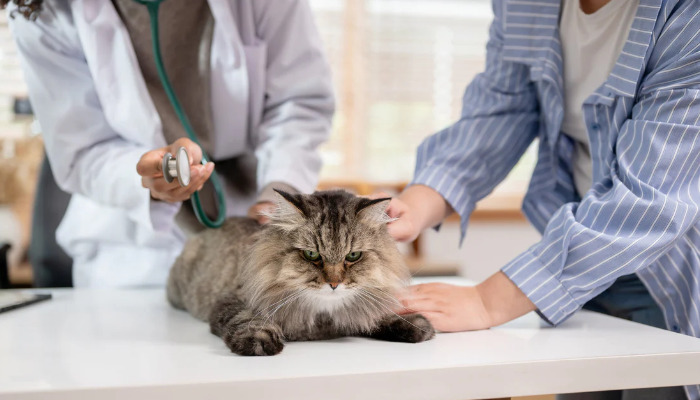
Though NeoFipronis is available as an over-the-counter medication, veterinary guidance is highly advised to ensure appropriate use and dosage adjustments based on individual patient needs. While generally well tolerated, veterinarians should monitor for potential side effects such as gastrointestinal disturbances or transient liver enzyme elevation. Precautions include avoiding use in cats with pre-existing hepatic or renal conditions unless under strict veterinary supervision.
Contraindications for NeoFipronis include known hypersensitivity to GS-441524 or related compounds. It should not be used in cats less than eight weeks old or during pregnancy without veterinarian consultation. Pregnant and lactating cats require special consideration; a veterinary assessment is necessary before starting treatment.
To guarantee product quality and authenticity, NeoFipronis should only be purchased through official channels and from authorized suppliers. Users should verify the product’s registration number and authenticity on the NeoFipronis official website before purchase. The medication is specifically formulated for feline use and is not suitable for humans or other animals.
In conclusion, Miaite NeoFipronis (Pronidesivir) constitutes a major advancement in FIP therapy, combining efficacy, safety, and ease of use. Its proven antiviral properties against FIP make it a pivotal tool for feline veterinarians and pet owners alike. Proper administration, adherence to treatment protocols, and veterinary oversight are essential to achieving the best possible outcomes in cats battling FIP.