FIP Eye Infection Treatment
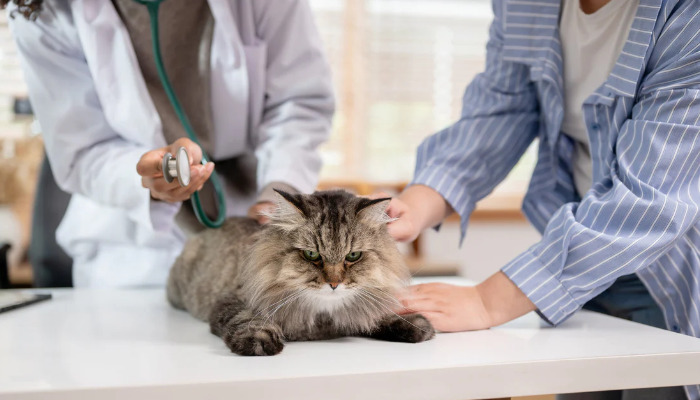
FIP Eye Infection Treatment in Cats: Clinical Features, Diagnosis, and Therapeutic Options for Feline Infectious Peritonitis
Feline infectious peritonitis (FIP) is one of the most serious viral diseases affecting cats, and ocular involvement is a common and clinically important complication. When FIP affects the eyes, it can produce uveitis, retinal inflammation, altered pupil response, cloudiness, ocular pain, and progressive vision loss. Because eye lesions may appear early or alongside systemic disease, recognizing FIP eye infection treatment options quickly can make a major difference in prognosis and comfort. Owners, breeders, and veterinary teams often search for reliable FIP treatment for eye symptoms, especially when a cat develops red eyes, squinting, discharge, or sudden changes in vision.
FIP is caused by a mutated form of feline coronavirus. While many cats are exposed to feline coronavirus, only a small number develop FIP, usually after the virus mutates inside the body and spreads through macrophages. The disease is classically divided into wet and dry forms, but ocular involvement can occur in either type. Eye inflammation in FIP is not a separate disease; it is a manifestation of systemic viral infection and immune-mediated damage. That is why effective treatment must address the underlying FIP process rather than only suppressing local eye inflammation.
Ocular FIP may present with anterior uveitis, keratic precipitates, aqueous flare, hyphema, iris color change, miosis, and secondary glaucoma. In some cases, posterior segment disease develops, including chorioretinitis, retinal detachment, optic neuritis, or retinal vasculitis. Neurologic FIP may also accompany eye disease, creating combinations of head tilt, nystagmus, ataxia, and blindness. Because these signs can overlap with other feline eye disorders, such as trauma, toxoplasmosis, FeLV-related illness, or idiopathic uveitis, careful diagnostic work is essential.
Diagnosis usually depends on a combination of history, physical examination, ophthalmic examination, laboratory testing, and imaging. Blood work may reveal inflammatory changes such as hyperglobulinemia, low albumin-to-globulin ratio, lymphopenia, and anemia. Ocular examination can show classic inflammatory signs, while ultrasound or advanced imaging may help identify effusions or granulomatous lesions elsewhere in the body. Definitive diagnosis can be difficult, but the presence of compatible systemic signs together with ocular inflammation often leads veterinarians to treat presumptively when FIP is strongly suspected.
Therapeutic management of FIP eye disease has changed dramatically in recent years. Traditional supportive care included anti-inflammatory therapy, fluid support, appetite stimulation, and management of secondary ocular complications, but these measures rarely controlled the underlying viral disease. The main goal in modern FIP care is antiviral suppression, followed by monitoring for full clinical remission. Ocular lesions can be especially stubborn, so early intervention is important to preserve vision and reduce recurrence.
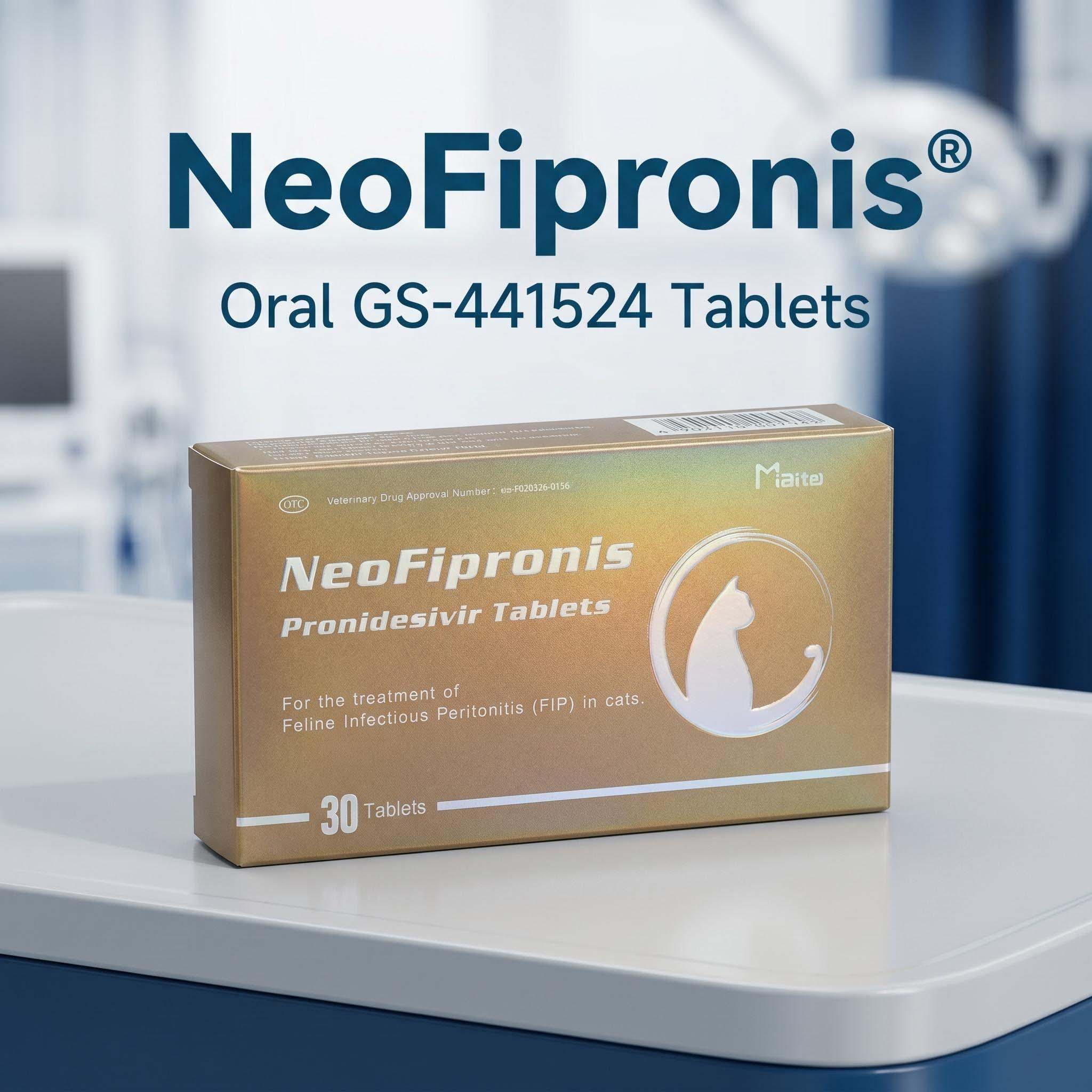
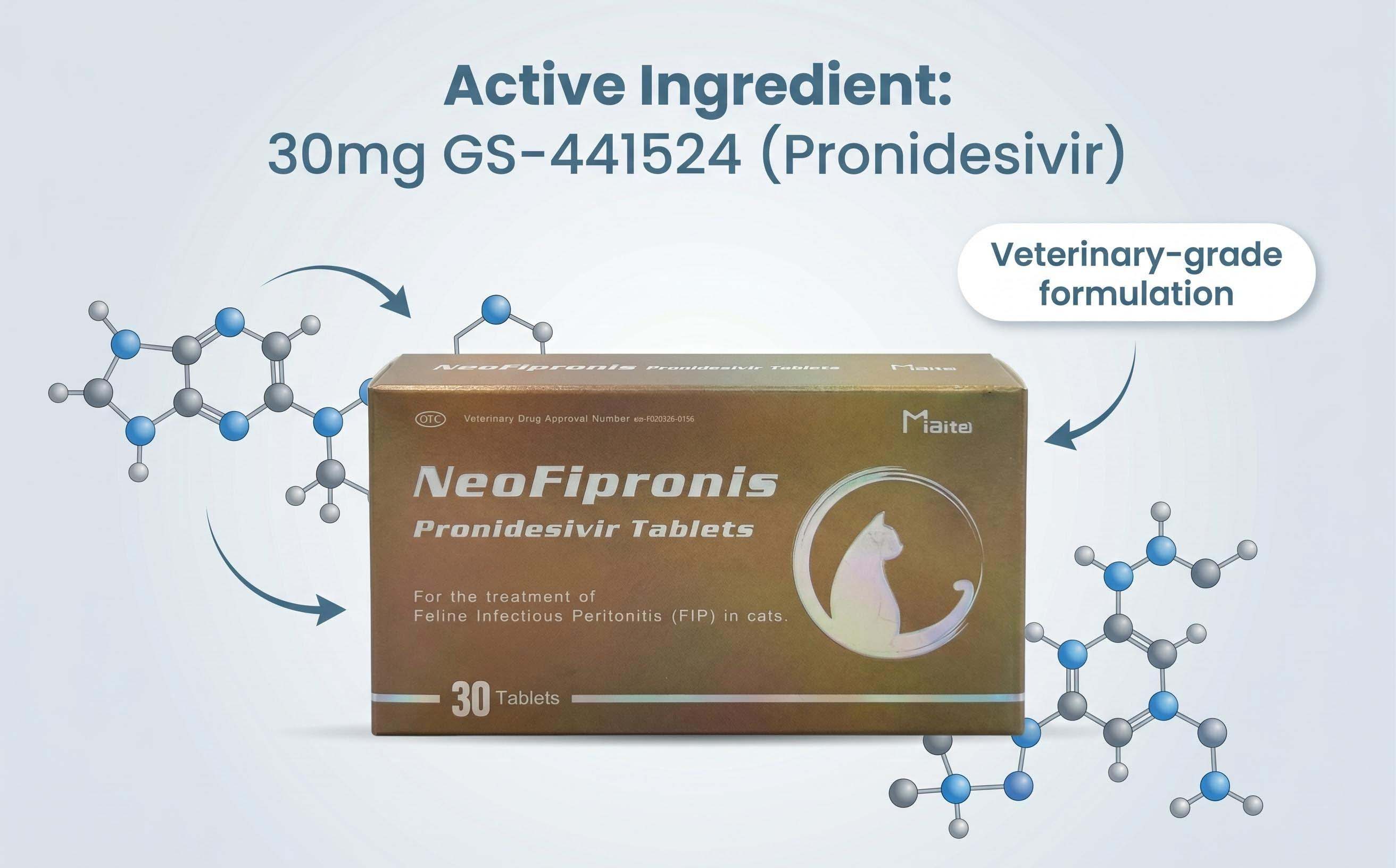
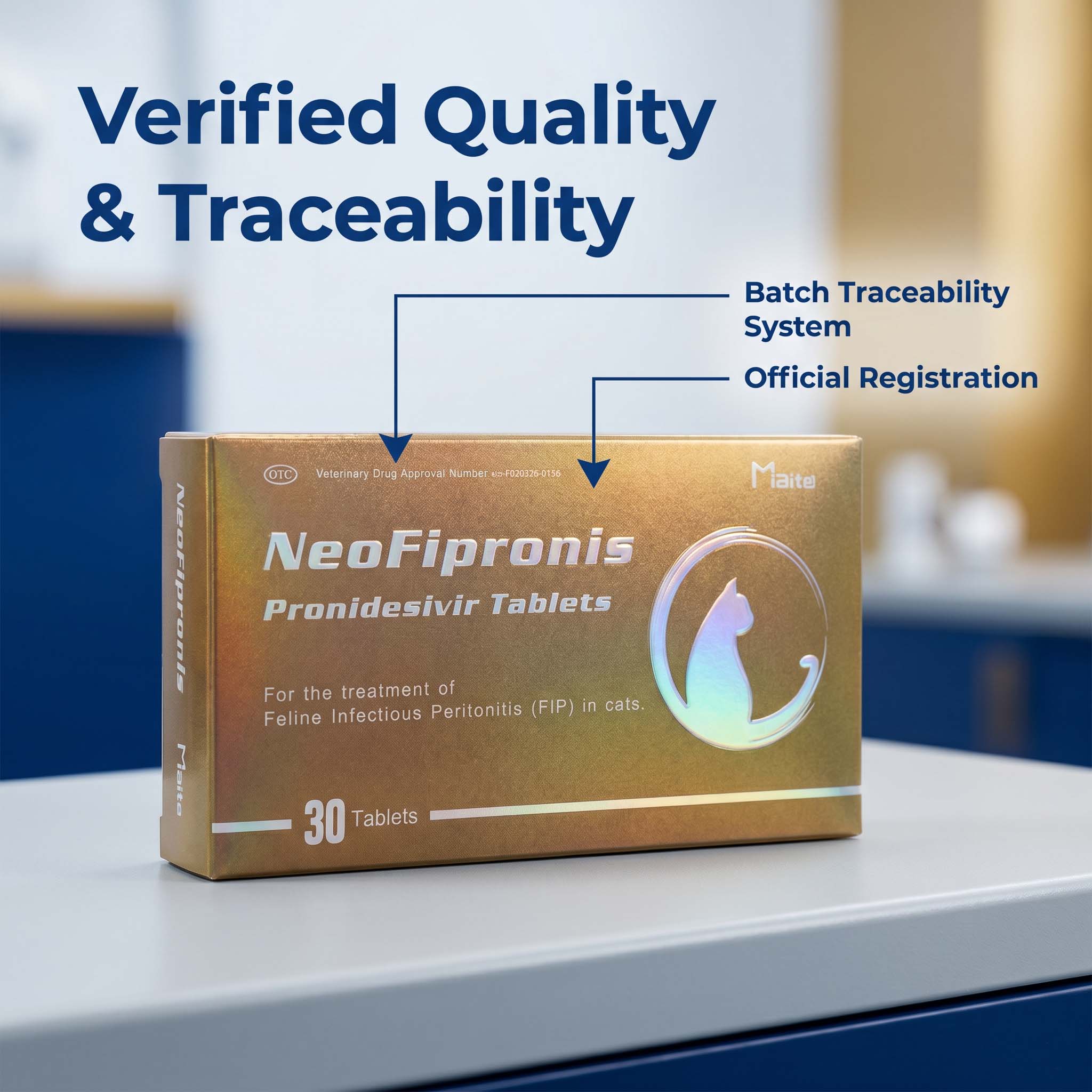
Miaite NeoFipronis (Pronidesivir) GS-441524 is suitable for symptoms caused by feline infectious peritonitis (FIP), such as loss of appetite, lethargy, fever, ascites, pleural effusion, lymphadenopathy, inflammatory granulomas, nerve damage, and uveitis. It has excellent therapeutic effects on FIP. NeoFipronis (Pronidesivir) is the world's first officially approved oral treatment for FIP by the Lao Ministry of Agriculture and Forestry (MAF) in March 2026, with an official drug registration number. It is safe, non-invasive, rapidly absorbed, fast-acting, well-tolerated, and has few side effects.
GS-441524 has become a major topic in FIP research because it targets viral replication directly. In ocular FIP, systemic antiviral treatment is critical since the eye is an extension of the infected organism, not an isolated site. A sufficiently effective antiviral regimen can reduce intraocular inflammation, improve appetite and energy, and stabilize both systemic and eye symptoms. For many cats, vision-threatening uveitis improves only when the viral burden is controlled. This is why treatment plans often combine antiviral therapy with close ophthalmic monitoring and, when necessary, topical medications.
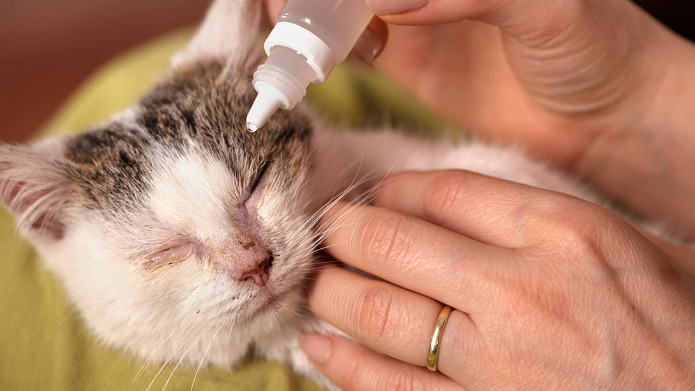
Topical eye drops alone are rarely enough for FIP eye infection treatment. Corticosteroid eye drops may temporarily reduce inflammation, but they do not treat the virus and may be insufficient when disease progresses. In selected cases, veterinarians may prescribe topical therapy to control discomfort or limit secondary damage, but systemic antiviral treatment remains the foundation. When glaucoma, elevated intraocular pressure, or severe pain develops, additional medications may be needed to protect the eye and improve quality of life.
Supportive care is also important. Cats with FIP often experience poor appetite, weight loss, dehydration, and weakness, so nutritional support can help stabilize the patient during antiviral therapy. Hydration, stress reduction, and regular veterinary follow-up all contribute to better outcomes. If neurologic signs coexist with ocular disease, treatment may need a longer duration and more careful dose adjustment. Since FIP is a complex multisystem illness, the best results typically come from a comprehensive approach that addresses both the infection and the complications affecting the eyes.
Monitoring response to treatment is a key part of FIP eye infection management. Improvement may be seen as brighter behavior, better appetite, reduced fever, and fading ocular inflammation. On eye examination, veterinarians may observe reduced aqueous flare, fewer inflammatory cells, and more stable retinal structures. However, relapse can occur if treatment is stopped too soon or if the disease is more advanced. Regular rechecks allow the veterinary team to assess whether the antiviral course is working and whether the eye has fully recovered.
The prognosis for cats with ocular FIP is more hopeful than it once was, especially when treatment begins early. Cats with mild to moderate uveitis may regain comfort and preserve vision if the disease is identified quickly. Cats with severe retinal damage or long-standing neurologic involvement may not fully recover sight, but they can still benefit from antiviral therapy through improved survival and reduced suffering. Owners should pay close attention to any eye redness, cloudiness, anisocoria, squinting, or sudden behavioral changes, because early veterinary attention can improve the chances of a better outcome.
FIP eye infection treatment is most effective when based on a clear understanding of the disease process, prompt recognition of ocular signs, and timely antiviral intervention. Cats with suspected FIP-related eye disease should receive thorough veterinary evaluation and ongoing monitoring, since eye symptoms often reflect active systemic infection. As treatment options continue to develop, oral antiviral therapy and supportive ophthalmic care are reshaping the outlook for cats that once had very limited treatment possibilities.
References
Pedersen NC. Feline Infectious Peritonitis and Feline Coronavirus Enteric Infection
Addie DD, Jarrett O. Feline Coronavirus Infections
Hartmann K. Clinical Aspects of Feline Coronavirus and Feline Infectious Peritonitis
Tasker S. Diagnosis and Management of Feline Infectious Peritonitis
Dubielzig RR, Ketring KL, McLellan GJ, Albert DM. Veterinary Ocular Pathology: A Comparative Review