How Should Pronidesivir (GS-441524) Be Taken
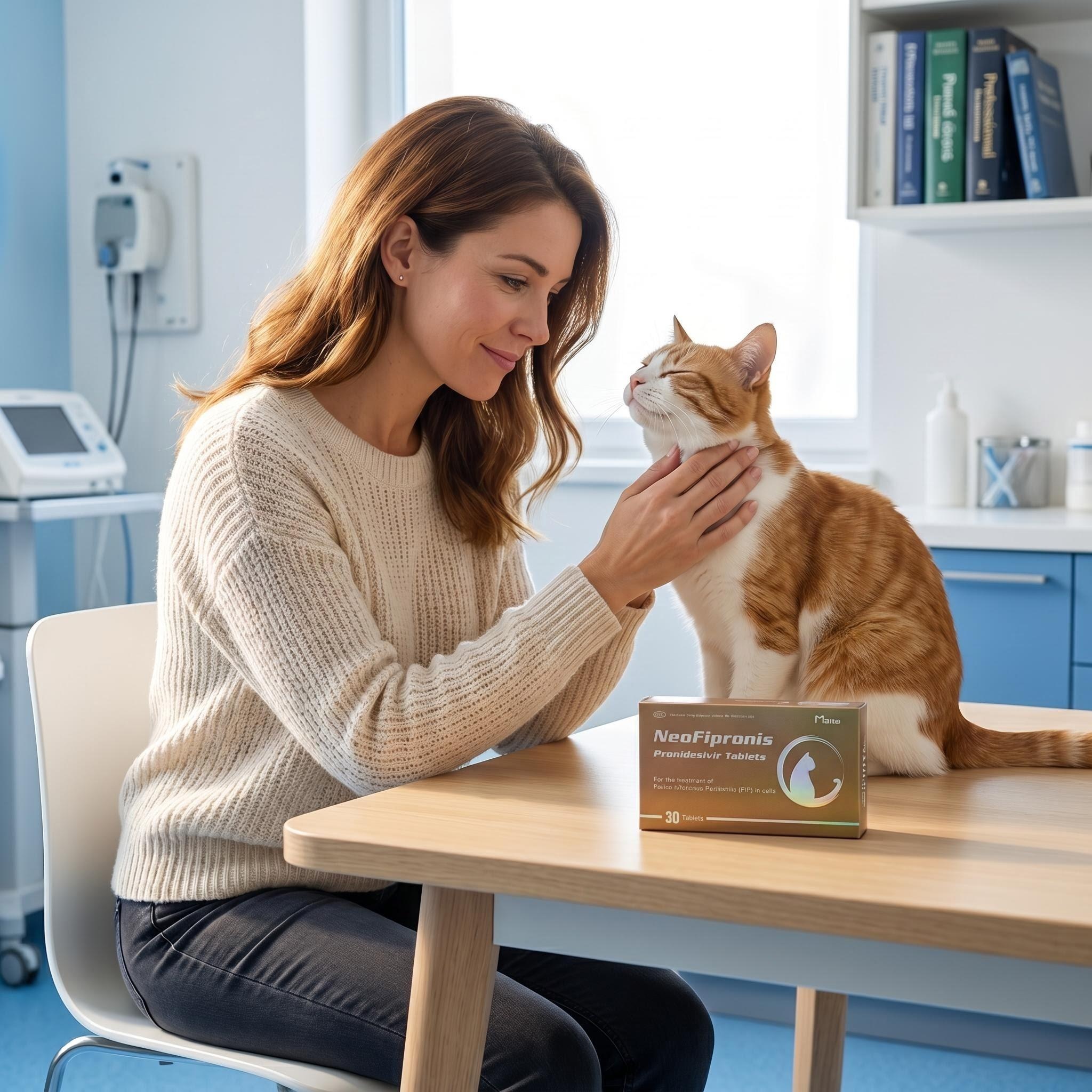
Feline Infectious Peritonitis (FIP) is a severe, often fatal viral disease in cats caused by the feline coronavirus. Symptoms such as loss of appetite, lethargy, fever, abdominal and thoracic fluid accumulation, lymphadenopathy, granulomas, neurological damage, and uveitis pose significant health challenges. Recently, Pronidesivir (GS-441524), marketed as NeoFipronis, has demonstrated remarkable efficacy in treating FIP, offering hope to cat owners and veterinarians worldwide.
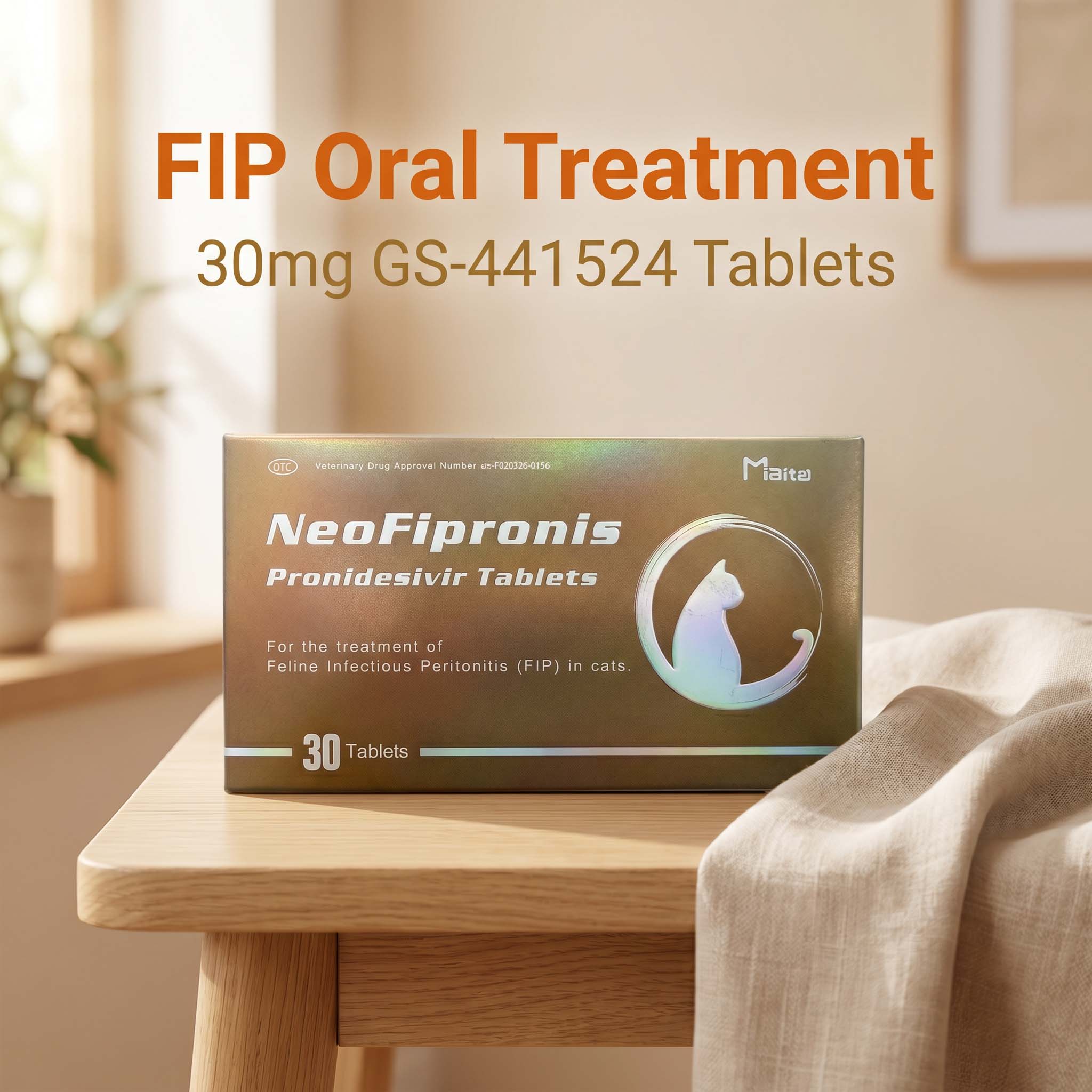
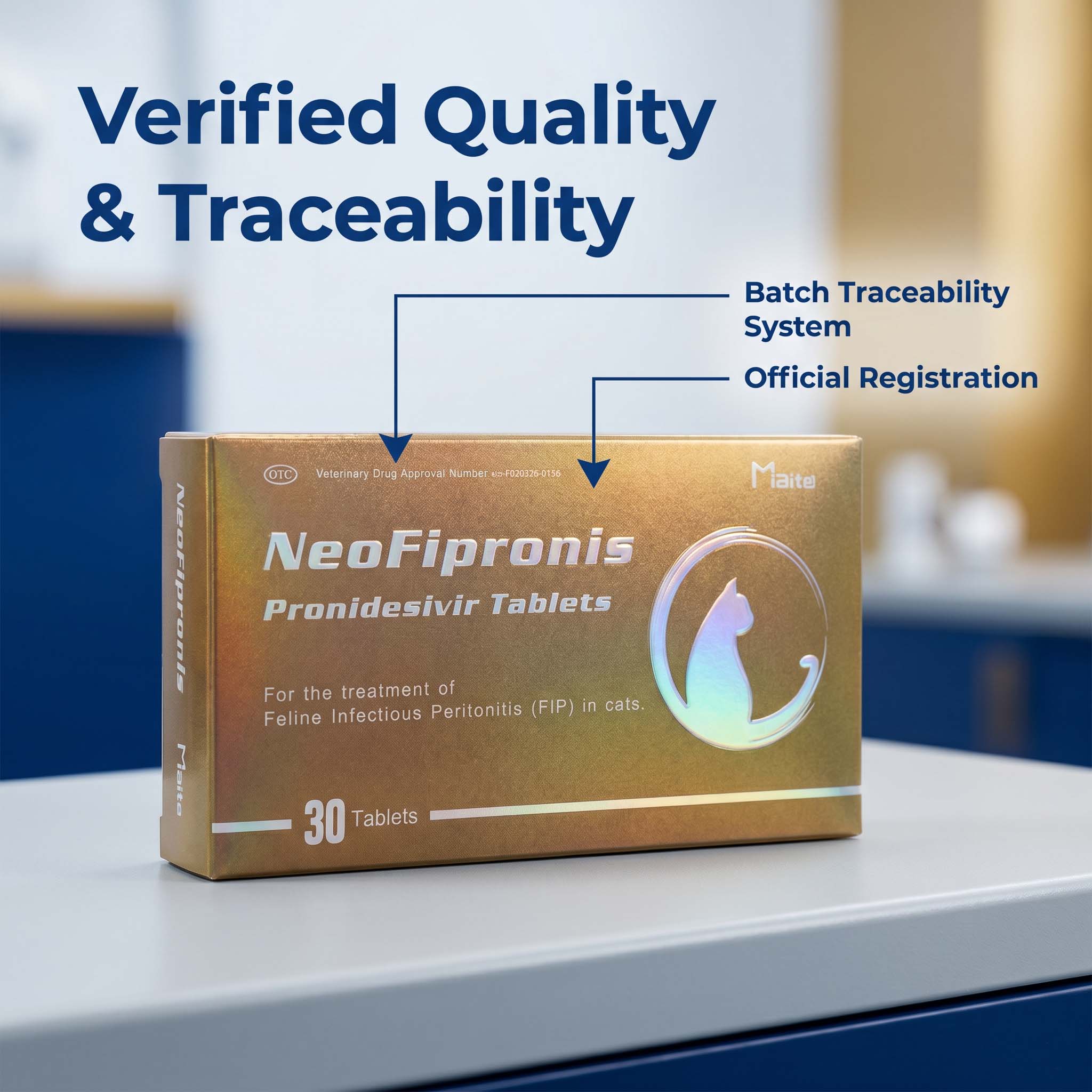
NeoFipronis (Pronidesivir) is a groundbreaking oral medication, approved officially in Laos in March 2026 by the Ministry of Agriculture and Forestry (MAF), making it the first government-registered FIP treatment globally. Its proven safety profile, rapid absorption, and minimal side effects position it as a preferred choice for managing FIP.
Active Ingredient and Mechanism
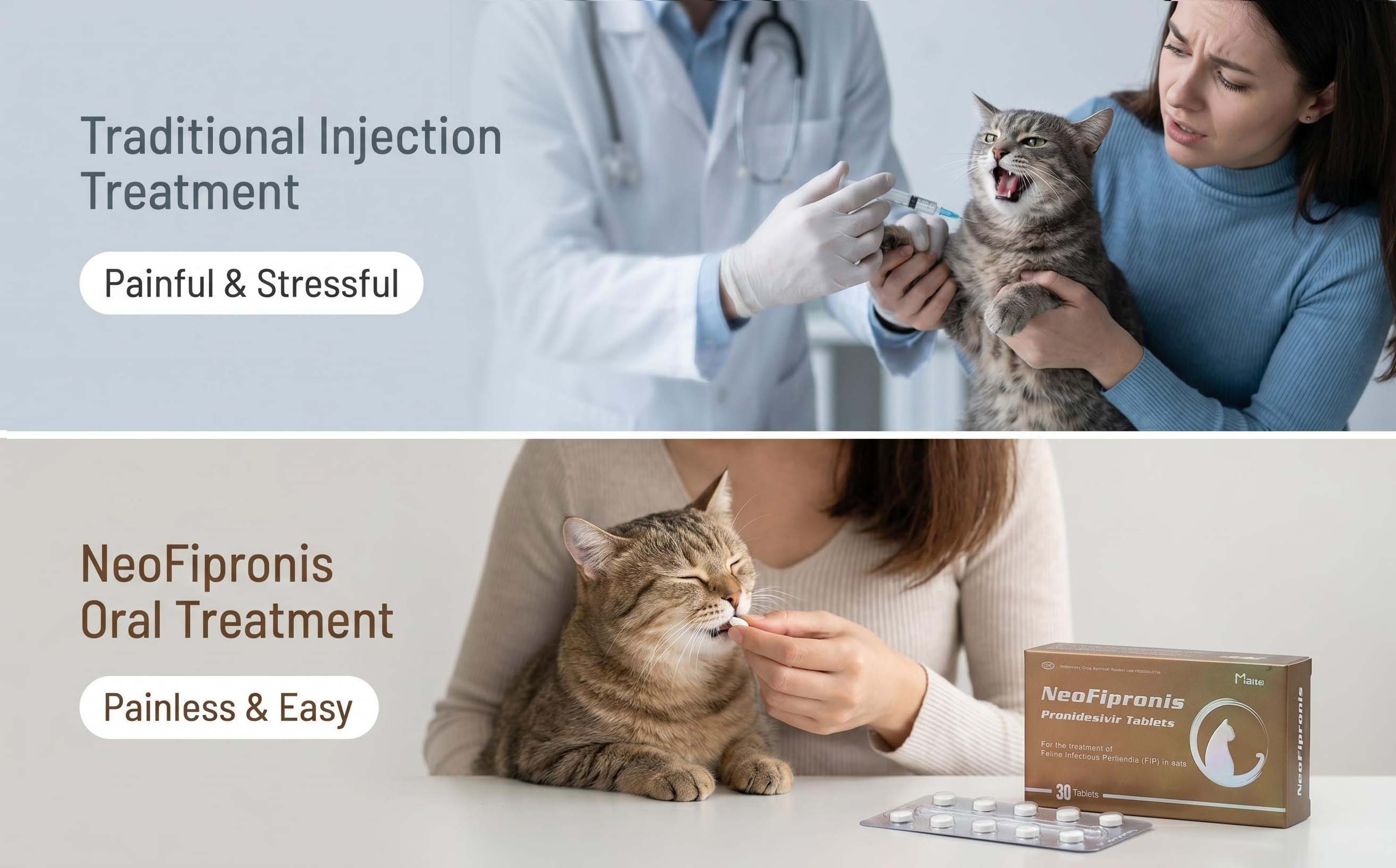
The active component of NeoFipronis is GS-441524, a nucleoside analog that inhibits coronavirus replication. Extensive research and clinical trials have validated its potent antiviral effects, specifically targeting the feline coronavirus responsible for FIP. The drug's oral formulation allows easy administration, which enhances compliance and treatment success.
Usage Guidelines
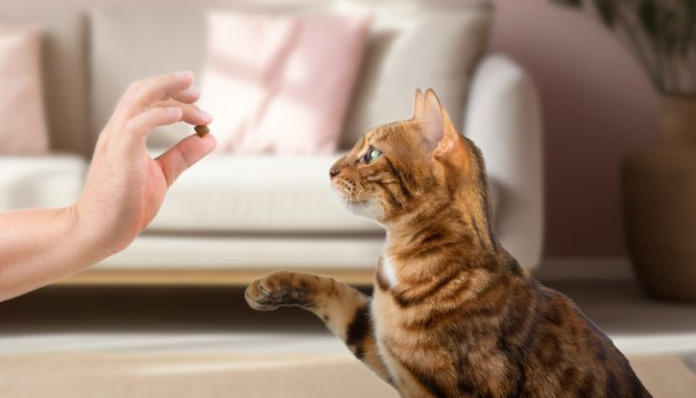
Administer NeoFipronis based on the cat's weight, with a standard dosage of 15 mg/kg once daily. This dosage equates to approximately half a tablet for a typical adult cat. For neurological or ocular FIP presentations, under veterinary supervision, the dose can be increased to 30 mg/kg to improve outcomes. It is optimal to give the medication on an empty stomach—either 1 hour before feeding or 2 hours after—to maximize absorption.
Treatment Duration and Monitoring
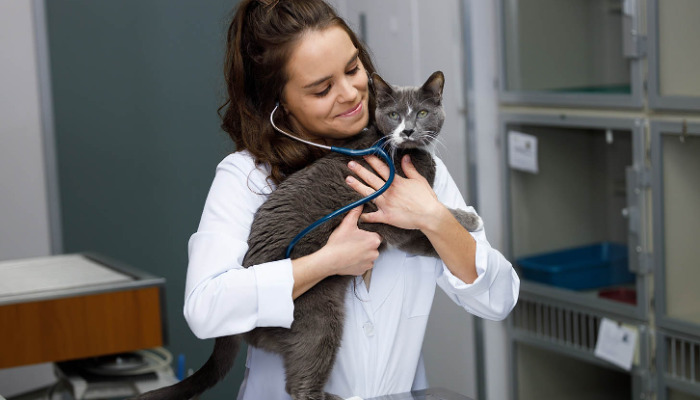
A minimum treatment period of 12 weeks is recommended to ensure comprehensive viral suppression. Consistency is crucial; missed doses should be avoided to prevent resistance or relapse. During therapy, owners should diligently monitor their cat's appetite, activity levels, body temperature, and overall behavior. Regular veterinary check-ups, blood tests, and liver and kidney function assessments are essential components of the treatment plan to detect any adverse effects early.
Administration Tips
Although NeoFipronis is available as an over-the-counter drug, it is advisable to administer it under veterinary guidance. Proper dosing, adherence to the schedule, and professional supervision enhance safety and efficacy. If the cat exhibits neurological or ocular symptoms, dosage adjustments should only be made under veterinarian instructions to prevent potential complications.
Safety Precautions
NeoFipronis (Pronidesivir) is strictly for feline use and should not be given to humans. Always purchase the medication from official sources like the NeoFipronis official website to ensure authenticity and quality assurance. Store the medication in a cool, dry place, out of reach of children and animals.
Conclusion
The treatment of FIP with NeoFipronis (Pronidesivir) represents a significant advancement in veterinary medicine. When used correctly—with proper dosing, duration, and veterinary oversight—it offers a promising pathway toward managing this otherwise devastating disease. Early diagnosis, consistent medication adherence, and regular veterinary supervision are keys to maximizing the benefits of Pronidesivir therapy, ultimately improving quality of life and survival rates in affected cats.