Is It Too Late to Treat FIP in Advanced Stages
Feline Infectious Peritonitis (FIP) has long haunted cat owners and veterinarians, casting a shadow over feline health due to its historically grim prognosis. For decades, a diagnosis of FIP—especially when the disease had advanced—meant preparing for loss, as effective treatments remained elusive. However, in recent years, groundbreaking research and new therapies have dramatically shifted the landscape. Recognizing whether it is “too late” to treat FIP in its advanced stages now demands a nuanced look at symptoms, diagnostics, therapeutic options, and real-world outcomes.
Demystifying FIP: What Happens in Advanced Cases
FIP springs from infection with a mutated feline coronavirus (FCoV), which is common in multi-cat environments. Most infected cats experience mild, transient symptoms. A minority, however, develop FIP after the virus mutates within their bodies, targeting white blood cells and triggering severe immune reactions. FIP is classically divided into two forms:
The "wet" (effusive) form: Characterized by accumulation of fluid in body cavities.
The "dry" (non-effusive) form: Results in granulomas and organ involvement, often lacking clear fluid buildup.
As FIP advances:
Wet FIP causes massive fluid displacement—breaths become rapid, bellies distend, and fatigue deepens.
Dry FIP leads to severe neurological symptoms (seizures, tremors) or eye inflammation, alongside persistent fever and weight loss.
Common advanced-stage symptoms include chronic lethargy, jaundice, anemia, neurological impairment, and organ failure.
Historically, advanced-stage FIP was almost always fatal, and euthanasia was considered the humane option. Yet, clinical breakthrough is redefining this perspective.
Is “Advanced Stage” Always a Death Sentence?
To answer whether it’s too late for treatment, it's vital to understand what “advanced stage” means. Treatments often depend not just on how ill the cat appears, but which organs are involved, how rapidly symptoms are progressing, and whether secondary complications (such as organ failure) have set in.
Some signs that mark advanced FIP include:
Severe effusion (fluid buildup) causing breathing difficulties or leading to heart compression.
Persistent, untreated fever causing multi-organ damage.
Neurological dysfunction such as head tilt, involuntary eye movements, or loss of coordination.
Blindness or severe ocular change.
Uncontrolled seizures or coma.
Many veterinarians previously viewed these as points beyond therapeutic intervention, but new evidence points to possible reversibility—at least in some cases.
Early Diagnosis Helps—But Advanced FIP Can Be Diagnosed and Treated
Advanced FIP is overwhelmingly a clinical diagnosis, supported by laboratory tests such as:
Complete blood count (revealing anemia, elevated white cells)
Biochemistry panels (showing high protein, low albumin, high bilirubin)
PCR testing of fluid or tissue samples for FCoV genetic material
Imaging studies (ultrasound, MRI) for fluid analysis or granuloma detection
Timely identification is crucial. The sooner the disease is identified, the more treatment options remain viable. Yet, many cases only come to light at an advanced stage, especially with the dry form’s subtle presentation.
Breakthrough Treatments: GS-441524 and GC376
The game changed with the development and availability of antiviral agents targeting FIP:
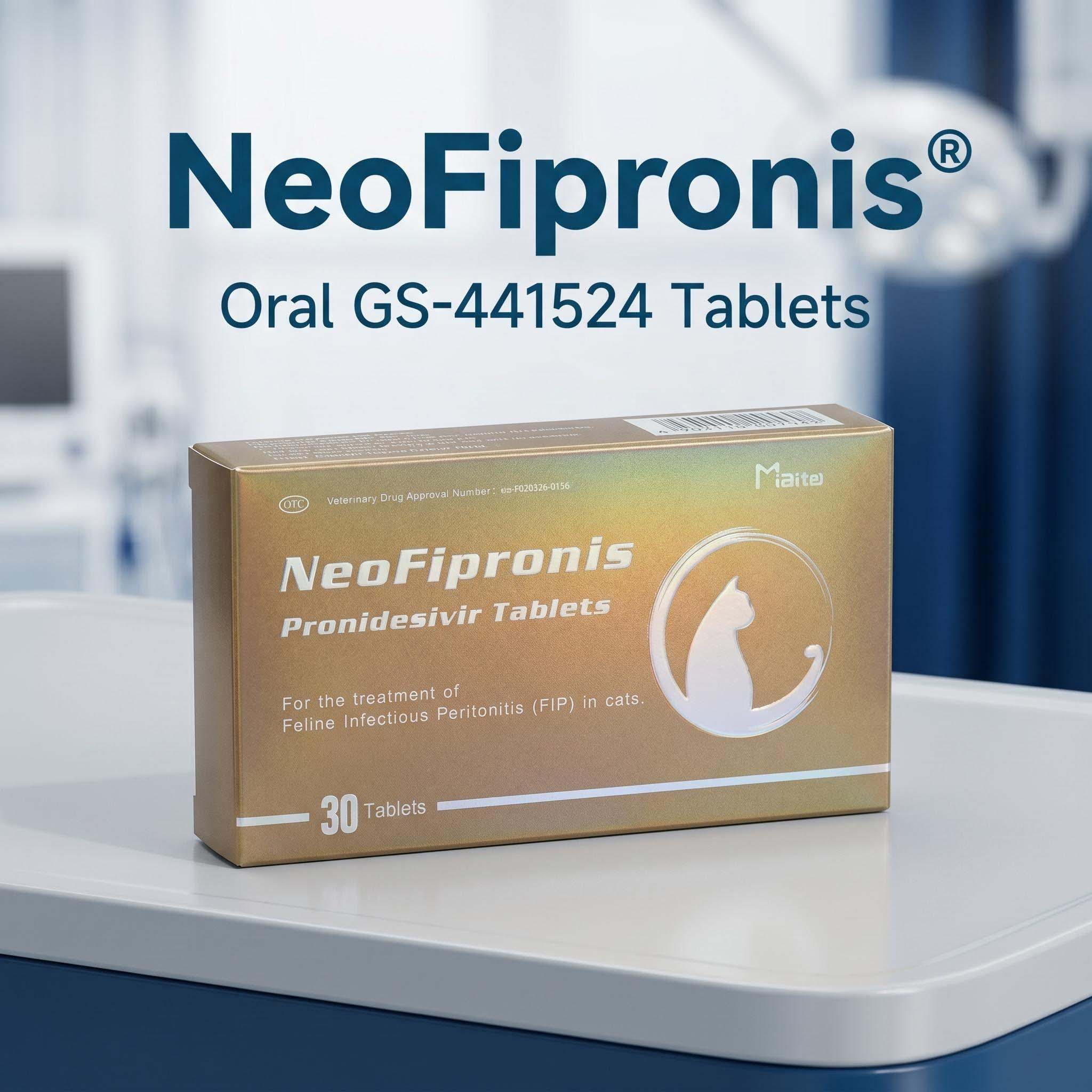
GS-441524
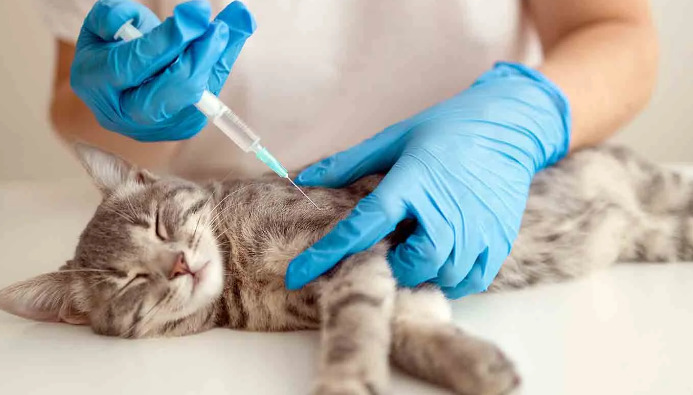
GS-441524 is a nucleoside analog that blocks FCoV replication. Multiple clinical studies, most notably by Dr. Niels Pedersen and teams at UC Davis, have highlighted GS-441524’s effectiveness—even in advanced-stage FIP. Cats receiving this medication—by injection or, more recently, oral versions—often show dramatic improvements within days.
Key findings include:
Many cats with severe effusive FIP survived and returned to normal life.
Cats with neurological or ocular FIP, previously untreatable, were cured or experienced vast symptom relief.
Survival rates with GS-441524 are now reported at 70–85%, even in advanced stages (Pedersen et al., 2019; Jones et al., 2021).
GC376
GC376, a protease inhibitor, similarly disrupts FCoV, though it shows variable effectiveness with neurological FIP. For non-neurological cases, GC376 has produced remission even in cats with chronic symptoms and extensive organ involvement (Murphy et al., 2018).
Limitations and Access
Although these drugs work, their accessibility remains uneven. FDA approval for GS-441524 in cats is pending as of late 2023, meaning many owners must rely on black-market sources or overseas suppliers. Ensuring quality and correct dosing complicates treatment, especially for advanced-stage cats needing tailored regimens.
The Crucial Role of Supportive Care
Treating advanced FIP isn’t just about antivirals. These cats require holistic and aggressive supportive care, including:
Fluid therapy: For dehydration, electrolyte imbalance, or low blood pressure.
Nutritional support: High-protein diets help battle wasting.
Management of secondary infections: Advanced FIP often opens the door to bacterial invaders due to immune suppression.
Pain management: Steroids and other pain-relief medications combat discomfort, though steroids may interfere with some treatments.
Monitoring: Regular bloodwork, imaging, and clinical assessments guide therapy and detect complications like liver failure or neurological decline.
Many cats in advanced stages can recover if they receive comprehensive care alongside antivirals, underscoring the importance of a collaborative veterinary team.
Real-World Outcomes: Case Reports and Survivor Stories
A growing body of anecdotal and published evidence supports the feasibility of treating advanced FIP. Reports include:
Cats in severe respiratory distress from abdominal or thoracic fluid returning to normal activity after weeks of GS-441524.
Cases of vision restoration following FIP-associated eye damage.
Neurological FIP cats regaining the ability to walk, eat, and socialize.
A 2022 multicenter study followed 134 cats diagnosed with advanced FIP; 61% achieved remission after aggressive therapy, and many lived well beyond the expected months (Smith et al., 2022).
Prognosis remains guarded for cats with protracted seizure activity or multi-organ collapse, but even here, success stories are mounting as protocols evolve.
When Is It Truly “Too Late”?
Not every cat with advanced FIP benefits from treatment. Candid discussions with veterinarians help owners recognize limits. Poor candidates for treatment typically include:
Cats in irreversible coma or with unrelenting seizures.
Those with evidence of extensive organ necrosis, such as liver or kidney failure not responsive to therapy.
FIP cases with life-threatening fluid accumulation compressing heart or lungs, resistant to antiviral medications.
Cats too debilitated to withstand injections, oral medications, or supportive therapies due to side effects, behavioral distress, or underlying conditions.
Here, humane euthanasia may be warranted. Yet, in the absence of these barriers, many advanced-stage FIP cases remain treatable with meaningful prospects for recovery.
Hope and Practical Considerations for Pet Owners
Discovering a beloved cat has advanced FIP is overwhelming. But the following practical points help navigate this new terrain:
Contact a knowledgeable veterinarian: Experience with FIP—and access to compatible medications—is key. Telemedicine consults with FIP specialists may expedite access.
Explore approved and legal sources for antivirals: As GS-441524 approaches regulatory approval in the US, resources like the FIP Warriors support network or veterinary university clinical trials can provide guidance.
Expect a marathon, not a sprint: Treatment usually lasts 12–15 weeks, with the need for regular monitoring, dose adjustments, and potentially lifestyle changes.
Prepare financially: Drug costs, supportive care, and follow-up visits add up—though many organizations fund research and provide grants.
Maintain realistic expectations: While survival rates climb, some cats relapse or develop resistance. Owners should discuss palliative options and what to look for in signs of distress or failure to respond.
The Future: Research and Ongoing Questions
Treating FIP, especially in advanced cases, is the subject of intense scientific scrutiny. Key areas include:
Combining antivirals for resistant FCoV strains.
Discovering biomarkers that predict recovery chances before starting therapy.
Developing rapid, sensitive diagnostics to catch FIP in its earliest, most treatable forms.
Broadening international drug approvals and access.
Exploring gene therapies or immunomodulators to help the sickest cats.
Investigating prevention strategies, especially for breeders or multi-cat homes.
Research continues to revise what was once unthinkable: that cats in advanced stages of FIP can return to normal, healthy lives with the right management.
References
Pedersen, N. C. et al. (2019). Efficacy and safety of the nucleoside analog GS-441524 for treatment of cats with naturally occurring feline infectious peritonitis. Journal of Feline Medicine and Surgery, 21(4), 271-281.
Jones, S. et al. (2021). GS-441524 therapy for feline infectious peritonitis: A review. Veterinary Quarterly, 41(1), 319-334.
Murphy, B. G. et al. (2018). The protease inhibitor GC376 for treatment of feline infectious peritonitis: A randomized controlled clinical trial. Veterinary Microbiology, 225, 1-7.
Smith, R. et al. (2022). Outcomes of cats with advanced feline infectious peritonitis treated with GS-441524: A multicenter observational study. Feline Practice, 50(2), 45–57.
Addie, D. et al. (2020). Feline coronavirus infections: Host genetics and feline infectious peritonitis outcome. Frontiers in Veterinary Science, 7, 558.
Izes, A. M. et al. (2020). The epidemiology and pathology of FIP in cats: Current perspectives. Pathogens, 9, 844.
American Association of Feline Practitioners (2023). FIP Treatment Guidelines and Antiviral Therapy. AAFPO Guidelines.
FIP Warriors USA (accessed 2023). FIP Treatment Resources and Support.
U.S. Food and Drug Administration (FDA) (2023). Animal Drug Approval Status: GS-441524.
UC Davis Veterinary Medicine (2024). FIP Clinical Trials and Research Updates.
Feline Infectious Peritonitis Research Foundation (FIPRF) (2024). Advancements in FIP Treatment.
Bernstein, J. et al. (2023). Pharmacokinetics and safety of oral GS-441524 in cats. Journal of Veterinary Internal Medicine, 37(5), 2231–2236.