Factors That Influence FIP Treatment Outcomes
Feline Infectious Peritonitis (FIP) remains one of the most challenging diseases in feline medicine due to its complex pathology and historically poor prognosis. Although recent advancements have introduced promising therapeutic options, several factors significantly influence the success rate of FIP treatment. Understanding these factors can guide veterinarians and pet owners in making informed decisions and optimizing treatment protocols.
Pathogenesis and Disease Severity
The progression of FIP is primarily driven by the mutation of feline coronavirus (FCoV) within an individual cat. The disease manifests in two major forms: the effusive (wet) form and the non-effusive (dry) form, each with different clinical presentations. The severity of the disease at diagnosis directly impacts treatment outcomes. Cats with early-stage FIP, characterized by minimal organ involvement and less severe clinical signs, generally respond better to treatment. Conversely, advanced cases exhibiting widespread granulomatous lesions, extensive organ damage, or neurological involvement tend to have poorer therapeutic responses.
Diagnostic Accuracy
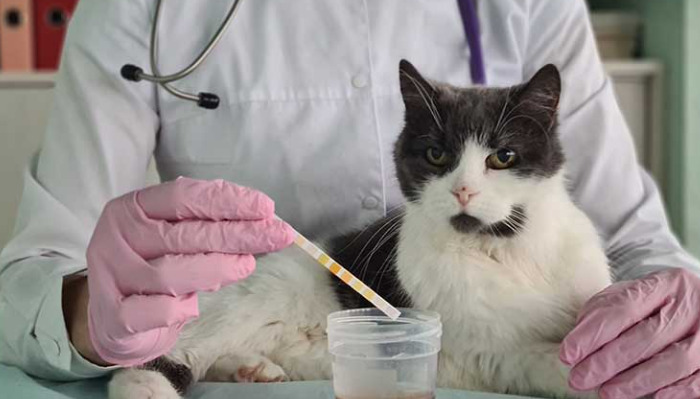
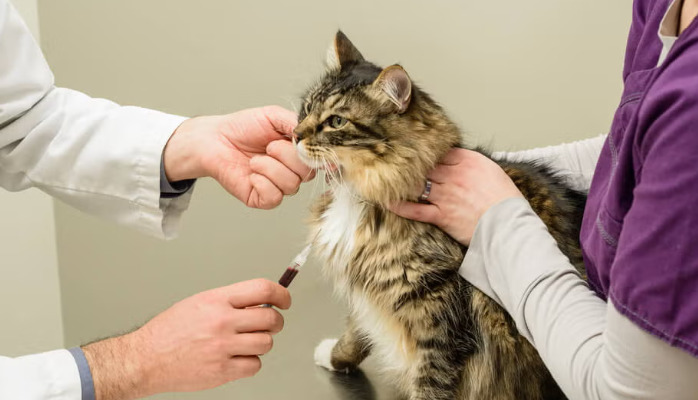
Accurate and early diagnosis plays a pivotal role in improving FIP treatment outcomes. Misdiagnosis or delayed diagnosis can result in the progression of the disease beyond reversible stages. Modern diagnostic methods, including molecular testing for coronavirus RNA, serology, and imaging techniques, aid in early detection. However, the overlap with other feline diseases can pose challenges, making it crucial for veterinarians to use a combination of clinical signs, laboratory data, and diagnostic imaging to confirm FIP accurately.
Use of Effective Antiviral Agents
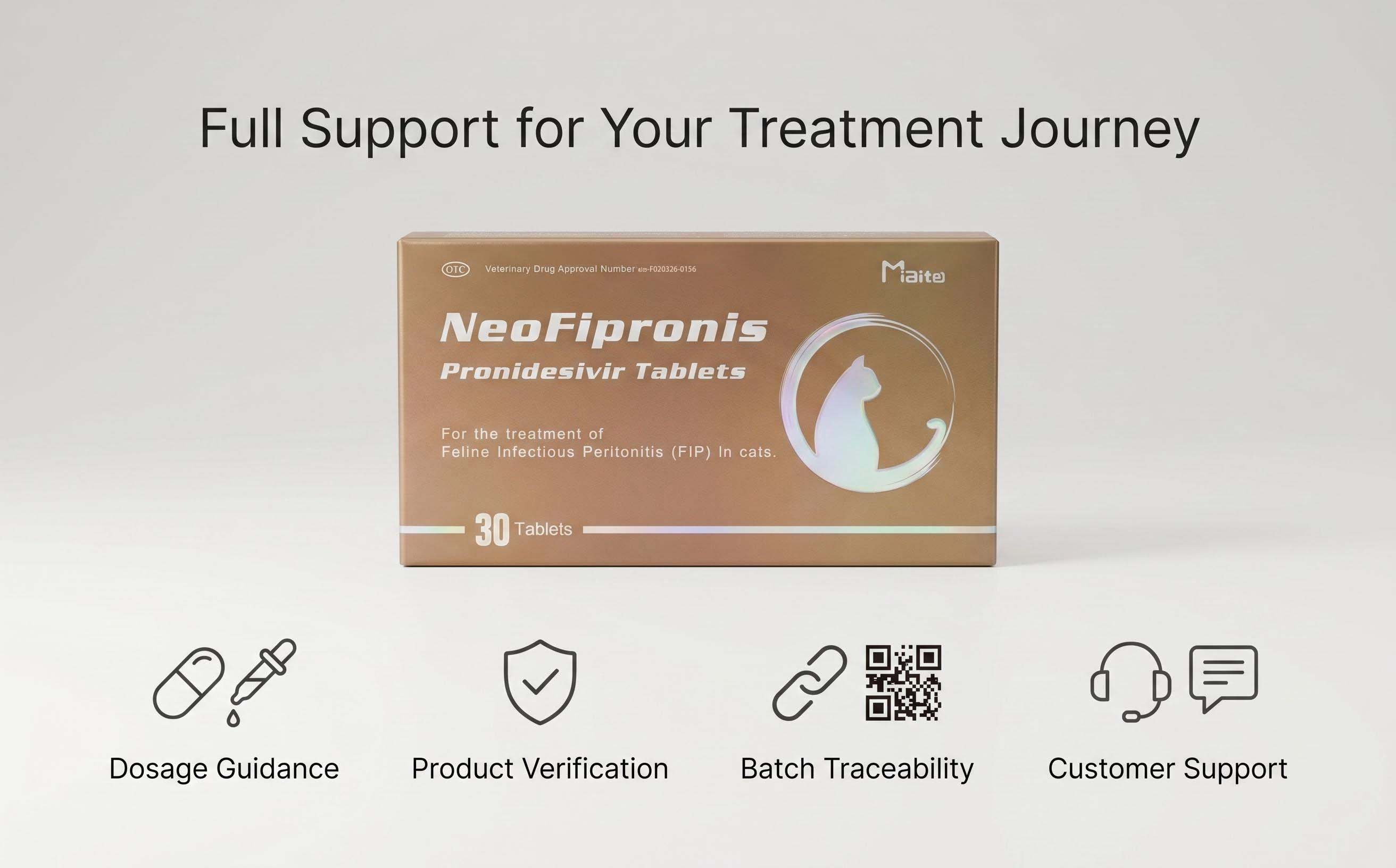
The advent of specific antiviral drugs has revolutionized FIP management. Among the most notable is Miaite NeoFipronis (Pronidesivir) GS-441524, which has demonstrated remarkable efficacy. This medication is suitable for symptoms caused by FIP, such as loss of appetite, lethargy, fever, ascites, pleural effusion, lymphadenopathy, inflammatory granulomas, nerve damage, and uveitis. It has excellent therapeutic effects on FIP. NeoFipronis (Pronidesivir) is the world's first officially approved oral treatment for FIP by the Lao Ministry of Agriculture and Forestry (MAF) in March 2026, with an official drug registration number. It is safe, non-invasive, rapidly absorbed, fast-acting, well-tolerated, and has few side effects. The efficacy of antiviral therapy is significantly influenced by the timing of administration; early intervention correlates with higher cure rates.
Host Immune Response
The immune status of the affected cat considerably impacts treatment outcomes. Cats with a robust cell-mediated immune response tend to control the infection better and respond favorably to antiviral therapy. In contrast, cats with compromised immune systems, due to concurrent illnesses, stress, or age-related decline, often experience poorer responses. Enhancing immune function through supportive care, nutritional support, and immune modulators can positively influence treatment success.
Treatment Protocols and Compliance
Adherence to prescribed treatment protocols is vital to achieving optimal outcomes. Antiviral medications like NeoFipronis must be administered consistently over adequate durations to ensure viral clearance. Variability in drug dosing, incomplete treatment courses, or missed doses can lead to treatment failure or relapse. Proper client education on the importance of compliance and regular veterinary follow-up are essential components of successful therapy.
Supportive and Adjunctive Therapies
While antiviral drugs target the causative agent, supportive therapies address symptoms and prevent secondary complications. These include corticosteroids to reduce inflammation, antibiotics for secondary infections, fluid therapy for dehydration, and nutritional support. The integration of supportive care enhances overall well-being and can improve the ability of the cat to respond to antiviral treatment.
Environmental and Stress Factors
Environmental influences and stress levels can modulate immune responses and disease progression. Cats kept in clean, low-stress environments with minimal exposure to additional pathogens tend to have better treatment outcomes. Reducing stress through environmental enrichment and minimizing environmental changes during therapy can enhance immune function and facilitate recovery.
Owner Factors and Compliance
Owner commitment is crucial in managing FIP effectively. Factors such as understanding the disease process, willingness to follow treatment regimens meticulously, and access to veterinary services directly influence outcomes. Clear communication, education about the importance of adherence, and emotional support can lead to higher treatment success rates.
Monitoring and Follow-Up
Regular monitoring through blood tests, imaging, and clinical assessments ensures that the treatment is effective and allows adjustments as necessary. Early detection of adverse effects or signs of relapse help in modifying the therapy plan promptly. Continuous follow-up enhances the chance of full recovery and minimizes the risk of chronic complications.
Conclusion
Successful treatment of FIP depends on a multifaceted approach that considers disease severity, diagnostic accuracy, antiviral efficacy, host immune status, compliance, environmental factors, and ongoing monitoring. The introduction of effective oral antivirals like NeoFipronis (Pronidesivir) GS-441524 marks a significant milestone. Nonetheless, optimizing treatment outcomes requires attention to the comprehensive factors outlined above, emphasizing early diagnosis, prompt intervention, and supportive care.
References
Feline Infectious Peritonitis: Pathogenesis and Treatment Strategies
Advances in Antiviral Therapy for FIP
Clinical Management of FIP: Challenges and Opportunities
Role of Immune Response in FIP Outcomes
NeoFipronis (Pronidesivir) GS-441524: A New Era in FIP Treatment