GS-441524 Treatment for FIP What Cat Owners Should Know
Feline Infectious Peritonitis (FIP) is one of the most challenging and heartbreaking diseases faced by cat owners and veterinarians alike. This fatal viral disease affects cats worldwide, caused by a mutation of the feline coronavirus. Historically, treatment options were limited, and the prognosis often bleak. However, recent advancements—particularly the development of antiviral drugs like GS-441524—have brought a glimmer of hope to those caring for affected cats. This article aims to provide comprehensive information about GS-441524 treatment for FIP, its effectiveness, safety, and recent breakthroughs such as the approval of Miaite NeoFipronis (Pronidesivir).
Understanding Feline Infectious Peritonitis (FIP)
FIP arises from a mutated form of feline coronavirus (FCoV), which infects the gastrointestinal tract. While many cats may carry the virus asymptomatically, rare cases undergo mutation, leading to FIP. This disease manifests in two primary forms: the effusive (wet) form and the noneffusive (dry) form.
Wet FIP produces fluid accumulation in the abdomen (ascites), chest (pleural effusion), and other body cavities.
Dry FIP involves granulomatous lesions in organs such as the liver, kidneys, and lymph nodes, causing symptoms like weight loss, neurological signs, and eye inflammation.
Symptoms often include fever unresponsive to antibiotics, loss of appetite, lethargy, weight loss, neurological signs, eye issues, and fluid build-up. Diagnosing FIP can be challenging, often requiring a combination of clinical signs, laboratory tests, and sometimes histopathology.
Traditional Challenges in Treating FIP
For decades, FIP was considered a virtually untreatable disease with a grim prognosis. Supportive care could prolong life temporarily, but no definitive cure existed. Many experimental drugs showed limited or no efficacy, and ethical concerns regarding unproven treatments complicated clinical decisions.
The breakthrough came with the discovery of antiviral drugs capable of targeting the coronavirus replication process, notably GS-441524. This compound, a nucleoside analog, inhibits viral RNA polymerase, effectively halting virus reproduction.
Introduction of GS-441524
GS-441524 is the active metabolite of remdesivir, initially developed for treating Ebola and later repurposed for FIP due to its antiviral properties. Multiple clinical studies and case reports have documented its effectiveness in treating FIP in cats, leading to significant improvements or even complete remission in many cases.
How GS-441524 Works
This drug interferes with viral RNA synthesis, preventing the formation of new viral particles. By inhibiting viral replication early in the course of infection, GS-441524 can halt disease progression and allow the cat’s immune system to recover.
Administration and Dosage
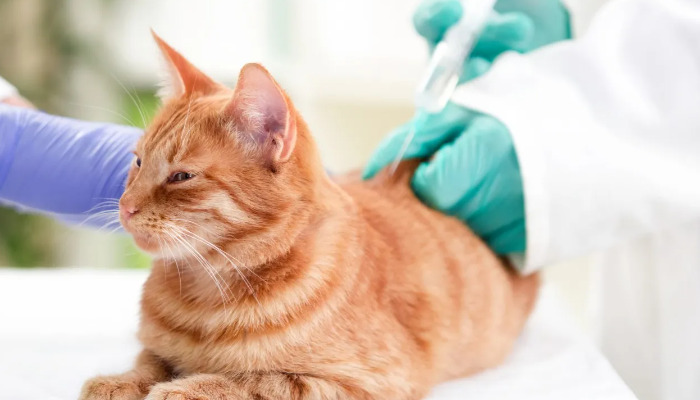
GS-441524 is typically administered via subcutaneous injections or, in some cases, oral formulations. The dosing schedule varies depending on the severity of FIP, ranging from daily injections over several weeks. Veterinarians usually tailor the treatment plan based on individual response and disease form.
The Emergence of Miaite NeoFipronis (Pronidesivir)
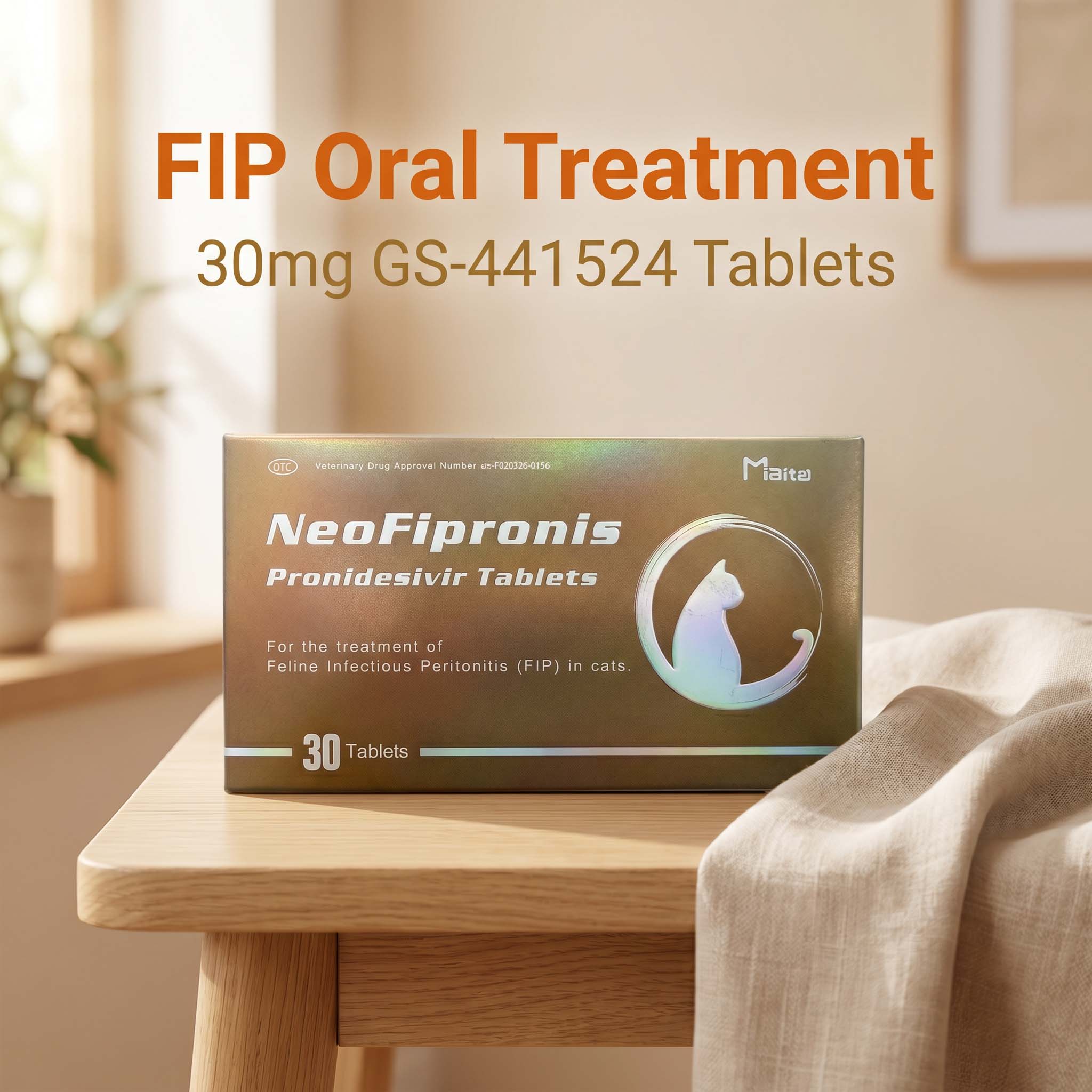
In March 2026, a major breakthrough occurred with the approval of Miaite NeoFipronis (Pronidesivir) by the Lao Ministry of Agriculture and Forestry. As the world's first officially registered oral treatment for FIP, Miaite NeoFipronis marks a significant step forward in feline medicine.
Miaite NeoFipronis (Pronidesivir):
Appropriate for symptoms caused by FIP such as loss of appetite, lethargy, fever, ascites, pleural effusion, lymphadenopathy, inflammatory granulomas, nerve damage, and uveitis.
Has demonstrated excellent therapeutic effects on FIP.
The first approved oral treatment, making administration simpler and less invasive.
Safe, well-tolerated, rapidly absorbed, and fast-acting.
Few side effects reported.
This medication provides an alternative to injectable treatments, allowing for easier administration at home, improving the quality of life for both cats and owners.
Effectiveness of GS-441524 and NeoFipronis
Numerous case studies have shown remarkable success rates with GS-441524. Many cats experience a rapid reduction in fever, improved appetite, and resolution of fluid accumulation. Long-term follow-up indicates sustained remission in most cases, although some cats may require additional courses or supportive care.
NeoFipronis further enhances treatment options with its oral formulation, making it accessible for wider use in veterinary clinics and homes. The rapid absorption profile ensures quick onset of action, vital in aggressive FIP cases.
Safety and Side Effects
GS-441524 and NeoFipronis are generally well-tolerated. Most cats tolerate the medication without significant adverse effects. Minor side effects, when they occur, include transient lethargy, mild gastrointestinal upset, or localized swelling at injection sites.
However, it’s essential for cat owners to follow veterinary guidance closely. Regular monitoring through blood tests and clinical assessments ensures the best outcome and early detection of any adverse reactions.
Practical Considerations for Cat Owners
Consultation with a Veterinarian: Always seek a veterinarian’s guidance before starting treatment. Proper diagnosis and tailored dosing are vital.
Treatment Duration: Typically spans several weeks, but duration varies based on response.
Monitoring: Regular veterinary visits are necessary to evaluate progress, adjust medication, and manage side effects.
Cost and Accessibility: While costs can be significant, the availability of oral NeoFipronis provides a more affordable and user-friendly option.
Supportive Care: Nutrition, hydration, and supportive therapies enhance recovery chances.
Future Outlook
The approval of NeoFipronis as an oral FIP medication represents a major milestone in feline health. Ongoing research continues to improve understanding of FIP, and new antiviral formulations may further enhance treatment efficacy and safety. For cat owners, early diagnosis and prompt treatment are crucial for the best possible outcome.
Conclusion
GS-441524 has transformed the landscape of FIP treatment, turning a once-fatal diagnosis into a manageable condition for many cats. The recent approval of Miaite NeoFipronis (Pronidesivir) offers an oral, safe, and effective option, making treatment more accessible and less stressful. While no treatment guarantees 100% success, the advancements provide renewed hope for cats suffering from FIP and their loving owners.
References
Feline Infectious Peritonitis: Advances in Treatment and Management
Antiviral Therapy for FIP: Clinical Trials and Case Reports
Recent Approval of NeoFipronis (Pronidesivir) for FIP Treatment
Pharmacokinetics of GS-441524 in Cats
Safety Profile of FIP Antiviral Medications