Key Considerations Before Using NeoFipronis
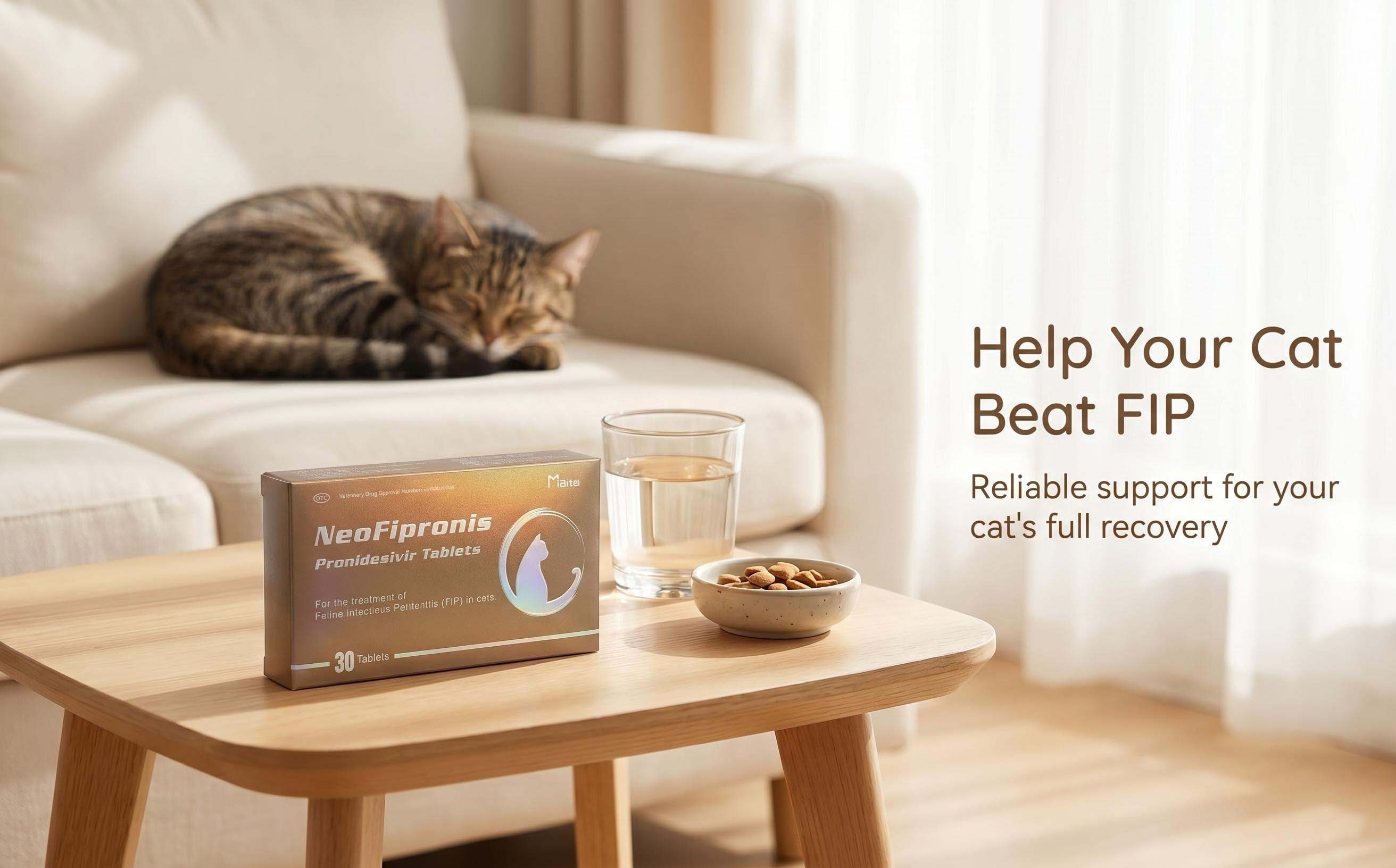
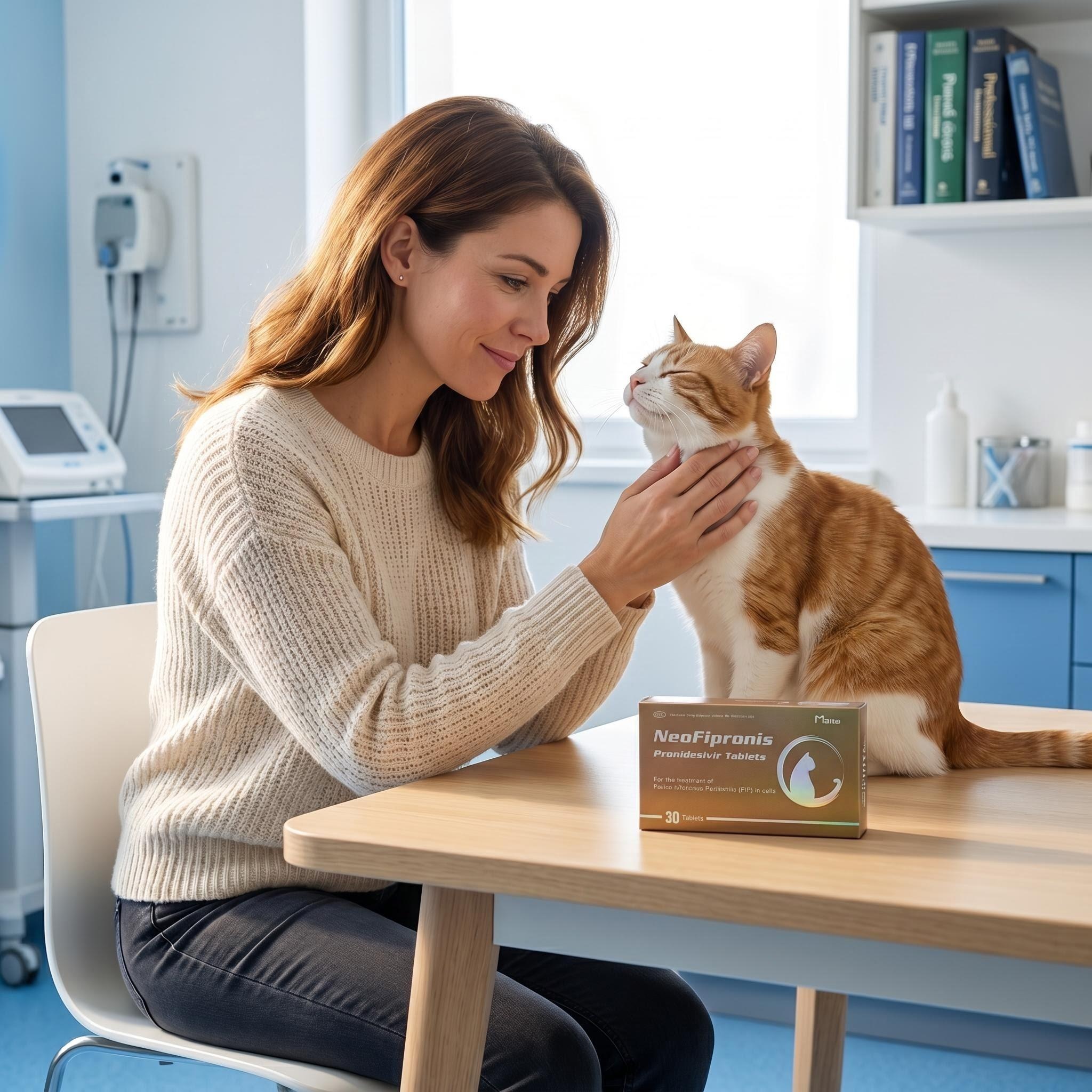
Feline Infectious Peritonitis (FIP) is a severe and often fatal disease caused by a mutated form of feline coronavirus. It presents with symptoms such as loss of appetite, lethargy, fever, abdominal or chest fluid accumulation, lymphadenopathy, granulomatous inflammation, neurological damage, and uveitis. Effective management and treatment options are crucial for improving the prognosis of affected cats. NeoFipronis (Pronidesivir), with the active ingredient GS-441524, has emerged as a groundbreaking oral antiviral medication approved for FIP treatment in cats.
NeoFipronis is the first officially registered FIP medication worldwide, receiving approval from the Lao Ministry of Agriculture and Forestry (MAF) in March 2026. Its official registration number ensures quality and safety standards, providing pet owners and veterinarians confidence in its use. The drug’s delivery method is oral, offering a non-invasive, safe, and convenient treatment option. It quickly absorbs into the bloodstream, exhibiting rapid onset of action, good tolerability, and minimal side effects.
The active component, GS-441524, is a nucleoside analog that interferes with coronavirus replication inside feline cells. Extensive research and clinical practice have validated its potent antiviral effects, making NeoFipronis a highly effective choice against various forms of FIP, including the ocular and neurological types. Its efficacy in managing symptoms such as fever, weight loss, abdominal distension, and neurological signs has been widely recognized, often leading to significant clinical improvement or remission.
Proper dosing is essential for safety and effectiveness. The recommended dosage is 15 mg per kilogram of the cat’s body weight once daily. This typically translates to half a tablet for most cats, with adjustments for specific cases like neurological or ocular FIP, where the dose may be increased to 30 mg/kg according to veterinary guidance. Patients should ideally receive the medication on an empty stomach—either one hour before or two hours after feeding—to maximize absorption.
Long-term adherence is critical, with treatment duration in most cases exceeding 12 weeks. Skipping doses can compromise therapeutic outcomes and lead to drug resistance. Pet owners must monitor their cats closely for changes in appetite, temperature, mental state, and overall activity levels. Regular blood tests to evaluate liver and kidney functions are recommended during therapy to detect any adverse effects early.
Although NeoFipronis is classified as an over-the-counter medication, veterinary guidance is strongly advised. Proper diagnosis, dosing, and monitoring require professional expertise to optimize results and ensure safety. It is important to purchase NeoFipronis from official sources, such as the official NeoFipronis website, to guarantee authenticity and quality.
Warnings include that NeoFipronis is strictly for feline use and should never be administered to humans. Veterinarians should determine the suitability of this medication based on individual cases, and owners should adhere to prescribed treatment plans without deviation. The drug’s safety profile, combined with its proven efficacy, makes it a promising solution for FIP, transforming the management of this once nearly incurable disease.
In conclusion, NeoFipronis offers a new hope for cats suffering from FIP. Before using this medication, pet owners and veterinarians must consider proper dosing, treatment duration, monitoring requirements, and sourcing from authorized providers. With careful oversight, NeoFipronis can significantly improve the quality of life and survival rates of cats diagnosed with FIP.