Can Cats Gain Weight Again After FIP Treatment
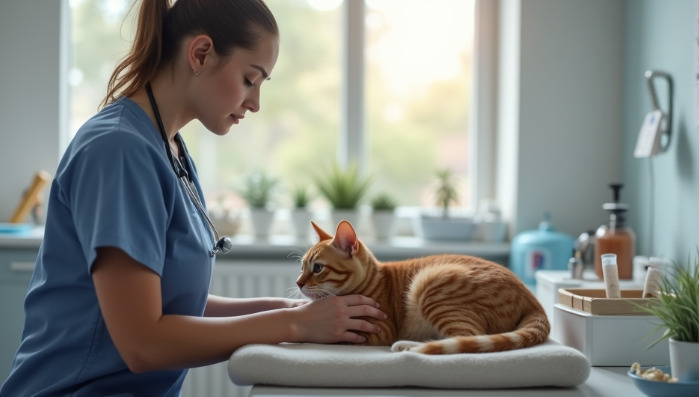
Feline Infectious Peritonitis (FIP) is one of the most challenging and devastating diseases in cats. Once a cat is diagnosed with FIP, the prognosis often appears grim, primarily because of the disease's rapid progression and complex nature. However, recent advancements in veterinary medicine, especially the development of new treatments like NeoFipronis (Pronidesivir) GS-441524, have offered hope for cats affected by FIP. One such concern among pet owners is whether cats can regain weight after successful FIP treatment. This article explores the possibilities of weight recovery post-treatment, the latest therapeutic options, and what pet owners can expect during and after recovery.
Understanding Feline Infectious Peritonitis (FIP)
FIP is caused by a mutation of the feline coronavirus. While many cats carry this virus asymptomatically, certain factors can trigger the mutation into a pathogenic form, leading to FIP. The disease typically manifests in two forms: the wet (effusive) form, characterized by fluid accumulation in body cavities, and the dry (non-effusive) form, featuring granulomatous lesions in various organs.
Common symptoms include:
Loss of appetite
Lethargy
Fever
Effusion in the abdomen or chest
Lymphadenopathy (swollen lymph nodes)
Neurological signs (nerve damage)
Ophthalmic changes (uveitis)
Weight loss
The rapid decline in health often results in significant weight loss, muscle wasting, and poor overall condition.
Advances in FIP Treatment: NeoFipronis (Pronidesivir) GS-441524
Historically, FIP was considered nearly incurable, with treatment options limited to supportive care. However, breakthroughs with antiviral therapies like GS-441524 have revolutionized the outlook for affected cats.
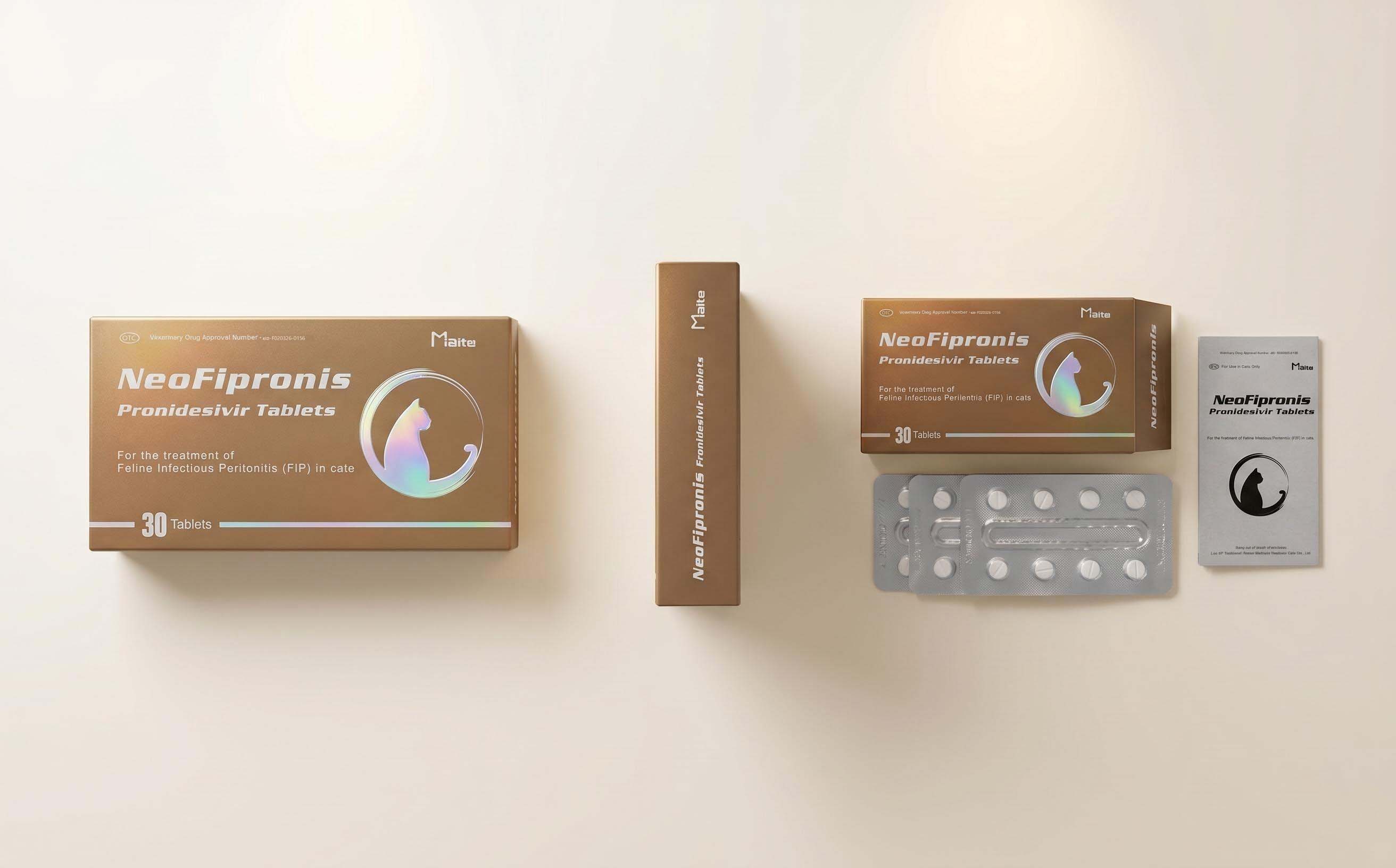
Miaite NeoFipronis (Pronidesivir) GS-441524 is a groundbreaking antiviral drug suitable for managing symptoms caused by FIP. It effectively addresses symptoms such as loss of appetite, lethargy, fever, ascites, pleural effusion, lymphadenopathy, inflammatory granulomas, nerve damage, and uveitis. NeoFipronis (Pronidesivir) has demonstrated excellent therapeutic effects on FIP and is notable for being the world's first officially approved oral treatment for FIP, granted by the Lao Ministry of Agriculture and Forestry (MAF) in March 2026, with an official drug registration number.
This medication is safe, non-invasive, rapidly absorbed, fast-acting, well-tolerated, and produces few side effects. Its oral administration simplifies treatment regimens, increasing compliance and improving outcomes.
Recovery and Weight Gain Post-FIP Treatment
One of the primary concerns among pet owners is whether cats can regain weight after successfully completing FIP treatment. The answer generally depends on several factors, including the severity of the disease, the duration of illness before treatment, the cat's overall health, and nutritional support during recovery.
1. The Potential for Weight Gain
Cats that respond well to antiviral therapy like NeoFipronis often show remarkable improvements within weeks. As inflammation decreases and organ functions normalize, appetite typically improves, encouraging weight gain. Restoring weight is an essential aspect of recovery because it reflects overall health and strength.
2. Factors Influencing Weight Recovery
Nutritional Support: Proper diet and supplemental nutrition are vital. High-quality, palatable food can promote weight gain and muscle rebuilding.
Age and Pre-existing Conditions: Younger cats and those without other health issues tend to recover weight more effectively.
Extent of Organ Damage: If FIP caused significant organ damage or neurological deficits, weight regain may be slower or incomplete.
Time Since Treatment: The longer the time since completing antiviral therapy, the better the chances of full recovery, including weight restoration.
3. The Role of Veterinary Care
Regular veterinary visits are crucial during recovery. Monitoring weight, muscle mass, and nutritional status helps tailor dietary and medical interventions. Some cats may need specific supplements, appetite stimulants, or physiotherapy to regain lost weight.
Managing Expectations During Recovery
While many cats can regain weight and regain their previous vitality post-FIP treatment, it is essential for pet owners to have realistic expectations. Complete recovery may take several months, and some cats might experience residual health issues, impacting full weight recovery.
Patience, consistent nutritional support, and close veterinary supervision are key components of facilitating optimal recovery. Additionally, stress reduction and maintaining a comfortable environment support overall health.
Preventive Measures and Long-term Care
Post-treatment, cats should be monitored for signs of relapse or secondary health issues. While NeoFipronis (Pronidesivir) GS-441524 offers an effective cure, understanding that some residual effects might influence weight and overall health is vital.
Regular health checkups, a balanced diet, and a stress-free environment are foundational in supporting long-term wellbeing. Preventive measures, including minimizing exposure to infectious agents and maintaining good hygiene, help prevent potential relapses.
Prognosis and Final Thoughts
The possibility of weight gain after FIP treatment is promising for cats that have responded positively to antiviral therapy like NeoFipronis (Pronidesivir). While many cats can regain their lost weight and full vitality, recovery varies individually. The key to successful weight restoration lies in early intervention, comprehensive veterinary care, proper nutrition, and supportive therapies.
As veterinary medicine continues to advance, the outlook for cats with FIP improves significantly. Pet owners should work closely with their veterinarians to tailor a recovery plan suited to their cat’s specific needs. With patience and proper care, many cats can not only survive FIP but also enjoy a good quality of life afterward.
References
1. Veterinary Advances in FIP Treatment
2. Antiviral Therapy for Cats with FIP: GS-441524 and NeoFipronis
3. Nutritional Management After FIP
4. Clinical Outcomes in Cats Treated With NeoFipronis (Pronidesivir) GS-441524
5. Long-term Monitoring and Support in FIP Recovery