Practical Daily Care Tips to Reduce the Risk of FIP in Cats
Feline Infectious Peritonitis (FIP) remains one of the most challenging and concerning diseases for cat owners, veterinarians, and breeders worldwide. Arising from a mutation of the common feline coronavirus (FCoV), FIP can progress rapidly and is often fatal, especially in young and immunocompromised cats. The disease can manifest in two forms: the effusive (wet) type and the non-effusive (dry) type, each with specific symptoms and challenges to manage. As scientific advancements continue to shed light on the nature of FIP, practical daily care and management strategies become essential for cat owners who aim to protect their feline companions. This article explores evidence-based daily care tips, environmental management, hygiene protocols, nutritional aspects, stress reduction tactics, and early signs monitoring techniques that can tangibly reduce the risk of FIP in both individual cats and multi-cat households.
Understanding the Basics of FIP and Feline Coronavirus
The core precursor of FIP is the feline coronavirus, which is prevalent among cats, especially those in densely populated environments like catteries, shelters, and multi-cat homes. Most cats infected with FCoV display only mild gastrointestinal symptoms, but in a small percentage, the virus mutates into the FIP virus. Transmission occurs primarily via the fecal-oral route, and cats can shed the virus intermittently, even when asymptomatic. Recognizing the ease of transmission is fundamental to creating effective prevention and daily care strategies.
Stress Management to Support Immune Resilience
A cat’s immune system is crucial in determining whether a FCoV infection will evolve into FIP. Chronic or acute stress can compromise immune defenses, increasing susceptibility to disease. Owners should maintain stable routines, provide safe hiding spots, and avoid abrupt environmental changes. Strategies include:
Creating designated quiet zones away from high-traffic areas.
Using pheromone diffusers to reduce anxiety.
Ensuring each cat has their own litter box, feeding dish, and resting spot.
Limiting simultaneous introductions of new pets or people to the home.
Scheduling regular play sessions with interactive toys to mentally and physically engage the cat.
Routine and environmental predictability help foster a sense of safety and minimize chronic stress, building a natural barrier to the development of FIP.
Hygiene Practices: Cleaning and Litter Box Management
Since FCoV is shed primarily via feces, maintaining strict hygiene is paramount. Effective strategies for litter box hygiene and general cleanliness include:
Daily scooping of all litter boxes to minimize viral load.
Weekly thorough washing of litter boxes with hot water and mild, unscented detergent, avoiding strong chemicals that can irritate cats.
Replacing litter entirely when deep cleaning boxes.
Providing one litter box per cat, plus one additional box.
Placing litter boxes in low-stress, accessible areas, away from food and water stations.
Regular vacuuming and mopping of areas frequented by cats to remove particles and potential viral contaminants.
Washing cat bedding and toys at least weekly, or more often for households with kittens or immune-compromised cats.
Disinfecting surfaces with pet-safe, veterinary-grade disinfectants works well, but always rinse thoroughly to remove any chemical residues.
Environmental Control and Group Management
Overcrowding is a significant risk factor for FIP occurrence. Group management involves:
Limiting the number of cats per household to reduce contact and social stress.
Segregating litters and age groups, especially keeping kittens from older, carrier cats when possible.
Avoiding mixing cats from different origins unless health screening and quarantining have been conducted.
Utilizing vertical space with cat trees and shelves to expand territory and reduce direct feline confrontation.
Implementing quarantine protocols for new arrivals (2–4 weeks) to monitor for viral shedding and other health issues.
Ensuring proper ventilation and regular cleaning of living areas to reduce viral persistence in the environment.
In breeding or rescue environments, cohorting cats by age, health status, or exposure history may lower FCoV transmission rates and subsequent risk of FIP development.
Nutritional Support to Enhance Overall Health
Nutrition plays a key role in maintaining a strong immune system. Recommendations include:
Feeding a balanced, species-appropriate diet rich in high-quality protein, essential fatty acids, and micronutrients.
Using commercially formulated diets that meet or exceed AAFCO standards, or working with a veterinary nutritionist if home-prepared diets are preferred.
Providing fresh water daily; cats benefit from multiple water bowls and fountains to encourage hydration.
Avoiding sudden diet changes that can lead to gastrointestinal upset and increase susceptibility to infections.
Supplementing with immune-supportive additives, such as omega-3 fatty acids (from fish oil) and probiotics, after discussing these options with a veterinarian.
Obesity and malnutrition both lower immune resilience, so maintain regular weight checks and veterinary checkups for nutritional guidance.
Early Disease Detection and Veterinary Partnership
Recognizing the early, subtle signs of FIP dramatically increases the chance for supportive care and access to new treatments. Owners should be familiar with symptoms like:
Persistent fever unresponsive to antibiotics.
Lethargy, inappetence, and unexplained weight loss.
Abdominal distension, breathing difficulties, or neurological changes.
Jaundice or visible changes in the color of gums and eyes.
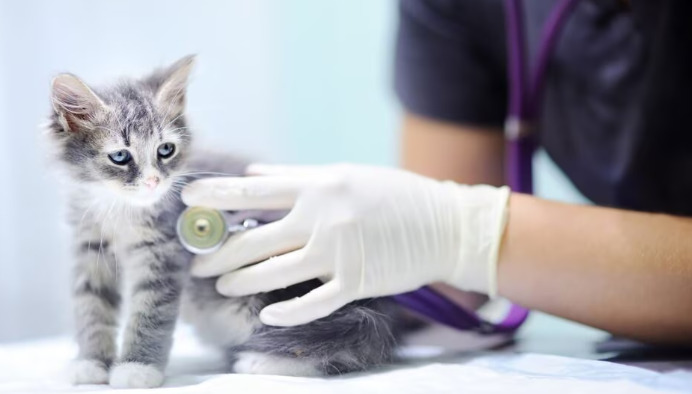
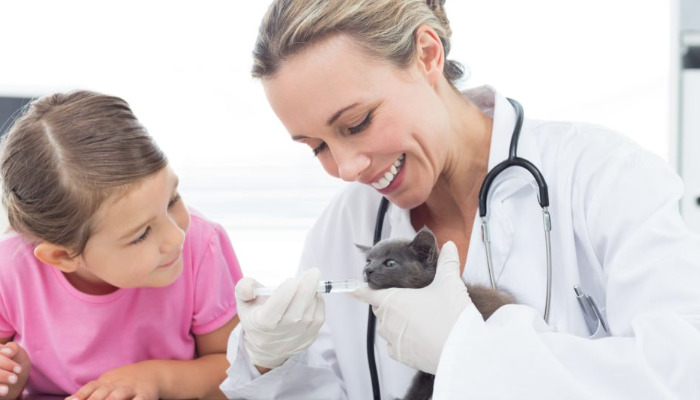
Routine wellness exams are critical, especially for high-risk cats (kittens, purebreds, multi-cat house residents). Prompt diagnostic testing—blood work, imaging, and specific coronavirus mutation detection—facilitates early intervention. Building a trusting relationship with a feline-savvy veterinarian ensures informed decision-making and access to emerging treatments.
Safe Socialization and Minimizing High-Risk Exposures
Cats thrive on social interaction, but exposure to unfamiliar felines or environments increases FCoV transmission risk. Advice includes:
Scheduling playdates and socialization only with known, healthy cats.
Avoiding communal feeding stations or litter pans in shared outdoor cat colonies.
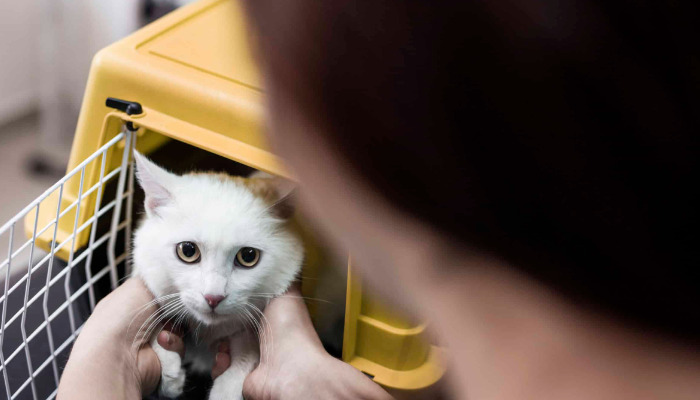
Bringing travel carriers and bedding when transporting cats to clinics or boarding facilities.
Disinfecting and sanitizing carriers, food bowls, and grooming tools before and after travel or visits.
Using secure, controlled introductions, with limited direct contact if adding new cats.
In shelter or boarding situations, inquire about viral screening protocols, hygiene routine, and isolation procedures for new arrivals.
Kitten Care and Weaning Protocols
Kittens are most susceptible to FIP due to underdeveloped immune systems and higher rates of coronavirus shedding. Special attention includes:
Practicing cautious weaning schedules, gradually reducing reliance on the queen to minimize stress.
Delaying group play with other litters until proper quarantine and health checks are performed.
Gently handling kittens to foster confidence without overwhelming them; monitor for over-handling or rough play.
Ensuring lactating queens remain healthy, immune-supported, and isolated from potential carriers during key nursing periods.
Reducing crowding in kitten rooms, maintaining strict hygiene, and monitoring for gastrointestinal changes are crucial.
Vaccination and Immunoprophylaxis
While commercially available FIP vaccines exist, their efficacy remains limited and controversial. Routine feline vaccinations for other infectious diseases remain important to reduce overall illness stress:
Keeping up-to-date with core vaccinations (rabies, feline distemper, calicivirus, herpesvirus).
Consulting with a veterinarian about the risk versus benefit of available FIP vaccines, especially in high-risk environments.
Supporting a balanced immune system through non-vaccine means is still the preferred prevention strategy for most cats.
Genetics and Breeder Responsibility
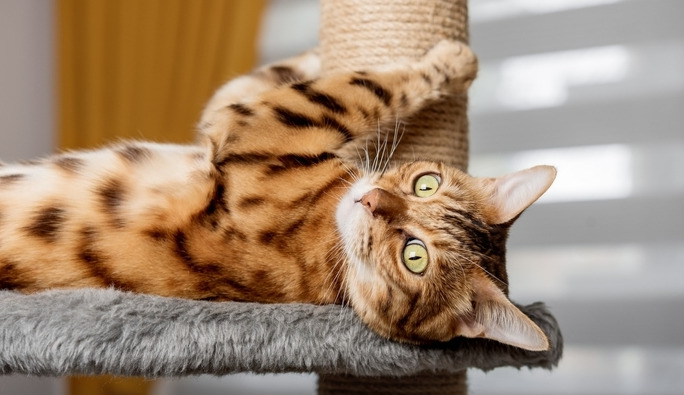
Certain breeds (Bengal, Birman, Ragdoll, Abyssinian) appear more susceptible to FIP due to genetic and immunological factors. Recommendations for breeders:
Using genetic screening tools to select cats with lower known risk.
Avoiding repeated breeding from lines associated with FIP outbreaks.
Keeping pedigree records and communicating openly with adopters about any known health risks.
Partnering with veterinary researchers for ongoing studies on FIP prevention and genetic resistance.
Responsible breeding not only minimizes disease risk for individual cats but raises the health standards for future generations.
Psychological Wellbeing and Enrichment
Mental stimulation through environmental enrichment prevents boredom, depression, and stress—factors that can compromise immunity:
Providing scratching posts, climbing structures, and window perches.
Rotating toys regularly and including puzzle feeders to encourage natural hunting behaviors.
Engaging in gentle grooming sessions to reinforce human bonding.
Monitoring the mental health of each cat, especially after a loss in a multi-cat home or major lifestyle changes, helps catch stress-induced health changes early.
Monitoring and Record Keeping
Accurate tracking of each cat’s health status, dietary habits, weight, and daily behavior provides invaluable data for early FIP detection and prevention:
Keeping a logbook with dates for vaccinations, wellness checks, weight changes, and notable symptoms.
Photographing any physical changes and sharing these with a veterinarian as needed.
Tracking litter box usage to spot diarrhea, constipation, or avoidance.
Sharing records with pet-sitters or boarding facilities during travel.
Good records empower quick responses to health changes and support tailored veterinary care.
Community Efforts and Education
Cat owners benefit from staying informed and collaborating with others in the feline community:
Participating in local cat clubs and breeder groups for updated health guidelines.
Attending online webinars, veterinary seminars, and reading current literature on FIP research.
Promoting awareness about daily care practices and risk factors to new adopters and multi-cat households.
Education fosters collective improvement and wider adoption of prevention protocols.
Conclusion
Elevating daily care in ways that target stress reduction, hygiene, nutrition, and disease monitoring plays a crucial role in reducing FIP risks for both individual cats and feline communities. Each incremental action—from routine cleaning to thoughtful socialization—supports immune health and minimizes the chances of FCoV mutation into lethal FIP. Collaboration with veterinarians, breeders, and cat enthusiasts sustains high standards and advances prevention across the pet industry.
References
1. Pedersen, N. C. (2014). "An update on feline infectious peritonitis: diagnostics and therapeutics." Veterinary Journal, 201(2), 133–141.
2. Addie, D. D., et al. (2020). "Feline coronavirus: What every cat owner should know." Journal of Feline Medicine and Surgery, 22(5), 421–436.
3. Hartmann, K. (2005). "Feline infectious peritonitis." Veterinary Clinics of North America: Small Animal Practice, 35(1), 39–79.
4. Felten, S., & Hartmann, K. (2019). "Diagnosis of feline infectious peritonitis: A review of the current literature." Viruses, 11(11), 1068.
5. American Association of Feline Practitioners (AAFP). "Feline Infectious Peritonitis Guidelines."
6. U.S. Food & Drug Administration (FDA). "Pet Food Labels – What You Should Know."
7. Norris, J. M., et al. (2005). "Feline infectious peritonitis: The role of the feline coronavirus in disease pathogenesis." Feline Practice, 33(3), 39–49.
8. Kipar, A., & Meli, M. L. (2014). "Feline infectious peritonitis: still an enigma?" Veterinary Pathology, 51(2), 505–526.
9. Cave, T. A., et al. (2004). "Risk factors for feline coronavirus seropositivity in cats." Veterinary Record, 154(23), 725–729.
10. Levy, J. K., & Crawford, P. C. (2005). "Feline infectious peritonitis: New approaches to diagnosis and treatment." Compendium, 27(9), 704–714.