Is wet feline infectious peritonitis (FIP) contagious to other cats
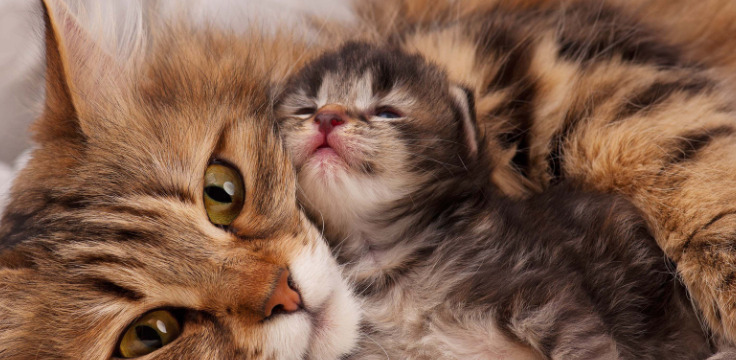
Feline Infectious Peritonitis (FIP) is a complex and often fatal disease affecting cats worldwide. It is caused by a mutated form of the feline coronavirus (FCoV), which is common in multi-cat environments. The wet form of FIP, characterized by fluid accumulation within body cavities, raises questions about its contagious nature. Here’s a detailed exploration of whether wet FIP can spread to other cats.
Understanding the Feline Coronavirus (FCoV)
FIP stems from a mutation of the feline coronavirus, a virus that is prevalent among cats, especially those living in crowded or stressful conditions. FCoV is primarily transmitted through fecal matter, contaminated litter, and sometimes saliva or other bodily secretions. The virus tends to infect the intestinal tract initially, often causing mild symptoms or subclinical infections, but it can mutate into a more dangerous form—leading to FIP—in some cats.
Preventing primary infection with FCoV is crucial because only a small percentage of infected cats develop FIP. Typically, the infection spreads among cats living closely together, such as in shelters or multi-cat households. The presence of the virus in the environment, rather than the disease itself, underscores the importance of hygiene and sanitation.
Is Wet FIP Contagious?
The contagiousness of the wet form of FIP is a nuanced issue. Unlike many contagious diseases, FIP’s transmission dynamics do not follow straightforward patterns. While FCoV is contagious, the disease Manifestation of FIP, including the wet form, is generally considered non-contagious. Key points include:
FIP development requires mutation: Not all cats infected with FCoV develop FIP. The transition from a benign intestinal virus to pathogenic FIP involves specific genetic mutations. These mutations happen within an individual cat, making the disease’s progression more of a personal mutation than a contagious event.
Lack of evidence for horizontal transmission of FIP: Multiple studies have indicated that the actual FIP disease, especially the wet form, rarely spreads directly from cat to cat. Instead, the primary concern is the spread of FCoV, which can be common in multi-cat environments, with only a small fraction of infected cats subsequently developing FIP.
Environmental stability of the virus is limited: The mutated form causing FIP does not survive well outside the host. The virus’s environmental stability is poor, reducing the risk of indirect transmission through contaminated surfaces or objects.
Transmission Pathways and Risks
While the wet FIP itself isn't considered directly contagious, the underlying FCoV is. Therefore, managing FCoV spread can indirectly impact the incidence of FIP. The possible pathways include:
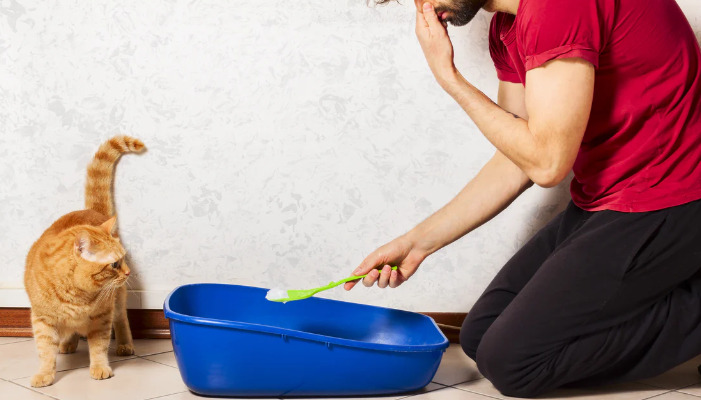
Feco-oral route: Most transmission occurs via infected feces. Cats ingest the virus while grooming or through contaminated food and water supplies.
Saliva and other secretions: Less frequently, the virus can spread through salivary contact, such as mutual grooming or shared food bowls.
Environmental contamination: Although environmental survival of mutated FIP-causing virus is limited, contaminated bedding, litter boxes, or surfaces can serve as foci for FCoV transmission.
Preventive Measures
Strategies to minimize FCoV infections, and thus reduce FIP risk, include:
Hygiene practices: Regular cleaning of litter boxes, bedding, and feeding areas reduces viral load.
Reducing stress: Stress weakens immune defenses, making cats more susceptible to FIP development after infection with FCoV.
Limiting exposure: Isolating infected cats or reducing overcrowding can lower the overall infection pressure in multi-cat environments.
Breeding considerations: Selecting for cats with genetic resistance to FCoV mutation or FIP development can be a long-term strategy.
Current Research and Controversies
Recent advances have introduced antiviral drugs—such as GS-441524—that show promise in treating FIP, including the wet form. However, the understanding about transmission remains pivotal, especially in the context of controlling outbreaks. Ongoing research continues to explore whether certain strains of FCoV are more likely to mutate into the pathogenic form, and how environmental factors influence this process.
Given the current evidence, it appears that the wet form of FIP does not readily transmit from cat to cat. Instead, infection and subsequent disease development are largely dependent on individual mutation events following initial exposure to the feline coronavirus.
Unique Perspective
Some veterinary experts propose re-thinking the categorization of FIP as strictly non-contagious, emphasizing that the disease’s apparent rare transmission may be linked to shared exposure within high-density environments rather than direct cat-to-cat infection of the mutated virus. This perspective underscores the importance of environmental management and vaccination strategies aimed at controlling FCoV prevalence, which, in turn, may reduce the incidence of FIP. Innovations in genomic surveillance of FCoV strains might soon illuminate which viral variants are more prone to mutate into the pathogenic form, offering a new angle for disease prevention.
In Conclusion
While the underlying feline coronavirus is contagious among cats, the wet form of FIP itself is generally not considered contagious. Its development hinges on stochastic genetic mutations within an individual cat after infection with FCoV. Therefore, controlling FCoV transmission remains the most effective method to reduce FIP cases. Recognizing the subtlety of FIP's contagiousness helps cat owners and veterinarians focus on environmental management, hygiene, and early detection to protect feline health.