Do Dry FIP Symptoms Progress More Slowly
Feline Infectious Peritonitis (FIP) is a life-threatening disease caused by a mutation of the feline coronavirus (FCoV). It primarily affects cats in multi-cat environments, such as shelters or catteries. FIP manifests mainly in two forms: the wet (effusive) form and the dry (non-effusive) form. Understanding how these forms differ in symptom progression is vital for early diagnosis and management.
Overview of FIP and Its Forms
FIP results from an abnormal immune response where the feline coronavirus mutates to invade macrophages, leading to widespread inflammation. The wet form is characterized by accumulation of fluid in body cavities like the abdomen or chest, causing distension and breathing difficulties. Conversely, the dry form involves granulomatous lesions in organs such as the kidneys, liver, or brain, without significant fluid build-up. Recognizing these distinctions is crucial because they influence how rapidly symptoms develop and progress.
Symptom Progression in Wet FIP
The wet form tends to progress rapidly, often over a period of days to a few weeks. Cats with wet FIP may suddenly develop symptoms like abdominal distension, lethargy, inappetence, fever, and weight loss. Clinically, these signs are often pronounced early on, prompting urgent veterinary attention. The rapid accumulation of fluid in body cavities not only causes discomfort but also leads to quick deterioration of the cat's overall health status.
Symptom Progression in Dry FIP
In contrast, dry FIP generally progresses more slowly. Its symptoms are more insidious, developing over weeks or even months. Cats with dry FIP may initially show subtle signs like mild lethargy, weight loss, or ocular or neurological abnormalities, depending on the affected organs. These symptoms often fluctuate, making early detection more challenging. The slow progression is partly due to the granulomatous nature of the lesions, which develop gradually rather than causing immediate, noticeable fluid accumulation.
Why Does Progression Differ?
The fundamental difference in progression between dry and wet FIP stems from their underlying pathophysiology. The wet form results from a severe inflammatory response that causes vascular leakage and fluid buildup. This process is rapid once the immune system responds aggressively. Conversely, the dry form involves granuloma formation—a slow and organized immune response—leading to gradual tissue damage without immediate fluid accumulation. Consequently, clinical signs appear more subtly and evolve over a longer period.
Diagnostic Challenges
Because dry FIP develops gradually, its early symptoms can mimic other chronic illnesses such as lymphoma or chronic kidney disease. Blood tests, ultrasound, and laboratory analysis of affected tissues tend to reveal granulomatous inflammation, but definitive diagnosis may be complicated. The slow progression often delays diagnosis, potentially reducing treatment options once the disease manifests fully.
Implications for Treatment and Management
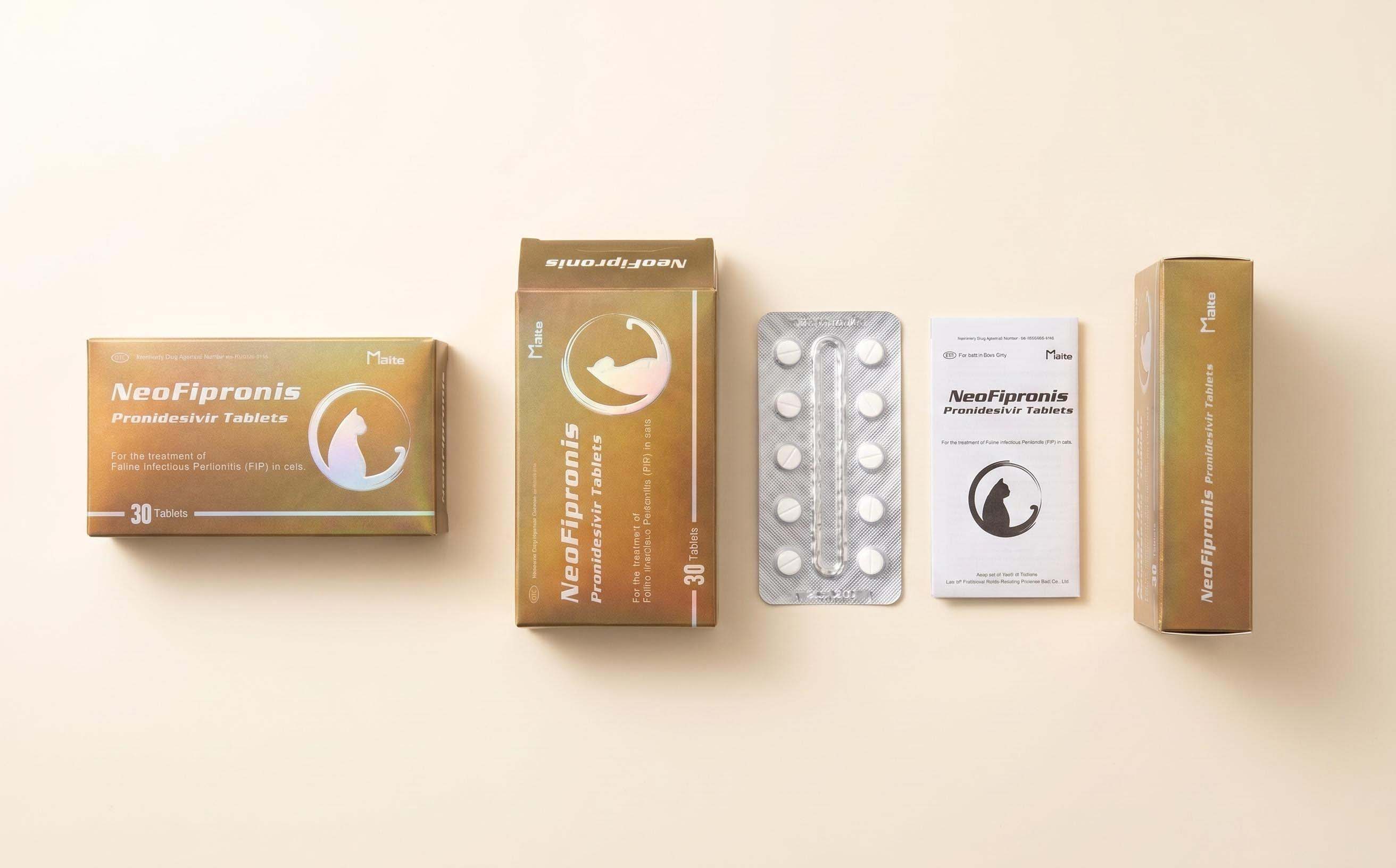
Currently, FIP remains incurable, though recent advances have seen the development of antiviral therapies that may improve prognosis. Recognizing that dry FIP progresses more slowly emphasizes the importance of regular veterinary check-ups for at-risk cats. Early detection, even when symptoms are mild, can improve quality of life and provide better palliative care options. Conversely, the rapid decline associated with wet FIP necessitates swift intervention.
Conclusion
The pace at which FIP symptoms progress depends largely on the disease form. Dry FIP tends to progress more slowly, often unfolding over months with subtler clinical signs, whereas wet FIP advances swiftly, with more overt symptoms appearing within days to weeks. Awareness of these differences enables veterinarians and cat owners to recognize early signs of the disease, potentially improving management strategies in affected cats. Continued research into FIP's pathology and emerging treatments offers hope for better outcomes in the future.
References
1. Pedersen, J. C. (2014). Feline infectious peritonitis: Update on pathogenesis and diagnosis. Journal of Feline Medicine and Surgery, 16(11), 895–906.
2. Addie, D. D., et al. (2009). Feline coronavirus: Pathogenesis and clinical significance. Veterinary Microbiology, 133(1-2), 1-16.
3. Vennema, H., et al. (1998). Feline infectious peritonitis: An immunopathogenic disease. Frontiers in Veterinary Science, 5(4), 227-233.
4. Herrewegh, A. A., et al. (1998). Feline coronavirus type I and II: Seroprevalence and divergence in different cat populations. Journal of Veterinary Diagnostic Investigation, 10(4), 377–381.
5. Paltrinieri, S., et al. (2014). Diagnosis of feline infectious peritonitis: Remaining challenges and new perspectives. Journal of Feline Medicine and Surgery, 16(10), 809–820.