How to Monitor Your Cat’s Condition During FIP Treatment
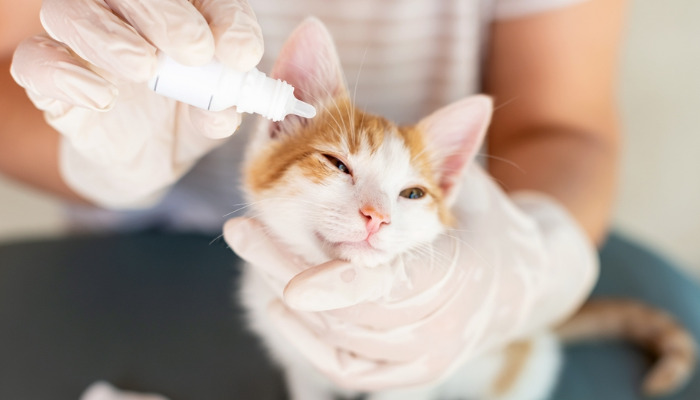
Feline Infectious Peritonitis (FIP) is a serious and often fatal disease caused by certain strains of the feline coronavirus. Although recent advances have improved treatment options, monitoring your cat’s condition throughout therapy is crucial for ensuring the best possible outcome. Effective observation not only helps assess the response to treatment but also enables early detection of potential complications.
Understanding FIP and Its Treatment
FIP exists in two forms: wet (effusive) and dry (non-effusive). Both forms can cause a range of symptoms, including weight loss, lethargy, fever, and abdominal swelling. The treatment landscape has shifted with the advent of antiviral drugs like GS-441524, which have shown promising results. Regardless of the chosen treatment plan, vigilant monitoring is essential for managing the disease.
Regular Veterinary Check-Ups
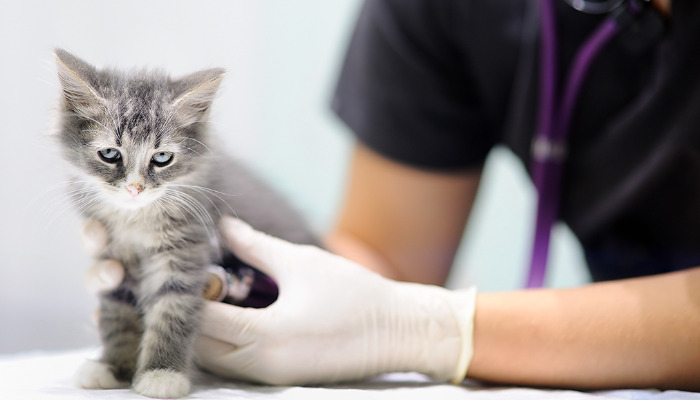
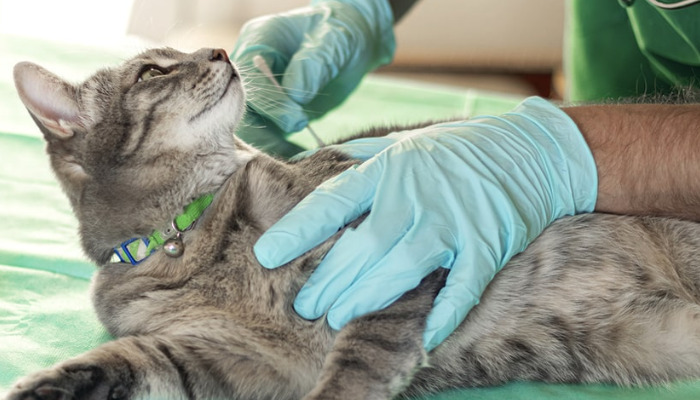
Scheduling consistent veterinary visits is the foundation of effective monitoring. Initial assessments often include blood tests, ultrasound scans, and fluid analyses to evaluate disease progression. During treatment, routine check-ups help determine how well the cat is responding. Your veterinarian might recommend periodic physical examinations and laboratory analyses, such as complete blood counts, biochemistry panels, and imaging, to track changes in organ function and disease markers.
Observation of Clinical Signs
Owners should be attentive to changes in their cat's behavior and physical health. Key signs to monitor include:
Appetite: Notice any decrease or loss of appetite, which could indicate worsening condition.
Activity Level: Lethargy or increased sleepiness can be signs of discomfort or disease progression.
Weight: Regularly weigh your cat to catch early signs of weight loss.
Fever: Persistent or recurring fever should be evaluated promptly.
Abdominal Changes: Swelling or distension, particularly in the belly, may suggest fluid accumulation or organ enlargement.
Respiratory Symptoms: Coughing, sneezing, or difficulty breathing could indicate complications.
Keeping a daily log of these signs helps you and your veterinarian recognize trends and make timely decisions.
Monitoring Laboratory Tests
Laboratory results provide vital information about your cat's internal health. Regular bloodwork can reveal inflammation, liver or kidney function, and immune response. For example, decreased white blood cell counts or elevated liver enzymes may signal side effects from medication or worsening disease. Urinalysis and imaging scans can detect fluid accumulation or organ abnormalities not visible through physical exams alone.
Adjusting the Treatment Plan
Based on ongoing assessments, your veterinarian may modify medication dosages or suggest additional therapies. Adjunct treatments, such as anti-inflammatory drugs, supportive care, or nutritional support, can improve quality of life. It is important to adhere strictly to prescribed medication schedules and report any adverse effects or unusual symptoms immediately.
Managing Side Effects and Complications
Antiviral medications might cause side effects like gastrointestinal upset, lethargy, or allergic reactions. Monitor your cat for vomiting, diarrhea, or skin irritations. Should you observe any alarming symptoms, contact your veterinarian promptly to prevent complications. Additionally, watch for signs of secondary infections, which may require additional treatment.
Environmental and Dietary Considerations
Creating a low-stress environment can promote recovery. Keep your cat in comfortable, quiet spaces, and maintain consistent routines. Nutritional support is essential; a high-quality, easily digestible diet can boost immune function and support healing. Adequate hydration is equally important, especially if fluid intake diminishes.
Emotional Support for Owners
Caring for a cat with FIP can be emotionally taxing. Staying informed about the disease and treatment options can alleviate anxiety. Maintaining a close and attentive relationship with your veterinarian ensures that your feline companion receives personalized care and timely interventions.
Conclusion
Monitoring your cat’s condition during FIP treatment involves a combination of regular veterinary evaluations, careful observation of clinical signs, laboratory testing, and environmental management. Active engagement with your veterinarian and attentive caregiving significantly enhance the chances of improving your cat’s quality of life. With diligent monitoring and prompt action, many cats can experience meaningful improvements, even in challenging circumstances.
References
1. Pedersen, N. C. (2014). An Update on Feline Infectious Peritonitis: Diagnostics and Therapeutics. Veterinary Clinics of North America: Small Animal Practice, 44(4), 779–796.
2. Belzer, C., & Addie, D. D. (2020). Novel Antiviral Therapies for FIP: Clinical Insights and Future Perspectives. Journal of Feline Medicine and Surgery, 22(7), 639–649.
3. Riemer, A. (2017). Managing Feline Infectious Peritonitis: An Owner’s Guide. Cat Veterinary Journal, 51(2), 45–52.
4. Hayashi, T., et al. (2021). Advances in the Treatment of FIP: Pharmacological and Supportive Care Approaches. Veterinary Medicine Science, 7(3), 603–614.