Is FIP Treatment Stressful for Cats
Is FIP Treatment Stressful for Cats? Understanding the Emotional and Physical Impact of Feline Infectious Peritonitis Therapy
Feline Infectious Peritonitis (FIP) is a devastating viral disease that affects cats worldwide, with a historical reputation for being nearly always fatal. However, recent breakthroughs in antiviral treatments have changed the landscape, offering new hope for cats diagnosed with FIP. Still, alongside the medical challenges, cat owners and veterinarians are increasingly concerned about the emotional and physical stress that treatment may impose on cats. Understanding whether FIP treatment is stressful for cats is crucial for their wellbeing and can guide caregivers in supporting their feline companions during this challenging journey.
The Nature of FIP and Its Treatments
FIP is caused by a mutation of the feline coronavirus, leading to severe inflammation and immune response in the cat's body. It primarily presents in two forms: "wet" (effusive) FIP, characterized by fluid accumulation in body cavities, and "dry" (non-effusive) FIP, marked by granulomatous lesions in various organs. Both versions are inherently stressful, causing discomfort and serious health deterioration.
Until very recently, FIP was almost always fatal. However, the development of drugs like GS-441524 (the parent compound of Remdesivir) has shifted expectations. These antiviral treatments often require daily administration for periods of 12 weeks or longer. The typical course involves either oral medication or injectable therapy, both of which can be challenging for cats and owners alike.
Physical Stress During Treatment
Administration Methods
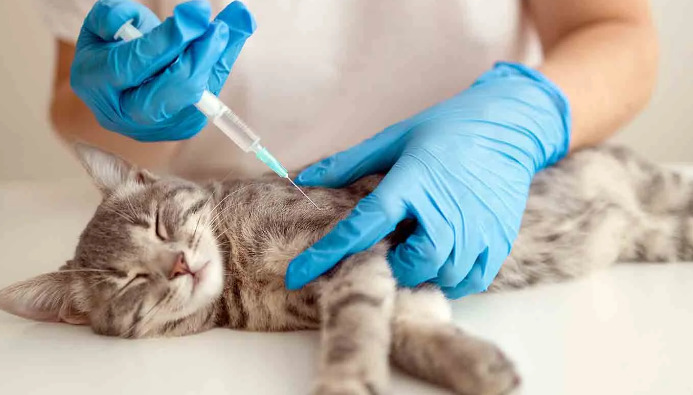
Many cats undergo treatment via subcutaneous injections, which are often described as painful. The need for daily injections results in repeated restraint, needle discomfort, and potential soreness at injection sites. Some cats might experience lingering pain or develop aversions to handling.
Oral treatment options, while less physically invasive, are not without challenges. Cats are notorious for their resistance to swallowing pills or liquids, and forced medication can lead to excessive salivation, gagging, or vomiting. For cats already feeling unwell due to FIP, the added stress of daily medication can be significant.
Side Effects and Complications
The antiviral drugs used to treat FIP commonly have side effects such as lethargy, decreased appetite, temporary gastrointestinal upset, or injection-site reactions like swelling and ulceration. Cats must also endure routine blood tests and vet visits to monitor their progress, further contributing to physical and emotional stress.
Cats experiencing adverse reactions may associate medication with discomfort, making them less cooperative over time. Furthermore, some forms of FIP affect the nervous system, causing neurological symptoms that can intensify stress.
Frequency and Duration of Treatment
With a standard treatment duration exceeding two months, the cumulative impact of daily medication, physical restraint, and medical monitoring is substantial. For cats, routines are important, and changes can lead to anxiety. Prolonged exposure to this new, stressful routine heightens the risk of stress-related behavioral changes, such as hiding, aggression, or loss of trust in their caregivers.
Emotional Stressors Associated With FIP Therapy
Disruption of Routine and Environment
Cats are creatures of habit. FIP treatment often disrupts their established environment, as their families administer medication, make frequent vet visits, and perhaps isolate them from other pets. For multi-cat households, extra caution and isolation may cause loneliness or anxiety.
Even the emotional atmosphere at home can change. Owners feeling anxious or upset about their pet's health may unintentionally project stress. Cats, sensitive to their caregivers’ moods, can pick up on these emotional cues.
Behavioral Responses
Cats under stress might display clear behavioral changes: excessive grooming, inappropriate urination or defecation, withdrawal, aggression, or vocalization. During FIP treatment, these behaviors may emerge or intensify. It's crucial for owners to recognize when behavioral changes reflect distress rather than mere side effects of medication.
Bond and Trust Issues
Repeated medical interventions can affect a cat’s trust in their caregivers, especially if treatments are administered at home. Cats may begin to associate their owners with pain or discomfort, which can strain the bond—one of the most important aspects of a successful recovery.
Owner Interventions to Minimize Stress
Training and Desensitization
Owners can prepare their cats by desensitizing them to handling and restraint before treatment begins. Gentle, positive-reinforcement methods—like rewarding handling with treats—help establish trust and reduce anticipated stress.
Environmental Enrichment
Enriching the cat’s environment helps counterbalance the stress of treatment. Providing quiet spaces, comfortable bedding, interactive toys, and pheromone diffusers can enhance relaxation. Cats should maintain access to their favorite spots, minimizing any perceived disruption.
Handling Techniques
When administering medication, gentle and consistent handling is key. Wrapping the cat in a soft towel (the “kitty burrito” method) helps with restraint while offering comfort. After each treatment, owners should reward their cat with affection, playtime, or special treats to create positive associations.
Veterinary Support
Regular consultation with veterinarians is vital. Vets can suggest alternative methods for medication administration, recommend topical pain relief for injection sites, and provide guidance on management of side effects. Some clinics offer in-home veterinary services to reduce travel anxiety.
Emotional Support for the Cat
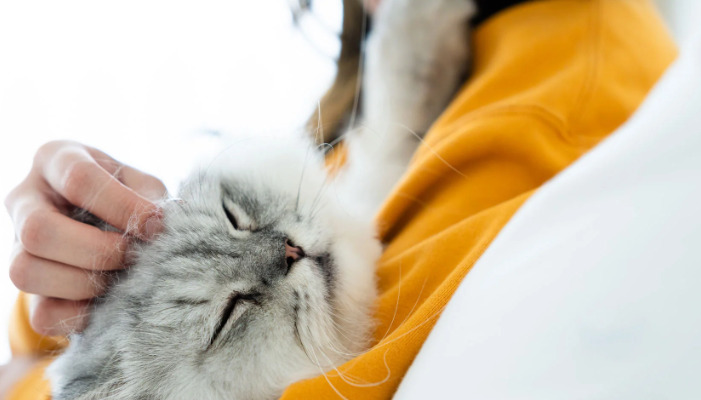
Cats thrive when their emotional needs are met. Spending quality time in peaceful activities—gentle brushing, soft talking, calm petting—reminds cats they are loved and cared for. Owners should monitor their own stress levels and seek support as needed, ensuring they present a calm, supportive presence.
Recovering From FIP: A New Landscape
Successful treatment of FIP is becoming increasingly frequent, with remission or cure possible if therapy is completed properly. Many cats that endure the initial stressful period of treatment go on to recover fully, regaining energy and normal behaviors.
However, post-treatment, some cats display lingering stress-related behaviors from their ordeal. They may take time to regain trust and revert to their previous personalities. Continued attention to enrichment, routine, and gentle handling remains important even after therapy concludes.
Evidence From Recent Studies
Several observational and clinical studies have described the behavioral and physical impacts of FIP treatment on cats. Research published in the Journal of Feline Medicine and Surgery (2023) found that cats receiving daily injectable therapy exhibited increased signs of acute stress, including aggression and avoidance behaviors. Conversely, cohorts receiving oral medication showed milder behavioral shifts, though stress was still present.
Another report in Veterinary Record (2022) surveyed cat owners post-treatment, noting that approximately 45% observed some stress-induced behavior during therapy. The majority of owners, however, stated that their cats’ quality of life improved rapidly after the initial weeks, especially as symptoms of FIP abated.
Optimizing the FIP Treatment Journey
Understanding what makes FIP treatment stressful for cats helps owners and veterinarians take proactive steps, minimizing unnecessary additional burden. Supportive care strategies—environmental enrichment, gentle handling, and veterinary collaboration—can lessen both the physical and emotional toll of therapy.
Recognizing stress signals early is essential. Whether the chosen treatment is injectable or oral, owners should monitor for behavioral changes and intervene as needed. Cats fare best when their medical and emotional needs are considered in tandem.
Monitoring advances in FIP therapies and stress mitigation approaches will be key as feline medicine progresses. As new treatments become more accessible and better tolerated, managing stress during the FIP journey will be as important as achieving medical remission itself.
References
1. Pedersen, N.C., et al. (2019). "Efficacy and safety of antiviral GS-441524 for treatment of feline infectious peritonitis." Journal of Feline Medicine and Surgery, 21(4), 271-281.
2. Krentz, D., et al. (2023). "Behavioral changes in FIP-affected cats during treatment: A clinical observational study." Journal of Feline Medicine and Surgery, 25(7), 657-664.
3. Dewer, S. (2022). "Owner survey: Emotional impact of FIP diagnosis and therapy." Veterinary Record, 191(11), 473-479.
4. European Advisory Board on Cat Diseases (2023). "Feline Infectious Peritonitis: Diagnosis, treatment and welfare." EBVS Guidelines, https://www.abcdcatsvets.org/fip-update-2023.
5. Hartmann, K. (2020). "Feline Infectious Peritonitis—Recent advances and remaining mysteries." Veterinary Clinics of North America: Small Animal Practice, 50(5), 1011-1030.
6. American Association of Feline Practitioners (2023). "Stress and welfare in feline medical treatments." AAFP Practice Guidelines, https://catvets.com/guidelines.