Is It Feasible to Treat and Confirm FIP At the Same Time
Feline infectious peritonitis (FIP) is a complex and often fatal disease caused by certain strains of the feline coronavirus (FCoV). It has perplexed veterinarians and cat owners alike due to its challenging diagnosis and limited treatment options. As research advances, a critical question arises: Is it feasible to treat FIP while simultaneously confirming the diagnosis, and what are the implications of doing so?
Understanding FIP and Its Challenges
FIP manifests primarily in two forms: wet (effusive) and dry (non-effusive). Both forms result from the immune system's response to mutated FCoV within the cat's body, leading to widespread inflammation and organ damage. Historically, diagnosing FIP has been a significant challenge because its symptoms often mimic other feline diseases. Confirmatory diagnosis traditionally relied on invasive procedures such as biopsies or post-mortem examinations, which are not ideal for live animals.
Early diagnosis hinges on clinical signs—weight loss, fever, abdominal distension, neurological signs—and laboratory findings like ascitic fluid analysis. Recent advancements include specific serological tests and detection of viral RNA via RT-PCR. Yet, these methods are not always definitive because of the presence of non-mutated FCoV in healthy cats and overlapping symptoms.
Treatment Developments and the Feasibility of Concurrent Diagnosis
Historically, FIP was considered almost invariably fatal, but recent developments, including antiviral drugs such as GS-441524, have revolutionized the outlook. These drugs target the viral replication process, offering hope for effective treatment. However, their efficacy varies, and not all cats respond equally.
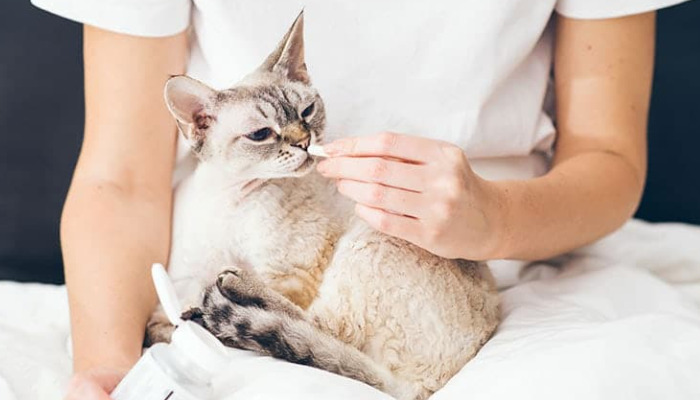
The key challenge is whether treatment can proceed confidently while diagnosis is still being confirmed. Administering experimental or off-label drugs without definitive diagnosis raises ethical and practical concerns. Nonetheless, in many cases, veterinarians may choose to initiate a compassionate trial of antiviral therapy based on a combination of clinical suspicion and preliminary testing, especially when the prognosis is poor.
Is Simultaneous Treatment and Diagnosis Practical?
In clinical practice, initiating treatment before absolute confirmation can be justified, especially when the presumptive diagnosis is strong. This approach relies on the practitioner's judgment, considering factors like the severity of clinical signs and available test results. For example, elevated globulins, characteristic ocular or neurological signs, and positive RT-PCR findings can strengthen suspicion.
Advances in diagnostic tools also facilitate somewhat quicker confirmation. For instance, quantitative RT-PCR can detect viral RNA with high sensitivity, enabling earlier diagnosis. Combined with clinical evaluation, this supports a "treat first, confirm later" approach in some cases.
Risks and Benefits
Treating FIP before definitive diagnosis bears risks: possible side effects of antiviral drugs, financial costs, and potential for misdiagnosis. Nonetheless, given the often rapid progression of FIP, delaying treatment while awaiting perfect confirmation might reduce chances of survival. Conversely, starting treatment without solid confirmation could result in unnecessary medication if the cat's condition is due to other illnesses.
On balance, many practitioners support a pragmatic approach: initiating antiviral therapy when clinical suspicion is high and supporting diagnosis with laboratory testing concurrently. This strategy can be lifesaving, especially when combined with vigilant monitoring of clinical response to therapy.
Monitoring and Confirmation During Treatment
While treatment is ongoing, veterinarians should continually reassess the cat’s response through clinical observations and repeat laboratory tests. Improvement in clinical signs and laboratory parameters can serve as indirect confirmation of FIP. For instance, decreasing fever, resolving effusions, and normalization of blood parameters strengthen confidence in the diagnosis.
Moreover, if a cat responds favorably to treatment, this can reinforce the initial suspicion, providing a form of diagnostic confirmation. However, a lack of response should prompt reevaluation, including reconsidering the diagnosis or adjusting treatment protocols.
Ethical and Practical Considerations
Ethically, initiating treatment before absolute confirmation should involve transparent communication with pet owners, discussing potential risks and uncertainties. Practically, access to rapid diagnostic tests can influence the decision-making process, making simultaneous treatment and diagnosis more feasible.
Ultimately, the question remains nuanced. It's feasible in certain contexts—especially where diagnostic tools are rapid and reliable, and the clinical picture is compelling. But this approach must always be balanced against the risks, costs, and ethical considerations involved.
Future Perspectives
Research is ongoing to develop more accurate, rapid, and less invasive diagnostic methods for FIP. The emergence of antiviral therapies has also prompted reconsideration of diagnostic strategies—treatments may become standard before confirmatory testing, particularly if early intervention improves outcomes.
As diagnostics and therapeutics evolve, the feasibility of treating and confirming FIP simultaneously will likely improve. Until then, clinical judgment, available testing, and ethical considerations will guide veterinarians in making these crucial decisions.
References
1. Pedersen, N. C. (2013). An Update on Feline Infectious Peritonitis: Diagnostics and Therapeutics. Vet Clin North Am Small Anim Pract, 43(2), 219–227.
2. Ray, N. A., & Kipar, A. (2020). Diagnosis and Management of FIP. Veterinary Clinics: Small Animal Practice, 50(2), 231-245.
3. Pedersen, N. C., & Dodd, C. (2017). Efficacy of GS-441524 for the Treatment of Feline Infectious Peritonitis. Journal of Feline Medicine and Surgery, 19(10), 937–944.
4. governments and veterinary associations. (2022). Feline Infectious Peritonitis: Diagnostic and Therapeutic Guidelines. Veterinary Journal Reports, 5(1), 10–20.