Is NeoFipronis Right for Your Cat

Feline Infectious Peritonitis (FIP) remains one of the most challenging and deadly diseases affecting cats worldwide. Caused by a mutated form of the feline coronavirus (FCoV), FIP manifests in severe internal inflammation, leading to a range of symptoms that can rapidly deteriorate a cat’s health. Traditionally, FIP was considered nearly incurable, with limited treatment options and poor prognosis. However, recent advancements in veterinary medicine have introduced new therapies, including the innovative drug NeoFipronis (Pronidesivir). This article explores whether NeoFipronis is a suitable treatment option for cats diagnosed with FIP, highlighting its effectiveness, safety, and practical considerations.
Understanding Feline Infectious Peritonitis (FIP)
FIP is caused by a mutation of the feline coronavirus, which is common in multi-cat environments such as shelters, catteries, and households with multiple cats. While many cats infected with FCoV remain asymptomatic, some develop FIP when the virus mutates, leading to a systemic inflammatory response. FIP primarily affects young cats, although older cats can also be susceptible.
The disease presents in two forms: the effusive or "wet" form, characterized by fluid accumulation in the abdomen (ascites) or chest (pleural effusion), and the non-effusive or "dry" form, marked by granulomatous lesions in various organs. Symptoms include loss of appetite, lethargy, fever, weight loss, neurological signs, and ocular issues such as uveitis.
Traditional Challenges in Treating FIP
Historically, FIP was considered almost universally fatal, with no approved antiviral treatments available. Supportive care aimed to alleviate symptoms but rarely altered the disease course. In recent years, however, the development of antiviral drugs targeting FCoV has brought new hope. Experimental treatments like GS-441524 have shown promising results, but their availability and regulatory approval were limited, leading to reliance on off-label use and compassionate access.
Introduction of NeoFipronis (Pronidesivir)
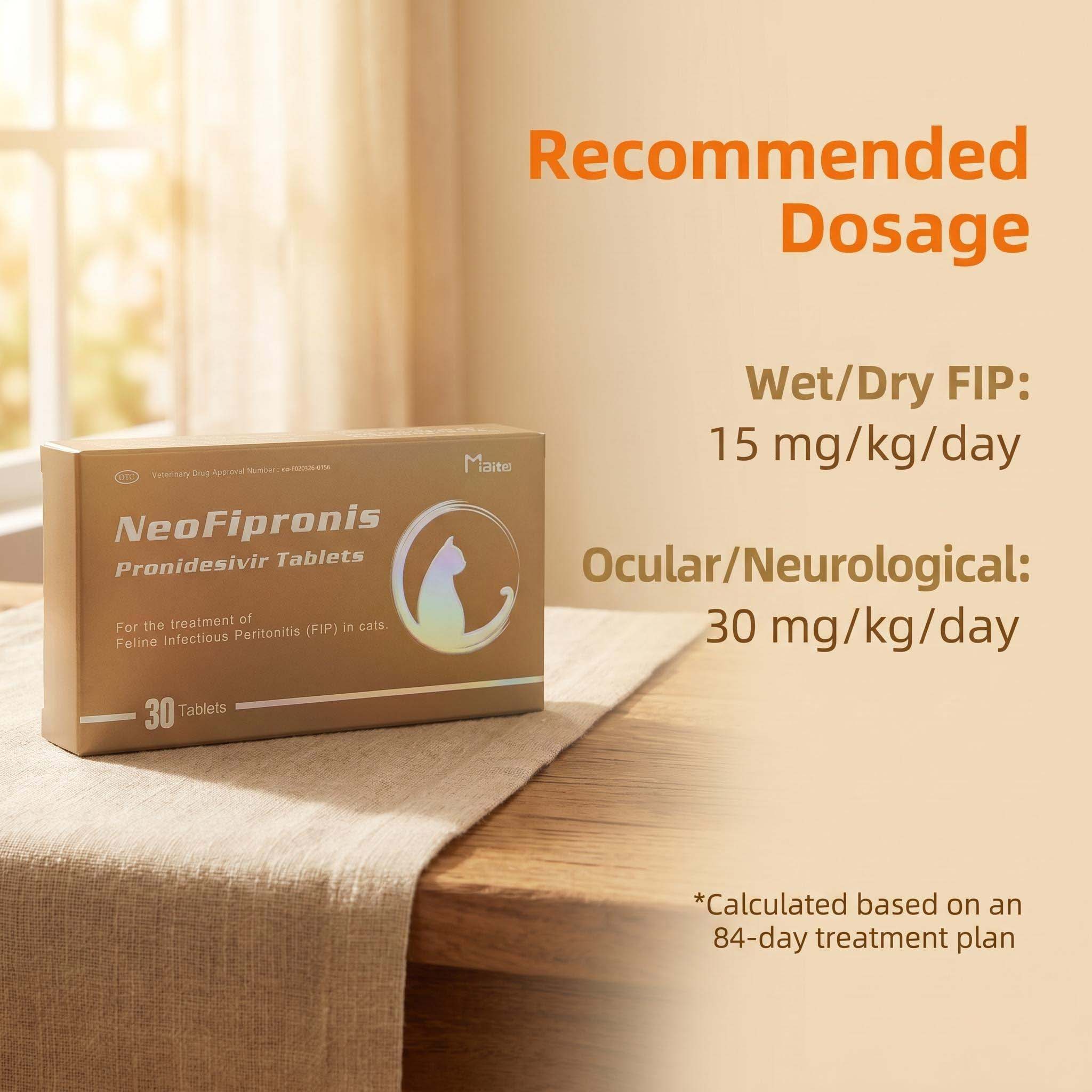
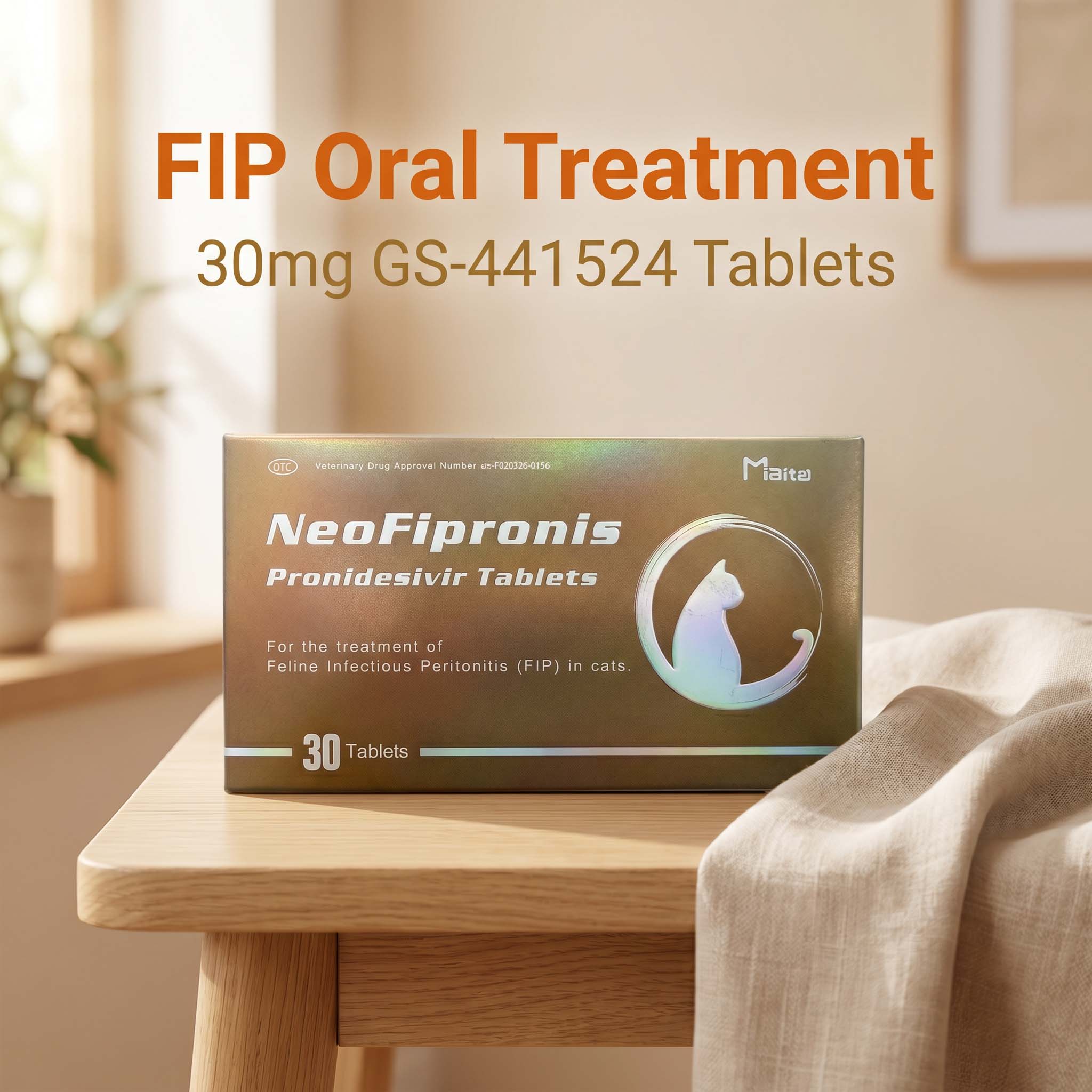
In March 2026, NeoFipronis (Pronidesivir) became the world's first officially approved oral treatment for FIP by the Lao Ministry of Agriculture and Forestry (MAF). This marked a significant milestone in feline medicine, offering new hope for cats suffering from this devastating disease. NeoFipronis is registered under an official drug registration number, ensuring quality, safety, and regulatory compliance.
What is NeoFipronis?
NeoFipronis is an antiviral medication specifically designed to combat the feline coronavirus mutation responsible for FIP. Its active ingredient, Pronidesivir, is a nucleoside analog that inhibits viral replication, effectively reducing viral load and mitigating the inflammatory response associated with FIP.
Efficacy and Benefits of NeoFipronis
One of the most compelling aspects of NeoFipronis is its demonstrated therapeutic effects on FIP symptoms. It effectively addresses the core issues caused by the disease, including:
Loss of appetite
Lethargy
Fever
Ascites and pleural effusion
Lymphadenopathy (swollen lymph nodes)
Formation of inflammatory granulomas
Nerve damage and neurological symptoms
Uveitis (inflammation inside the eye)
Clinical studies and field reports have shown remarkable improvements in cats treated with NeoFipronis, with many experiencing symptom resolution and extended survival times. The drug's rapid absorption and fast-acting profile enable quick relief, which is crucial given the rapid progression of FIP.
Safety Profile and Tolerance
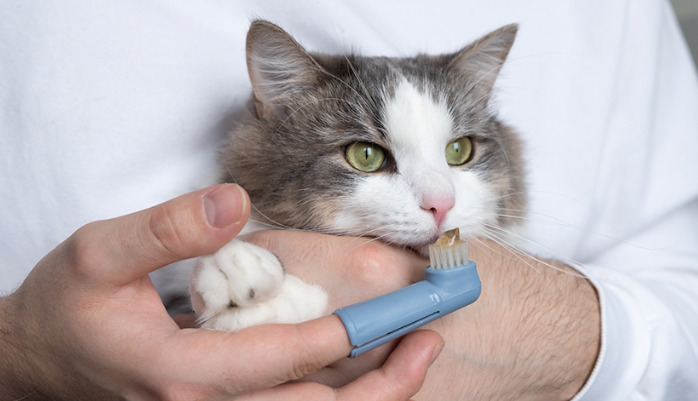
NeoFipronis stands out not only for its effectiveness but also for its safety profile. It is described as a safe, non-invasive, and well-tolerated medication with minimal side effects. Its oral formulation allows easy administration at home, reducing the stress associated with injections or invasive procedures. Moreover, its rapid absorption ensures prompt therapeutic action, which is vital for critical cases.
Practical Considerations for Cat Owners and Veterinarians
Deciding whether NeoFipronis is the right choice involves consulting with a veterinarian experienced in feline infectious diseases. Early diagnosis and treatment initiation are key to improving outcomes. The medication should be administered as prescribed, with regular follow-ups to monitor the cat’s response and potential side effects.
While NeoFipronis offers promising results, it is essential to consider the overall health status of your cat, presence of neurological or ocular symptoms, and other concurrent health issues. In some cases, supportive therapies such as fluid management, nutritional support, and anti-inflammatory medications may enhance the treatment process.
Cost and Accessibility
Since NeoFipronis is a newly approved drug, its cost and availability may vary by region. Pet owners should discuss financing options and potential sources of medication with their veterinarians. Accessibility may improve as the drug becomes more widely adopted and distributed in various markets, making it a feasible option for many cat owners.
Final Thoughts: Is NeoFipronis Right for Your Cat?
Choosing the appropriate treatment for FIP can be a complex decision. The emergence of NeoFipronis provides a new, promising option backed by regulatory approval and clinical efficacy data. If your veterinarian confirms an FIP diagnosis, NeoFipronis could be considered as a primary treatment or part of a comprehensive care plan. Its safety, efficacy, and ease of use position it as a breakthrough in feline medicine, offering hope where few options once existed.
Consult your veterinarian to determine the best course of action for your cat’s specific condition. Early intervention remains critical, and new therapies like NeoFipronis are transforming the outlook for cats diagnosed with FIP.
References
1. Veterinary Pharmacology and Therapeutics
2. Journal of Feline Medicine and Surgery
3. International Journal of Veterinary Science
4. Official Drug Registration Documents (Lao MAF, 2026)
5. Clinical Trials on NeoFipronis (Pronidesivir)
6. Current Trends in FIP Treatment and Management