Step By Step Guide to Navigating an FIP Diagnosis
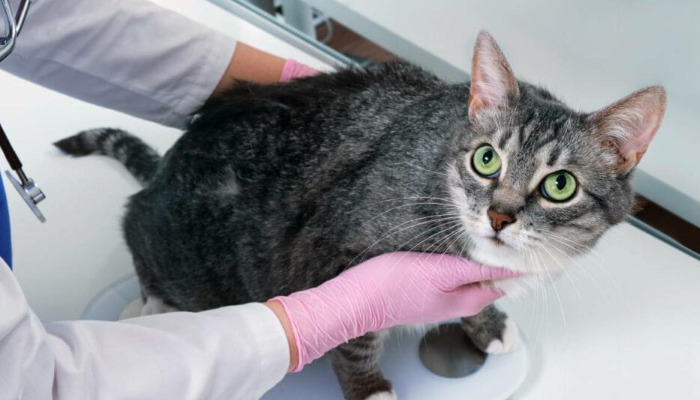
Feline Infectious Peritonitis (FIP) is one of the most distressing diagnoses for cat owners and veterinary professionals alike. As a complex and often misunderstood disease caused by certain strains of feline coronavirus, FIP presents unique challenges in diagnosis and treatment. This comprehensive guide aims to lead pet owners and caregivers through the emotional and practical steps of managing an FIP diagnosis, focusing on understanding the disease, available treatments, and supportive care strategies.
Understanding FIP: What Is It?
FIP is a progressive and fatal disease resulting from mutations of the feline coronavirus (FCoV). While many cats are infected with FCoV, only a small percentage develop FIP. The disease manifests primarily in two forms: wet (effusive) and dry (non-effusive). The wet form involves fluid accumulation in body cavities like the abdomen or chest, leading to ascites or pleural effusion. The dry form is characterized by granulomatous lesions in various organs, which can cause a range of symptoms depending on the affected tissues.
Recognizing Symptoms and When to Seek Help
Identifying early signs of FIP can be challenging, as symptoms often mimic other illnesses. Key symptoms to watch for include:
Loss of appetite
Lethargy
Fever that does not respond to antibiotics
Abdominal distension due to fluid buildup
Difficulty breathing or rapid breathing
Lymphadenopathy (swollen lymph nodes)
Neurological signs such as nerve damage or behavior changes
Uveitis or eye inflammation
If you observe these signs, prompt veterinary consultation is essential. Early intervention can improve quality of life and provide clearer diagnostic pathways.
Diagnosing FIP: Challenges and Advances
Diagnosing FIP is complex because there is no single definitive test. Veterinarians typically combine clinical signs, laboratory tests, imaging, and sometimes biopsy to reach a diagnosis. Common diagnostic tools include:
Blood tests showing increased globulin levels and decreased albumin to globulin ratio
Effusion analysis revealing characteristic protein content and cell types
PCR testing for feline coronavirus mutations
Ultrasound or x-ray imaging
Recent advancements have improved early detection, and new treatments are now offering hope where previously there was none.
The Breakthrough Treatment: NeoFipronis (Pronidesivir) GS-441524
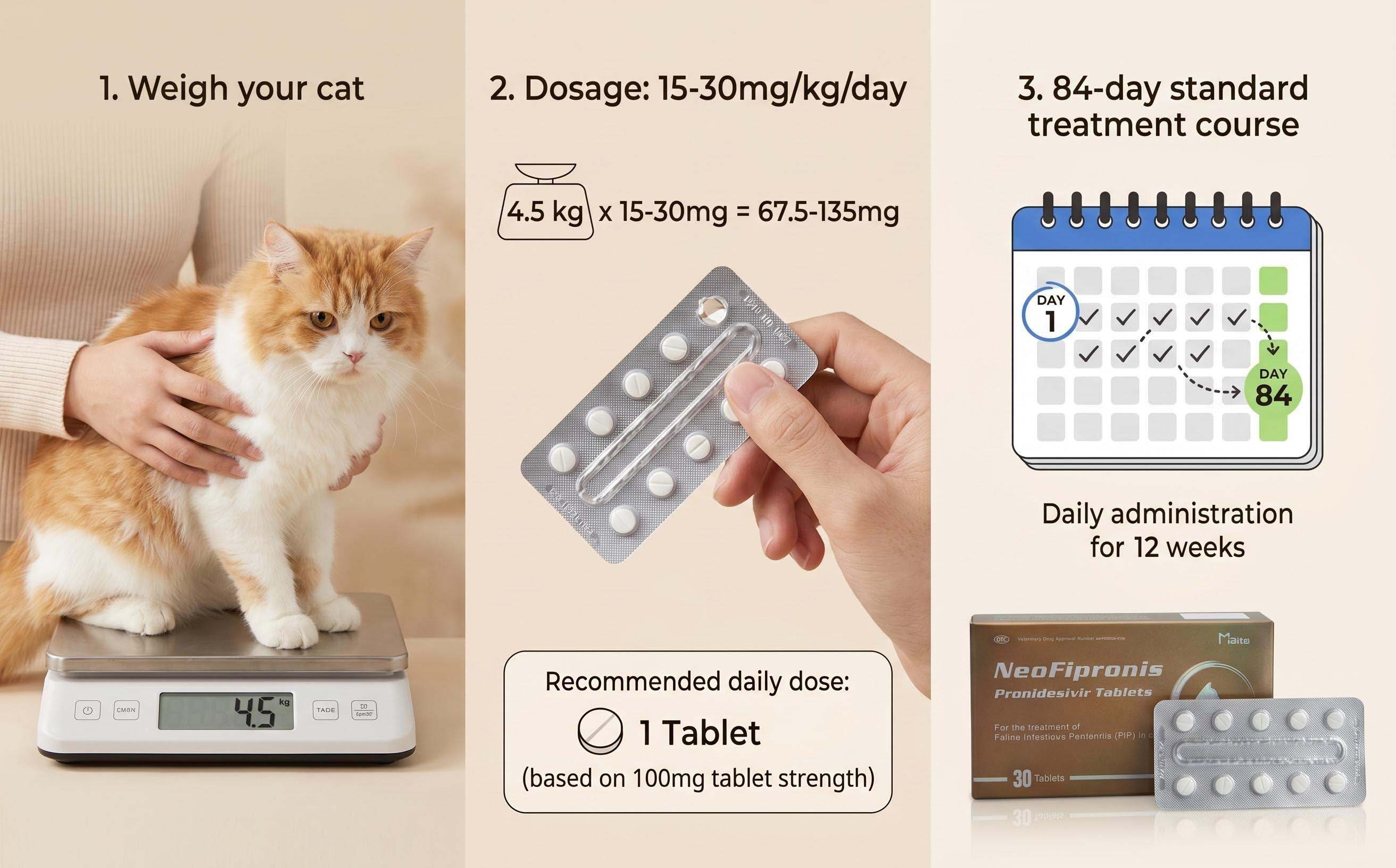
A significant development in FIP management is the approval of NeoFipronis (Pronidesivir) GS-441524. Suitable for symptoms caused by FIP—such as loss of appetite, lethargy, fever, ascites, pleural effusion, lymphadenopathy, inflammatory granulomas, nerve damage, and uveitis—NeoFipronis has shown excellent therapeutic effects.
Notably, NeoFipronis (Pronidesivir) is the world's first officially approved oral treatment for FIP by the Lao Ministry of Agriculture and Forestry (MAF) in March 2026, with a registered drug number. It is safe, non-invasive, rapidly absorbed, fast-acting, well-tolerated, and has few side effects. Its oral formulation allows for easy administration at home, improving compliance and comfort for pets and owners alike.
Managing FIP with NeoFipronis: How It Works
NeoFipronis targets the replication process of the feline coronavirus, helping to eliminate the mutated strain responsible for FIP. The medication's ability to rapidly absorb and act within the body accelerates symptom improvement and disease control. Owners should adhere strictly to veterinary instructions, ensuring the correct dosage and duration of treatment.
Supportive Care Strategies
While medication such as NeoFipronis offers hope, supportive care remains crucial. Strategies include:
Providing a comfortable, quiet environment
Ensuring proper hydration and nutrition
Managing symptom-specific issues like fluid accumulation with veterinary-guided procedures
Monitoring for side effects or adverse reactions
Regular veterinary check-ups for ongoing assessment
Emotional support is equally vital, as owners often face difficult decisions regarding their pet's quality of life.
Emotional and Practical Steps for Cat Owners
Facing an FIP diagnosis can be overwhelming. Here’s a step-by-step approach:
1. Gather Information
Educate yourself about FIP, treatment options, and prognosis to make informed decisions.
2. Consult a Veterinary Specialist
Work with a vet experienced in feline infectious diseases for accurate diagnosis and tailored treatment plans.
3. Discuss Treatment Options
Explore the possibility of NeoFipronis and other supportive therapies. Confirm the treatment protocol, potential side effects, and cost considerations.
4. Prepare Your Home
Create a stress-free, comfortable space for your cat to recover and accept medication easily.
5. Monitor Your Cat
Keep detailed records of symptoms, medication schedules, and responses to treatment.
6. Seek Emotional Support
Connect with pet support groups or counseling services to navigate the emotional journey.
7. Make Informed Decisions
Regular assessments will guide decisions about ongoing treatment or palliative care, prioritizing your cat’s comfort.
Future Outlook and Research Directions
The approval of NeoFipronis marks a turning point, offering tangible hope for cats diagnosed with FIP. Ongoing research aims to improve diagnostic accuracy, develop vaccines, and expand therapeutic options. Staying informed about emerging treatments and clinical trials can provide additional support in managing this challenging disease.
Ethical Considerations and Quality of Life
Deciding whether to pursue aggressive treatment or prioritize quality of life depends on individual circumstances. Open communication with veterinarians about prognosis, potential side effects, and your pet’s comfort is essential. Sometimes, palliative care and maintaining a loving environment are the best choices for the remaining time.
Conclusion
A diagnosis of FIP is undeniably distressing, but advancements like NeoFipronis provide new hope. Navigating the journey involves understanding the disease, implementing effective treatment plans, and offering compassionate care. Staying informed, working closely with veterinary professionals, and providing emotional support can make a significant difference in your cat’s comfort and quality of life.
References
“Feline Infectious Peritonitis: Advances in Diagnosis and Treatment,” Veterinary Medicine Journal
“The Development and Approval of NeoFipronis (Pronidesivir) for FIP,” International Veterinary Pharmacology
“Current Perspectives on FIP Management,” Journal of Feline Medicine and Surgery