Should Cats With FIP Take Vitamin Supplements
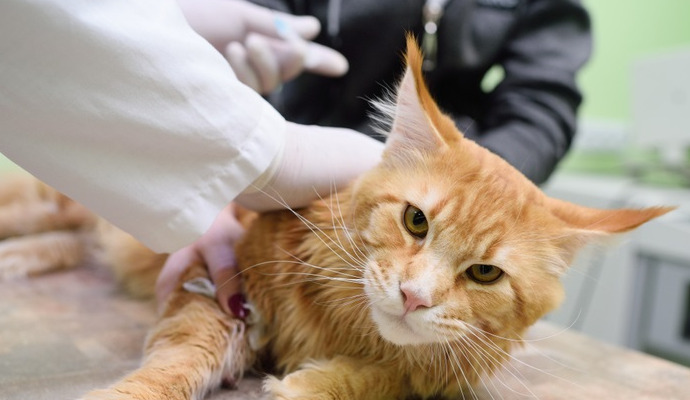
Feline Infectious Peritonitis (FIP) is a serious, often fatal disease affecting cats worldwide. Caused by a mutated form of the feline coronavirus, FIP presents in two main forms: wet (effusive) and dry (non-effusive). Both types involve complex immune responses and typically lead to severe health deterioration. Given the devastating nature of FIP, pet owners and veterinarians are continually exploring supportive care options to improve the quality of life for affected cats. Among these options is the question: Should cats with FIP take vitamin supplements?
Understanding FIP and Its Impact on Cats
FIP is characterized by an abnormal immune response to the coronavirus infection, resulting in inflammation of the abdominal cavity, organs, or nervous system. The disease progresses rapidly, often leading to symptoms such as weight loss, fever, lethargy, and abdominal swelling. While recent advances have introduced antiviral therapies that show promise, there is no definitive cure for FIP as of now.
The immune system plays a crucial role in battling the disease. However, in FIP, immune responses can become dysregulated, leading to damaging inflammation. Therefore, supporting immune health is an important aspect of managing FIP, which has led to interest in nutritional supplements, particularly vitamins.
The Role of Vitamins in Supporting Immune Function
Vitamins are essential nutrients involved in various bodily functions, including immune regulation, cellular repair, and overall metabolic processes. In humans, supplementing with vitamins like C, D, and E has been shown to enhance immune response. In cats, certain vitamins are vital for health maintenance, but their supplementation during illness requires careful consideration.
For cats with FIP, the primary goal is to support their weakened immune system and overall health. Some veterinarians suggest that certain vitamins—such as vitamins A, C, E, and B-complex—may have beneficial roles due to their antioxidant properties and support of immune functions. Antioxidants can help reduce oxidative stress, which is often elevated during chronic inflammation and infection.
Are Vitamin Supplements Safe for Cats With FIP?
While vitamins can be beneficial, they are not without risks. Over-supplementation or inappropriate dosing can cause toxicity. For instance, excess vitamin A can lead to bone fractures and liver problems, whereas high doses of vitamin E might interfere with blood clotting. Cats are particularly sensitive to some nutrients, and their vitamin requirements differ from humans.
Therefore, any supplementation should be guided by a veterinarian familiar with the cat's specific health conditions. They can determine whether a supplement is appropriate, the correct type, and safe dosage. It’s also important to choose high-quality products designed specifically for cats, avoiding human vitamins that may contain additives or dosages unsuitable for feline health.
Current Evidence and Recommendations
Scientific studies on vitamin supplementation specifically for cats with FIP are limited. Most of the evidence supporting vitamin use in ill cats stems from general feline health and immune support literature. Some veterinarians advocate for the inclusion of immune-boosting nutrients as part of comprehensive supportive care, but they emphasize that vitamins are not a substitute for antiviral treatments or medical interventions.
In cases where a cat with FIP is under palliative care or experiencing significant weight loss and weakness, supportive nutritional therapy—including vitamins—may help improve comfort and quality of life. Supplements should be part of a broader care plan that includes veterinary guidance, appropriate medications, and supportive therapies.
Alternative Supportive Measures
Apart from vitamins, other supportive strategies can include maintaining proper hydration, providing a balanced diet, managing pain, and minimizing stress. Anti-inflammatory agents and antiviral drugs, where applicable, are cornerstones of FIP management. Proper veterinary supervision ensures that all supportive measures are safe and effective.
Conclusion
The decision to give vitamin supplements to cats with FIP should be made cautiously and under veterinary supervision. While certain vitamins might support immune health and overall well-being, they are not cures or standalone treatments for FIP. The focus should remain on comprehensive medical management, with nutritional support tailored to the individual cat’s needs. Ultimately, preventative care, early diagnosis, and emerging treatments hold the key to improving outcomes for cats affected by this challenging disease.
References
1. Addie, D. D., et al. (2019). "Feline infectious peritonitis: a review of pathogenesis, diagnosis, and treatment." Journal of Feline Medicine and Surgery, 21(10), 1029-1038.
2. Pedersen, N. C. (2016). "Feline infectious peritonitis." Journal of Feline Medicine and Surgery, 18(9), 711-721.
3. Hartmann, K., & Addie, D. (2019). "Feline coronavirus: perspectives on epidemiology, clinical aspects, and management." Veterinary Clinics of North America: Small Animal Practice, 49(6), 873-891.
4. Twardowski, M., et al. (2020). "Therapeutic strategies in Feline Infectious Peritonitis." Veterinary Medicine: Research and Reports, 11, 99–107.
5. Vaden, S. L., et al. (2018). "Nutritional management of cats with chronic illnesses." Journal of Feline Medicine and Surgery, 20(5), 402–413.