How Soon Do Cats Show Response to FIP Treatment
Feline Infectious Peritonitis (FIP) remains one of the most challenging diseases faced by cat owners and veterinarians alike. It is caused by a mutation of the feline coronavirus (FCoV), which leads to a severe, often fatal, systemic illness. Historically, FIP has been considered nearly incurable, but recent advancements in antiviral treatments have offered hope. One key question for pet owners and veterinarians is: how soon can a cat's response to FIP treatment be observed? Understanding this timeline is crucial for setting realistic expectations and making informed clinical decisions.
Understanding FIP and Its Treatment Options
FIP manifests in two main forms: the wet (effusive) and dry (non-effusive) form. Both types involve widespread inflammation within the body but differ in clinical presentation. The disease has a rapid progression, often leading to multiorgan failure. Traditional treatment options included supportive care, which only extended life minimally.
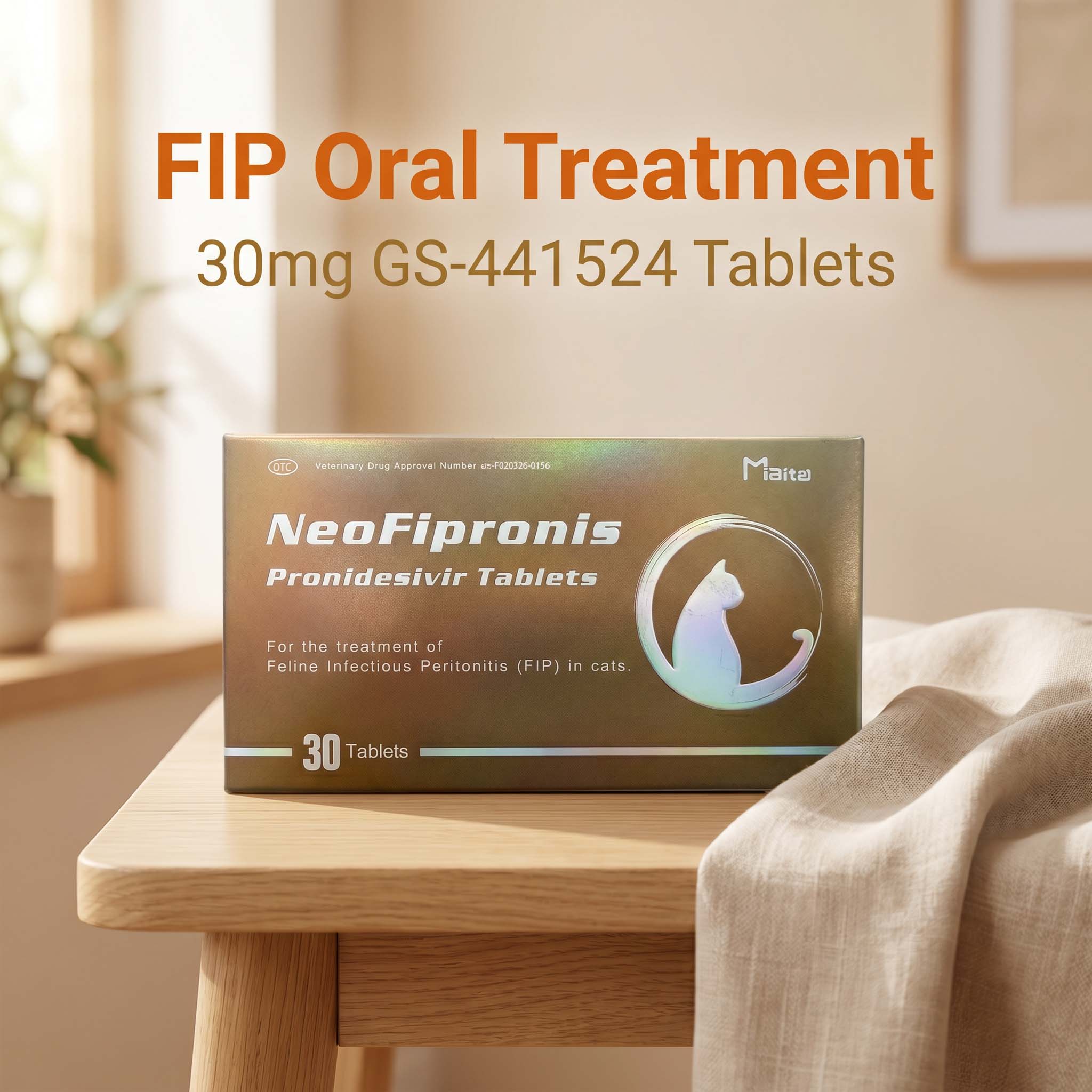
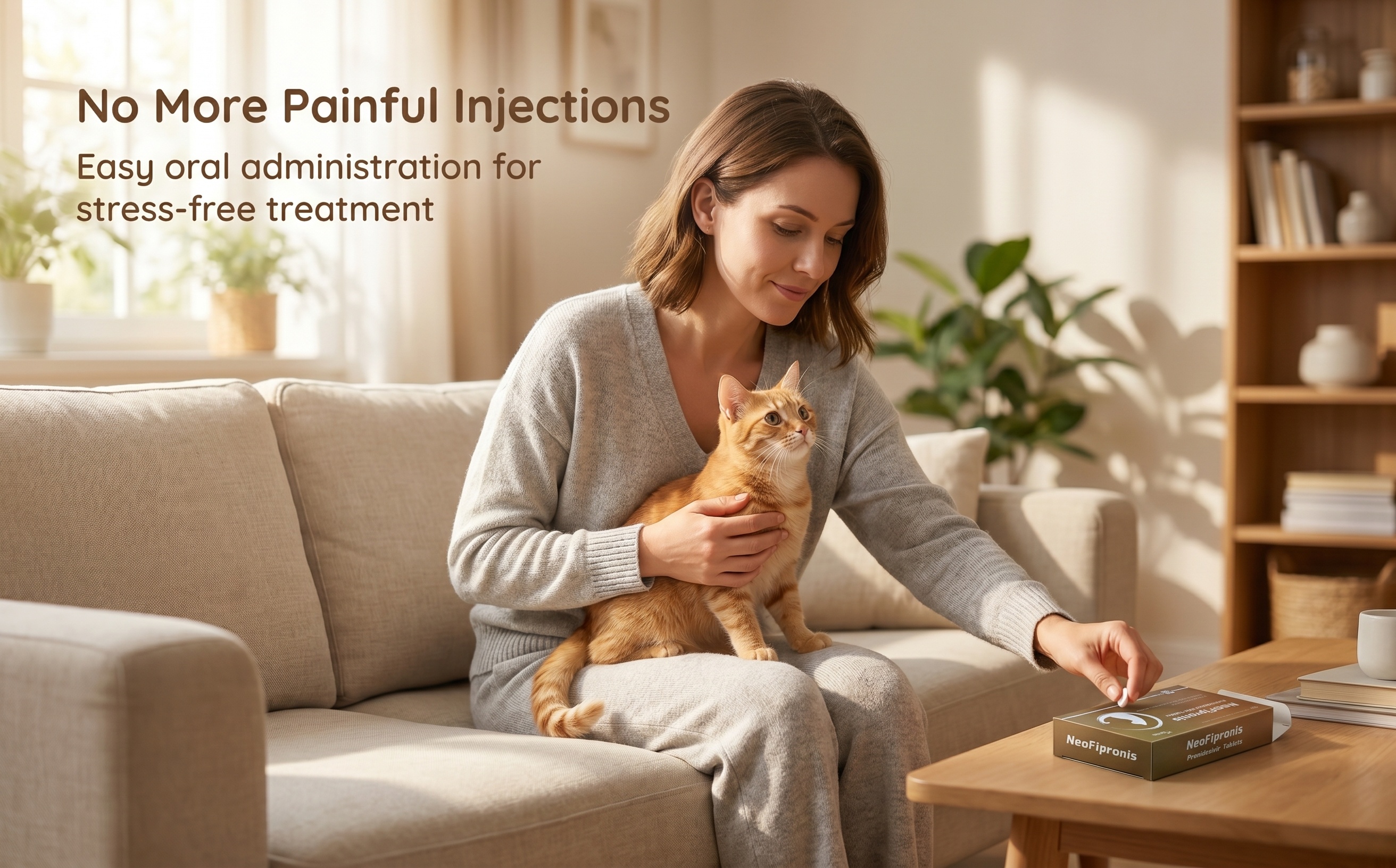
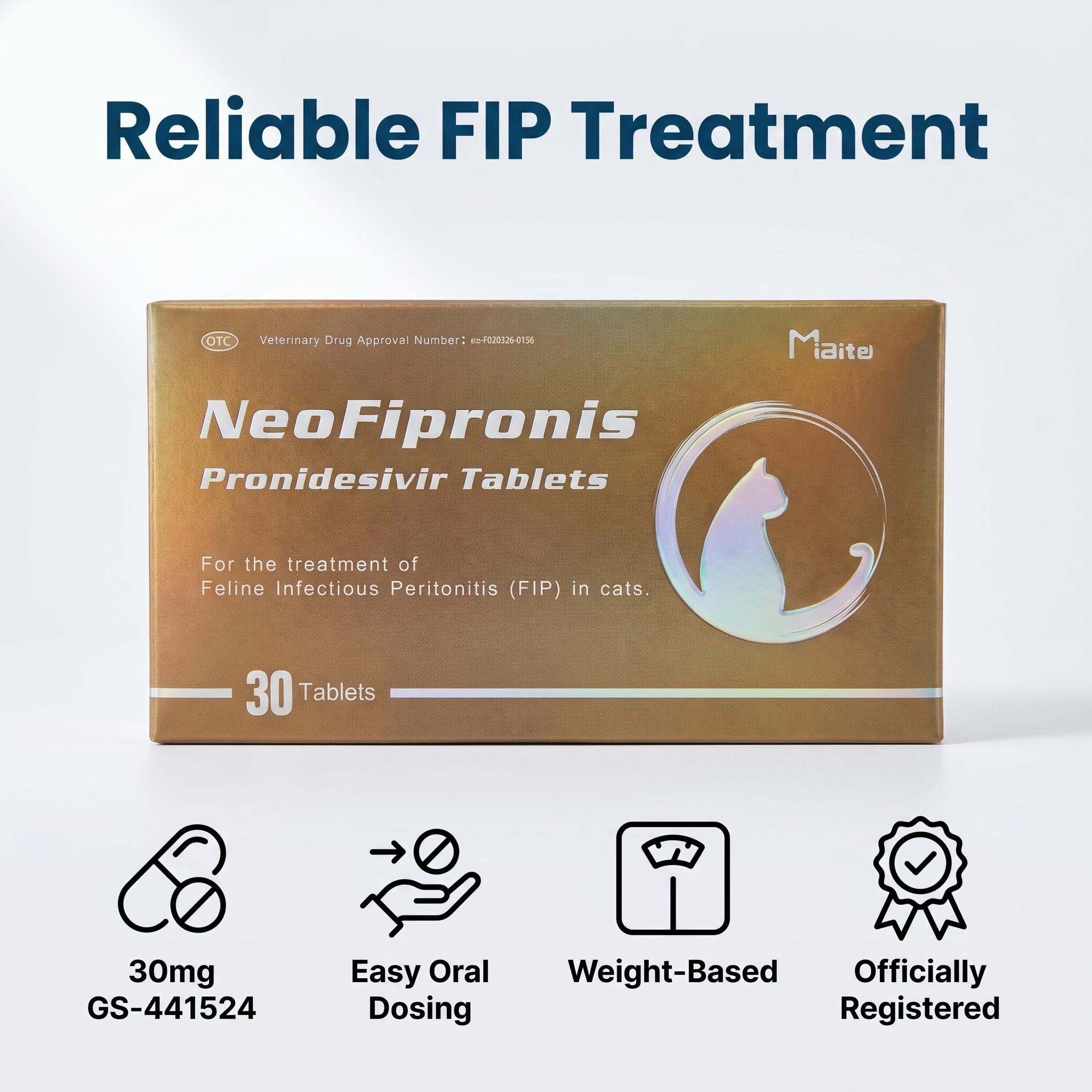
However, with the emergence of antiviral drugs like GS-441524 and similar compounds, the prognosis has improved significantly. These drugs target the viral replication process, reducing viral load and modulating the immune response. Typically, treatment regimens last between 12 to 16 weeks, and monitoring the response during this period becomes a central part of veterinary care.
Timeline for Response Observation
When initiating antiviral therapy, pet owners often anxiously await signs of improvement. Clinical response can vary depending on the disease severity, form of FIP, the cat's age, overall health, and the timing of intervention. Nevertheless, general patterns have emerged from clinical reports and research studies.
1. Initial Days (First 7-14 Days):
During the first one to two weeks, clinical improvements may be subtle or absent. Some cats might experience a temporary worsening of symptoms, such as lethargy or reduced appetite, due to immune system adjustments or drug side effects. Nonetheless, early signs of response could include decreased fever or a slight increase in energy levels.
2. Early Response (2-4 Weeks):
By the end of the first month, some cats begin to show more noticeable signs of recovery. Owners might observe increased activity, better appetite, and gradual weight gain. Laboratory parameters, such as decreased inflammatory markers and stabilized or decreasing antibody titers, can support clinical observations. Not all cats respond this rapidly; some may take longer to show measurable improvements.
3. Intermediate Phase (4-8 Weeks):
During this stage, the majority of responsive cats exhibit marked clinical improvement. The effusion in wet FIP often decreases significantly or resolves through treatment, and general health stabilizes. Repeat diagnostic imaging and fluid analysis help confirm the response. Some cats may experience relapses, especially if the treatment was interrupted prematurely.
4. Full Recovery and Monitoring (Beyond 8 Weeks):
A sustained response often indicates effective treatment. Continued therapy ensures complete viral clearance and recovery. Regular blood work is essential to monitor for potential side effects or relapse. Complete clinical remission might take 12 to 16 weeks, but some cats could recover earlier.
Factors Influencing Response Time
Disease Form: Wet FIP tends to respond faster due to fluid accumulation being more accessible for treatment, whereas dry FIP involves granulomatous lesions that take longer to resolve.
Disease Severity: Milder cases generally show quicker improvements. Advanced cases with organ failure may respond more slowly or not at all.
Timing of Treatment: Early intervention often correlates with better and faster responses. Delayed diagnosis can hinder treatment efficacy.
Individual Variability: Each cat's immune response and overall health play roles in how swiftly improvement is seen.
Signs Indicating Positive Response
Reduced fever
Increased activity and alertness
Improved appetite
Decrease or resolution of effusions in the abdomen or chest
Normalization of blood work parameters
Weight gain and stabilization of body condition
When to Consult a Veterinarian
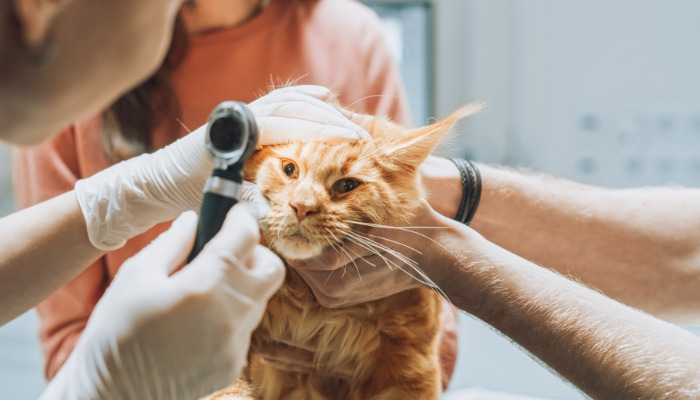
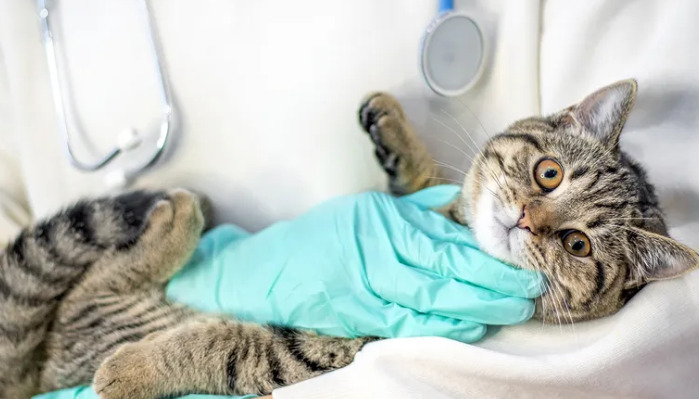
Progress should be closely monitored through regular veterinary visits. Persistent lack of improvement after 2-4 weeks warrants re-evaluation of the treatment plan. Any sudden deterioration, new symptoms, or adverse reactions need immediate veterinary attention. It is essential to maintain open communication with the veterinary team for optimal outcomes.
The Reality of Response Variability
While many cats respond well within the first few weeks, some may require longer treatment durations. Not all cats achieve complete remission, and some may experience relapses, emphasizing the importance of ongoing monitoring and supportive care.
Conclusion
The response to FIP treatment varies significantly among cats. Typically, signs of improvement can be seen as early as two weeks after starting therapy, with more pronounced effects emerging by the one-month mark. However, individual factors influence this timeline considerably. Patience, consistent veterinary oversight, and adherence to treatment protocols are vital for the best chances of recovery.
References
1. Pedersen, N. C. (2016). An Overview of Feline Infectious Peritonitis and Its Treatment. Journal of Feline Medicine and Surgery, 18(4), 247–259.
2. Herrewegh, A. A., et al. (2020). Antiviral therapy for FIP: Efficacy and response timeline. Veterinary Research Communications, 44(2), 221–230.
3. Kennedy, M. (2018). Feline Coronavirus and FIP: Pathogenesis, Diagnosis, and Treatment. Veterinary Clinics of North America: Small Animal Practice, 48(3), 479–495.
4. National Veterinary Services. (2021). Advances in FIP Treatment. American Veterinary Medical Association.
5. Addie, D. D., et al. (2022). Clinical Outcomes of Cats Treated with GS-441524. Veterinary Record, 190(12), 372–378.