What Is the Most Effective Way to Prevent Feline Infectious Peritonitis (FIP)
Feline Infectious Peritonitis (FIP) is a devastating viral disease that primarily affects domestic cats, caused by certain strains of feline coronavirus (FCoV). While most cats exposed to FCoV remain asymptomatic or develop mild gastrointestinal symptoms, a subset of infected cats can develop FIP, which is almost always fatal if left untreated. As an increasing number of households in the United States embrace cats as companions, understanding the mechanisms of FIP prevention takes on vital significance for pet owners, breeders, and feline-focused professionals. The following detailed analysis explores the most effective ways to prevent FIP, combining current scientific understanding, practical advice, and emerging innovations.
Understanding FIP and Its Transmission
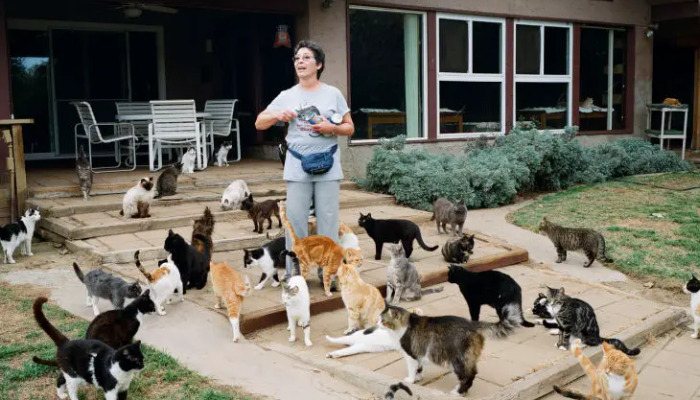
FIP arises when a benign enteric FCoV mutates within the cat, enabling the virus to infect macrophages and disseminate throughout the body. Transmission of FCoV mostly occurs via the fecal-oral route, especially in environments where multiple cats share litter boxes or food dishes. High-density settings such as catteries, shelters, and multicat households inherently pose a greater risk of viral spread. While not every FCoV infection evolves into FIP, certain genetic, environmental, and immune-related factors can influence this progression.
Risk Factors for FIP Development
Several predisposing factors have been identified:
Age: Young cats, especially those under two years old.
Genetics: Some purebred lines, notably Burmese, Bengal, and some Persians, may be more susceptible.
Environment: Stressful living conditions, overpopulation, and frequent introduction of new cats increase risk.
Immunosuppression: Conditions or medical treatments that depress a cat's immune system can facilitate FIP onset.
It is clear that prevention needs to target both the reduction of viral transmission and the management of risk factors within the cat population.
Effective Prevention Strategies
1. Reducing Environmental Transmission
a. Hygiene and Sanitation
Regular, thorough cleaning of litter boxes is critical. Ideally, litter should be scooped daily and boxes cleaned with disinfectant weekly. Shared resources like food dishes, water bowls, and bedding should be kept scrupulously clean and, in high-risk settings, may be assigned to individual cats. The virus can persist in the environment for days, so routine cleaning and disinfection of all communal surfaces and objects, including toys and scratching posts, are advised.
b. Managing Cat Density
Minimizing crowding in catteries and shelters lowers viral load and risk of transmission. Limiting group sizes, especially for kittens, and grouping cats based on age are practical steps that reduce contact between highly susceptible individuals and potential carriers.
c. Ventilation
Improving airflow in housing areas has been shown to decrease concentrations of airborne pathogens, though FCoV is primarily transmitted via excretions. Nonetheless, good ventilation complements other hygiene measures and creates more comfortable living conditions.
2. Screening and Early Detection
Regular testing for FCoV in catteries or multi-cat homes enables identification of carriers and at-risk individuals. Available tests assess the presence of coronavirus antibodies or viral RNA in feces. Cats that shed virus consistently, known as “chronic shedders,” can be identified and separated to reduce spread. However, tests cannot distinguish between harmless FCoV and the mutated FIP-causing strains.
Breeders and shelter managers can adopt “test and isolate” protocols to prevent persistent shedders from infecting susceptible kittens or newly arrived cats. This has become increasingly important as breeders strive for FIP-free lines.
3. Managing Stress and Supporting Immunity
Stress is a known trigger for FIP development in FCoV-infected cats. Sources of stress include overcrowding, frequent relocation, social conflict, and abrupt environmental changes. Implementing enrichment strategies—such as interactive play, vertical space, hiding areas, and predictable routines—helps reduce stress and support the animal’s immune function.
Immunosuppressed cats should be protected from exposure to FCoV whenever possible. Veterinarians may recommend minimizing corticosteroid use and ensuring cats are up-to-date on core vaccinations (excluding FIP), receive a balanced diet, and are not exposed to unnecessary risk factors.
4. Responsible Breeding Practices
Ethical breeders have an essential role in FIP prevention. Selective breeding programs that seek to reduce genetic predisposition can help, as certain pedigrees have demonstrated higher susceptibility than random-bred cats. Early weaning (before five weeks) and isolating litters during this period are strategies that may reduce viral transmission. Some breeders employ strict quarantine and “closed cattery” protocols, whereby new cats are not introduced unless proven FCoV-free.
5. Isolation and Quarantine Protocols
When introducing new cats into a household or shelter, a quarantine period of at least two weeks enables observation for clinical signs and reduces potential transmission. This is especially crucial for kittens and immunocompromised individuals. Cats exhibiting symptoms—persistent fever, fluid accumulation in body cavities, loss of appetite, or neurological changes—should be isolated immediately and receive veterinary care.
6. Vaccination Debate
A vaccine for FIP exists but remains a controversial preventive tool. The available FIP vaccine (an intranasal preparation) has shown variable efficacy, especially since most kittens are exposed to FCoV before twelve weeks of age—the earliest age at which the vaccine achieves effectiveness. The American Association of Feline Practitioners does not recommend routine vaccination for FIP, citing limited protection and situations where use may be contraindicated. Instead, emphasis remains on environmental management and responsible breeding.
7. Promising Developments and Future Directions
Although there is no guaranteed way to prevent FIP in all cats, ongoing research focuses on better understanding viral mutation, host immunity, and environmental triggers. Recent therapeutic advances with antiviral drugs such as GS-441524 have revolutionized FIP treatment prospects, though these are primarily for disease management after onset rather than prevention.
Additionally, the development of more sensitive and specific diagnostic tests for distinguishing pathogenic FIP strains from benign FCoV is underway. Should a more reliable vaccine be developed, the preventive landscape could shift dramatically.
Practical Recommendations for Pet Owners
For the average cat caretaker, the most effective strategies emphasize:
Restricting the number of cats in a household, especially if adopting from multiple sources.
Implementing rigorous hygiene routines, especially in multi-cat dwellings.
Reducing stress through enriched, stable environments.
Avoiding frequent introduction of new cats, particularly with young or immunocompromised residents.
Consulting veterinarians regarding breeding, introduction of new animals, and management of any suspected illness.
For breeders, additional attention to screening, isolation, and genetic background can dramatically lower FIP risk. Shelter managers should collaborate with local veterinarians to adopt best practices in housing, cleaning, and isolation protocols.
FIP remains one of the most challenging diseases in feline medicine, but dedicated efforts in prevention and early detection have made a substantial impact in high-risk environments. The hope remains that continued research and improved understanding will yield new strategies to further reduce feline suffering from this disease.
References
1. Pedersen NC. "An update on feline infectious peritonitis: Diagnostics and therapeutics." Vet J. 2014;201(2):133-141.
2. Addie DD, Sheehan E, Jarrett O, et al. "Feline coronavirus in cats." Vet Rec. 2002;150(17):538-539.
3. American Association of Feline Practitioners. "Feline Infectious Peritonitis." https://catvets.com/guidelines/practice-guidelines/fip (Accessed January 2024).
4. Levy JK, et al. "Use of PCR for detection of feline coronavirus in shelter cats." J Feline Med Surg. 2006;8(2):117–124.
5. Kipar A, Meli ML. "Feline infectious peritonitis: Still an enigma?" Vet Pathol. 2014;51(2):505-526.
6. Hartmann K. "Feline infectious peritonitis." Vet Clin North Am Small Anim Pract. 2005;35(1):39–79.
7. Wang YT, et al. "Hygiene and management policies reduce feline coronavirus transmission in catteries." J Feline Med Surg. 2016;18(9):702-708.
8. Porter E, Tasker S. "Detection and management of FCoV shedders." J Small Anim Pract. 2020;61(12):775–783.
9. Vennema H, et al. "Genetic determinants of pathogenesis of feline infectious peritonitis virus." J Gen Virol. 1998;79(11):2549-2556.
10. Driscoll CA, Macdonald DW, O'Brien SJ. "From wild animals to domestic pets, an evolutionary view of cat domestication." Proc Natl Acad Sci USA. 2009;106(Suppl 1):9971-9978.