Is It Normal for a Cat to Be Very Tired During FIP Treatment

Feline Infectious Peritonitis (FIP) is a severe coronavirus-induced disease affecting domestic cats worldwide. The emergence of effective antiviral therapies has brought renewed hope for FIP-diagnosed cats, yet owners may notice significant changes in their cat's behavior, notably unusual lethargy. This article explores whether severe tiredness during FIP treatment is normal, the underlying causes, and how to manage and monitor feline fatigue throughout the therapeutic process.
FIP represents one of the most daunting diagnoses in feline medicine. The disease is caused by a mutation of feline coronavirus (FCoV) and typically affects young cats, though cats of all ages may contract it. Symptoms vary but often include fever, lethargy, appetite loss, weight loss, and fluid accumulation. Recent advancements, notably GS-441524-based antiviral drugs, have improved prognosis, prompting more owners to pursue aggressive treatment protocols.
One common concern among cat owners is pronounced tiredness or lethargy in cats undergoing FIP treatment. Understanding the normalcy, mechanisms, and implications of this fatigue is essential for effective home care and successful recovery.
Understanding FIP and Its Symptoms
FIP divides into two primary forms: "wet" (effusive) and "dry" (non-effusive). Both forms share many clinical signs, such as persistent fever, lethargy, and reduced appetite. Lethargy is often among the earliest symptoms, rooted in systemic inflammation and viral replication within organ tissues.
The pathophysiology of FIP involves an exaggerated immune response, leading to cytokine storms. These biochemical events exhaust cellular energy reserves, disrupt normal metabolic processes, and cause fatigue.
FIP Treatment Modalities and Their Effects
For decades, FIP was nearly always fatal, but antiviral agents such as GS-441524 and its derivatives have transformed the prognosis. Treatment typically includes:
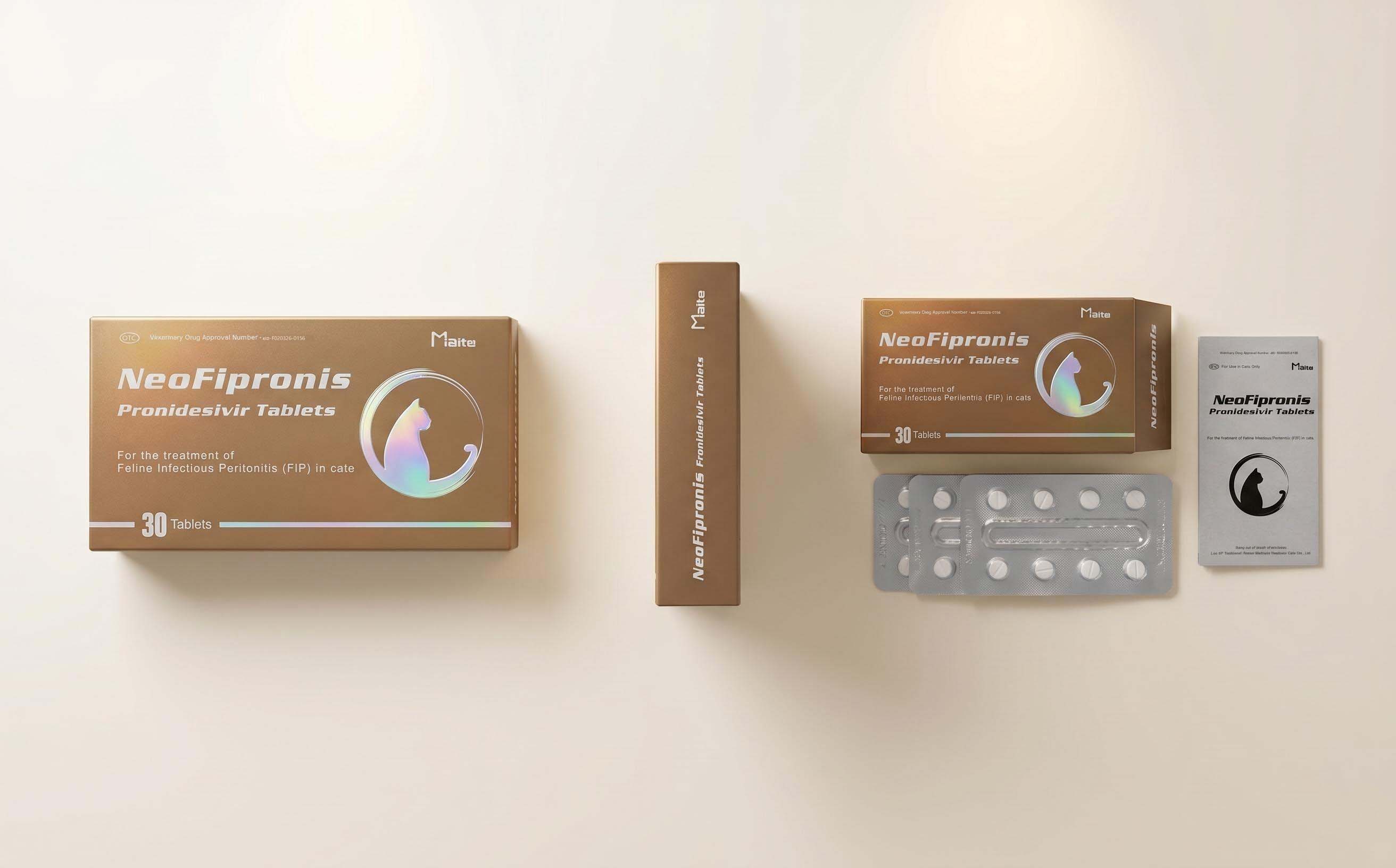
Antiviral therapy (GS-441524, remdesivir, molnupiravir, etc.)
Supportive care (including fluids, pain management, and nutritional support)
Management of complications (ascites drainage, anti-inflammatory medication)
The initial phase of treatment often evokes transient worsening of symptoms as the immune system adjusts, further contributing to lethargy. Many owners may feel alarmed by pronounced fatigue, but this is not necessarily a sign of treatment failure.
Exploring the Causes of Fatigue During FIP Treatment
Disease-Related Factors
Viral Replication: Active viral infection taxes cellular resources, hindering energy production.
Cytokine Storms: Excessive immune responses release cytokines that induce sleepiness and malaise.
Organ Dysfunction: Liver, kidney, or central nervous system involvement can directly impair energy metabolism.
Treatment-Induced Factors
Drug Side Effects: Antiviral and supportive drugs may cause mild to moderate fatigue.
Pain and Discomfort: Fluid build-up or organ swelling can increase tiredness.
Nutritional Gaps: Sick cats often eat less, exacerbating weakness.
Assessing "Normal" vs. "Abnormal" Fatigue
Most cats with FIP experience lethargy both before and during therapy. Tiredness often peaks in the first few weeks of treatment, then tapers off as the antiviral drugs halt viral replication and inflammation diminishes. "Normal" tiredness appears as increased sleep, slower activity, and reluctance to play, but the cat still responds to stimuli, eats (even if less enthusiastically), and shows appropriate social behaviors.
Warning signs distinguishing normal from abnormal fatigue include:
Complete lack of response to voices or petting
Not eating or drinking for 24+ hours
Labored breathing or collapse
Sudden worsening after initial improvement
Owner Observations and Home Monitoring
Owner attentiveness is vital. Daily logs of activity, appetite, urination, and defecation can detect trends. Consider the following:
Track hours spent sleeping vs. awake
Monitor interest in toys and food
Record any changes in posture or movement
Observe for increased hiding, isolated behaviors, or absence of grooming
A small decline in activity is typical; persistent worsening or additional clinical signs should prompt swift veterinary contact.
Veterinary Evaluation of Fatigue
Periodical veterinary visits enable objective assessment of fatigue. Key steps include:
Physical exams (temperature, hydration status, overall appearance)
Blood analysis (CBC, chemistry profile for organ function)
Imaging as warranted (ultrasound or x-rays)
Review of medications for side effects
If fatigue is extreme, veterinarians may adjust drug doses, administer supplemental nutrition, or recommend hospitalization.
Pharmacological and Supportive Management
Supportive care aims to minimize fatigue by:
Optimizing hydration (IV fluids if oral intake is low)
Ensuring balanced nutrition (high-calorie diets, appetite stimulants)
Managing pain and discomfort (analgesics as needed)
Minimizing stress (quiet, warm environments, regular routines)
Antiviral therapy itself may cause temporary malaise as the body processes viral death. Owners should not discontinue or alter medication schedules without veterinary guidance.
Case Studies and Real-Life Examples
Recent reports from US-based FIP survivor communities cite tiredness as a leading side effect during therapy. Many cats sleep up to 16-20 hours daily during the first month, gradually regaining energy after week three. Some recoveries are rapid, while others are slow but steady, emphasizing individual variation.
Impact of Age, Breed, and Comorbidities
Kittens, older cats, and purebred felines (e.g., Bengals or Ragdolls) may display more pronounced tiredness due to genetic, metabolic, or immunological factors. Concurrent diseases—such as anemia, chronic kidney disease, or cardiac issues—can also worsen fatigue, requiring tailored interventions.
Psychological and Environmental Contributors
Stress and environmental changes can aggravate tiredness. Cats thrive on routine and stability. Prolonged hospitalization, unfamiliar caregivers, or abrupt changes in the home environment may exacerbate lethargy. Enriching surroundings with soft bedding, gentle play, and familiar scents can support recovery.
Prognosis and Long-Term Outcomes
Most surviving FIP cats regain normal energy within 4-8 weeks of starting antiviral therapy, though full vitality restoration may take months. Residual tiredness can persist in cases of organ damage or ongoing inflammation. Documenting improvement trends helps distinguish therapeutic fatigue from unrelated conditions.
Common Questions and Misconceptions
Is fatigue a sign of treatment failure?
No, not necessarily. Fatigue is common and may not indicate antiviral ineffectiveness.
Should I stop treatment if my cat is very tired?
Never discontinue medication without expert advice.
Can supplements help energy?
Some veterinarians recommend B-vitamin, omega-3 fatty acids, or antioxidant supplements for supportive care, but these should be approved for feline use.
Practical Advice for Owners
Provide a quiet, stress-free environment.
Offer palatable, easily digestible food.
Ensure constant access to clean water.
Gently encourage short, positive interactions.
Do not force exercise; let the cat rest as needed.
Maintain scheduled veterinary follow-ups.
When to Seek Emergency Care
Urgent veterinary attention is needed if:
The cat refuses all food/water for over 24 hours
There is persistent vomiting or diarrhea
Severe breathing difficulties occur
Sudden collapse or seizures arise
The Role of Support and Community
Online support groups and veterinary teams can help navigate the emotional burden of caring for a cat with FIP. Sharing experiences fosters realistic expectations and offers reassurance through recovery's ups and downs.
Conclusion
Fatigue during FIP treatment is exceedingly common and, in moderate form, generally reflects expected disease and treatment physiology. Owners should monitor but not panic over increased tiredness, instead focusing on comfort, nutrition, and regular veterinary guidance. With prompt intervention for severe symptoms and careful collaborative care, most FIP-diagnosed cats undergoing antiviral therapy can return to happy, active lives.
References
1. Pedersen NC. An update on feline infectious peritonitis: diagnostics and therapeutics. Vet J. 2014;201(2):133-141.
2. Addie DD, et al. Feline Infectious Peritonitis: ABCD Guidelines on Prevention and Management. J Feline Med Surg. 2023;25(2):167-181.
3. Izes AM, et al. Disease Mechanisms of Feline Coronavirus and Feline Infectious Peritonitis. Viruses. 2020;12:1234.
4. Murphy BG, et al. The Pathogenesis and Diagnostics of Feline Infectious Peritonitis. Vet Clin North Am Small Anim Pract. 2020;50(5):1011-1031.
5. Krakowka S, et al. Cytokine Storm in Feline Infectious Peritonitis. Vet Pathol. 2012;49(5):921-931.
6. Dickinson PJ, et al. Efficacy of GS-441524 for Treatment of Feline Infectious Peritonitis. J Feline Med Surg. 2021;23(4):443-454.
7. Hartmann K, et al. Feline Infectious Peritonitis: New Insights into Disease Pathogenesis and Therapy. Vet Q. 2019;39(1):50-58.
8. US FIP Warrior Community. Online case studies and owner testimonials. Accessed 2024.
9. Niels C. Pedersen, et al. Evaluation of a feline infectious peritonitis therapeutic regimen. J Feline Med Surg. 2019;21(4):271-281.