Is FIP Completely Unavoidable
Introduction: What is FIP?
Feline Infectious Peritonitis (FIP) is a complex and devastating disease that affects cats worldwide. Caused by certain strains of feline coronavirus (FCoV), FIP often leads to fatal consequences. The question troubling many cat owners and veterinarians alike is whether FIP is entirely unavoidable, or if there are ways to minimize the risk. This article unpacks the current scientific understanding of FIP, the factors influencing susceptibility, and the strategies that may help reduce the risk.
How FIP Develops: From Coronavirus to Deadly Disease
At the heart of FIP lies the feline coronavirus. Not all coronaviruses affecting cats cause serious disease — most induce only mild diarrhea or no symptoms at all. However, in a small percentage of infected felines, the virus mutates inside the body, turning into a form that triggers FIP. This mutated virus attacks the immune system, leading to a severe inflammatory response throughout the body, especially in the abdomen, chest, eyes, or nervous system.
Why Do Only Some Cats Get FIP?
While exposure to feline coronavirus is common, FIP remains relatively rare. The odds that a cat exposed to feline coronavirus will develop FIP are typically estimated at 1–5%. This leads researchers to believe multiple factors are involved, including:
Genetics: Some breeds, such as purebred cats, may be more genetically predisposed due to inherited immune characteristics.
Age: Young cats (especially under 2 years old) are more prone.
Stress: Environments with high stress, such as shelters or multicat households, appear to show more frequent FIP cases.
Immune System Health: Cats with compromised immune systems are generally at higher risk.
Transmission: Contagion vs. Mutation
One reason FIP is so feared is because of confusion around its contagiousness. The basic feline coronavirus (FCoV) is widespread and primarily spread through fecal-oral transmission. Soiled litterboxes, grooming, or close contact facilitate infection, especially in environments with many cats. However, the mutated FIP virus itself is not considered contagious between cats—each cat’s disease-causing mutation occurs within their own body.
Is There Any Way to Prevent FIP?
Given these complexities, is FIP truly unavoidable? The consensus is nuanced.
Limiting Exposure to Feline Coronavirus
Complete avoidance of feline coronavirus is nearly impossible in settings with multiple cats. However, a few practices can reduce the risk:
Maintain Cleanliness: Regularly clean litterboxes and feeding areas, separate eating and toileting spaces, and promptly remove waste.
Minimize Overcrowding: Reducing the number of cats in a household or cattery lessens the chance of infection.
Quarantine New Cats: Isolating new arrivals for a few weeks can help prevent introduction of new viral strains.
Test and Separate: Utilizing tests for FCoV antibodies or viral shedding may provide some information, although most cats shed the benign form of the virus and only a tiny minority will ever develop FIP.
Reducing Stress
Stress reduction is a critical, often overlooked part of FIP prevention. Excessive noise, crowding, poor housing, and frequent changes all contribute to stress in cats, which undermines immune functions.
Consistent Routine: Cats thrive on predictability.
Enrichment: Provide engaging toys, perches, and safe spaces.
Medical Care: Timely vaccination (for other illnesses), parasite control, and prompt treatment of sickness can all support a healthy immune system.
Breeding Considerations
Selective breeding practices are under debate. Some breeders actively work to minimize FCoV exposure and avoid breeding cats that have produced FIP-affected kittens. While genetic screening is in its infancy for FIP susceptibility, focusing on robust, healthy breeding stock helps lower risk.
Current Medical Interventions
Vaccines
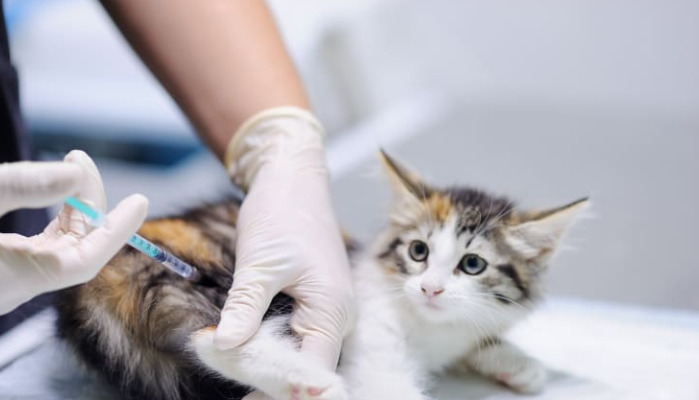
There is one licensed FIP vaccine in the United States, but its effectiveness is controversial. The vaccine is administered nasally and designed for kittens over 16 weeks. Most kittens may already be exposed to the virus by this age, reducing the vaccine’s utility. Studies have given mixed results, and leading veterinary organizations do not routinely recommend it.
Antiviral Treatments
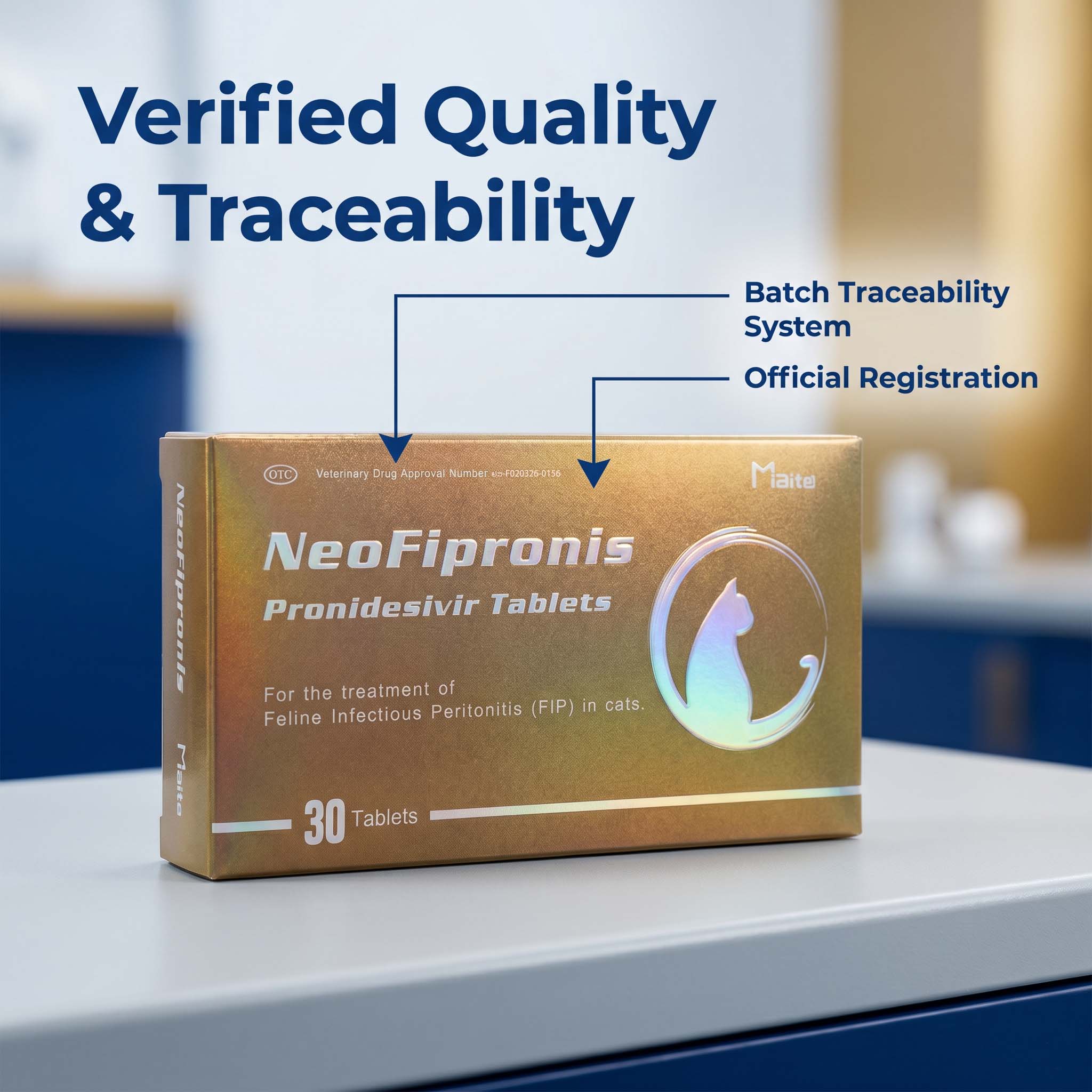
Recent years have seen the development of promising antiviral drugs, such as GS-441524, which have dramatically improved survival rates for some cats with FIP. These treatments, however, are not preventive; they can only be used after the disease has developed.
Is FIP Inevitable in Group-Living Cats?
Shelters, catteries, and foster homes struggle with high FCoV exposure rates. Good hygiene, maintaining low-stress conditions, and careful management of cat populations are the best tools currently available. However, even in ideal circumstances, the random nature of viral mutation means that no approach offers a guarantee against FIP. Outbreaks remain rare, supporting the idea that, while minimizable, FIP cannot be eradicated at this time.
The Role of the Cat’s Immune Response
FIP only develops when the immune response to the mutated virus backfires, creating widespread inflammation. Research shows that cats with certain immune profiles (such as immature immune systems in kittens) are less able to contain the mutated virus, predisposing them to FIP. There is ongoing research to unravel whether immune modulation or early detection of at-risk individuals could help in the future.
Living With the Risk: Advice for Cat Owners
For single-cat households, good household hygiene, routine veterinary care, and stress minimization generally suffice to keep FIP risk extremely low. For those with multicat environments, extra steps are needed:
Avoid overcrowding.
Keep litterboxes and food/water stations separate and clean.
Bring new cats in slowly, with quarantine.
Work with veterinarians to monitor overall herd health.
Debunking Myths: Can FIP Be “Caught” From Another Cat?
It is important to clarify that classic contagious transmission of FIP does not typically occur. Instead, cats "catch" the common feline coronavirus and, rarely, one cat’s virus mutates internally into FIP. Contact with a sick FIP cat is unlikely to spread the disease, but it may signal an environment with widespread coronavirus.
What the Future Holds: Hope in Research
Recent years have witnessed great strides in the understanding of FIP. Advancements in diagnostic technology have made detection more precise. Antiviral drugs, while not preventive, extend the lives of hundreds of previously doomed cats. Studies are ongoing to better define genetic risk and to create more effective vaccines.
Despite these advances, the interplay of viral mutation and individual immune response means that FIP is, for now, not wholly avoidable—especially in environments with numerous cats. However, knowledge is power: by understanding the routes of infection and risk factors, owners and caretakers can reduce, albeit not entirely eliminate, the likelihood of FIP.
References
Pedersen, N. C. (2009). "A Review of Feline Infectious Peritonitis Virus Infection: 1963–2008". Journal of Feline Medicine and Surgery.
Addie, D. D., Jarrett, O. (1990). "Feline coronavirus infections". In: Greene, C.E. (Ed.), Infectious Diseases of the Dog and Cat. W.B. Saunders.
Foley, J. E., Poland, A., Carlson, J., Pedersen, N. C. (1997). "Risk factors for feline infectious peritonitis in cats in multiple-cat environments with endemic feline coronavirus". Journal of the American Veterinary Medical Association.
Addie, D. D., et al. (1995). "Can Feline Coronavirus Mutate to Cause Feline Infectious Peritonitis?" Veterinary Record.
American Association of Feline Practitioners. "Feline Infectious Peritonitis: Guidelines and Recommendations".
Hartmann, K. (2005). "Feline infectious peritonitis". Veterinary Clinics of North America: Small Animal Practice.
Pedersen, N. C., Black, J. W. (1983). "Attempted immunization of cats against feline infectious peritonitis using temperature-sensitive mutant feline infectious peritonitis virus". American Journal of Veterinary Research.
Vennema, H., Poland, A., Foley, J., Pedersen, N. C. (1998). "Feline infectious peritonitis viruses arise by mutation from endemic feline enteric coronaviruses". Virology.
Kipar, A., Meli, M. L. (2014). "Feline infectious peritonitis: still an enigma?" Veterinary Pathology.