What Happens if FIP Treatment Is Stopped Halfway
Introduction to Feline Infectious Peritonitis (FIP)
Feline Infectious Peritonitis (FIP) is a devastating disease affecting domestic cats worldwide. Caused by a mutation of the feline coronavirus (FCoV), FIP primarily attacks young cats and those living in multi-cat households. The condition manifests in two main forms: "wet" (effusive), which is characterized by the accumulation of fluid in body cavities, and "dry" (non-effusive), where granulomas form in organs. Historically regarded as almost invariably fatal, recent advances in antiviral treatment—most notably the use of GS-441524 and its derivatives—have dramatically improved survival rates for affected cats.
How FIP Treatments Work
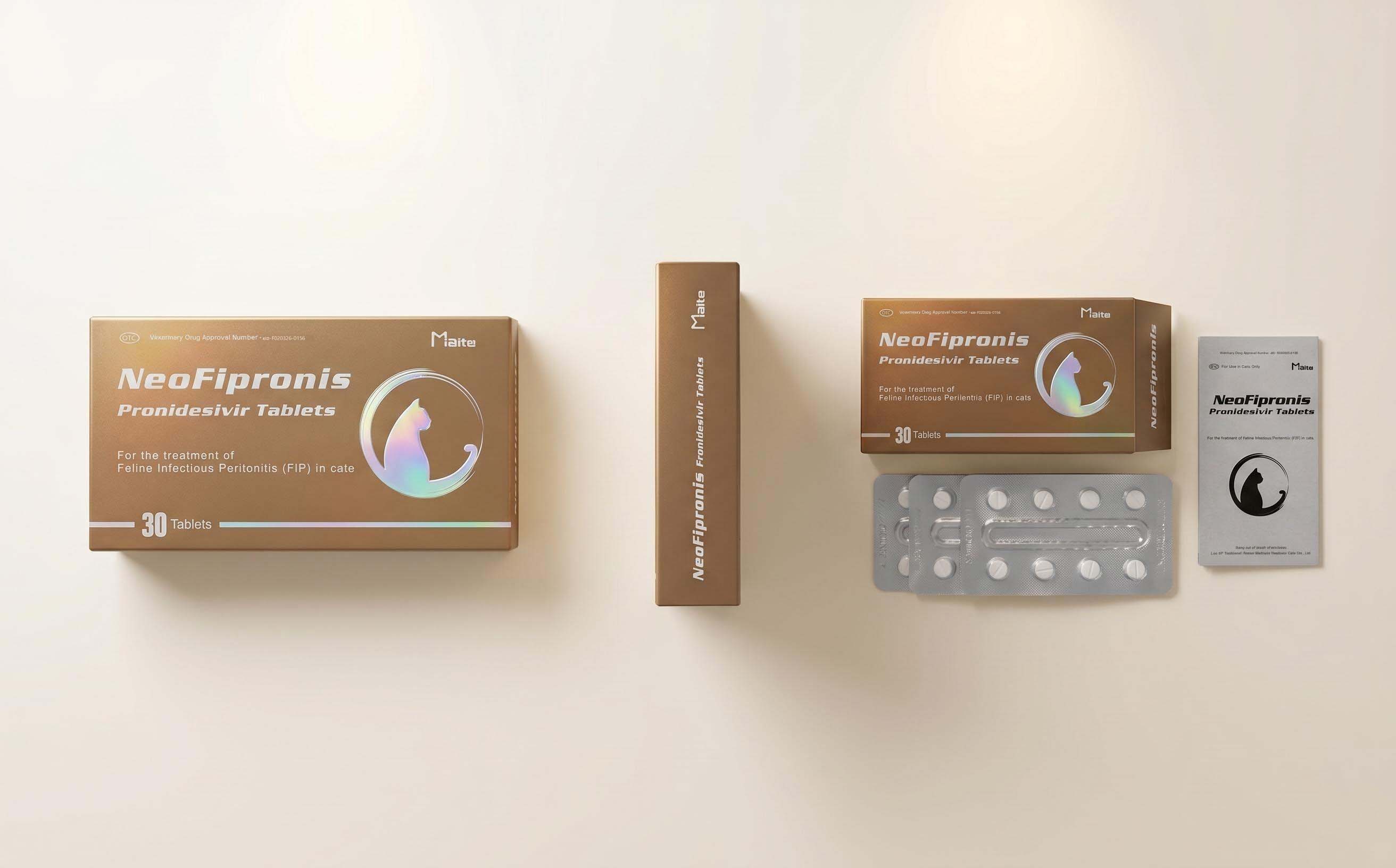
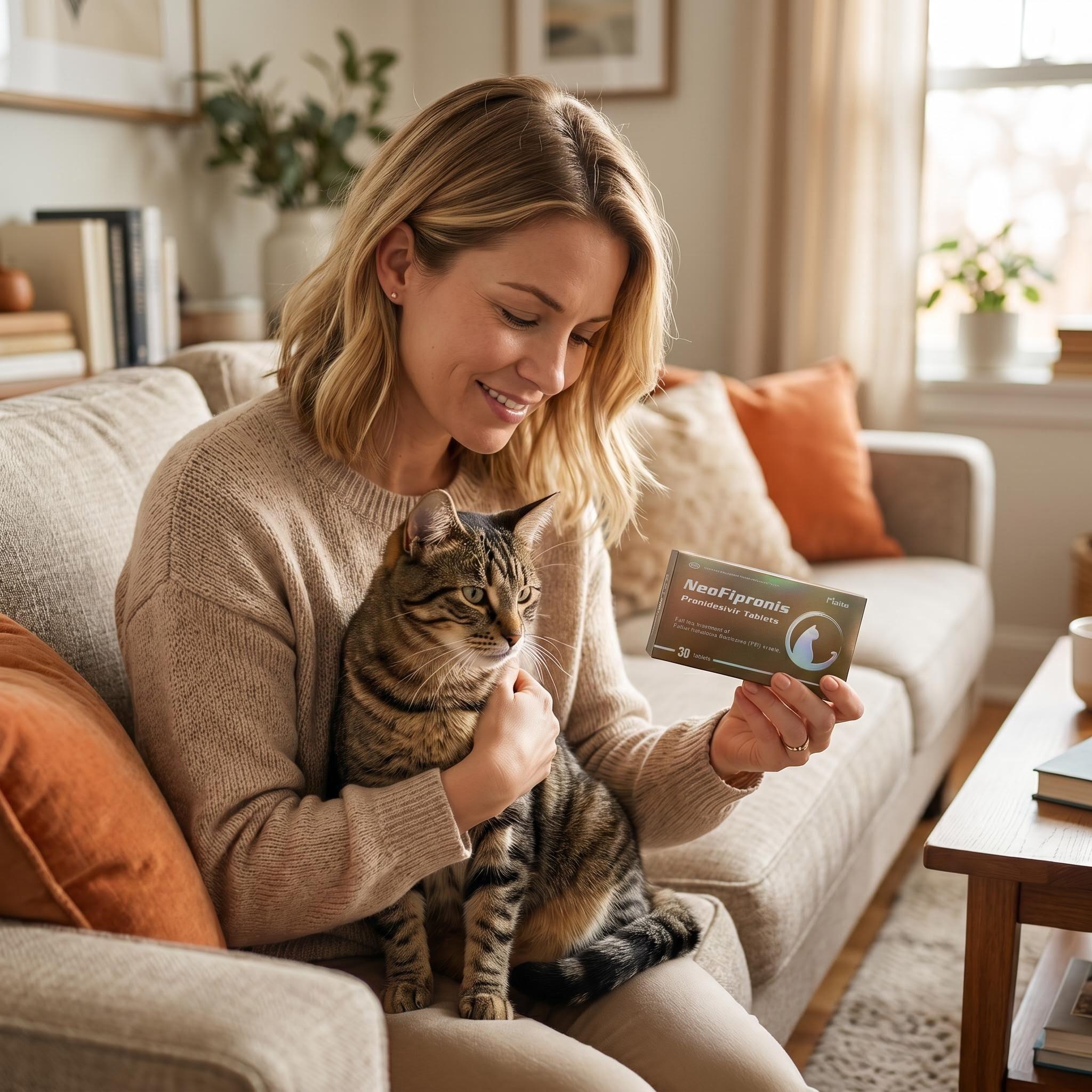
Modern FIP therapies target viral replication using nucleoside analogs, which disrupt the coronavirus's ability to copy itself. GS-441524, the active compound underlying most successful therapies, is given as injections or oral tablets over a typical course of 12 weeks. The goal of treatment is not simply symptom management, but viral eradication, allowing the cat to return to normal health and life expectancy.
Dosage protocols, adherence to timelines, and clinical monitoring throughout the medication period are critical to success. Owners must be vigilant about dosing schedules, possible side effects, and regular veterinary checkups to ensure positive outcomes. For many, the process requires significant financial and emotional commitment, but emerging data suggest that the vast majority of cats treated properly with full-duration therapy can achieve lasting remission.
The Importance of Completing the Full Treatment Course
Most veterinary professionals and FIP researchers stress that completing the recommended course of antiviral medication is vital. The logic is straightforward: incomplete eradication of the virus may allow it to regain strength, mutate, or adapt, rendering subsequent treatments less effective. Additionally, residual viral populations can persist in organs or tissues, ready to flare up when the immune system is impaired.
A full course ensures all viral particles are targeted, giving the cat’s immune system a chance to reset and heal. The evidence from clinical trials, anecdotal reports, and published literature consistently points to higher relapse rates when treatment is cut short.
What Happens If FIP Treatment Is Stopped Prematurely?
Relapse and Disease Progression
Halting FIP treatment before the full duration drastically increases the risk of relapse. Incomplete viral clearance allows the pathogen to continue attacking organs, either immediately or after a temporary lull. Symptoms may return in their original form, or they may emerge in different tissues, depending on where the virus was able to persist. Clinical manifestations often worsen with each relapse, as the immune system becomes more overwhelmed.
Veterinarians report cases where cats appear healthy for weeks or months after premature discontinuation, only to succumb rapidly when symptoms reappear. The recurrence is often more severe, can involve resistant viral strains, and may require higher dosages to control—a complication that increases side-effect risks and medication costs.
Antiviral Resistance
Another concern centers on the development of resistance. Similar to antibiotic resistance in bacteria, viruses exposed to sub-therapeutic levels of antivirals during incomplete treatment may mutate into forms less responsive to drugs. Although resistance in FIP treatments is not fully understood, early evidence suggests that cats experiencing multiple incomplete or interrupted courses can become much harder to treat over time. Veterinarians may need to try alternate compounds, which may be less available, more expensive, or have less favorable safety profiles.
Residual Organ Damage
Even if a cat appears to recover during or shortly after a shortened treatment course, lasting organ damage is a major concern. FIP is notorious for causing inflammation in organs such as the liver, kidneys, and central nervous system. Untreated or partially treated inflammation can result in permanent injury, reducing long-term health and life expectancy. Neurological symptoms, in particular, can become irreversible, leaving cats with mobility impairments, seizures, or chronic pain.
Threat to Other Cats
Resumed viral shedding is possible if treatment is stopped prematurely, especially in multi-cat households. While the mutated coronavirus responsible for FIP is typically not transmissible directly, the underlying FCoV can be, and cats can continue infecting others. This perpetuates the cycle of illness, creating the risk of new FIP cases in susceptible cats sharing the same environment.
Psychological and Financial Consequences
Cat owners who stop therapy early often do so due to financial constraints, misconceptions about disease remission, or fear of side effects. Unfortunately, relapse or disease progression necessitates renewed veterinary interventions, higher drug costs, and potential hospitalization, amplifying both psychological stress and financial burdens. Emergency situations may arise as symptoms escalate, leading to hurried, more costly decisions.
Owners who observe dramatic initial responses to antiviral therapy—such as return to normal appetite, energy, and weight gain—may believe the cat is cured and opt to stop treatment. Misinterpretation of these temporary improvements can delay appropriate care until the situation worsens.
Veterinary Recommendations and Guidelines
Leading researchers and veterinarians specializing in FIP now firmly recommend full-duration antiviral therapy. This generally consists of daily dosing over 84 days (12 weeks), and regular monitoring of blood parameters, clinical symptoms, and, if possible, viral load. Adjustments to protocols may be made based on individual response, adverse effects, or the presence of neurological involvement, but the fundamental principle remains: stop therapy only with veterinary approval after confirming stable remission.
Guidelines developed by FIP specialists at major university hospitals, such as UC Davis and Texas A&M, outline minimum treatment durations, suggest bloodwork testing timelines, and detail criteria for declaring remission. These standards are meant to maximize chances of long-term recovery and minimize complications.
Veterinary support organizations, such as the FIP Warriors group, educate clients on these protocols and highlight the dangers of interrupted treatment. Ongoing peer support from others in the FIP community helps reinforce best practices, encourages full adherence, and dispels myths that quick symptom resolution equates to viral cure.
Special Cases: Side Effects and Emergency Interruptions
In rare situations, a cat may experience adverse effects during therapy, such as injection site reactions, gastrointestinal upset, or hematological abnormalities. If drug intolerance or a concurrent medical emergency arises, veterinarians must carefully weigh the risks and benefits of continuing versus pausing therapy. In such cases, supportive care may be warranted, and alternative drugs or dosing modifications may be attempted.
Owners facing difficulties with drug acquisition—due to legal, supply chain, or cost-related issues—should consult their veterinarian and explore resource communities for guidance. Halting therapy on one’s own is fraught with risk and may jeopardize the cat’s survival.
Case Studies and Owner Experiences
Numerous published case studies and online reports from cat owners illustrate the consequences of incomplete treatment. Examples include:
A three-year-old tabby with effusive FIP showed marked improvement after four weeks of therapy but relapsed with neurological symptoms two months after early discontinuation.
A six-month-old Maine Coon completed only half the recommended antiviral course and later suffered from severe anemia and weight loss, ultimately requiring more aggressive and costly interventions.
A recently published veterinary review documented that over 80% of cats stopping treatment prematurely relapsed, compared to less than 10% relapse rates in those completing the full course.
These stories frequently surface in FIP-focused online forums and support groups, serving as sobering reminders to new clients embarking on the treatment journey.
Ethical and Legal Considerations
Since some FIP antiviral drugs remain unapproved in certain jurisdictions, owners and veterinarians may confront ethical questions regarding drug access and off-label usage. Nonetheless, the overwhelming consensus is that when a cat is given antiviral therapy, it should be completed as prescribed for humane and medical reasons. Interruptions due to legal or supply issues are regrettable, but alternative sources and support networks have begun to fill gaps for many in need.
Clinicians are urged to communicate clearly with clients about anticipated costs, required commitment, and the risks associated with incomplete therapy. Transparent discussion helps prevent misunderstandings and improves long-term outcomes.
Prognosis After Incomplete Treatment
Cats surviving a prematurely interrupted treatment course usually face a guarded prognosis. While a minority may experience spontaneous remission, most will relapse, often with more severe symptoms and organ involvement. Survival rates decrease with each subsequent incomplete or failed therapy. Some cats may develop chronic complications—such as neurological damage or persistent anemia—even if additional therapy is later administered.
When retreatment is pursued, dosing protocols are often increased, and duration extended, reflecting the higher risk of resistance and organ damage. Success rates drop, and costs rise proportionally, creating difficult choices for both owners and veterinarians.
Preventive Strategies and Owner Education
The most effective strategy to prevent incomplete treatment and its negative consequences is robust owner education. Veterinary teams are increasingly preparing informational handouts, online videos, and interactive sessions for clients. Clear communication about the nature of FIP, the mechanics of antiviral therapy, average costs, follow-up requirements, and supportive resources has been shown to increase adherence rates.
Peer support networks—both local and online—help owners struggling with logistics or doubts, and experienced individuals share their stories to emphasize the importance of full-cycle therapy. Financial assistance programs are emerging for those in need, helping reduce interruptions caused by unexpected expenses.
For multi-cat households, proactive environmental management—such as hygiene improvements and FCoV transmission prevention—helps lower risk for all residents. Regular screening and early isolation of symptomatic cats can mitigate major outbreaks.
Future Directions in FIP Treatment and Management
As research progresses, newer antiviral compounds are being developed with the goal of improving efficacy, minimizing side effects, and reducing costs. Continued studies on dosing protocols, resistance mechanisms, and immune-modulating adjunct therapies hope to further elevate remission rates and quality of life for affected cats. Regulatory approval of FIP treatments in more countries will eventually remove legal barriers to the full course of therapy, streamlining recommendations and increasing standards of care.
Content References
1. Pedersen NC, et al. "Efficacy of a 12-week regimen of GS-441524 for the treatment of feline infectious peritonitis." Journal of Feline Medicine and Surgery, 2019.
2. Addie DD, et al. “Feline Coronavirus Infection: ABCD Guidelines on Prevention and Management.” Journal of Feline Medicine and Surgery, 2022.
3. FIP Warriors USA. “User Experiences and Treatment Protocols for FIP and GS-441524.” https://www.fipwarriors.com
4. UC Davis School of Veterinary Medicine. “FIP Treatment Guidelines and Owner Resources.” https://www.vetmed.ucdavis.edu/fip
5. Dickinson PJ, et al. “Neurologic Manifestations of Feline Infectious Peritonitis." Journal of Veterinary Internal Medicine, 2020.
6. Murphy BG, et al. “Investigation into Antiviral Resistance in FIP Treatment.” Veterinary Microbiology, 2022.
7. Griffin B, et al. “Owner Compliance in FIP Treatment Success Rates.” Journal of Small Animal Practice, 2021.
8. Gaskell RM, “Feline Infectious Peritonitis: Pathogenesis and Prospects for Prevention.” Veterinary Record, 2019.
9. Texas A&M Veterinary Medical Teaching Hospital. “Current Recommendations for FIP Therapy.” https://vetmed.tamu.edu/fip
10. Ikeda A, et al. “Clinical Outcomes of FIP Therapy Interruptions: A Case Series.” Frontiers in Veterinary Science, 2023.