What Tests Are Needed When FIP Is Suspected
Feline Infectious Peritonitis (FIP) is a serious and often fatal disease in cats caused by a mutated form of the feline coronavirus (FCoV). Because its clinical signs can mimic other feline diseases, accurate diagnosis is crucial for proper management. When a veterinarian suspects FIP, a combination of diagnostic tests and clinical evaluations is necessary to confirm the presence of the disease. This article explores the various tests employed in the diagnosis of suspected FIP cases, their purposes, advantages, limitations, and how to interpret results in a clinical context.
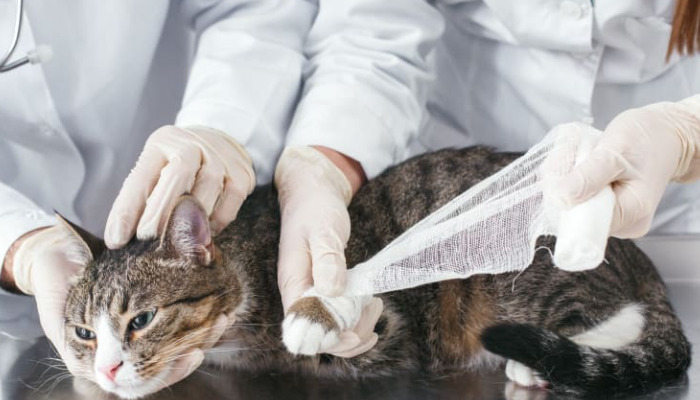
Clinical Examination and History
Initial diagnosis begins with a thorough clinical examination and history-taking. Cats with FIP often present with non-specific signs such as weight loss, lethargy, fever, and decline in overall condition. The clinical form (wet or dry) influences specific findings: wet FIP typically results in abdominal or thoracic effusion, while dry FIP may show granulomatous lesions in organs like the kidneys, liver, or brain. Recognizing these signs guides subsequent testing.
Laboratory Blood Tests
Routine bloodwork provides valuable clues. A complete blood count (CBC) often reveals a non-regenerative anemia, lymphopenia, or neutrophilic leukocytosis. Serum biochemistry may show elevated globulin levels, decreased albumin-to-globulin ratio, and liver enzyme abnormalities. Although these findings are not definitive, they support suspicion of FIP, especially in conjunction with clinical signs.
Serological Testing
Serological tests detect antibodies against feline coronavirus (FCoV). However, their interpretation is complex:
FCoV Antibody Tests: A positive result indicates exposure but does not confirm FIP, since many cats are asymptomatic carriers.
Limitations: High prevalence of FCoV infection in multi-cat environments reduces specificity. A negative antibody test does not exclude FIP, particularly in early stages or immunosuppressed cats.
Thus, serology alone cannot establish a definitive diagnosis of FIP but can support clinical suspicion.
Polymerase Chain Reaction (PCR) Testing
PCR assays detect FCoV RNA in tissues or fluids, providing a more direct indication of infection:
Sample Sources: Effusions, blood, tissues, or feces can be tested.
Advantages: PCR offers high sensitivity and specificity in detecting FCoV.
Limitations: Presence of viral RNA does not necessarily indicate FIP, as FCoV can be present without causing disease. Differentiating between benign enteric FCoV and pathogenic mutated strains remains challenging.
Advanced PCR techniques targeting specific mutations (e.g., mutations in the 3c or 7b genes) are under development but are not yet widely available.
Analysis of Effusions
In suspected wet FIP cases, fluid analysis is pivotal:
Gross Examination: Effusions are often straw-colored, viscous, and protein-rich.
Biochemical Analysis: Elevated total protein concentration (>3.5 g/dL) and high albumin-to-globulin ratio can suggest FIP.
Cytology: Presence of pyogranulomatous inflammation with modified macrophages supports FIP diagnosis.
FCoV PCR on Effusion: Can detect viral RNA in the fluid, reinforcing suspicion.
Immunohistochemistry (IHC)
IHC involves staining tissue biopsies for FCoV antigen:
Procedure: Requires tissue samples obtained via biopsy or necropsy.
Significance: Detects FCoV within macrophages in granulomatous lesions, providing strong evidence for FIP.
Limitations: Invasive and not always feasible ante-mortem; however, invaluable post-mortem.
Histopathology and Tissue Biopsy
Histopathological examination of affected organs offers definitive diagnosis:
Lesion Identification: Granulomatous vasculitis and perivascular infiltration by FCoV-infected macrophages are characteristic.
FCoV Detection: IHC or in situ hybridization confirms viral presence within lesions.
While definitive, tissue biopsies are invasive and often reserved for cases where diagnosis remains uncertain.
Emerging Diagnostic Tools
Recent advances include serum and plasma amyloid A levels, and detection of specific viral mutations. Research continues to refine non-invasive tests with higher specificity and sensitivity, aiming to reduce reliance on invasive procedures.
Conclusion
Diagnosing FIP remains challenging due to the non-specific nature of clinical signs and limitations inherent to each diagnostic modality. A combination of clinical evaluation, blood work, serology, PCR, effusion analysis, and tissue histopathology forms the current diagnostic framework. This multi-method approach increases diagnostic confidence and guides appropriate management, although definitive antemortem diagnosis can still be elusive. Close collaboration between veterinarians and clients, along with awareness of each diagnostic tool’s strengths and limitations, is essential in managing suspected FIP cases effectively.
References
1. Pedersen, N. C. (2014). A review of feline infectious peritonitis virus infection and treatment. Journal of Feline Medicine and Surgery, 16(4), 301-307.
2. Hartmann, K. (2005). Feline infectious peritonitis. The Veterinary Clinics of North America: Small Animal Practice, 35(1), 39-79.
3. Addie, D. D., & Jarrett, O. (1995). Feline coronavirus infections. In Feline Medicine and Therapeutics (pp. 269-283).
4. Kipar, A., & Meli, M. L. (2014). Feline infectious peritonitis: still an enigma. Veterinary Pathology, 51(2), 505-526.
5. Vennema, H., et al. (1998). Feline infectious peritonitis: clinical aspects and diagnosis. Vaccine, 16(11), 1060-1065.