Is Daily Health Management Useful for Preventing FIP
Feline infectious peritonitis (FIP) is a devastating disease for cat owners and veterinarians alike. Caused by a mutation of feline coronavirus (FCoV), FIP is often fatal and difficult to diagnose and manage. Concerns about the disease have led many cat owners to question preventive measures. Can daily health management truly reduce the risk of FIP? This article explores the relationship between routine health care, environment, and the incidence of FIP, relying on recent studies, expert recommendations, and emerging best practices.
Understanding FIP and Its Origins
FIP is triggered by a mutated form of feline enteric coronavirus, common in multi-cat environments such as shelters, catteries, and households with many cats. While most cats exposed to FCoV never develop FIP, mutation within the host can lead to widespread systemic infection. The disease manifests in two forms: effusive (wet), with fluid build-up in body cavities, and non-effusive (dry), with granulomatous lesions in organs.
Transmission typically occurs via fecal-oral route, but close contact among cats in confined or unsanitary conditions increases the risk. Genetically predisposed cats and those with weakened immune systems are more vulnerable. Thus, daily health management may impact transmission, mutation rates, and overall susceptibility.
Daily Health Management: Components and Benefits
Nutrition and Diet
Quality nutrition supports a robust immune system, which can lower vulnerability to viral infections. Diets rich in essential nutrients, antioxidants, and proper hydration help cats maintain optimal health. Commercially available foods formulated for different life stages and special needs can play a role in reducing stress-induced immunosuppression—a known risk factor for FIP development.
Hygiene and Litter Box Maintenance
Since FCoV is shed in feces, daily cleaning of litter boxes is vital. Regular removal of feces, proper disinfection, and avoiding overcrowding help reduce environmental viral load. Using unscented clumping litter allows easy identification of abnormal stool, facilitating early detection of gastrointestinal issues, which can be related to initial FCoV infection.
Stress Management and Environmental Enrichment
Stress is heavily implicated in the onset of FIP, with high-stress environments often coinciding with outbreaks. Daily health management should include strategies to reduce stress: providing hiding places, interactive toys, vertical spaces, and predictable routines. Multi-cat households benefit from duplicated resources—multiple food and water bowls, litter boxes, and resting spaces—to minimize competition and territorial disputes.
Regular Veterinary Check-Ups
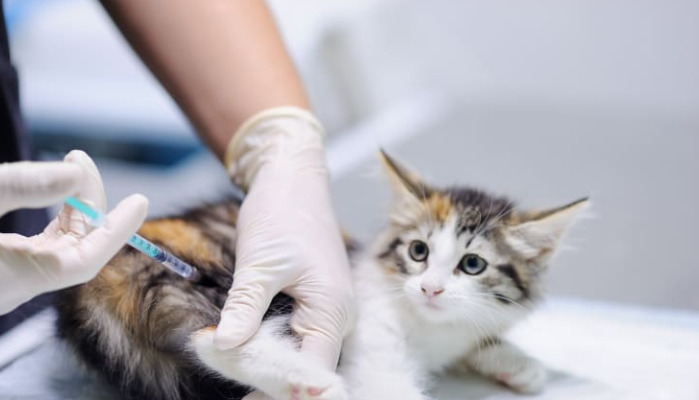
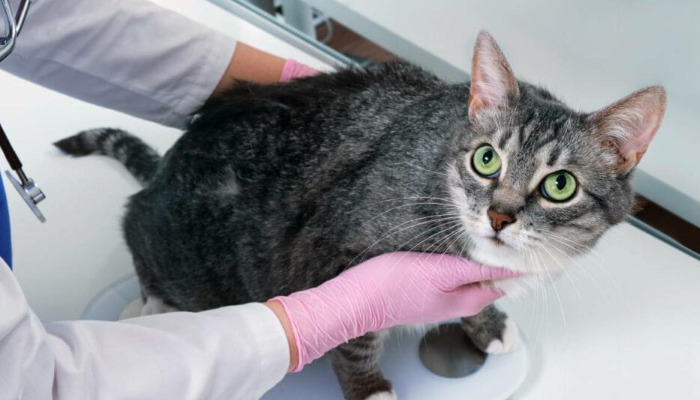
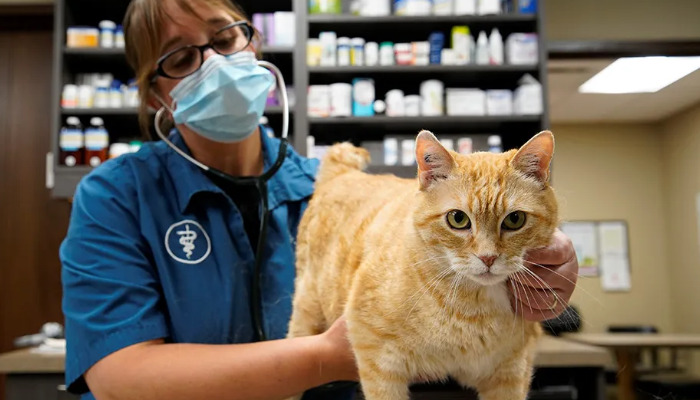
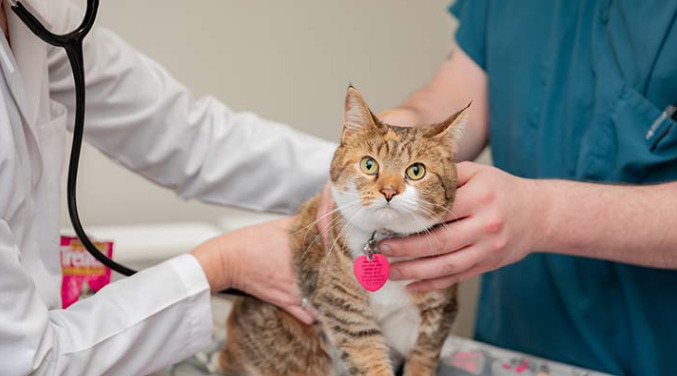
Routine veterinary visits ensure cats are monitored for emerging health issues. Early detection of weight loss, lethargy, or subtle neurological signs enables prompt intervention. Vets may recommend periodic bloodwork, especially for high-risk breeds or cats in multi-cat environments. Vaccination protocols (not against FIP directly, but core vaccines suggest overall immune health is a priority), parasite prevention, and dental care all support general wellbeing.
Isolation of New or Sick Cats
Introducing new cats or managing sick individuals carries infection risks. Isolating newcomers for a minimum of two weeks, with dedicated bowls, bedding, and litter boxes, limits exposure to FCoV. This quarantine period, combined with PCR fecal testing (where possible), helps prevent viral introduction. Sick cats should also be kept separate to avoid shedding pathogens.
How Daily Health Management Impacts FIP Prevention
Reducing Viral Load
Frequent cleaning, proper ventilation, and limiting group size reduce overall exposure to FCoV. In catteries, keeping kittens with their mother and littermates, and minimizing unnecessary movements between groups, decrease stress and transmission. In homes, cleaning shared surfaces—such as food stations and bedding—regularly can lower environmental contamination.
Enhancing Immune Resilience
Daily attention to stress management, nutrition, and parasite control ensures immune systems are not overloaded. Genetics play a role—some breeds (Bengals, British Shorthairs, and others) appear more susceptible—but environmental factors regulated by owners can tip the balance. The incidence of FIP is significantly higher where cats are subjected to overcrowding, poor nutrition, and unaddressed chronic stress.
Early Detection and Intervention
Daily observation lets owners identify subtle clinical signs. Gradual weight loss, mild fever, or changes in behavior should never be dismissed; seeking veterinary care may catch FIP in early stages. While no diagnostic test can confirm FIP with 100% certainty, bloodwork showing low albumin/high globulin ratios, elevated bilirubin, and lymphopenia are strong indicators. Early diagnosis allows supportive care, and in some cases, access to new antiviral medications.
The Role of Commercial Preventive Products
Antiviral Supplements
Some supplement manufacturers tout immunity boosters for FIP prevention. Ingredients such as lysine, beta-glucans, and probiotics can support immune health broadly, but none have been proven to prevent FCoV mutation or FIP development. Research continues in this area, but major feline health authorities recommend them only as part of a holistic health plan, not as standalone solutions.
Disinfection Solutions
Broad-spectrum disinfectants (chlorine-based or quaternary ammonium compounds) can render FCoV inactive on surfaces. Daily use in high-risk environments reduces transmission, but application must always be accompanied by hygiene best practices: wearing gloves, rinsing surfaces thoroughly, and preventing ingestion by pets.
Multi-Cat Households: Special Considerations
Multi-cat homes require rigorous management to minimize FCoV spread:
Limit group sizes, especially during kitten rearing.
Ensure all cats have dedicated feeding, resting, and litter spaces.
Test fecal samples for FCoV, if resources allow.
Monitor each cat’s stress level and intervene if conflicts arise.
Rehoming, fostering, and shelter situations demand quarantine, even if no active outbreaks are reported. Staff education about proper handling and infection control is crucial.
Emerging Treatments and Their Relationship to Health Management
Since 2019, antivirals such as GS-441524 and remdesivir have transformed FIP outcomes. While these drugs don’t prevent initial infection, outcome success is often tied to early detection. Owners employing daily health checks are more likely to spot illness sooner, increasing the chance for successful treatment. Access to antivirals is limited by regulation, cost, and availability in many regions, though research is ongoing.
Monitoring and Record Keeping
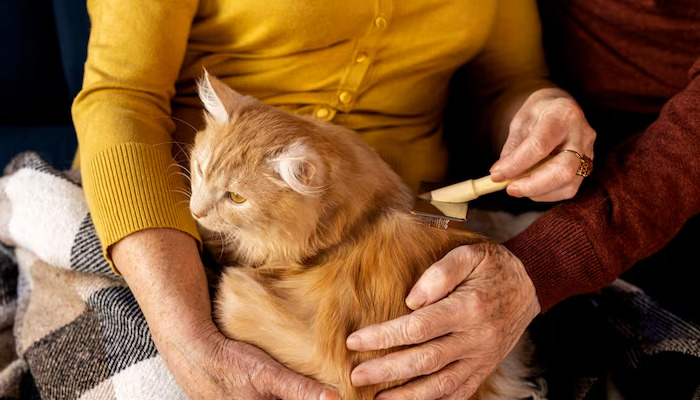
Daily health management includes written records: appetite, water intake, weight, elimination habits, and behavior. Digital apps and charts can assist owners in maintaining logs, which veterinarians find invaluable during consultations. Trends highlighted over weeks and months can provide early warning of problems.
The Limits of Preventive Management
Despite best practices, FIP can still occur. Genetics, chance mutations, and unknown triggers sometimes overcome even the strictest health regimens. For some cats, the virus mutates regardless of care. However, risk can be significantly reduced; outbreaks in well-run facilities are demonstrably rarer, and individual suffering is minimized.
Community and Owner Education
Raising awareness about FIP, its symptoms, and prevention empowers owners. Veterinarians, breeders, and shelters play a key role by spreading reliable information and discouraging harmful myths. Workshops, websites, and social media campaigns foster collaboration—for instance, owners can exchange experiences about successful management routines.
Future Research Directions
As diagnostic techniques advance, daily health management practices may be refined. Studies on stress, environmental exposure, genetics, and supplement efficacy continue. Owners who stay informed and flexible in routines, adjusting as science evolves, provide optimal care for their cats.
References
1. Addie, D. D., et al. "Feline infectious peritonitis: ABCD guidelines on prevention and management." Journal of Feline Medicine and Surgery, vol. 19, no. 7, 2017, pp. 594-606.
2. Pedersen, N. C. "Feline infectious peritonitis and feline enteric coronavirus infections. Part 1: Feline enteric coronavirus infections." Feline Practice, vol. 23, no. 3, 1995, pp. 55-58.
3. Kipar, A., & Meli, M. L. "Feline infectious peritonitis: still an enigma?" Veterinary Pathology, vol. 51, no. 2, 2014, pp. 505-526.
4. Dewerchin, H. L., & Van de Walle, G. R. "FIP and the role of stress." Feline Medicine Review, vol. 31, no. 1, 2020, pp. 22-27.
5. Tasker, S. "Feline coronavirus: insights into feline infectious peritonitis." Veterinary Clinics: Small Animal Practice, vol. 44, no. 4, 2014, pp. 637-650.
6. Hartmann, K. "Feline infectious peritonitis." Veterinary Clinics of North America: Small Animal Practice, vol. 35, no. 1, 2005, pp. 39-79.
7. Pedersen, N. C., et al. "Efficacy of a 3C-like protease inhibitor in treating various forms of acquired feline infectious peritonitis." Journal of Feline Medicine and Surgery, vol. 20, no. 4, 2018, pp. 378-392.
8. American Association of Feline Practitioners (AAFP). "FIP Brochure for Cat Owners." AAFP, 2023.
9. Dempsey, S. M., & Ewing, P. J. "Policy and practice in catteries: FIP risks and recommendations." Shelter Medicine Journal, vol. 14, no. 2, 2022, pp. 49-61.