Everything Cat Owners Need to Know About FIP Symptoms

Feline Infectious Peritonitis (FIP) is one of the most challenging diseases for cat owners to understand due to its complex nature and often subtle symptoms. As a pandemic within the feline population, FIP results from a mutation of the feline coronavirus (FCoV). While many cats carry FCoV without developing illness, a small percentage may develop FIP, which can be fatal. Recognizing early symptoms is crucial for timely intervention and care.
Understanding FIP
FIP is caused by a mutated form of the feline coronavirus, which is common among multi-cat households and shelter environments. Most cats infected with FCoV show either no symptoms or mild gastrointestinal issues. In contrast, FIP occurs when the virus mutates within a cat’s body, leading to a severe, systemic illness. The disease manifests mainly in two forms: the "wet" (effusive) form and the "dry" (non-effusive) form.
The Pathophysiology
The mutated virus triggers an intense immune response, causing inflammation of the blood vessels, which results in fluid accumulation in body cavities (such as the abdomen or chest) in the wet form. The dry form involves granulomatous lesions in organs like the liver, kidneys, and lymph nodes. Both forms can cause severe health decline, but early detection significantly impacts treatment options and prognosis.
Common Symptoms to Watch For
The symptoms of FIP are often nonspecific, making detection challenging. However, certain signs should raise concern:
Weight loss: A gradual or rapid loss of weight, despite good appetite, can be an early indicator.
Fever: Persistent fever that does not respond to antibiotics.
Lethargy: Decreased activity levels, reluctance to play or move.
Poor coat condition: Dull fur, hair loss, or skin issues.
Loss of appetite: Reduced or complete lack of interest in food and water.
Abdominal swelling: Noticeable bloating or distension, especially in the wet form.
Respiratory issues: Difficulty breathing, coughing, or rapid breathing.
Neurological signs: Seizures, ataxia (loss of coordination), or behavior changes in some cases.
Eye abnormalities: Uveitis, corneal clouding, or other ocular issues.
Recognizing the Forms of FIP
Wet Form
This form is characterized by rapid accumulation of fluid in body cavities, primarily the abdomen and chest. Cats may appear distended, and breathing might become labored. Owners may notice a swollen belly or difficulty breathing.
Dry Form
The dry form develops more gradually, with granulomatous lesions forming in organs. Symptoms depend on the organs affected but often include neurological signs, eye issues, or weight loss without significant fluid buildup.
Diagnostic Challenges
Diagnosing FIP can be difficult. Symptoms overlap with many other feline diseases, and there is no single definitive test. Veterinarians often rely on a combination of diagnostic tools:
Blood tests: Show elevated globulin levels, anemia, or other anomalies.
Imaging: Ultrasound or X-rays may reveal fluid accumulation or organ changes.
Fluid analysis: When effusions are present, fluid analysis can suggest FIP.
PCR and antibody tests: Help detect FCoV RNA, but cannot definitively confirm FIP.
Histopathology: Post-mortem examination remains the gold standard for confirmation.
Treatment Options and Prognosis
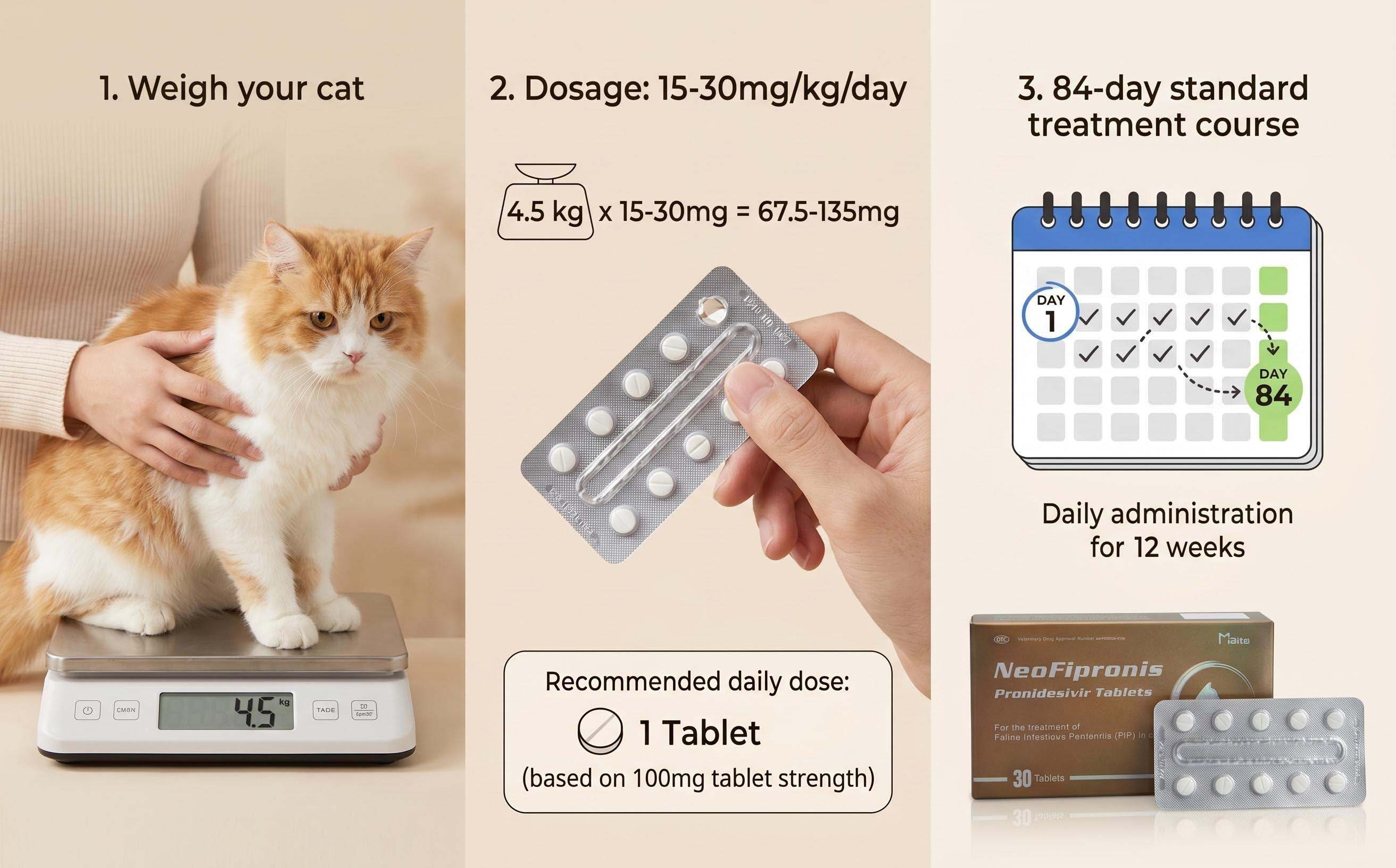
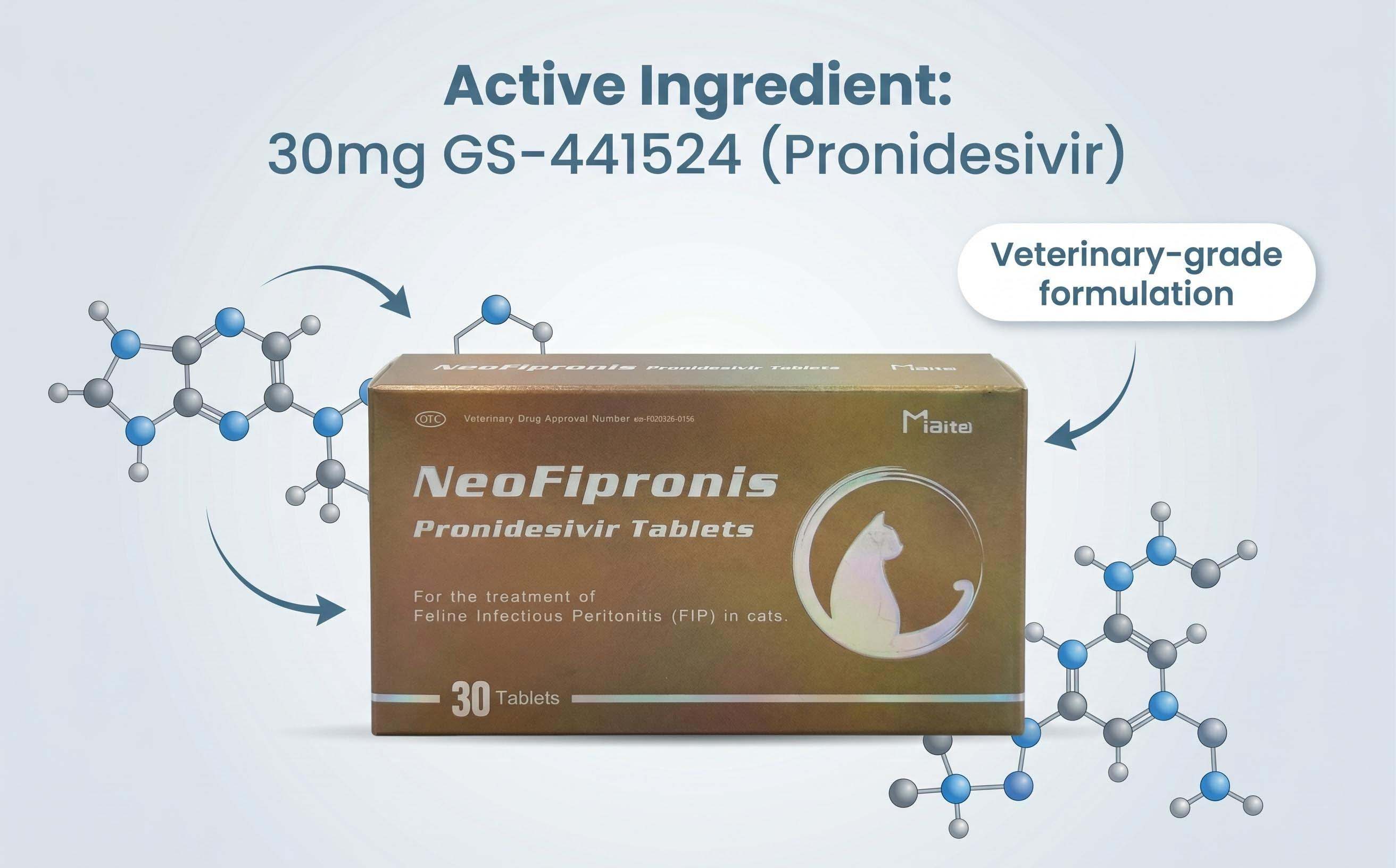
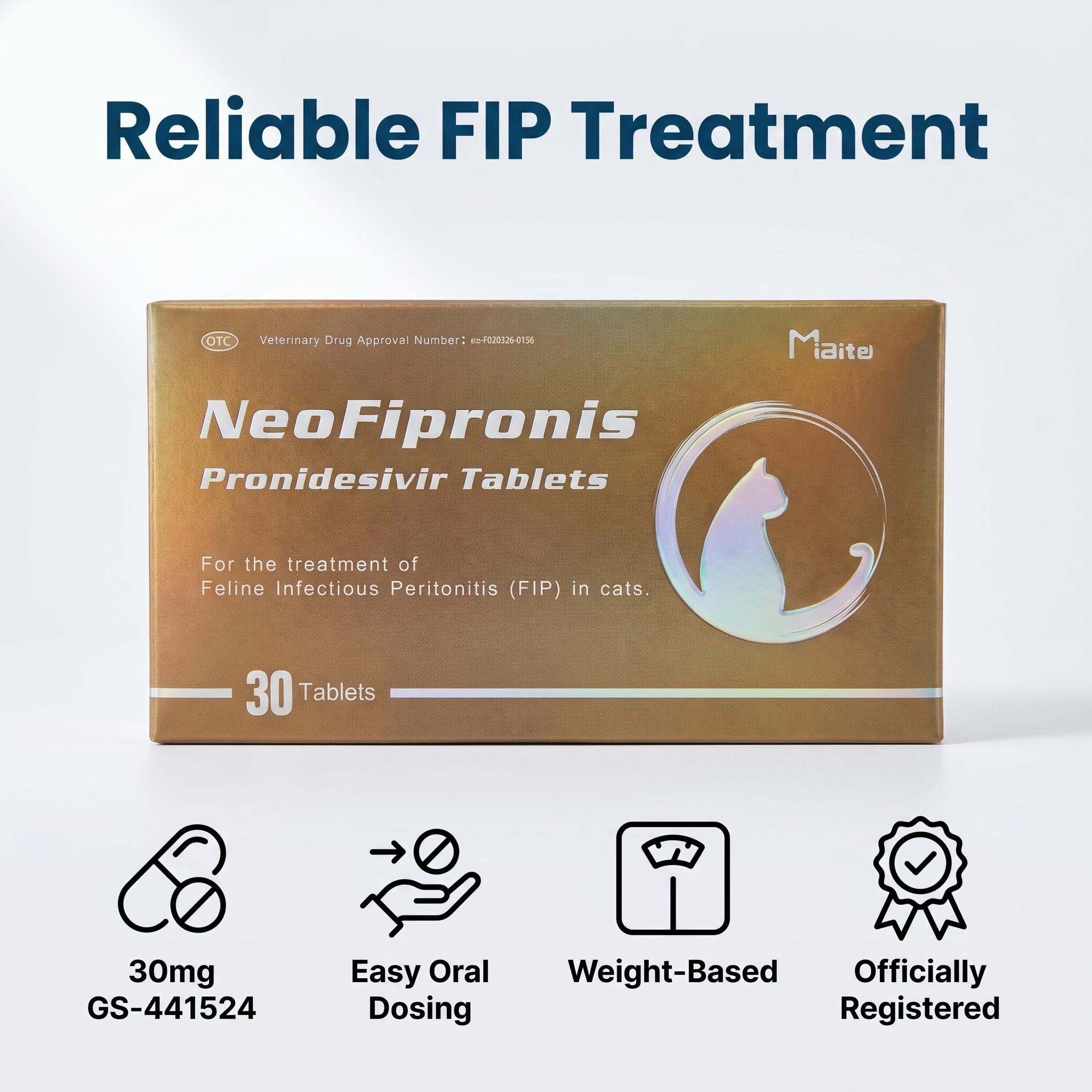
Currently, FIP has no universally effective cure. However, recent advances have led to some antiviral medications showing promise, such as GS-441524. Supportive care, including anti-inflammatory drugs, immunosuppressants, and fluid therapy, can offer some relief. The prognosis remains guarded, especially for the wet form, but early detection and experimental treatments may improve outcomes.
Preventive Measures
Preventing FIP involves controlling FCoV spread and reducing exposure risks:
Maintain good sanitation practices.
Limit multi-cat interactions if possible.
Isolate infected cats.
Reduce stress in the environment.
Regular veterinary check-ups to monitor health status.
When to Consult a Veterinarian
Owners should seek veterinary assistance if they notice any of the symptoms mentioned, especially persistent fever, weight loss, abdominal swelling, or behavioral changes. Early consultation can improve management strategies and improve quality of life, even when a cure is not available.
Conclusion
While FIP remains a complex and often fatal disease, awareness of its symptoms can lead to earlier diagnosis and better management. Understanding the differences between the wet and dry forms, recognizing warning signs, and seeking prompt veterinary care are crucial steps for cat owners. With ongoing research and emerging treatments, there's hope for improved outcomes in the future.
References
1. Pedersen, N. C. (2014). An Update on Feline Infectious Peritonitis: Diagnostics and Vaccines. Veterinary Microbiology, 174(3-4), 46–52.
2. Day, M. J. (2015). Feline Infectious Peritonitis: A Review of Pathogenesis, Diagnosis, and Treatment. The Veterinary Journal, 204(3), 180–186.
3. Teillet, A., et al. (2020). Advances in the Diagnosis and Treatment of Feline Infectious Peritonitis. Viruses, 12(11), 1241.
4. Di Tommaso, M., et al. (2021). Emerging Therapies for Feline Infectious Peritonitis. Frontiers in Veterinary Science, 8, 593.
5. Hartmann, K., et al. (2020). Feline Infectious Peritonitis: 100 Years of Fading Hope. Journal of Feline Medicine and Surgery, 22(5), 410–417.