Can Good Hygiene Help Reduce FIP Risk
Understanding Feline Infectious Peritonitis
Feline Infectious Peritonitis (FIP) is one of the most devastating diseases in the feline world, notorious for its high mortality rate and complex diagnosis. Caused by a mutated form of feline coronavirus (FCoV), FIP primarily affects domestic cats and is especially prevalent in multi-cat environments, shelters, and catteries. Due to the elusive nature of this virus and its complicated transmission routes, pet owners and veterinarians continuously search for ways to reduce FIP risk. Hygiene, as a controllable environmental factor, is often highlighted as a potential means of controlling the spread of FCoV and, by extension, decreasing FIP incidence.
How FIP Develops from Feline Coronavirus
FCoV itself is quite common among cats, with a vast majority only showing mild gastrointestinal symptoms or remaining asymptomatic. However, in rare cases, the virus mutates within a particular cat and triggers a fatal immune response known as FIP. This transition requires several factors: the specific virus mutation, the genetic susceptibility of the cat, stress, and possibly immunosuppression.
Transmission of FCoV occurs primarily via the fecal-oral route. Infected cats shed the virus in their feces. Other cats ingest the virus by coming into contact with contaminated litter, food dishes, bedding, or via grooming. Thus, multi-cat households, shelters, and catteries with crowded conditions are particularly at risk.
Evaluating the Role of Hygiene in FIP Risk Reduction
Proper hygiene practices are believed to lower the transmission of FCoV, thus indirectly reducing the likelihood that a cat will develop FIP. While hygiene cannot prevent FIP directly (since the mutation that triggers illness occurs inside the cat), it can minimize environmental exposure to the virus, which in turn lowers the number of cats carrying FCoV.
1. Litter Box Management
Cleaning litter boxes regularly is essential, ideally at least once or twice daily. Many experts suggest providing one litter box per cat plus an extra, separated throughout the home. Disinfecting boxes with effective cleaning agents, such as dilute bleach solutions, proves especially important in multi-cat settings. Using clumping, dust-free litter makes it easier to spot and remove feces promptly, minimizing environmental contamination.
2. Food and Water Dishes
Cat food and water dishes should be washed daily to remove any viral particles that may be present due to contamination. Where possible, providing separate bowls for each cat minimizes direct and indirect contact, which can lower FCoV transmission rates.
3. Surface Cleaning and Air Quality
Regular vacuuming, mopping, and wiping down surfaces (focusing on nonporous materials) can help remove virus particles shed in fur, secretions, or feces. While FCoV is relatively unstable outside the body and can be destroyed by common disinfectants, it can survive for a few days under favorable indoor conditions. Proper ventilation also plays a role, as high humidity and poor airflow may prolong viral persistence.
Multi-Cat Households and Catteries: Extra Precautions
Large groups of cats, whether in breeding operations, rescues, or sanctuaries, face particular challenges in controlling FCoV. Hygiene interventions become even more critical. Limiting overcrowding reduces stress and stress-related immunosuppression, both of which increase the risk of FIP. Isolation or quarantine of new arrivals, FCoV-positive, or symptomatic cats is strongly advised. Rotating which groups of cats have access to communal areas, and thoroughly cleaning those spaces between groups, is also beneficial.
Instituting strict protocols for staff and visitors—using foot baths, wearing personal protective equipment, or even providing dedicated clothing—can prevent spread via footwear, hands, and clothing.
Stress Management and Environmental Enrichment
While not strictly falling under hygiene, lowering stress levels is intimately tied to overall disease resistance, including FIP risk. Providing cats with sufficient hiding spots, vertical space, enrichment toys, and consistent routines minimizes behavioral stress. Lowered stress means the immune system is better able to manage everyday FCoV exposure without triggering the mutations or immune reactions leading to FIP.
Understanding Limitations of Hygiene in FIP Prevention
Despite best efforts, no hygiene measure can guarantee FIP prevention. Because the crucial step is a mutation that arises within an already-infected individual, eliminating all risk is impossible. Moreover, cats may continue shedding FCoV even in scrupulously maintained environments. Some cats act as lifelong carriers without themselves developing FIP, constantly seeding their surroundings with virus.
Vaccination against FIP exists but is controversial in efficacy, with limited and inconsistent benefits, especially in multi-cat settings. Many veterinarians focus on environmental management, stress reduction, and early disease recognition over vaccination.
Testing and Monitoring
Routine testing for FCoV antibodies or viral shedding in community cats can help identify carriers, though positive tests only indicate exposure, not active infection or FIP risk. Testing may help guide isolation decisions when managing outbreaks or introducing new cats.
Visual inspection—monitoring the health and behavior of cats daily—is one of the most valuable tools. Early identification of potential FIP symptoms (lethargy, appetite loss, abdominal swelling, fever that responds poorly to antibiotics) supports rapid veterinary intervention.
Lifespan of FCoV in the Environment
Research shows that while FCoV does not last indefinitely outside the host, it is resilient enough to persist in litter, bedding, and on surfaces for hours to days, depending on humidity, temperature, and the presence of organic matter. Disinfectants like sodium hypochlorite (bleach), potassium peroxymonosulfate, and quaternary ammonium compounds are proven effective.
Travel, Boarding, and Adoption: Minimizing Risk
For pet owners, travel and boarding can introduce new risks. Only placing cats in reputable boarding facilities with strict hygiene policies and not introducing new cats impulsively into established households lowers general infection risk.
Foster and adoption agencies must enforce quarantine periods for all new arrivals to limit new strain introduction and stress-related outbreaks. Adoption protocols sometimes include screening for FCoV status, though this is less common due to cost and test interpretation challenges.
Breeding and Early Kitten Care
Breeders play an essential role in FIP prevention. Pregnant queens and new kittens should be kept in clean, low-stress environments with as little contact as possible with non-littermates. Early and frequent cleaning of bedding and litter is recommended to reduce newborn exposure. Removing kittens from high-risk multi-cat areas as early as reasonable (while following socialization guidelines) can lower their chance of initial FCoV infection.
Vet Clinics and Hospital Acquired FCoV
Veterinary clinics see many cats in various states of health and immune function. Maintaining strict cleaning protocols on exam surfaces, cages, and equipment, as well as between appointments, ensures the lowest possible risk of nosocomial (hospital-acquired) FCoV transmission.
Owner Education and Community Involvement
Skilled veterinarians and rescue organizations routinely provide hygiene education and resources for new cat adopters. Community engagement, such as spay/neuter programs and managed colony care, also plays a part in lowering environmental FCoV pressure, benefiting the broader feline population.
Future Directions: Research and Novel Strategies
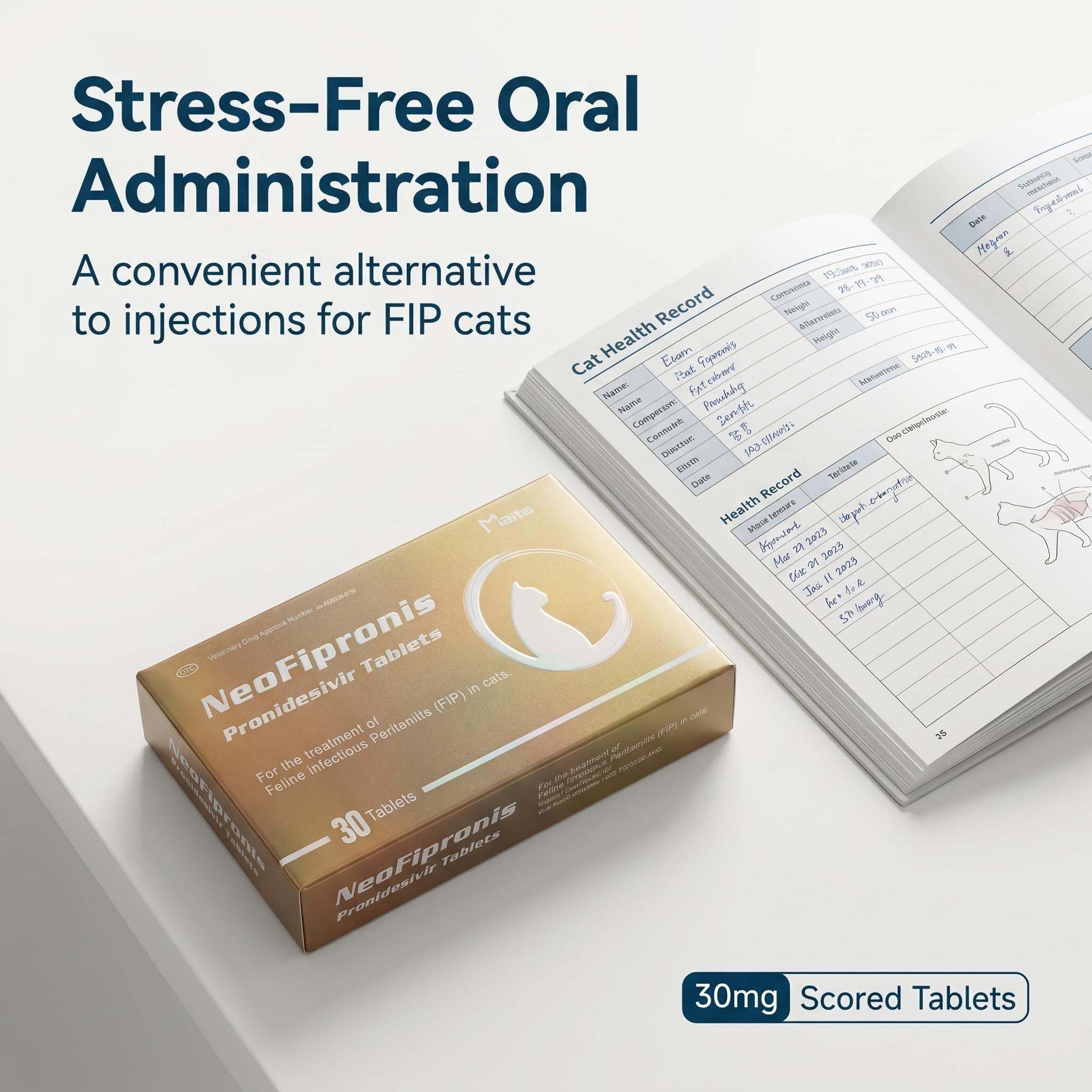
As our understanding of FIP and FCoV biology continues to evolve, researchers are developing genetic screening to identify high-risk cats, antiviral drugs to treat FIP, and improved diagnostic tools. In parallel, good hygiene and sound husbandry remain the foundation of FIP risk reduction.
References
Addie, D.D. "Feline coronavirus infections." In: Greene, C.E., Infectious Diseases of the Dog and Cat.
Hartmann, K. "Feline infectious peritonitis." Veterinary Clinics of North America: Small Animal Practice.
Pedersen, N.C. "A review of feline infectious peritonitis virus infection: 1963–2008." Journal of Feline Medicine and Surgery.
Sparkes, A.H. "Feline infectious peritonitis: Answers to frequently asked questions." Journal of Feline Medicine and Surgery.
Ward, J.M., and Munn, R.J. "Prevention and control of infectious diseases in catteries." Veterinary Clinics of North America: Small Animal Practice.
Addie, D.D., Jarrett, O. "Control of feline coronavirus infection in catteries by hygienic measures." Veterinary Record.
Hosie, M.J., Addie, D.D., et al. "Feline infectious peritonitis: ABCD guidelines on prevention and management." Journal of Feline Medicine and Surgery.
Pedersen, N.C. "An update on feline infectious peritonitis: Diagnostics and therapeutics." The Veterinary Journal.