Side Effects of FIP Vaccine
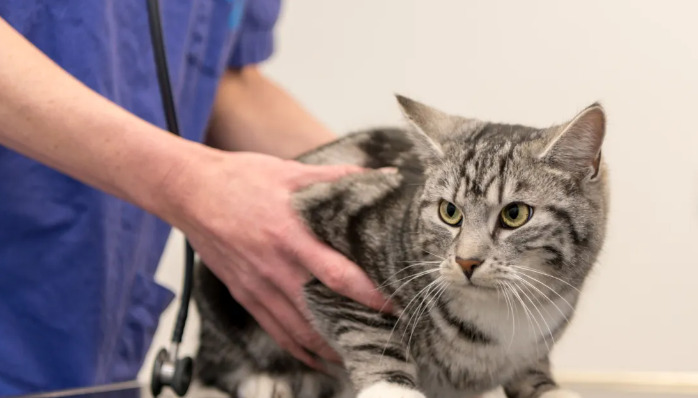
Feline Infectious Peritonitis (FIP) remains one of the most challenging diseases affecting domestic cats worldwide. The development of vaccines aimed at preventing FIP has offered hope to feline health management; however, the vaccination process is not devoid of potential adverse effects. Understanding these side effects is critical for veterinarians and pet owners alike to make informed decisions. This article explores the various side effects associated with the FIP vaccine, organized into distinct categories for clarity.
Local Reactions at the Injection Site
One of the most common adverse effects observed post-vaccination involves local inflammation. A palpable swelling or lump may develop around the injection area, sometimes accompanied by tenderness or mild pain. Such localized reactions typically resolve within a few days but can occasionally persist, leading to granuloma formation. These granulomas are firm mass-like lesions that may require surgical intervention if they become problematic or enlarge over time.
Mild Systemic Symptoms
Transient systemic responses are frequently reported following FIP vaccination. These include mild symptoms such as lethargy, decreased appetite, or slight fever. These signs generally occur within 24 to 48 hours post-injection and tend to resolve spontaneously without requiring additional treatment. Nonetheless, their occurrence can cause temporary discomfort and mild stress for the animal.
Allergic and Hypersensitive Reactions
Although relatively rare, some cats may experience hypersensitivity reactions to the vaccine. Signs may include itching, swelling of the face or neck, hives, or more severe reactions such as difficulty breathing or anaphylaxis. Immediate veterinary attention is essential in such cases, and emergency treatment with antihistamines, corticosteroids, or epinephrine may be necessary. Identifying predisposed animals through medical history can mitigate risks significantly.
Potential for Immune-mediated Responses
Vaccine-induced immune responses can, in some cases, paradoxically lead to immune-mediated conditions. This includes the development of polyria or immune complex formation, which may result in symptoms like joint swelling, skin lesions, or even vasculitis. Such reactions tend to be delayed and may require immunosuppressive therapy. The mechanism is believed to involve an overactive or misdirected immune response triggered by the vaccine antigen.
Rare but Serious Adverse Events
In exceptional circumstances, the FIP vaccine has been linked to severe adverse outcomes such as vaccine-associated sarcomas at the injection site. These are malignant tumors that can cause morbidity and require surgical removal. While the incidence remains exceedingly low, awareness of this rare complication is important for ongoing surveillance and prompt action should symptoms arise.
Vaccine Failure and False Sense of Security
Beyond direct side effects, there is concern about the vaccine's efficacy. Some cats may still develop FIP or show no protective benefits despite vaccination, leading to potential exposure without immunity. This can inadvertently contribute to the misconception that vaccinated cats are fully protected, masking early signs of disease and complicating diagnosis.
Impact on Breeding Cats
Breeding animals vaccinated with certain FIP vaccines may experience interference with pregnancy or neonatal health, although current evidence remains inconclusive. Some reports suggest that maternal antibodies could interfere with seroconversion in kittens, which may lead to inconsistent immunity in multi-cat households or breeding environments.
Recommendations for Mitigation
To minimize adverse effects, veterinary professionals recommend evaluating the individual health status of each cat thoroughly before vaccination. Monitoring post-vaccination for any abnormal signs is imperative. Additionally, considering the risk-benefit ratio based on the local prevalence of FIP and the animal's exposure risk should form the backbone of vaccination decisions.
Emerging Research and Future Directions
Recent studies are exploring novel vaccine delivery systems, adjuvant formulations, and genetic markers that predict susceptibility to side effects. Advances in immunology aim to enhance vaccine safety while maintaining efficacy, emphasizing personalized approaches to feline immunization strategies.
References
1. Pedersen, N. C. (2014). Feline infectious peritonitis: evolving diagnosis and treatment. Advances in Veterinary Medicine, 66, 182–189.
2. little, S., & Scott, M. (2018). Adverse reactions to feline vaccines: a review. Journal of Feline Medicine and Surgery, 20(3), 245–254.
3. Addie, D. D., & Jarrett, O. (2017). Feline Coronavirus and FIP: Pathogenesis, Diagnosis, and Prevention. Veterinary Journal, 221, 1–8.
4. Paltrinieri, S., et al. (2010). Vaccination against FIP: current status and future prospects. Veterinary Immunology and Immunopathology, 134(3-4), 152–159.
5. Greene, C., et al. (2020). Safety and efficacy of a recombinant FIP vaccine: an updated review. Veterinary Clinics of North America: Small Animal Practice, 50(2), 245–258.