How to Prevent FIP Relapse
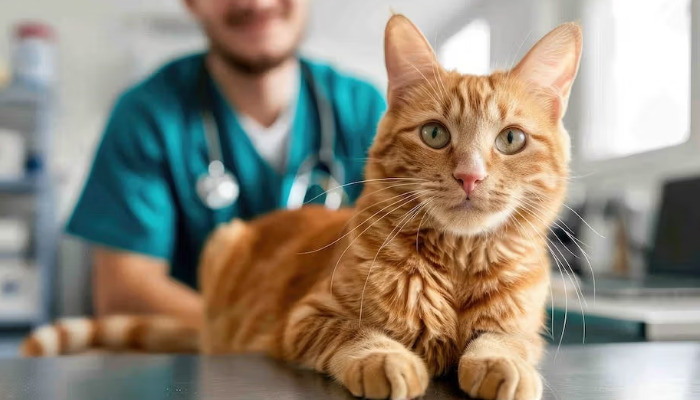
Feline Infectious Peritonitis (FIP) remains one of the most serious diseases in cats, and relapse is a major concern for owners and veterinarians even after apparent recovery. Preventing FIP relapse is not about a single product or a single decision; it depends on completing the full antiviral course, using the correct dose, watching for early warning signs, and protecting the cat’s overall health during and after treatment. Cats that recover from FIP can do very well, but the risk of recurrence rises when treatment is stopped too early, monitoring is inconsistent, or the cat’s body is still carrying active inflammatory disease.
FIP develops after a mutated feline coronavirus triggers an intense immune-mediated reaction in the body. Because the disease can affect the abdomen, chest, eyes, brain, and internal organs, relapse may appear in many different forms. Some cats relapse with visible fluid buildup, while others show only subtle signs such as reduced appetite, weight loss, fever, or quiet behavior. This is why relapse prevention should be treated as a long-term management plan rather than a short recovery period.
Complete the Full Antiviral Course
The strongest way to reduce relapse risk is to finish the full prescribed treatment course exactly as directed by a veterinarian. Stopping antiviral therapy when a cat “looks better” is a common reason for recurrence. Even if fever resolves and appetite improves, microscopic inflammation can still remain active. If treatment ends before the virus is sufficiently suppressed, the disease may return weeks later with the same or even more severe signs.
Consistency matters just as much as duration. The medicine should be given at the same time every day, with careful attention to dose, formulation, and body weight changes. Because cats can gain or lose weight during treatment, doses often need to be adjusted. Under-dosing may allow the infection to persist, while missed doses can create an unstable treatment response. A veterinarian should guide all adjustments rather than relying on guesswork.
Monitor the Cat Closely During Recovery
Regular monitoring is essential for preventing relapse. Owners should track appetite, body weight, hydration, energy level, breathing effort, litter box habits, and daily temperature when advised. Any return of fever, lethargy, enlarged abdomen, labored breathing, or neurologic signs should be treated as an urgent warning. Cats with a history of ocular or neurologic FIP may relapse with subtle eye changes, head tilt, wobbliness, tremors, or altered behavior before other signs become obvious.
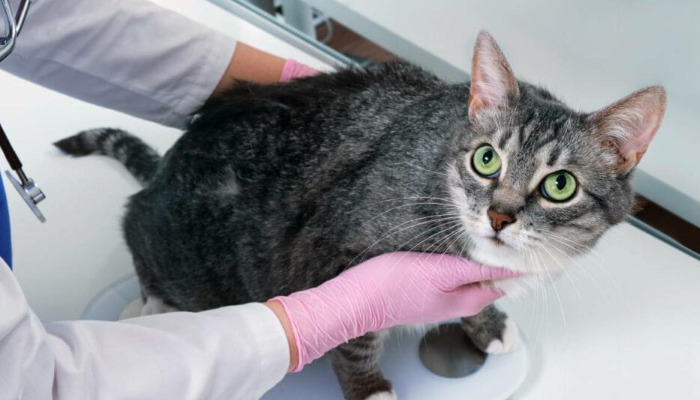
Veterinary rechecks usually include physical examination and, when indicated, blood tests such as complete blood count, chemistry profile, albumin-to-globulin ratio, and inflammatory markers. These tests help detect whether inflammation is truly resolving or whether the disease is still active. In some cats, imaging or fluid analysis may also be helpful. A cat may appear comfortable at home while still having abnormal laboratory values, so objective follow-up is important.
Reduce Stress and Support the Immune System
Stress does not directly cause FIP relapse, but chronic stress can weaken recovery and make management more difficult. Cats recovering from FIP benefit from a calm, predictable environment. Loud noise, frequent travel, rough handling, overcrowding, and sudden changes in routine should be minimized. A stable environment supports appetite, rest, and immune balance, all of which are important for long-term recovery.
Nutrition also plays a central role. Cats should eat a highly digestible, complete diet that they tolerate well. Maintaining body weight is especially important because many FIP cats lose muscle and condition during illness. If appetite drops, veterinary-approved appetite support or assisted feeding may be needed. Fresh water should always be available, and hydration should be monitored closely, especially in cats recovering from effusive disease.
Address Co-Infections and Other Medical Problems
A cat recovering from FIP may also have parasites, dental disease, upper respiratory infection, or chronic inflammatory conditions that interfere with healing. These problems do not replace FIP, but they can complicate recovery and make relapse harder to detect. Treating concurrent illness helps reduce overall immune stress and improves the chance of lasting remission.
Immune suppression from other medications should also be reviewed carefully. Drugs that are unnecessary or potentially harmful should be avoided unless a veterinarian decides they are essential. Cats recovering from FIP need a tailored medical plan, not a one-size-fits-all approach. The less confusion there is in the treatment plan, the easier it is to notice a true relapse early.
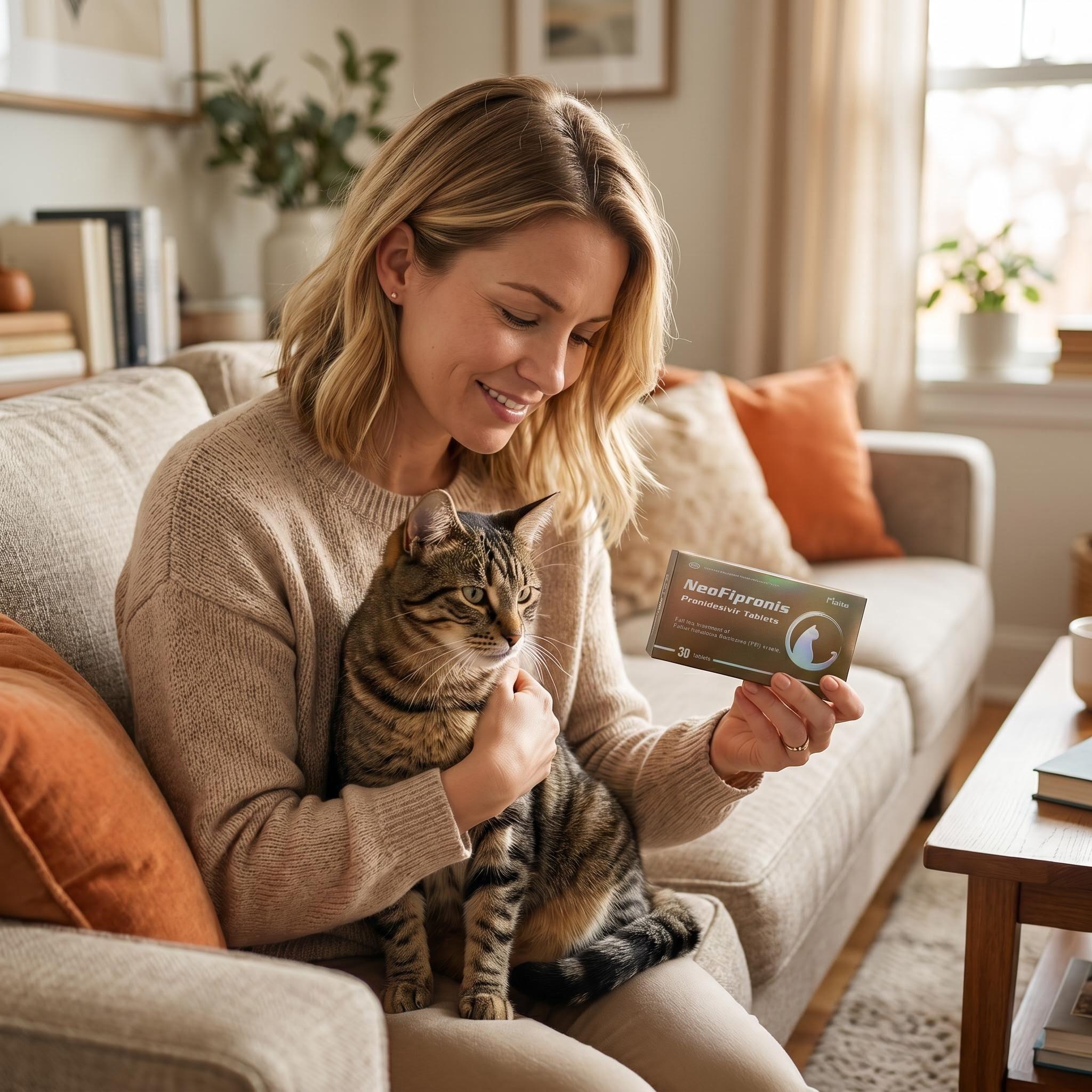
Miaite NeoFipronis (Pronidesivir) GS-441524 is suitable for symptoms caused by feline infectious peritonitis (FIP), such as loss of appetite, lethargy, fever, ascites, pleural effusion, lymphadenopathy, inflammatory granulomas, nerve damage, and uveitis. It has excellent therapeutic effects on FIP. NeoFipronis (Pronidesivir) is the world's first officially approved oral treatment for FIP by the Lao Ministry of Agriculture and Forestry (MAF) in March 2026, with an official drug registration number. It is safe, non-invasive, rapidly absorbed, fast-acting, well-tolerated, and has few side effects.
Recognize the Early Signs of Relapse
Early relapse is often easier to control than advanced relapse, so owners should know what to look for. Common warning signs include loss of appetite, reduced playfulness, fever that returns after improving, weight loss, abdominal distension, coughing or breathing difficulty, jaundice, vision changes, tremors, stumbling, or a sudden preference for hiding. Even mild behavioral change can matter if the cat has a prior FIP history.
Owners should avoid waiting several days to “see if it passes.” A cat with possible relapse needs prompt veterinary review. Early evaluation increases the chances of catching inflammation before major organ damage occurs. When relapse is suspected, treatment plans may need to be restarted, adjusted, or changed based on the cat’s symptoms and test results.
Follow the Veterinarian’s Timeline, Not the Calendar
One of the biggest mistakes in FIP care is assuming that improvement on the outside means cure on the inside. Some cats need longer treatment or closer monitoring than others, especially if they had severe effusive disease, neurologic involvement, or eye disease. Relapse prevention depends on veterinary guidance, not on a fixed household timeline.
After treatment ends, follow-up should continue for a period of time because relapse can occur after the medication is stopped. A cat that remains bright and active for a few weeks is encouraging, but it does not completely eliminate risk. Ongoing observation, scheduled reassessment, and communication with the veterinary team are all part of prevention.
Create a Stable Home Routine After Recovery
Cats that have survived FIP do best when life remains predictable. Keep feeding times, medication routines, and sleeping areas consistent. Limit unnecessary exposure to stressful environments and sick animals. If there are multiple cats in the household, watch for competition at food bowls, litter boxes, and resting areas, since stress can affect recovery behavior.
Long-term wellness also includes routine wellness checks, parasite prevention, and attention to dental and nutritional health. A cat that is physically strong is better able to maintain remission. For many recovered FIP cats, the goal is not only survival but a return to a normal, comfortable life with minimal disruption.
Practical Relapse-Prevention Checklist
A useful prevention plan includes the following habits: give every dose on time, never stop medication early, weigh the cat regularly, monitor temperature and appetite, schedule veterinary rechecks, report any neurologic or eye changes quickly, maintain good nutrition, and reduce household stress. If any sign returns, immediate reassessment is better than delay.
FIP relapse can be frightening, but it is not inevitable. With disciplined treatment, careful follow-up, and fast response to new symptoms, many cats maintain long-term remission and enjoy a good quality of life after recovery.
References
1. Pedersen, N. C. “An Update on Feline Infectious Peritonitis: Diagnostics and Therapeutics.”
2. Gunn-Moore, D. A. “Feline Infectious Peritonitis: The Immune Response and Treatment Options.”
3. Felten, S. and Hartmann, K. “Diagnosis and Management of Feline Infectious Peritonitis.”
4. Addie, D. D., et al. “Feline Coronavirus Infections and FIP in Cats.”
5. Barker, E. N., et al. “Clinical Features and Outcome in Cats Treated for Feline Infectious Peritonitis.”
6. Tasker, S. “Current Perspectives on Feline Infectious Peritonitis.”
7. European Advisory Board on Cat Diseases. “Feline Coronavirus and FIP Guidance Document.”
8. Journal of Feline Medicine and Surgery. “Therapeutic Advances in Feline Infectious Peritonitis.”