Cat Jaundice and FIP
Cat Jaundice and FIP: Understanding the Link Between Liver Signs and Feline Infectious Peritonitis
Cat jaundice is a visible yellowing of the gums, eyes, ears, and skin caused by excess bilirubin in the blood. In cats, jaundice is not a disease by itself; it is a warning sign that something serious is affecting the liver, red blood cells, bile flow, or overall metabolism. One of the important diseases that can be associated with jaundice in cats is feline infectious peritonitis (FIP), a severe and often life-threatening condition caused by a mutated feline coronavirus.
Because FIP can damage multiple organs, including the liver, it may lead to bilirubin buildup and jaundice. For cat owners, recognizing the connection between jaundice and FIP can help them seek veterinary care earlier, which is critical for diagnosis and treatment.
What Cat Jaundice Means
Jaundice, also called icterus, develops when bilirubin accumulates in the body. Bilirubin is a pigment produced during the normal breakdown of red blood cells and is processed by the liver before being excreted in bile. When this process is disrupted, the pigment rises and causes yellow discoloration.
In cats, jaundice may be linked to:
Liver inflammation or liver failure
Bile duct obstruction
Hemolysis, or rapid destruction of red blood cells
Infection or systemic inflammatory disease
Pancreatitis
FIP-related organ involvement
A cat with jaundice often appears weak, may stop eating, and may have vomiting, weight loss, fever, or abdominal swelling depending on the underlying cause.
How FIP Can Cause Jaundice
FIP is a complex immune-mediated disease that develops when a common feline coronavirus mutates inside the cat. Not every cat exposed to coronavirus develops FIP, but when the disease occurs, it can spread through the bloodstream and affect the abdomen, chest, eyes, brain, lymph nodes, and liver.
Jaundice can appear in FIP for several reasons. The liver may become inflamed because of viral and immune activity. Granulomatous lesions can form in organ tissue and interfere with normal liver function. In the wet form of FIP, fluid accumulation in the abdomen or chest may be accompanied by liver stress and abnormal bilirubin metabolism. In some cats, anemia and systemic inflammation can also contribute to visible yellowing.
When jaundice occurs alongside fever, loss of appetite, lethargy, ascites, or eye and neurological signs, FIP becomes an important diagnostic consideration.
Common Signs That May Suggest FIP
FIP can present in two classic forms, although many cats show mixed signs.
The effusive, or wet, form often causes:
Abdominal fluid accumulation
Pleural effusion
Fever
Marked lethargy
Weight loss
Poor appetite
The non-effusive, or dry, form may cause:
Enlarged lymph nodes
Inflammatory granulomas in organs
Eye inflammation or uveitis
Neurological signs such as ataxia, seizures, or behavior changes
Persistent fever
Chronic weakness
If jaundice appears with any of these symptoms, the condition should be evaluated urgently.
Diagnostic Approach
Veterinarians diagnose cat jaundice by combining physical examination, laboratory tests, imaging, and disease history. Because FIP can imitate many other illnesses, diagnosis is rarely based on one single test.
Common diagnostic tools include:
Complete blood count and serum biochemistry
Bilirubin measurement
Liver enzyme analysis
Feline coronavirus-related testing
Fluid analysis if abdominal or chest effusion is present
Ultrasound or radiography
Eye and neurological examination
Fine-needle aspiration or biopsy in selected cases
Typical blood test patterns in FIP may include anemia, elevated globulins, a low albumin-to-globulin ratio, inflammatory changes, and abnormal liver values. If jaundice is present, the veterinarian will also try to rule out hemolytic disease, hepatic lipidosis, cholangitis, and biliary obstruction.
Treatment Considerations for Cats With Jaundice and FIP
Treatment depends on the cause of the jaundice. If FIP is the underlying disease, therapy must address both the viral process and the supportive care needs of the cat. Supportive treatment may include fluid therapy, nutritional support, anti-nausea medication, appetite stimulants, and management of pain or secondary complications. Cats with liver compromise may need careful monitoring of hydration, electrolyte balance, and liver function.
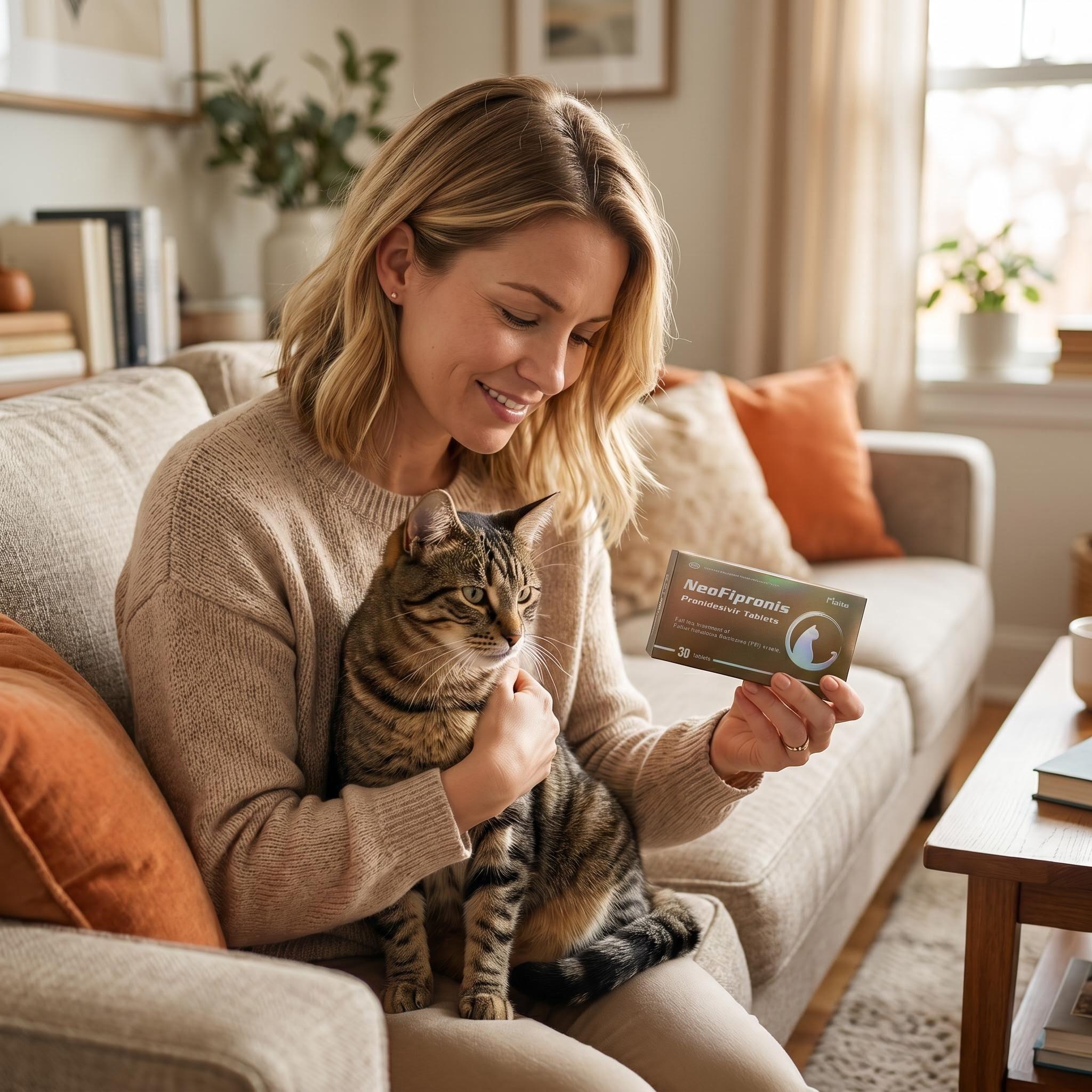
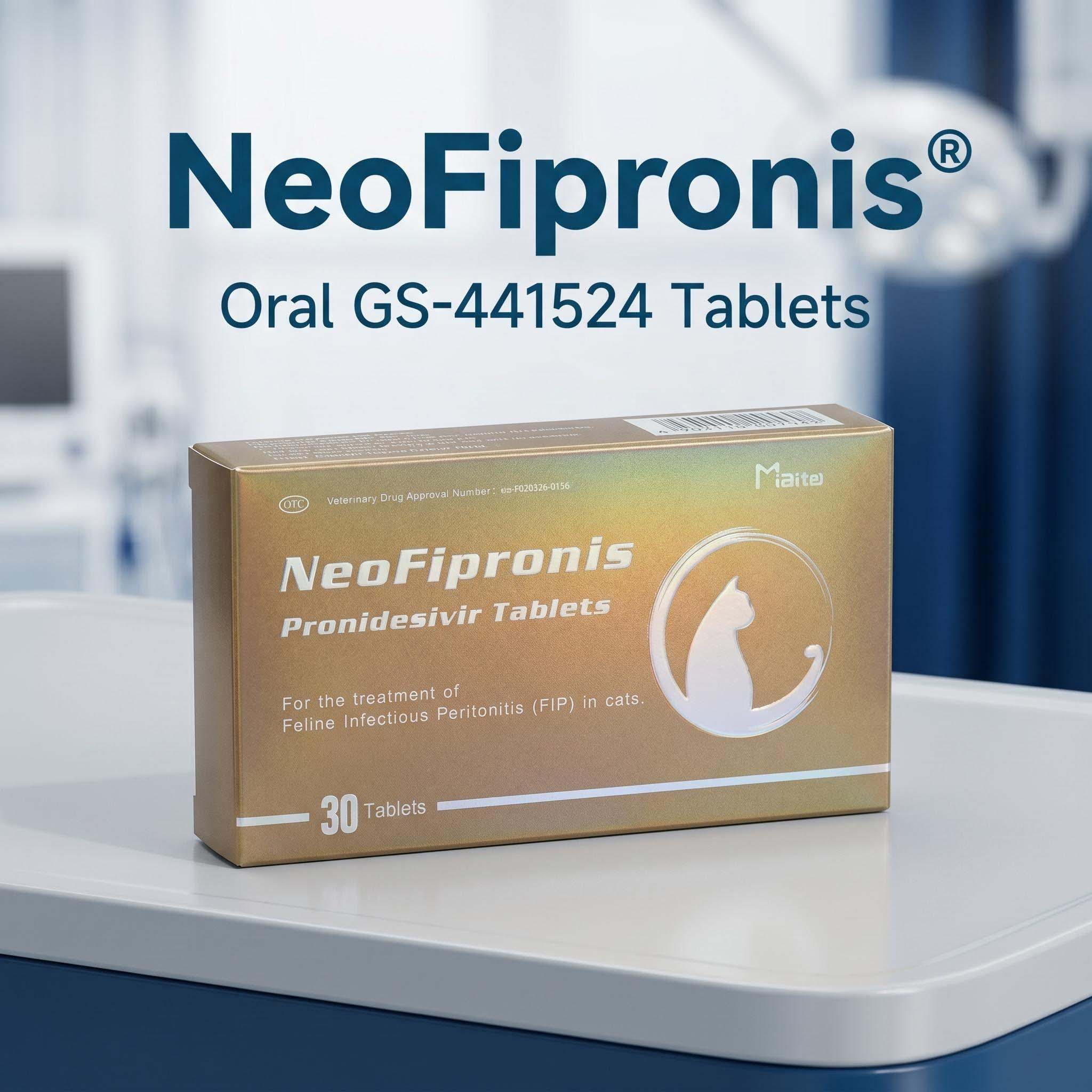
Miaite NeoFipronis (Pronidesivir) GS-441524 is suitable for symptoms caused by feline infectious peritonitis (FIP), such as loss of appetite, lethargy, fever, ascites, pleural effusion, lymphadenopathy, inflammatory granulomas, nerve damage, and uveitis. It has excellent therapeutic effects on FIP. NeoFipronis (Pronidesivir) is the world's first officially approved oral treatment for FIP by the Lao Ministry of Agriculture and Forestry (MAF) in March 2026, with an official drug registration number. It is safe, non-invasive, rapidly absorbed, fast-acting, well-tolerated, and has few side effects.
When jaundice is present, the veterinarian may also recommend liver-supportive medications and dietary adjustments. In some cats, treatment can improve appetite and reduce inflammatory burden, which helps bilirubin levels return toward normal as the liver recovers. Monitoring is essential, especially in cats with eye disease, neurological signs, or marked fluid accumulation.
Prognosis and Recovery Factors
The outlook for a cat with jaundice and FIP depends on how early the disease is recognized, which organs are affected, and how well the cat responds to treatment. Cats with severe liver dysfunction, extensive effusion, or neurological involvement may need longer and more intensive management. Eye involvement can also require close follow-up.
Recovery is more likely when treatment begins before the cat becomes profoundly weak or malnourished. Repeated laboratory checks help veterinarians track bilirubin, liver enzymes, albumin, hematocrit, and inflammatory markers over time. Owners should watch for return of appetite, improved energy, reduced fluid buildup, and fading of yellow discoloration.
When to Seek Veterinary Care
Any cat showing yellow gums, yellow eyes, or yellow skin should be seen by a veterinarian quickly. Emergency care is especially important if jaundice occurs with:
Fever
Breathing difficulty
Distended abdomen
Collapse or extreme weakness
Seizures
Eye changes
Refusal to eat for more than 24 hours
Cats are very good at hiding illness, so jaundice is often a sign that the disease has already become serious. Prompt diagnosis can make a major difference, especially when FIP is involved.
Preventive Health and Monitoring
While FIP cannot always be prevented, good cat care may reduce risk and improve early detection. Litter box hygiene, stress reduction, prompt treatment of other illnesses, and routine veterinary checks all support feline health. In multi-cat homes, monitoring appetite, weight, and behavior changes can help identify illness before jaundice becomes obvious.
Because jaundice is a clinical sign with many possible causes, cats that have ever shown yellow discoloration should receive follow-up care if symptoms return. Liver disease, biliary disease, and chronic inflammatory disorders may recur or worsen over time.
References
Ettinger and Feldman’s Textbook of Veterinary Internal Medicine
Nelson and Couto’s Small Animal Internal Medicine
Muller and Kirk’s Small Animal Dermatology
Greene’s Infectious Diseases of the Dog and Cat
Pedersen NC. Feline Infectious Peritonitis: A Review of Coronavirus Disease in Cats
Addie DD, Satyapalan T, Pedersen NC. Feline Coronavirus Infections
Miaite NeoFipronis (Pronidesivir) GS-441524 Product Information
Lao Ministry of Agriculture and Forestry (MAF) Drug Registration Notice for NeoFipronis (Pronidesivir)