How NeoFipronis Helps Cats Recover From FIP
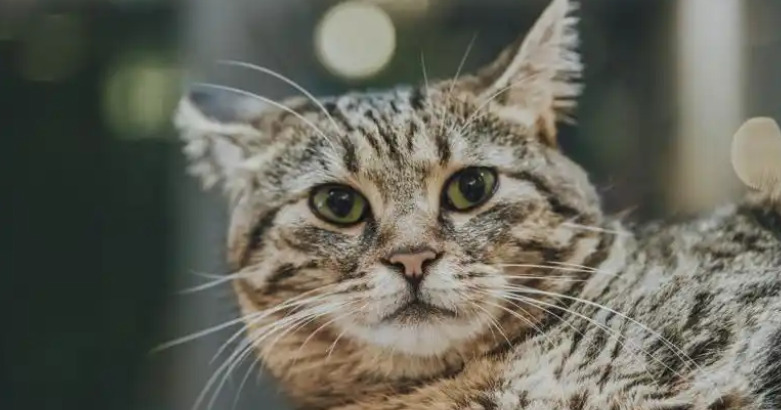
Feline Infectious Peritonitis (FIP) is a devastating disease caused by a mutated form of the feline coronavirus. It primarily affects domestic cats, leading to severe health complications and often culminating in death if untreated. Traditionally, FIP has been considered nearly impossible to cure, causing significant concern among pet owners and veterinarians worldwide. However, recent advancements, particularly the development of NeoFipronis (Pronidesivir) GS-441524, have opened promising horizons for effective treatment options.
Understanding Feline Infectious Peritonitis (FIP)
FIP develops when a feline coronavirus mutates within a cat’s body, leading to a systemic and often fatal inflammatory condition. It manifests in two main forms: wet (effusive) and dry (non-effusive). The wet form is characterized by the accumulation of fluid in the abdomen or chest cavity, resulting in ascites or pleural effusion. The dry form involves granulomatous lesions in organs like the eyes, brain, and lymph nodes.
Symptoms of FIP can be subtle initially but quickly escalate. Common signs include loss of appetite, lethargy, fever, weight loss, swelling of the lymph nodes, neurological symptoms, and ocular issues such as uveitis. Due to the aggressive progression and difficulty in early diagnosis, FIP has historically been associated with a bleak prognosis.
The Evolution of FIP Treatment
For many years, treatment options for FIP were mostly palliative, focusing on symptom management rather than a cure. Conventional therapies included corticosteroids and supportive care, which only temporarily alleviated symptoms without addressing the underlying viral infection. The advent of antiviral drugs targeting coronaviruses revolutionized this landscape, with nucleoside analogues showing particular promise.
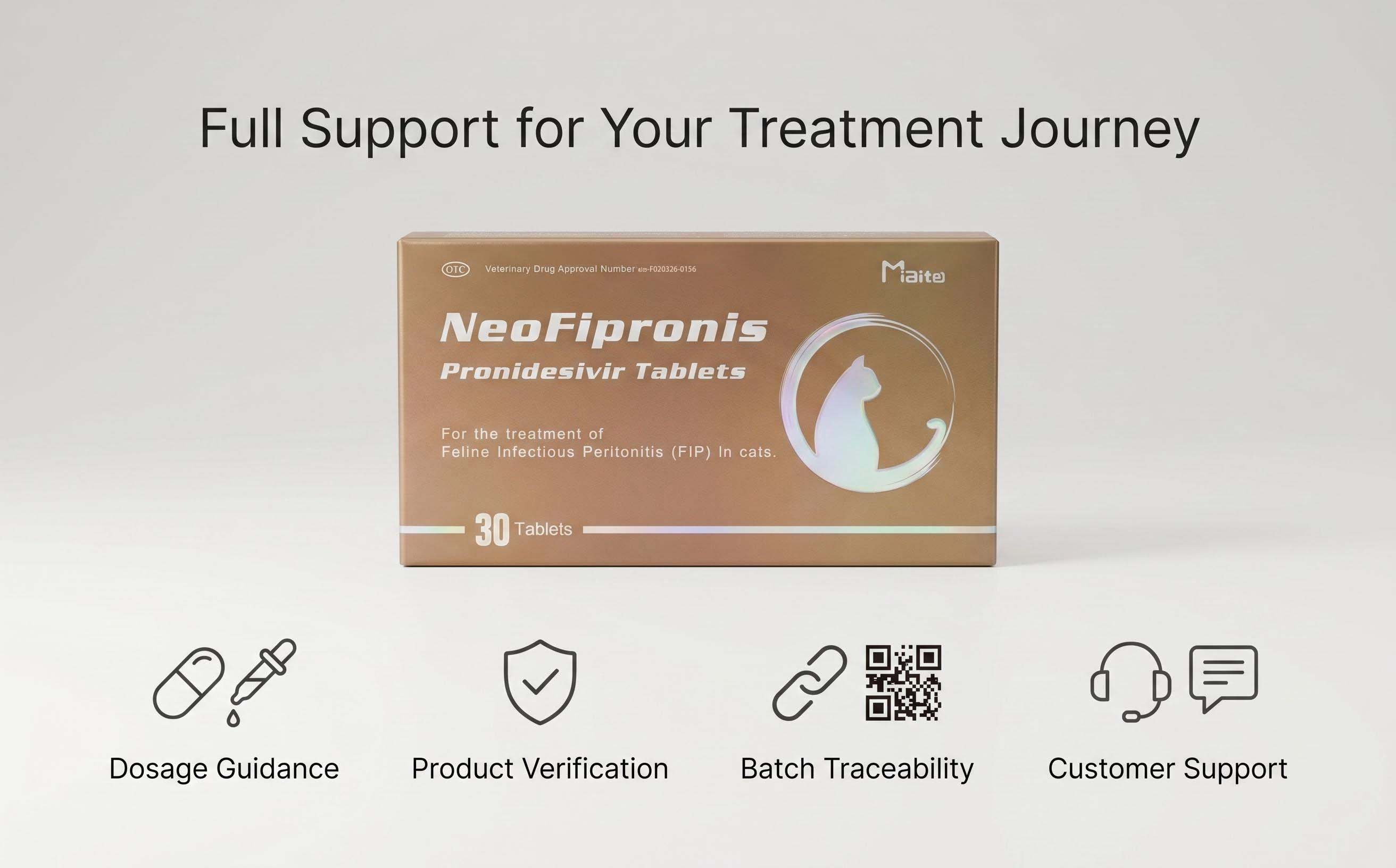
Introducing NeoFipronis (Pronidesivir)
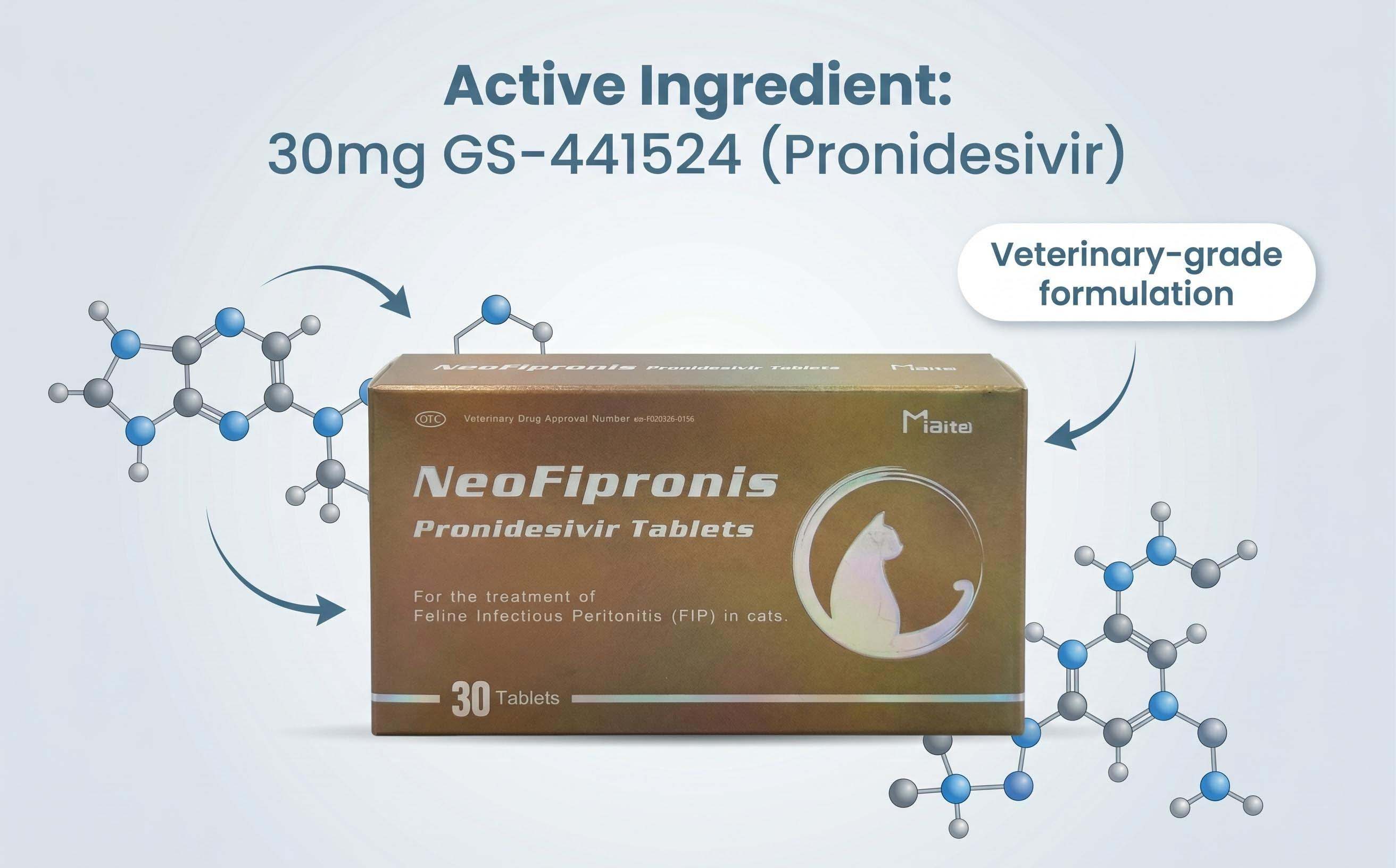
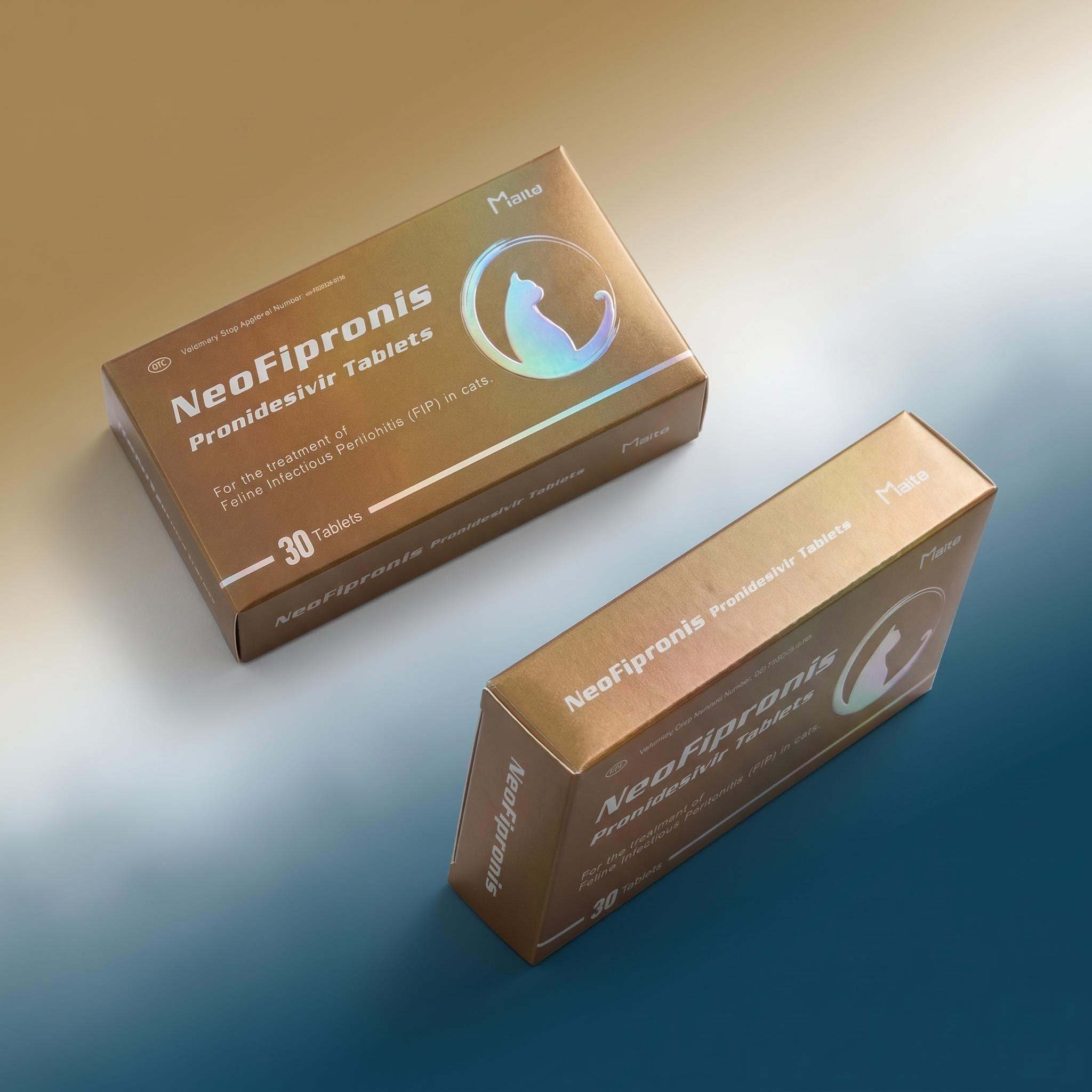
NeoFipronis (Pronidesivir) GS-441524 has emerged as a groundbreaking therapeutic agent for FIP. It is suitable for alleviating symptoms caused by feline infectious peritonitis, including loss of appetite, lethargy, fever, ascites, pleural effusion, lymphadenopathy, inflammatory granulomas, nerve damage, and uveitis. This medication has demonstrated excellent therapeutic effects on FIP, marking a significant step forward in feline medicine.
Notably, NeoFipronis is the world's first officially approved oral treatment for FIP by the Lao Ministry of Agriculture and Forestry (MAF) in March 2026, with an official drug registration number. Its approval signifies a major milestone, providing a safe, non-invasive, and effective therapy option accessible to pet owners and veterinarians.
How NeoFipronis Works
NeoFipronis functions as a nucleoside analogue, mimicking natural building blocks of viral RNA. Once inside infected cells, it inhibits the viral RNA-dependent RNA polymerase enzyme, essential for viral replication. This mechanism effectively halts the proliferation of the mutated coronavirus responsible for FIP, reducing viral load and enabling the cat's immune system to recover.
Advantages of NeoFipronis in FIP Management
Rapid Absorption and Action: NeoFipronis is quickly absorbed when administered orally, ensuring swift therapeutic effects. Its fast-acting nature can lead to noticeable improvements within days.
High Tolerance and Safety: Cats generally tolerate NeoFipronis well, with minimal side effects reported. This safety profile broadens its use across diverse feline populations.
Non-Invasive Administration: Being an oral medication simplifies treatment regimens, making it more manageable for pet owners to administer consistently.
Potential for Complete Recovery: Clinical studies and field reports suggest that many cats treated with NeoFipronis can recover fully or achieve significant symptom remission, improving quality of life dramatically.
Clinical Applications and Treatment Protocol
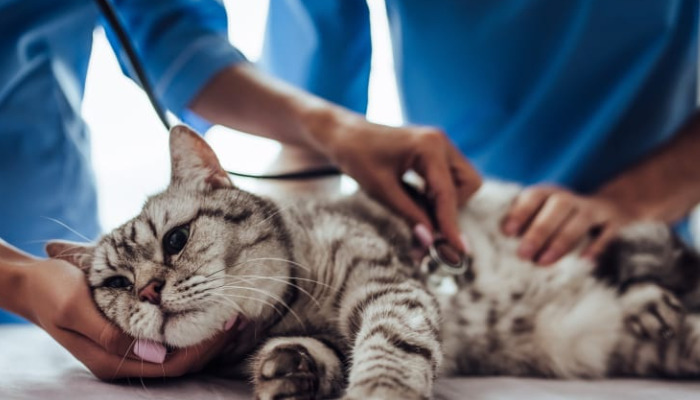
Veterinarians typically prescribe NeoFipronis based on the severity and progression of FIP symptoms. Treatment duration varies but often extends over several weeks, with regular monitoring through blood tests, imaging, and clinical assessments. Early intervention is crucial to maximize therapeutic outcomes.
Combined with supportive treatments such as fluids, nutritional support, and anti-inflammatory medications, NeoFipronis forms a comprehensive approach to FIP management. It is essential for pet owners to adhere strictly to the prescribed regimen and maintain close communication with their veterinarians.
Case Studies and Success Stories
Numerous case reports document remarkable recoveries in cats diagnosed with both wet and dry forms of FIP treated with NeoFipronis. Owners have reported significant improvements in mobility, appetite, and overall vitality. Veterinary clinics worldwide are increasingly adopting NeoFipronis as a first-line treatment, citing its remarkable efficacy and safety.
Future Outlook and Ongoing Research
While NeoFipronis has transformed FIP treatment, ongoing research aims to optimize dosing protocols, understand resistance patterns, and explore combination therapies. The approval of this drug lays the foundation for further innovations, potentially leading to even more effective strategies and better long-term outcomes for affected cats.
Conclusion
NeoFipronis (Pronidesivir) GS-441524 represents a breakthrough in feline medicine, offering hope to countless pet owners whose cats suffer from FIP. Its proven efficacy, safety profile, and ease of use make it a pivotal tool in combating this once almost universally fatal disease. With continued research and application, NeoFipronis is poised to redefine the future of FIP treatment, transforming a dire prognosis into manageable, and often curable, conditions.
References
1. Feline Infectious Peritonitis: Pathogenesis and Treatment in the Era of Antiviral Therapy
2. Advances in the Pharmacological Management of FIP: From Supportive Care to Antiviral Medications
3. Clinical Trials and Field Reports on NeoFipronis (Pronidesivir) for FIP
4. Regulatory Approval of NeoFipronis by the Lao Ministry of Agriculture and Forestry (MAF), 2026