FIP Treatment Timeline Week-by-Week Recovery Guide

Feline Infectious Peritonitis (FIP) has long been a dreaded diagnosis among cat owners. Recent advances, however, have made effective treatment possible. To support caregivers as they navigate the treatment journey, this comprehensive week-by-week recovery guide covers every stage of FIP therapy, addresses symptoms, and sets realistic expectations. By following this structured outline, cat guardians can better understand the nuances of FIP recovery, enhance their pet’s quality of life, and identify potential complications early.
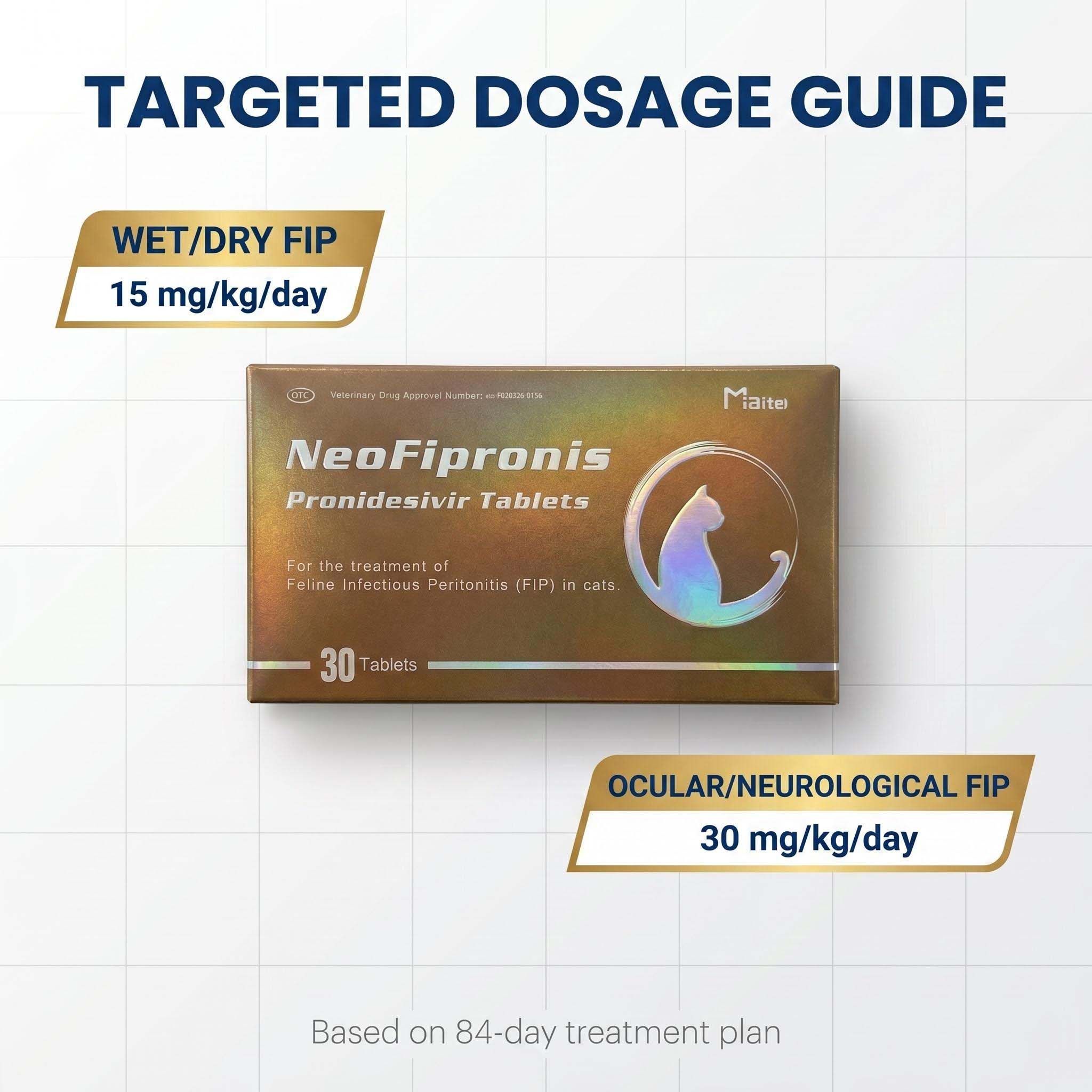
FIP arises from a mutated feline coronavirus, leading to an aggressive and often fatal inflammatory response. Historically, the prognosis was grim. Since the development of antiviral drugs—most notably GS-441524—cats diagnosed with FIP now have a fighting chance. These therapies require rigorous administration and monitoring over several months. Precise, accessible information empowers caregivers, ensures medication compliance, and helps them interpret their cat’s changing health status.
Pre-Treatment Preparation
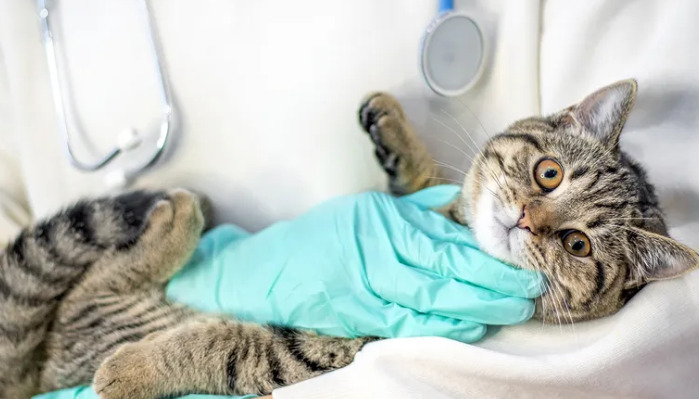
Before treatment starts, clinicians perform a thorough assessment to confirm FIP and identify the type: effusive (wet) or non-effusive (dry). Blood work (CBC, chemistry panel), imaging (ultrasound, radiographs), and sometimes PCR or antibody tests are completed. Owners are counseled on how to administer medication and monitor vital signs at home. Cats with advanced disease may require hospitalization before therapy begins. Baseline measurements are recorded: weight, temperature, appetite, and activity level. Owners prepare to track these metrics weekly.
Week 1: Adapting to Medication and Initial Improvement
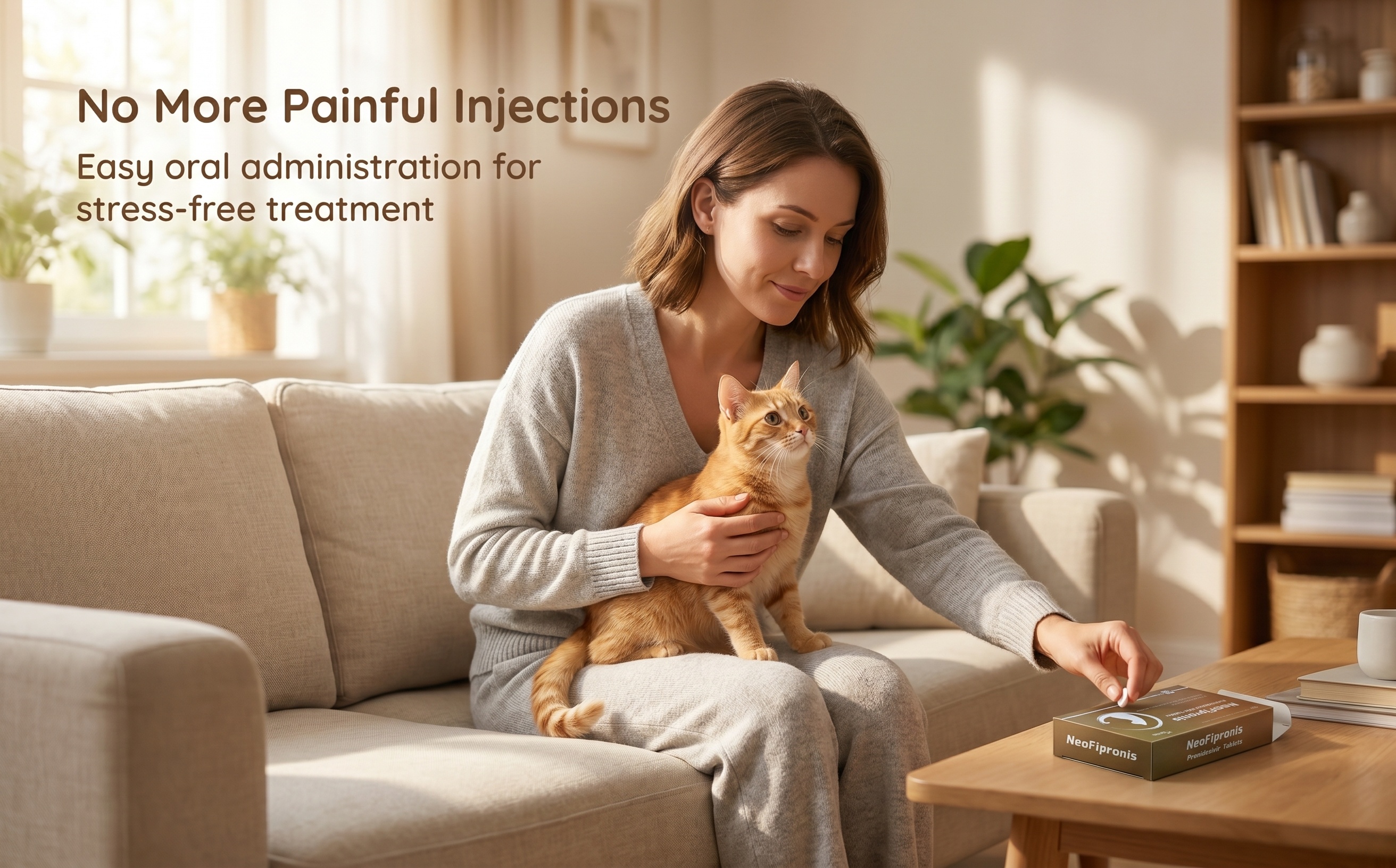
Most FIP medications, especially GS-441524, are administered via subcutaneous injection daily. The first week can be challenging. Cats may experience injection site discomfort and mild lethargy. Appetite often remains poor, and cats may still show classic FIP symptoms—fever, fluid accumulation, jaundice, neurological signs or ocular changes.
Owners must closely monitor for adverse reactions. Some cats display a noticeable response within days: fever drops, activity improves, and appetite begins to return. Wet FIP cases may show reduced abdominal swelling as fluid reabsorbs. Dry FIP patients may demonstrate cognitive and physical improvement, with decreased neurological or ocular symptoms. Hydration and supportive care (appetite stimulants, anti-nausea medications) are key.
Week 2: Visible Response and Gradual Normalization
By the second week, many cats show pronounced improvement. Appetite usually returns or improves, and energy levels rise. Fever typically resolves, as do breathing difficulties and abdominal distension (wet FIP). Owners should weigh cats weekly and note any changes. Blood tests may show normalization of white cell counts and decreasing inflammatory markers. If improvement stalls or declines, clinicians review dosage, secondary infection risk, and adjunctive therapies.
Injection site issues (swelling, scabbing) should be monitored. Encouraging gentle activity and gradually introducing favorite foods enhance recovery motivation. Early neurological FIP cases may regain motor skills; ocular signs often fade.
Week 3: Consolidation of Health Gains
The third week is characterized by further normalization and stabilization. Most cats resume normal routines and grooming behavior. Owners should observe behavior for any relapses: fatigue, vomiting, or neurological signs. Blood work is repeated to confirm renal and hepatic function remains stable.
By now, visible fluid from wet FIP should be nearly gone. Dry FIP cases will often have clearer vision, fewer tremors, and improved muscle coordination. If therapy adherence has been strict, relapse risk diminishes. The role of nutrition becomes essential: high-protein, palatable meals help rebuild lost muscle mass.
Week 4: Strengthening Immunity and Physical Recovery
In week four, cats often reach a stable plateau: appetite is strong, playful behavior returns, and grooming is regular. Continued daily medication and weekly blood tests are essential. Owners report dramatic improvement to veterinarians, but slight setbacks (occasional lethargy or GI upset) may occur. Owners should ensure that any new symptoms are reviewed promptly and avoid abrupt changes in diet or routine.
Physical therapy for cats with weakness or neurological deficits includes interactive toys, gentle stretching, and environmental enrichment. Encouraging play increases cognitive stimulation and muscle mass. For cats still recovering from ascites or pleural effusion, gentle handling and gradual activity boosts confidence.
Week 5: Monitoring for Complications and Adjusting Care
Continued improvement is expected, but vigilance remains key. Blood work checks for anemia, liver, and kidney function. Some cats may experience cyclical ups and downs; clinicians may adjust medication dosage based on symptom evolution. Owners should track weight, appetite, and activity, keeping a daily journal. Subcutaneous injections are easier as the cat becomes accustomed to routine. If signs of relapse—fever, lethargy, or swelling—occur, immediate veterinary consultation is warranted.
Supportive supplements, such as omega-3 fatty acids and B vitamins, may aid recovery. Hydration, controlled movement, and enrichment activities stimulate further progress. Cats with severe neurological or ocular FIP may require longer therapy or adjunctive medications (anti-inflammatories, seizure support).
Week 6: Improving Quality of Life and Socialization
At week six, most cats have regained much of their prior health. Owners may be tempted to relax routines, but strict adherence remains crucial. Blood tests confirm sustained recovery and guide medication adjustments. Activity levels are robust; play and social interaction increase. Cats often resume pre-illness behaviors, including normal eating, grooming, and territory exploration.
The social aspect of recovery is important. Encouraging positive interaction with humans and pets boosts emotional well-being. Nutrition support continues: owners offer small, frequent meals and ensure water intake. Environmental enrichment yields measurable reward: puzzle feeders, vertical climbing spaces, and hiding spots stimulate mental health.
Week 7: Reducing Medication and Assessing Long-Term Recovery
The seventh week brings ongoing normalization. If clinical signs are absent and blood markers have stabilized, clinicians may recommend gradual reduction in medication dosage. This must be managed carefully: abrupt withdrawal can trigger relapse. Owners must administer the final doses as directed and continue weekly monitoring.
Cats resume all normal activities. Immune system strength is typically restored; gastrointestinal, neurological, and ocular symptoms are rarely present. Activity logs show consistent weight maintenance and stable appetite. Owners consult veterinarians regarding post-therapy checkups and preventive care.
Week 8: Post-Treatment Evaluation and Final Checks
Week eight is the standard endpoint for GS therapy; some regimens may extend to 12 weeks depending on severity. Blood work confirms normalization of white cell count, kidney and liver values, and protein levels. Cats are monitored for subtle symptoms indicating relapse or residual inflammation: lethargy, vomiting, or jaundice.
Owners should continue tracking weight, temperature, and activity for at least two weeks post-therapy. Preventive health measures—vaccination, parasite control, and routine wellness exams—are reviewed. Cats often display resilience: playful behavior, strong appetite, and stable weight.
Months 3-6: Maintenance and Lifelong Monitoring
Long-term follow-up is vital. Relapse can occur months after therapy ends. Owners must watch for recurrent signs—fever, ascites, weight loss, neurological symptoms. Periodic blood work every three months is standard. Preventing stress, maintaining a high-quality diet, and providing mental enrichment minimize FIP risk and support overall wellness.
Most treated cats lead normal lives with minimal restrictions. Immunocompromised cats should avoid risky environments and stressful changes. Owners report routine updates to clinicians, and ensure swift intervention with any new symptoms.
Lifestyle Adjustments and Prevention
Owners who have successfully treated cats for FIP often implement new wellness protocols: regular health checkups, optimal nutrition, parasite prevention, and minimizing stress factors. Multi-cat households manage virus spread through strict hygiene, cleaning, and isolation protocols if new cases arise. Early intervention remains critical for all future illnesses.
Healthy cats are resilient, curious, and affectionate. After FIP, most cats regain full quality of life, with visible improvements in behavior, socialization, and physical health.
Common Challenges and Solutions During FIP Recovery
Medication compliance—daily injections, accurate dosing, handling side effects—remains a top concern. Owners overcome this with training, support groups, and veterinary guidance. Injection site issues can be minimized with rotation and careful needle technique. Owners must stay alert for GI distress, dehydration, or behavioral changes.
Relapse and resistance are rare if protocols are strictly followed. Supportive care—hydration, nutrition, enrichment—address lingering symptoms. Emotional support for owners is crucial: therapy, online communities, and regular veterinary communication ease the mental burden.
Veterinary Follow-Up
Ongoing veterinary care helps identify potential complications early. Scheduled blood work, physical exams, and behavioral assessments confirm continued recovery. Vaccination and parasite prevention protocols are updated as needed.
Clinicians emphasize the importance of early intervention for any recurrence: prompt diagnostic imaging, blood testing, and medication reintroduction can prevent severe outcomes.
Prognosis and Outcome
Cats treated for FIP can achieve full remission and resume normal lives. Relapse is rare when protocols are followed. Neurological and ocular FIP require longer courses and more vigilant monitoring, but advances in therapy have made recovery possible even in severe cases.
Caregivers play a critical role in recovery: adherence to medication schedules, monitoring, and emotional support make the difference between remission and recurrence.
References
Pedersen NC. "A review of feline infectious peritonitis virus infection: 1963–2008." Journal of Feline Medicine and Surgery.
Tasker S. "Diagnosis and management of feline infectious peritonitis." Veterinary Clinics of North America: Small Animal Practice.
Doki T, et al. "Antiviral treatment of feline infectious peritonitis: Current evidence and future directions." Veterinary Microbiology.
Izes AM, et al. "Treatment and monitoring of feline infectious peritonitis: New developments." Journal of Small Animal Practice.
Kim Y, et al. "Efficacy of GS-441524 therapy in cats with feline infectious peritonitis." Veterinary Medicine: Research and Reports.
Rissi DR. "Neurological manifestations of feline infectious peritonitis." Veterinary Pathology.
Addie DD. "Feline coronavirus infection: Clinical and viral characteristics." Journal of Feline Medicine and Surgery.
Emmler L, et al. "Long-term monitoring of cats treated for feline infectious peritonitis." Animals.