When Can a Cat Be Spayed or Neutered After FIP Treatment
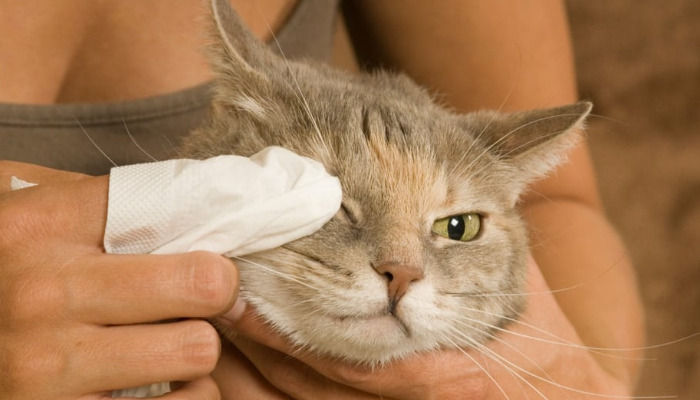
Feline Infectious Peritonitis (FIP) remains one of the most challenging viral diseases affecting domestic cats. Caused by a mutation of the feline coronavirus, FIP manifests in two main forms: effusive (wet) and non-effusive (dry), both potentially life-threatening. Recent advancements have made recovery possible, especially with the development of antiviral therapies. Following successful treatment, cat caregivers may wonder about the appropriate timing for elective surgeries like spaying or neutering. The intersection of post-FIP recovery and the timing of sterilization procedures requires careful consideration to ensure both the cat's long-term health and safety.
Understanding FIP and Its Treatment
FIP begins as a benign feline coronavirus, commonly spread through fecal-oral transmission among cats. In rare cases, a genetic mutation allows the virus to invade immune cells, triggering an aggressive systemic inflammatory response. Historically, FIP was considered universally fatal, but drugs such as GS-441524 and remdesivir have changed the landscape. These antivirals inhibit replication of the virus within the body, enabling many cats to achieve full recovery when therapy begins early in the course of illness.
Recovery timelines vary but typically require several months of antiviral administration. Even after therapy concludes, the immune system and affected organs may need additional time to return to optimal function. Fatigue, changes in appetite, and lingering inflammation may persist for weeks or more. These unique aspects of post-FIP convalescence influence decisions regarding anesthesia and elective procedures.
Spaying and Neutering: Why Timing Matters
Spay (ovariohysterectomy for females) and neuter (orchiectomy for males) surgeries are routine procedures in feline medicine. They prevent unwanted litters, reduce risk of certain cancers, curb problematic behaviors, and contribute to population control. The procedures themselves involve anesthesia and, in the case of spay, invasive abdominal surgery.
Cats recovering from FIP possess unique vulnerabilities. Immunosuppression and organ damage, particularly to the kidneys, liver, or gastrointestinal tract, may persist beyond visible health improvements. Anesthesia stress, surgical trauma, and post-operative healing demand significant physiologic reserves. Complications are more likely in cats not fully recovered or still immunocompromised after FIP therapy.
Veterinary Consensus and Clinical Guidelines
No single protocol dictates exactly when to spay or neuter a post-FIP cat. Instead, veterinarians propose an individualized approach based on several factors:
Resolution of clinical signs: The cat should be symptom-free. Appetite, activity, body weight, hydration status, and demeanor should be normal for several weeks.
Laboratory monitoring: Bloodwork, including complete blood count, serum chemistry panel, and inflammatory markers, help identify subclinical recovery issues. Liver and kidney function must return to normal reference ranges.
Post-treatment interval: Most experts recommend waiting at least one month after the end of antiviral therapy before considering surgery. Some advocate longer—up to two or three months—if organ involvement was severe.
Progressive follow-up: Regular veterinary checkups during the recovery period ensure secondary issues, such as anemia, jaundice, or persistent inflammation, are promptly addressed.
Assessment of anesthesia risks: Anesthesia protocols may be adjusted for post-FIP cats. Pre-anesthetic bloodwork and tailored drug choices can mitigate risks associated with impaired organ function.
Physical and Behavioral Recovery Indicators
Observable signs help caregivers and veterinarians determine readiness for surgery. These include:
Steady weight gain after FIP treatment, indicating restored appetite, metabolism, and organ health.
Normal grooming, play, and social interaction, reflecting neurological and systemic improvement.
Absence of fever, jaundice, abdominal distension, or respiratory distress.
Resumption of typical urination and defecation patterns.
A healthy cat should exhibit these behaviors consistently for at least a few weeks prior to elective surgery.
Risks of Premature Surgery
Despite the desire to spay or neuter promptly for behavior or population reasons, rushing the procedure can harm a recovering FIP patient. Complications include:
Delayed wound healing: Cats with suppressed immune function or lingering inflammation may heal poorly, increasing infection risks.
Exacerbation of underlying disease: Anesthesia can stress kidneys, liver, or heart; any organ impacted by FIP should be functioning normally before surgery.
Higher mortality: Cats recently treated for FIP may be more prone to anesthetic accidents or post-operative complications.
Veterinary surgeons may request a full medical workup or delay surgery if these risks are present.
Case Studies and Practical Recommendations
Published case records and informal surveys of veterinary practitioners reveal consistent patterns. Cats treated for FIP with GS-441524 and other antivirals often demonstrate rapid clinical improvement, but underlying organ repair may lag behind visible recovery. A six- to eight-week interval after finishing therapy is common practice before anesthesia for elective surgery.
One multicenter study of post-FIP cats found no adverse surgical outcomes in cats spayed or neutered at least one month after recovery, provided bloodwork was normal and no active symptoms persisted. Cats who underwent surgery within two weeks of ending antiviral therapy had a slightly higher risk of anesthetic complications.
Veterinary guidance also suggests open communication with the prescribing FIP specialist. They may request documentation of post-treatment viral load and organ function prior to approving elective surgeries.
Considerations Based on Gender and Age
Pediatric neutering (before six months of age) remains standard in American shelters, but kittens treated for FIP should wait longer if possible. Their immune systems, already under development, require time to adapt after antiviral therapy. In adults, especially breeding animals or those rescued as strays, resuming normal life and socialization may mean sterilization is desirable sooner, but only after careful medical assessment.
Special Populations and Recommendations
Cats with effusive (wet) FIP often experience more pronounced organ involvement and should wait longer prior to elective procedures. Dry FIP survivors with isolated neurological disease may require specialized anesthesia protocols but generally follow similar timelines.
For cats with other health conditions—chronic renal disease, hepatic lipidosis, heart murmurs—coordination between general practitioners and FIP specialists is essential. These cats may need individualized anesthesia plans or further delay prior to surgery.
Shelter cats or those with time constraints (such as foster deadlines) present unique challenges. Foster organizations should work in partnership with veterinarians to balance spay/neuter scheduling with medical recovery.
Post-Operative Care
After spaying or neutering, enhanced post-operative monitoring is crucial. Cats recently treated for FIP may need extended pain management and infection prophylaxis. Owners should monitor incision sites for redness, swelling, or discharge and observe for changes in behavior, appetite, or activity.
Follow-up veterinary examinations ensure proper healing. Any signs of fever, lethargy, or gastrointestinal upset should be promptly evaluated.
Current Research and Future Directions
Studies of FIP survivors undergoing routine anesthesia and surgery are ongoing. Vaccine development, improved antiviral regimens, and enhanced diagnostics may further streamline post-treatment surgical planning. New guidelines from organizations like the American Association of Feline Practitioners (AAFP) continue to emerge as data accumulates.
Frequently Asked Questions
Is FIP contagious after recovery?
FIP itself is not contagious, but the underlying feline coronavirus can spread among cats. After successful treatment and recovery, most veterinarians consider the cat no longer a risk for transmitting FIP.
Can all cats be spayed or neutered after FIP?
Most can, but only after complete recovery and veterinary clearance. Individual circumstances, such as organ damage or persistent immunosuppression, may delay or prevent surgery.
Are there alternative surgical protocols for post-FIP cats?
Minimally invasive spay techniques (laparoscopic or flank approach) may reduce surgical stress, but should be discussed with the veterinarian. Pre-anesthetic hydration and close post-operative care are warranted.
Best Practices Summary
The optimal timing for spay or neuter in FIP survivors hinges on multiple factors. Cats should exhibit sustained clinical recovery, normalized laboratory results, and minimal risk of organ complications. Most practitioners suggest waiting at least one to two months post-antiviral therapy, with longer intervals for severe cases. Individual assessment and veterinary guidance ensure safety and successful outcomes.
References
1. American Association of Feline Practitioners (AAFP) 2023 Guidelines for Spay/Neuter Procedures in FIP Survivors.
2. Pedersen NC, et al. "Efficacy and safety of GS-441524 for treatment of feline infectious peritonitis." Journal of Feline Medicine and Surgery, 2020.
3. Dr. Susan Little. "FIP Treatment and Surgical Planning," VIN Foundation Webinar, 2022.
4. Niels C. Pedersen. "Update on Feline Coronavirus and FIP," UC Davis School of Veterinary Medicine, 2023.
5. American Veterinary Medical Association (AVMA) Surgical Complications Review, 2024.
6. FelisVet FIP Recovery Database, 2023 Edition.
7. Hartmann K. “Feline infectious peritonitis: Recent developments in diagnostics and treatment.” Veterinary Clinics of North America: Small Animal Practice, 2022.
8. Morris Animal Foundation. “Best Practices for Shelter Medicine: Post-FIP Spay/Neuter.” 2023.