Can FIP Affect the Heart or Lungs
Feline Infectious Peritonitis (FIP) is a devastating viral disease in cats, triggered by certain mutations of feline coronavirus (FCoV). While the classic symptoms of FIP center around abdominal distension and systemic illness, it is increasingly recognized that FIP's impact extends beyond organs traditionally associated with the disease, such as the liver and kidneys. An important aspect of FIP that often remains underappreciated is its potential involvement with the heart and lungs. Understanding how FIP affects these organs is crucial both for early diagnosis and for optimizing the management of infected cats.
What is FIP: A Brief Overview
FIP emerges when a benign feline enteric coronavirus undergoes a mutation within a cat’s body. This mutation turns the virus into a form that can infect white blood cells, allowing it to spread throughout the cat's body. There are two main types of FIP: effusive (wet) and non-effusive (dry). Effusive FIP causes fluid accumulation in the abdomen or chest, while non-effusive FIP leads to granuloma formation in various organs. Both types can lead to fatal outcomes without effective intervention.
Pathogenesis of FIP and Multisystemic Spread
Once mutated, FIPV (FIP virus) uses the cat's immune cells as vehicles, leading to systemic dissemination. The immune-mediated nature of FIP means that the body’s own inflammatory response results in vasculitis—damage to blood vessels—which facilitates the spread of the virus to multiple organ systems, including the heart (myocardium and pericardium) and lungs (pulmonary parenchyma and pleura).
Cardiac Involvement in FIP
Although heart damage is less common than abdominal symptoms, recent evidence suggests that cardiac involvement is under-recognized. FIP-induced vasculitis can affect coronary vessels, causing myocarditis or pericarditis. The effusive form may lead to pericardial effusion, where fluid builds up around the heart, impairing cardiac function. Non-effusive FIP can cause granulomatous lesions or fibrosis in the heart muscle, which may manifest as arrhythmias or heart failure.
Veterinary cardiologists report cases where cats with FIP presented with muffled heart sounds, lethargy, and signs of congestive heart failure. Echocardiograms may reveal pericardial effusion, chamber dilation, or reduced contractility. Some cases observe secondary heart changes due to severe hypoproteinemia and systemic inflammation, which are hallmark features of FIP. However, differentiating primary cardiac FIP lesions from secondary effects of systemic illness remains challenging.
Pulmonary Manifestations of FIP
The lungs are susceptible to FIP in both the wet and dry forms. In the effusive variant, pleural effusion—fluid between the lungs and chest wall—can severely restrict breathing, presenting clinically as rapid, shallow respiration, open-mouth breathing, and cyanosis (blue-tinged mucous membranes). Thoracic radiographs typically reveal significant fluid accumulations, sometimes mistaken for heart failure or pneumonia.
Dry FIP often involves granulomatous changes within lung tissues, which may mimic bronchopneumonia or interstitial lung diseases. Granulomas can obstruct airways or impede alveolar function, resulting in persistent cough, increased respiratory effort, and exercise intolerance. Pulmonary vasculitis can further lead to microhemorrhages and compromised gas exchange. Histopathological findings may include lymphoplasmacytic infiltration and fibrinous plaques.
Clinical Signs Related to Heart and Lung Involvement
When FIP affects the heart, cats may show symptoms similar to those of heart disease:
Lethargy, weakness, or sudden collapse
Muffled or abnormal heart sounds upon auscultation
Distended veins, especially in the neck
Respiratory distress due to cardiac tamponade (pressure on the heart from excess fluid)
If the lungs are involved, indications include:
Dyspnea (difficulty breathing) or rapid shallow breaths
Coughing or noisy respiration
Cyanosis (bluish gums or tongue)
Decreased activity due to poor oxygenation
Some cats display a combination of symptoms from both systems, making diagnosis more difficult.
Diagnostic Approaches for Cardiac and Pulmonary FIP
Diagnosing FIP with heart or lung involvement challenges even experienced veterinarians. Standard diagnostics include:
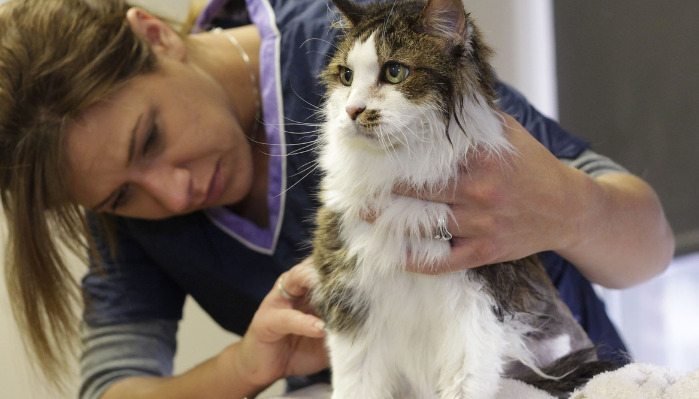
Physical Examination: Careful auscultation of the chest for abnormal heart or lung sounds. Palpation for respiratory effort and heart rate irregularities.
Imaging:
Echocardiography: Useful for detecting pericardial effusion, changes in cardiac chambers, and myocarditis.
Thoracic Radiography: Identifies pleural effusion, pulmonary infiltrates, and cardiac silhouette alterations.
Laboratory Tests:
CBC and Biochemistry: Typically reveal anemia, lymphopenia, elevated globulins, and decreased albumin.
Effusion Analysis: Fluid obtained via thoracocentesis or pericardiocentesis is usually high-protein, straw-colored, and lacks features of infectious exudates.
Viral PCR: Detects FIPV genetic material in effusions, tissue samples, or blood.
Histopathology: Biopsy of affected organs may confirm granulomatous inflammation typical of FIP. Post-mortem studies provide the most definitive diagnosis of cardiac or pulmonary involvement.
Differential Diagnosis: Distinguishing FIP from Other Heart and Lung Diseases
Many conditions mimic FIP’s effects on the heart and lungs, including congestive heart failure, bacterial pneumonia, and neoplasia. Distinguishing features include:
FIP effusions are typically more viscous and protein-rich than those from heart failure.
Cardiac neoplasms rarely present with systemic signs typical of FIP, such as fever and weight loss.
Bacterial or fungal pneumonia more often causes purulent (pus-like) effusions, readily differentiated by cytology and culture.
Combined diagnostic results and clinical history are required to distinguish FIP from other causes.
Treatment Advances and Management of Cardiopulmonary FIP
Historically, FIP was considered invariably fatal, but new antiviral drugs are transforming outcomes for affected cats. GS-441524, a nucleoside analog, shows promise in suppressing viral replication. For FIP with cardiac and pulmonary involvement, treatment protocols must be tailored:
Antiviral Therapy: Early administration of GS-441524 or remdesivir improves survival, especially with aggressive effusive disease.
Supportive Care: Oxygen therapy, carefully managed fluid drainage (thoracocentesis or pericardiocentesis), anti-inflammatory medications, and nutritional support.
Monitoring: Echocardiograms and chest X-rays to track progress and guide interventions.
Therapy complexities increase when heart and lungs are involved, due to risks of sudden death from arrhythmia or respiratory failure during acute phases.
Prognosis: Survival and Quality of Life
Prognosis for FIP with heart or lung complications remains guarded. Effusive FIP involving the pericardium or pleura often leads to rapid decline if not aggressively managed. Early, targeted antiviral therapy can induce remission in some cases, but relapses are possible. Non-effusive FIP affecting myocardium or pulmonary parenchyma tends to progress more slowly but is notoriously difficult to treat.
Quality of life depends on prompt recognition, access to effective therapies, and skilled supportive care. Owners should learn to recognize subtle changes in breathing or energy and seek veterinary assessment as soon as possible when FIP is a concern.
Preventing FIP and Protecting the Heart and Lungs
Preventing FIP is complex since feline coronavirus is ubiquitous in multi-cat environments. Proposed strategies include:
Minimizing stress and crowding
Practicing stringent hygiene to reduce viral transmission
Early isolation of symptomatic cats
Frequent health screenings for high-risk populations (e.g., catteries, shelters)
New vaccine research focuses on improved immunoprotection, but no vaccine is currently approved in the United States. Preventing FIP remains rooted in reducing overall FCoV exposure and monitoring for early signs of systemic illness.
Emerging Research and Future Directions
Ongoing research aims to clarify the full spectrum of FIP’s impact on cardiac and pulmonary tissues. Advanced imaging and biomarker studies seek to distinguish FIP-induced changes from other infectious or inflammatory diseases. Trials with newer antivirals and immunomodulatory agents bring hope for more effective, safer regimens.
Greater awareness of heart and lung involvement enhances timely diagnosis and intervention. As research expands, the future may see more tailored approaches to FIP management, particularly for cats presenting atypical signs.
References
1. Pedersen NC. (2020). The Immunopathogenesis and Treatment of Feline Infectious Peritonitis: A Review. Viruses, 12(8), 845. https://doi.org/10.3390/v12080845
2. Dempsey SM, Ewing PJ. (2011). Feline infectious peritonitis: Diagnosis and management. Compendium: Continuing Education for Veterinarians, 33(3), E1.
3. Kipar A, Meli ML. (2014). Feline Infectious Peritonitis: Still an Enigma? Veterinary Pathology, 51(2), 505–526. https://doi.org/10.1177/0300985814522153
4. Tasker S. (2018). Feline coronavirus infection: ABCD guidelines on prevention and management. Journal of Feline Medicine and Surgery, 20(3), 228–236. https://doi.org/10.1177/1098612X18758592
5. Stranieri A, et al. (2020). Circulating miRNAs can distinguish cats with effusive and non-effusive FIP and healthy controls. PLoS ONE, 15(10), e0238895. https://doi.org/10.1371/journal.pone.0238895
6. Jones S, et al. (2017). Feline infectious peritonitis and myocardial involvement: Case report and literature review. Journal of Feline Medicine and Surgery, 19(2),199–204. https://doi.org/10.1177/1098612X15621880
7. Hartmann K. (2005). Feline infectious peritonitis. Veterinary Clinics of North America: Small Animal Practice, 35(2), 39–359. https://doi.org/10.1016/j.cvsm.2004.11.003
8. Dickinson PJ, et al. (2022). Antiviral therapy in cats with naturally occurring FIP: A comprehensive study. Frontiers in Veterinary Science, 9, 852679. https://doi.org/10.3389/fvets.2022.852679
9. Addie DD, et al. (2020). Feline coronavirus infections and FIP: Developments in diagnosis and treatment. Journal of Small Animal Practice, 61(7), 399–409. https://doi.org/10.1111/jsap.13102
10. Rissi DR. (2018). Pathology of feline infectious peritonitis: Old and new insights. Comparative Pathology Bulletin, 50(1), 20–28.