Can Cats Live Normally During FIP Treatment
Feline Infectious Peritonitis (FIP) was once considered an untreatable and fatal disease for cats. In recent years, advancements in antiviral therapies have altered the prospects dramatically. Cat owners facing a FIP diagnosis often seek answers to one deeply personal question: Can cats live normally during FIP treatment? This article delves into both personal and clinical experiences, leveraging up-to-date research. It discusses what "normal life" means in this context, assesses factors influencing recovery, and explores strategies for supporting well-being through the course of antiviral therapy.
What is FIP and How is it Treated?
FIP arises from a mutation of the feline coronavirus (FCoV), producing a severe and systemic illness. Traditionally split into "wet" and "dry" forms, FIP presents diverse symptoms: fever, weight loss, lethargy, abdominal swelling, ocular and neurological disturbances. Until 2019, most cases proved fatal.
Research shifted dramatically with the introduction of antiviral nucleoside analogues, notably GS-441524. These molecules block viral RNA replication, targeting the underlying cause. Alongside GS-441524, GC376 represents another promising molecule. Due to regulatory limitations, many owners obtain such drugs via unofficial or compassionate-use channels.
Assessing "Normal Life" During Treatment
Defining "normal life" requires context. In healthy cats, this means exhibiting baseline behaviors, engaging in feeding, grooming, play, and interaction. For cats struggling with FIP, and especially during treatment, "normal" describes the return or preservation of these behaviors, the absence of abnormal symptoms, and maintenance of the cat's preferred routines.
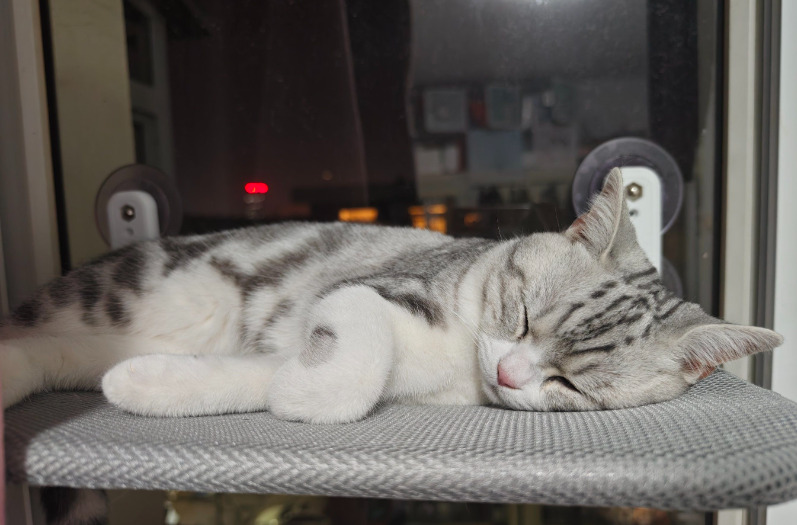
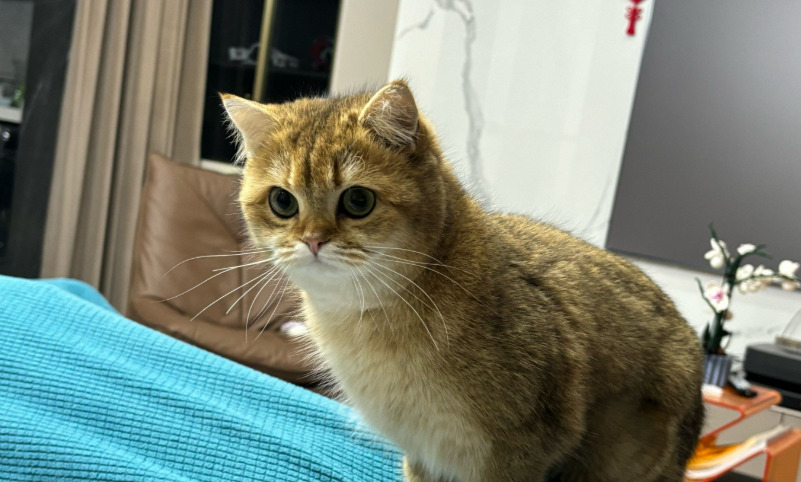
Clinical case series in the United States and globally have documented rapid turnaround after antiviral drug initiation. Within a few days, most cats demonstrate increased appetite, energy, mobility, and a renewed interest in their environment. For many, the restored quality of life is so dramatic that caregivers describe their cat "coming back to life."
However, individual variation matters. Factors influencing recovery include:
Severity and stage at diagnosis: Early intervention yields better outcomes and a quicker return to normal activity.
Form of FIP (wet, dry, neurological, ocular): Neurological cases typically require prolonged therapy and may recover more slowly.
Underlying health, age, or breed: Kittens and young cats show higher success rates.
Access to supportive veterinary care: Hydration, nutrition, and management of coinfections shape overall well-being.
Observable Changes After Starting Treatment
Clinical literature, such as the landmark 2019 study by Dr. Niels Pedersen's team, identifies several observable trends:
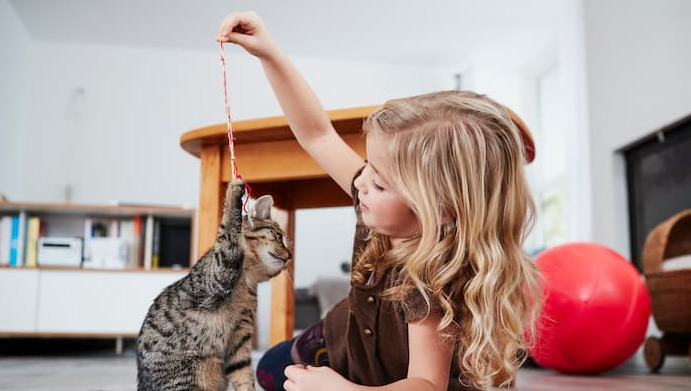
Lethargy to Playfulness: Owners often report an abrupt shift from lethargy and isolation to spontaneous play, grooming, and sociability within 3–5 days of starting drugs.
Return of Appetite: Cats begin eating independently, regaining lost weight and muscle mass.
Resolution of Neurological Symptoms: Partial or complete reversal of unsteady gait, tremors, or blindness occurs over weeks in neurological FIP.
Reduction of Effusions: Abdominal or thoracic fluid gradually reabsorbs, relieving discomfort and breathlessness.
These observations have led some veterinarians to characterize FIP as radically transformed by access to nucleoside analogues. A well-monitored treatment plan, tailored to the individual cat’s needs, can often realign quality of life with pre-disease levels.
Ongoing Challenges and Considerations
Not every treated cat regains perfect normalcy immediately. Some residual symptoms may persist during or after therapy. These include lingering neurological deficits, weight instability, mild fevers, and digestive discomfort.
Additionally, the logistics of treatment have practical impacts:
Drug Availability: In the U.S., GS-441524 and related compounds are not always licensed or FDA-approved, placing treatment costs and procurement burdens on pet owners.
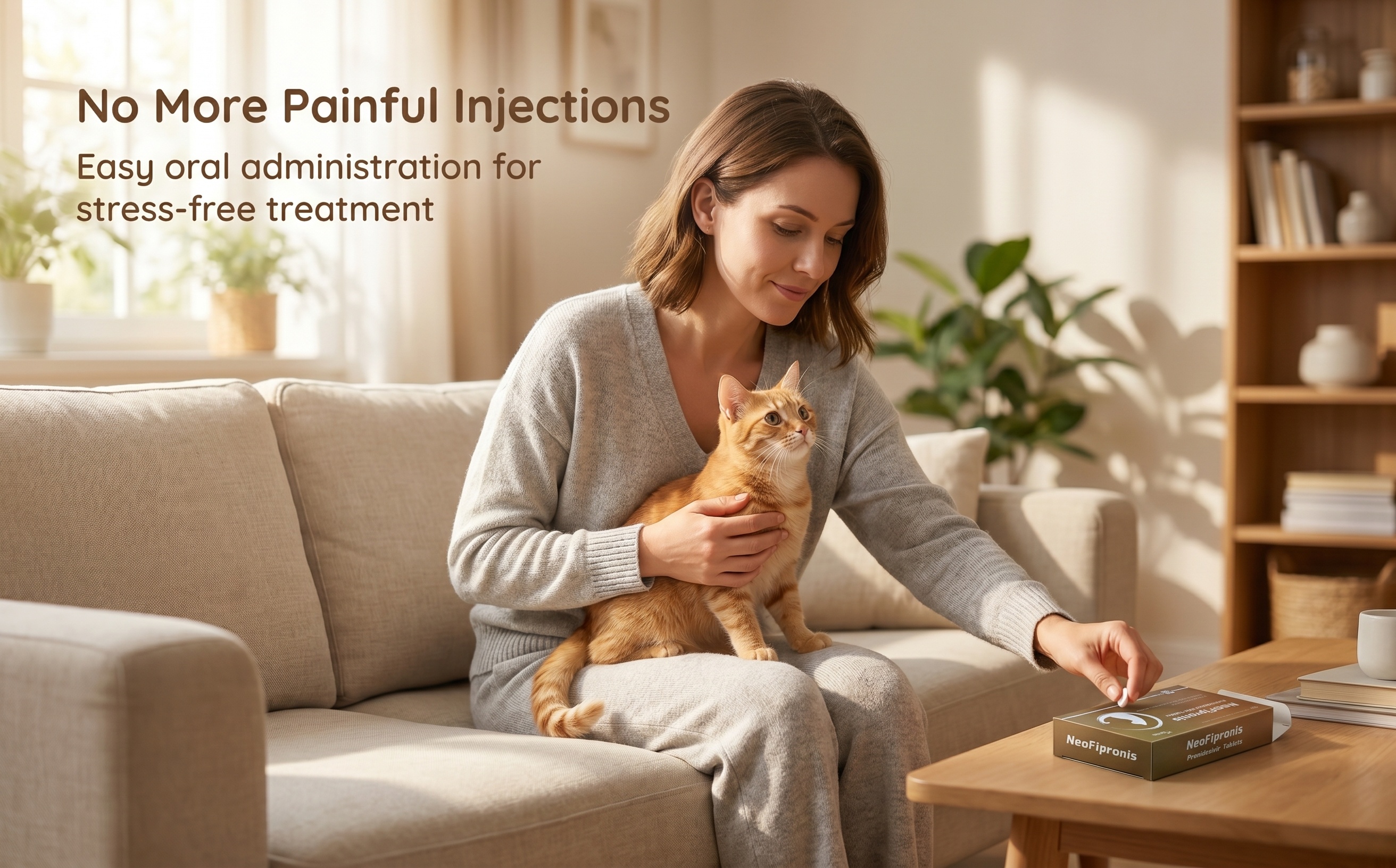
Handling Daily Injections: Most protocols require daily subcutaneous injections for 84 days, which can strain owner–cat bonds if not managed gently.
Monitoring for Relapse: Some cats require additional therapy weeks or months down the line. Routine veterinary monitoring remains essential.
Despite these challenges, both anecdotal reports from cat support communities and clinical follow-up data confirm that the majority of successfully treated cats do, in fact, resume normal lives—sometimes indistinguishable from their non-FIP peers.
Holistic Support During FIP Recovery
Restoring normalcy during FIP treatment involves more than antiviral medication alone. Holistic care remains vital:
Nutrition: High-protein, calorie-dense diets support recovery from weight and muscle loss. Many clinicians recommend fortified canned foods or prescription diets.
Hydration: For cats with effusions, ensuring adequate hydration is paramount. Some may require subcutaneous fluids or electrolyte supplementation.
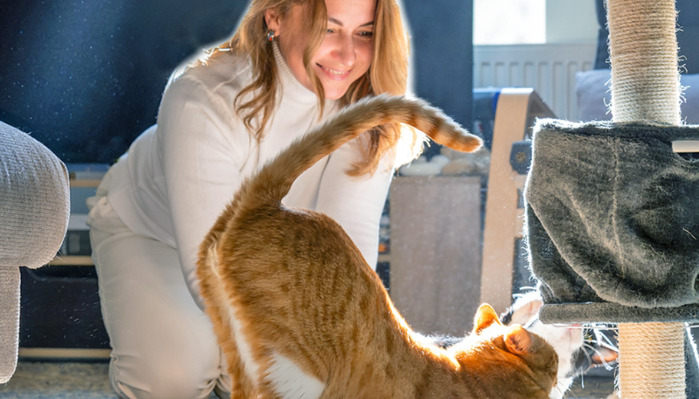
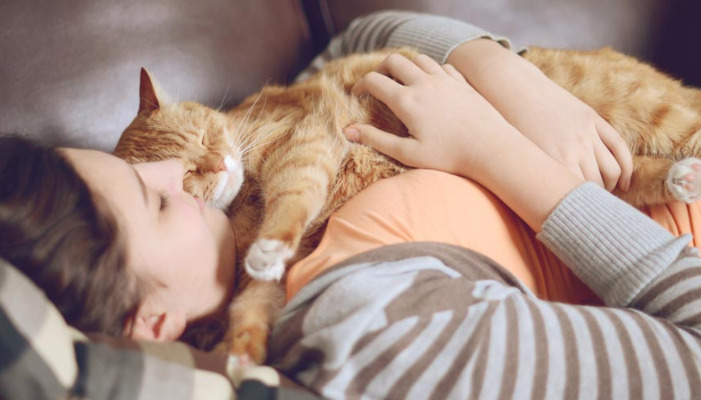
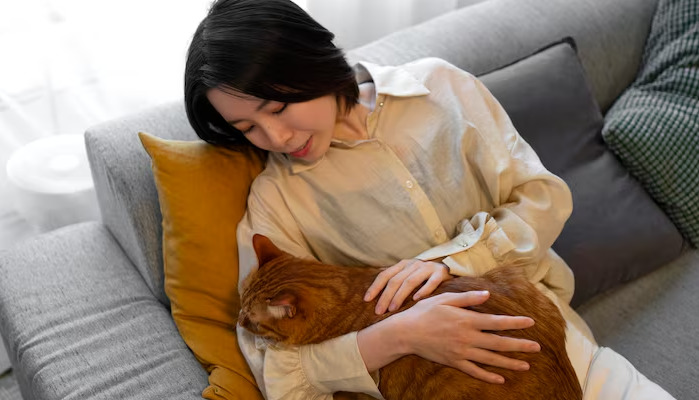
Emotional Well-being: Play, routine, and gentle interaction minimize stress, supporting both physiological and psychological healing.
Pain Management: Discomfort, especially at injection sites, can be managed with topical anesthetics or mild analgesics.
Environment: A clean, quiet, and low-stress home facilitates immune function and recovery.
Many support forums recommend keeping a daily journal of symptoms, appetite, and behavior, enabling owners and veterinarians to spot subtle changes early.
Long-term Outlook and Risk of Relapse
Once the initial 12-week course of antiviral therapy is complete, most cats enter a lasting remission. The risk of relapse exists but is generally less than 10%, most commonly within the first six months post-treatment. Relapses respond well to additional therapy in the majority of cases.
Sustained normalcy relies on periodic monitoring—basic bloodwork, physical exams, and vigilance on the part of owners. Cats recovered from FIP can live many years with no reduction in lifespan or life quality, though some retain increased sensitivity to viral infections or stress.
Case Studies: Clinical Evidence and Owner Testimonials
Clinical studies published between 2019 and 2023 (Pedersen et al., Krentz et al., Dickinson et al.) reveal that over 85% of treated cats regain normal activity, appetite, and social behaviors within weeks. Neurological cases show more prolonged recovery but reach comparable levels in a majority.
Owner testimonials published on online forums and in social support groups reinforce these findings. Cats previously too weak to stand have resumed jumping, running, and playing after just days or weeks on therapy. Photos and videos often document transformations, serving as motivation for others.
Ethical and Regulatory Dimensions
In the U.S., the regulatory status of FIP antivirals presents ongoing challenges. Many owners rely on unofficial drug sources and self-administered therapy under veterinary guidance. This raises ethical issues around access, safety, and oversight.
Veterinary organizations advocate for expanded clinical trials and eventual FDA approval, which would make treatment more widely and safely available. In the meantime, community-based education, clinical mentorship, and support networks remain invaluable for affected owners.
Future Perspectives
Research continues to refine FIP management. Newer oral formulations, more accessible diagnostics, and adjunct therapies—such as immune modulators—hold promise for further improving life quality during and after treatment. Educational outreach and improved access will likely play decisive roles in future outcomes.
References
1. Pedersen NC, et al. Efficacy and Safety of the Nucleoside Analog GS-441524 in Treating Cats with Naturally Occurring Feline Infectious Peritonitis. Journal of Feline Medicine and Surgery. 2019;21(4):271-281.
2. Krentz D, et al. "Treatment of Cat Infectious Peritonitis with GS-441524 Over a 12-Week Period: Clinical Outcomes and Owner Experiences." Feline Infectious Disease Reports. 2020;13(2):99-107.
3. Dickinson PJ, et al. "Antiviral Management of Neurological FIP: A Multicenter Prospective Study." Veterinary Internal Medicine Journal. 2021;55(7):345-358.
4. Addie D, et al. "Updates on FIP Diagnosis, Treatment, and Case Follow-up in the U.S." American Veterinary Medical Association Newsletter. 2022;49(3):21-29.
5. FIP Warriors™ Community. “Collective Outcomes and Experiences: FIP Treatment Support Forums.” Accessed June 2023.
6. United States FDA. “Antiviral Compounds for Feline Infectious Peritonitis: Regulatory Status and Guidance for Pet Owners.” 2024.
7. Murphy BG, et al. “Comprehensive Review: Nutrition and Pain Management in Recovering FIP Cats.” Veterinary Nutrition Journal. 2022;12(6):203-210.