How to Manage NeoFipronis (GS-441524) Side Effects

NeoFipronis (Pronidesivir), containing the active ingredient GS-441524, is a groundbreaking oral treatment for Feline Infectious Peritonitis (FIP). Approved by the Lao Ministry of Agriculture and Forestry in March 2026, NeoFipronis offers a safe, non-invasive, and highly effective solution for cats suffering from FIP symptoms such as loss of appetite, lethargy, fever, ascites, pleural effusion, lymphadenopathy, inflammatory granulomas, neurological damage, and uveitis. Its rapid absorption, minimal side effects, and proven efficacy make it a preferred choice among veterinarians and cat owners alike.
Understanding NeoFipronis Side Effects
Despite its safety profile, some cats may experience side effects during NeoFipronis treatment. Recognizing and managing these effects promptly can ensure better outcomes and improved well-being for affected cats. Common side effects include mild gastrointestinal disturbances, transient changes in appetite, and slight elevations in liver enzymes. Rarely, neurological reactions or allergic responses may occur.
Monitoring and Prevention
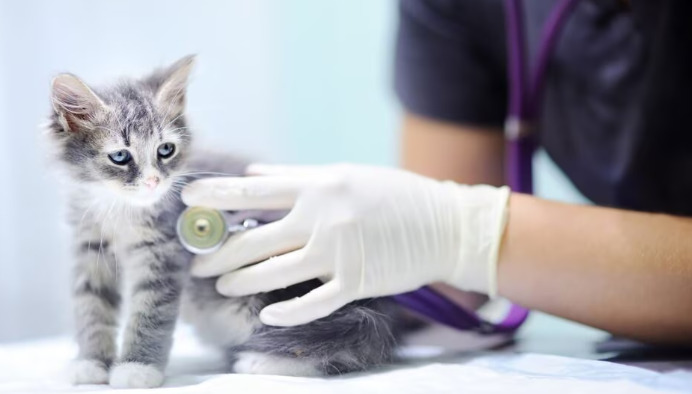
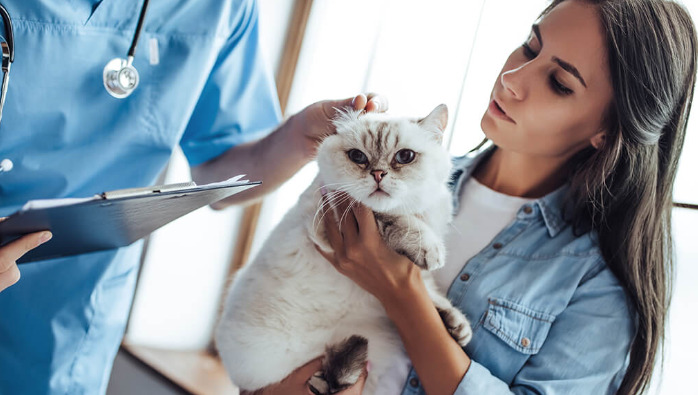
Regular monitoring is essential throughout the course of NeoFipronis therapy. Conduct baseline blood tests before starting treatment, assessing liver and kidney functions. During treatment, routine bloodwork helps detect any adverse effects early. Owners should observe their cats closely for signs of decreased appetite, vomiting, diarrhea, lethargy, or behavioral changes. Maintaining a detailed medication and symptom log can help veterinarians identify patterns or emerging side effects.
Managing Gastrointestinal Side Effects
Mild gastrointestinal symptoms such as nausea or diarrhea are common during antiviral therapy. These can often be managed with dietary adjustments, such as offering easily digestible food or small, frequent meals. Probiotics may also support gastrointestinal health. If symptoms persist or worsen, consult a veterinarian promptly for potential supportive treatments or medication adjustments.
Addressing Behavioral or Neurological Changes
Though rare, some cats may experience neurological symptoms such as disorientation or tremors. If such symptoms appear, immediate veterinary consultation is essential. Dose adjustments or additional supportive therapies might be necessary. Ensuring a quiet, comfortable environment can help alleviate stress during treatment.
Managing Liver and Kidney Function Alterations
Liver enzyme elevations may occur during NeoFipronis therapy. Regular blood tests enable early detection. If liver or kidney functions are compromised, dose reduction or temporary cessation may be required under veterinary supervision. Supportive treatments like hepatoprotective agents can also be considered under professional guidance.
Ensuring Safe Use
Although NeoFipronis is classified as an over-the-counter medication, its use should be under the guidance of a licensed veterinarian. Adhering to prescribed dosages—15mg per kilogram of body weight daily—and maintaining the treatment schedule for at least 12 weeks is crucial. For neurological or ocular FIP forms, veterinarians may recommend dosage increases up to 30mg/kg.
Precautions and Warnings
NeoFipronis is exclusively for feline use and should never be administered to humans. Always purchase from official NeoFipronis websites or authorized distributors to guarantee product authenticity and quality. Avoid missing doses, as inconsistent treatment may reduce efficacy and increase the risk of side effects.
Conclusion
Proper management of NeoFipronis side effects can significantly enhance treatment outcomes for cats with FIP. Careful monitoring, prompt intervention, and veterinary guidance are vital components of a successful therapy plan. With its proven antiviral potency and minimal adverse effects, NeoFipronis stands as a revolutionary option in combating FIP, offering hope for many feline patients worldwide.
Note: Always consult a veterinarian before beginning or adjusting any treatment regimen with NeoFipronis.