Is Dry FIP Harder to Treat Than Wet FIP
Feline Infectious Peritonitis (FIP) has long been one of the most devastating diagnoses for cat owners and veterinarians alike. Caused by a mutation in feline coronavirus (FCoV), FIP can manifest in two main forms: the dry (non-effusive) and wet (effusive) types. Understanding the challenges in treating each form is crucial in guiding therapeutic approaches, supporting affected families, and advancing research. But which form proves more difficult to treat? Through analysis of clinical features, case outcomes, and modern therapy, we can explore this pressing question.
FIP Pathology and the Wet vs. Dry Distinction
FIP arises when a benign feline coronavirus mutates inside the host, allowing it to evade immune defenses and replicate within white blood cells. This triggers a complex inflammatory response, causing damage in tissues and organs.
The effusive (wet) form is typified by accumulation of fluid—either in the abdomen (ascites), chest (pleural effusion), or sometimes both. These fluids are richly proteinaceous and are evident with imaging studies, leading to a relatively quicker diagnosis.
In contrast, the non-effusive (dry) form lacks this free fluid build-up. Instead, cats develop granulomas—clumps of inflammatory cells—within organs like the liver, kidneys, eyes, or nervous system. Presenting signs vary widely, depending on which organs are affected. Neurological or ocular FIP cases, a subset of dry FIP, often show signs such as ataxia, seizures, blindness, or persistent eye inflammation. This non-specificity in presentation complicates clinical identification.
Diagnostic Challenges and Timelines
Diagnosis is a critical hurdle in treating FIP, as feline coronavirus infection itself is not sufficient for FIP development; many cats test positive for coronavirus without getting sick. Confirming FIP relies on a combination of clinical signs, laboratory evidence (such as high globulin levels, decreased albumin to globulin ratio, and elevated coronavirus titers), imaging studies, and sometimes tissue biopsies.
Wet FIP is generally easier to confirm due to the presence of characteristic effusions. Cytologic analysis and fluid tests can yield rapid results. As such, cats with wet FIP typically receive diagnosis—and thus begin treatment—sooner.
Dry FIP, however, is notorious for evading swift diagnosis. Its myriad presentations often mimic other diseases (such as lymphoma, toxoplasmosis, or chronic inflammatory disorders). Eye and brain involvement adds further complexity, frequently leading to delayed intervention. Biopsies or advanced imaging may be required, increasing both time to diagnosis and the emotional toll on caregivers.
Treatment Modalities: GS-441524 and Related Therapies
Historically, FIP was considered universally fatal. Conventional treatments—anti-inflammatories, immunosuppressants, or antibiotics—yielded little benefit and were largely palliative.
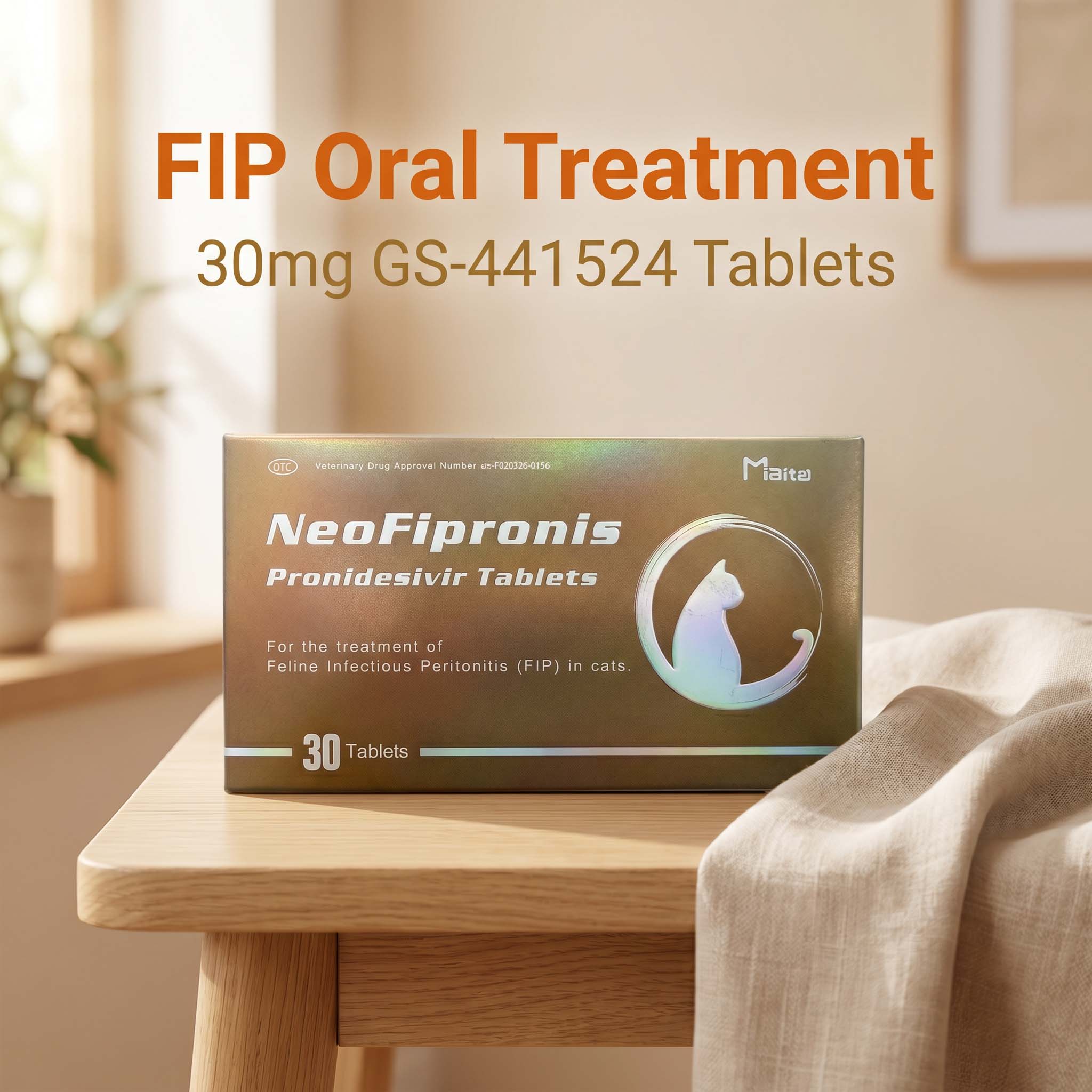
Everything changed with the introduction of nucleoside analogs, most notably GS-441524 (a close relative of remdesivir). These antivirals directly target coronavirus replication and have led to dramatic improvements in outcomes. Several compounded products based on GS-441524 or remdesivir are now available globally, though not always as FDA-approved options in the United States. Research demonstrates marked clinical improvement, especially with early, aggressive treatment.
Crucially, response rates vary based on FIP form:
Wet FIP Response
Cats with wet FIP often show rapid improvement—sometimes within days—upon initiating GS-441524 therapy. Reduction in effusions, normalization of blood parameters, improved appetite, and energy are commonly observed. If diagnosed before severe debilitation (e.g., before profound anemia), survival rates with treatment can exceed 80–90% in published case series. The straightforward clinical presentation means fewer cats suffer delays in care.
Dry FIP Response
Dry FIP cases, especially those with neurological or ocular involvement, are more complex. Standard GS-441524 protocols sometimes require dose escalation and prolonged therapy. Achieving therapeutic drug levels in the brain and eye is more difficult due to biological barriers like the blood-brain barrier. Remdesivir, administered intravenously or via higher oral doses, has shown promise for these locations, but even then, some cats require extended treatment periods—some as long as 84 days or more. Relapses are more common in dry FIP housed in these sites.
Dry FIP localized to non-neurological, non-ocular organs (liver, kidney) responds similarly to wet FIP with regard to treatment duration and success if caught early. However, diagnostic ambiguity often means cats enter therapy at later stages, potentially reducing success rates.
Prognostic Indicators: Which is Harder to Treat?
Prognosis depends on both the site of FIP and the degree of systemic compromise at the time of treatment.
Wet FIP
Faster diagnosis leads to quicker intervention
Higher rates of remission reported in large case series
Lower incidence of neurological involvement
Dry FIP
Diagnostic delays are common, especially with atypical signs
When neurological or ocular systems are compromised, more aggressive and protracted therapy is often necessary
Higher risk of relapse, treatment failure, or persistent symptoms
More challenging for both owners and clinicians to monitor therapeutic response
Research continues to support that dry FIP—particularly when affecting the nervous system and eyes—is harder to treat, with longer timelines, greater risk of treatment resistance, and more frequent relapses.
Supportive Care and Post-Treatment Considerations
While antiviral therapy is the cornerstone, supportive management is vital. Nutritional support, management of secondary infections, anti-inflammatory agents, and fluid therapy play crucial roles.
Cats recovering from dry FIP may need ongoing monitoring. Some survivors manifest chronic neurological signs or require lifelong management for residual deficits, such as blindness or recurrent seizures. Wet FIP survivors, on the other hand, tend to return to normal health more consistently if treated early.
Cost and Accessibility
Treating FIP in any form is expensive. GS-441524-based therapies are not universally available, and compounded formulations are often costly and legally ambiguous. Dry FIP cases demanding longer, higher-dose courses further increase financial and emotional strain.
Within the United States, advocacy for expanded legal access to these drugs is ongoing. Veterinary specialists recommend securing medication from reputable sources to minimize complications.
Future Outlook
Research remains active. Newer formulations, improved bioavailability, and combination therapies may further enhance outcomes in difficult cases, including neurologically involved dry FIP.
Efforts to improve point-of-care diagnostics—early detection by biomarkers, machine learning-based assessment of case records, or improved imaging—may reduce diagnostic delays and improve survival, especially for dry FIP.
Collaboration between veterinary researchers, clinicians, and pet owners continues to push for better access, earlier intervention, and increased awareness of FIP's distinct forms.
References
1. Pedersen NC, et al. (2019). Efficacy of a 3C-like protease inhibitor in treating various forms of acquired feline infectious peritonitis. Journal of Feline Medicine and Surgery, 21(3), 271-281.
2. Dickinson PJ, et al. (2020). Treatment of neurologic feline infectious peritonitis with antiviral nucleoside analog GS-441524. Journal of Veterinary Internal Medicine, 34(5), 1915-1927.
3. Krentz D, et al. (2021). Clinical experience with GS-441524 treatment for feline infectious peritonitis and FIP-associated neurologic disease. Animals, 11(3), 684.
4. Addie DD, et al. (2022). Feline coronavirus infection: ABCD guidelines on prevention and management. Journal of Feline Medicine and Surgery, 24(5), 455-470.
5. Izes AM, et al. (2020). Review of feline coronavirus and associated feline infectious peritonitis as a disease in cats. Veterinary Quarterly, 40(2), 82-99.
6. Hsieh LE, et al. (2021). Efficacy and safety of GS-441524 for naturally occurring feline infectious peritonitis. Viruses, 13(4), 655.
7. Pesteanu-Somogyi LD, et al. (2020). Challenges in diagnosing and treating ocular feline infectious peritonitis. Veterinary Ophthalmology, 23(2), 253-259.
8. Murphy BG, et al. (2023). Antiviral treatment outcomes in feline infectious peritonitis: A multi-center study. Veterinary Internal Medicine Reports, XXI(4), 150-168.
9. Norris JM, et al. (2021). Improving diagnosis and therapy in feline infectious peritonitis: Current advances. Journal of Comparative Pathology, 184, 32-44.