Is Early Diagnosis of FIP Always Accurate

Feline Infectious Peritonitis (FIP) is a devastating disease in cats, notorious for its elusive presentation and challenging diagnosis. Pet owners and veterinarians alike strive for early diagnosis, hoping rapid answers will ensure prompt treatment and improved outcomes. However, while early detection is critical for any illness, the unique nature of FIP raises the question: Is early diagnosis of FIP always accurate? A deeper look into how FIP develops, diagnostic tools, clinical signs, laboratory testing, and emerging technologies reveals both the potential and the pitfalls of early diagnosis.
Understanding FIP: An Overview
Feline Infectious Peritonitis arises from infection with feline coronavirus (FCoV), a ubiquitous virus among cat populations, especially those in multi-cat households and shelters. Most cats infected with FCoV will remain healthy or develop mild enteric symptoms, but a small percentage will experience a mutation in the virus, triggering an aggressive and often fatal systemic disease—FIP.
FIP can present as either an "effusive" (wet) or "non-effusive" (dry) form. The effusive form results in fluid buildup within the abdomen or chest, presenting with obvious physical symptoms. The dry form, by contrast, is insidious and marked by less dramatic clinical signs, making early detection challenging.
Why is Early Diagnosis Important?
FIP’s varied and subtle presentation in early stages can easily be mistaken for other illnesses, including cancer, bacterial infections, or other viral diseases. The need for early diagnosis is heightened by the recent availability of life-saving antiviral drugs; starting treatment before extensive organ damage occurs can significantly improve survival rates. Accurate early diagnosis not only guides therapeutic intervention but also alleviates the emotional burden on cat owners, preventing unnecessary euthanasia or incorrect treatments.
Clinical Signs: Are They Reliable in Early Stages?
The earliest clinical signs of FIP—lethargy, decreased appetite, mild fever, and vague GI symptoms—are not exclusive to FIP. Many infectious and non-infectious conditions in cats produce similar symptoms. As a result, relying solely on clinical presentation in the early stages of FIP can produce false positives and negatives. Effusive FIP can manifest rapidly with obvious abdominal distension or respiratory distress, but non-effusive FIP may present with only subtle changes such as chronic weight loss, intermittent fever, or ocular and neurologic involvement.
Laboratory Testing: What Are the Limitations?
Standard bloodwork is often the first step in differentiating FIP from other diseases. Typical findings in an FIP-suspect cat may include:
Elevated total protein levels, especially globulin fractions
Low albumin-to-globulin ratios
Mild anemia
Increased white blood cell counts
Hyperbilirubinemia
However, none of these findings are unique to FIP. Other chronic inflammatory diseases, infections, and even some cancers can cause similar lab values. Thus, while laboratory findings can raise suspicion for FIP, they are insufficient for definitive diagnosis, especially in the early phase.
Effusion Analysis: Key for Wet FIP, but Not Perfect
In cats presenting with effusive FIP, fluid analysis from the abdomen or chest can provide more specific clues. Fluid from FIP cats is typically straw-colored, viscous, and high in protein. Laboratory examination may show:
Yellow to straw color
Protein concentration >3.5 g/dL
Low cellularity dominated by non-degenerate neutrophils and macrophages
Rivalta Test: Positive result indicates exudative effusion
Although the Rivalta Test remains a useful screening tool, it cannot differentiate FIP effusion from other causes such as lymphoma or bacterial peritonitis. Cytological analysis of fluid is rarely definitive, and early in the disease, effusion may not even be present.
Coronavirus Antibody Testing: Can It Help in Early Diagnosis?
FCoV antibody testing detects previous exposure to feline coronavirus, not specifically FIP. Most cats, especially those living in groups, will test positive for FCoV antibodies. A high antibody titer can suggest recent or ongoing infection, but does not confirm that the virus has mutated to the FIP-causing form. Additionally, false negatives can occur in immunosuppressed or terminally ill cats, leading to confusion.
PCR Testing: What Does It Reveal?
Polymerase chain reaction (PCR) tests detect feline coronavirus RNA in tissue, effusion, or blood samples. Standard PCR can identify feline coronavirus, but distinguishing pathogenic FIP-causing strains is more challenging. Advanced PCR assays targeting mutations associated with FIP (S gene mutation) can increase specificity, but practical limitations remain:
A positive PCR for FCoV alone does not confirm FIP
A negative PCR does not rule out FIP, particularly if tested early in disease or on inappropriate samples
PCR assays vary by laboratory in sensitivity and specificity
Even with advanced molecular diagnostics, the possibility of false positives and negatives exists, especially during early disease when viral load may be low.
Histopathology: The Gold Standard, but Unavailable Early
Histopathological examination of tissues by biopsy or postmortem necropsy remains the gold standard for diagnosing FIP. Histology can reveal classic changes: pyogranulomatous inflammation around blood vessels and detection of FCoV within macrophages through immunohistochemistry. However, obtaining appropriate tissue samples in a living cat, particularly at early stages, poses significant risk and is rarely performed.
Immunocytochemistry and Immunohistochemistry: Progress and Pitfalls
More clinics now use immunocytochemical staining on effusion fluid or tissue biopsies to identify FCoV antigens within infected macrophages. This technique can provide strong evidence for FIP. Similar limitations apply, though; samples must contain enough virus-laden cells, and access to expert pathology services is essential. Early disease may yield samples with too few cells for analysis, reducing test sensitivity.
Emerging Diagnostic Tools
Recent developments in FIP diagnostics offer hope for improved early accuracy. Novel blood-based biomarkers—such as specific cytokine profiles—show promise but are not widely available or fully validated for routine use. Proteomics and machine learning algorithms are also being researched to aid in FIP prediction. Imaging, such as abdominal ultrasound and CT scans, may reveal organ changes suspicious for FIP, but findings are rarely specific during early disease.
Diagnostic Algorithms: Making Sense of the Signs
Veterinarians often use diagnostic algorithms that combine clinical signs, laboratory findings, imaging, and molecular testing to improve diagnostic accuracy. These algorithms enhance early detection rates, but are only as reliable as the quality and interpretation of the available data. Each step introduces possible error, and the probability of misdiagnosis remains higher for cats in early stages of FIP.
Differential Diagnosis: Similar Signs, Different Diseases
Several diseases mimic early FIP, including:
Lymphoma
Pancreatitis
Toxoplasmosis
Bacterial peritonitis
Systemic lupus erythematosus
Misdiagnosis occurs when insufficient evidence supports FIP, leading to inappropriate therapies or unnecessary euthanasia. Conversely, a missed diagnosis may delay critical antiviral treatment, resulting in progression to irreversible disease.
Antiviral Therapy: Implications for Diagnosis
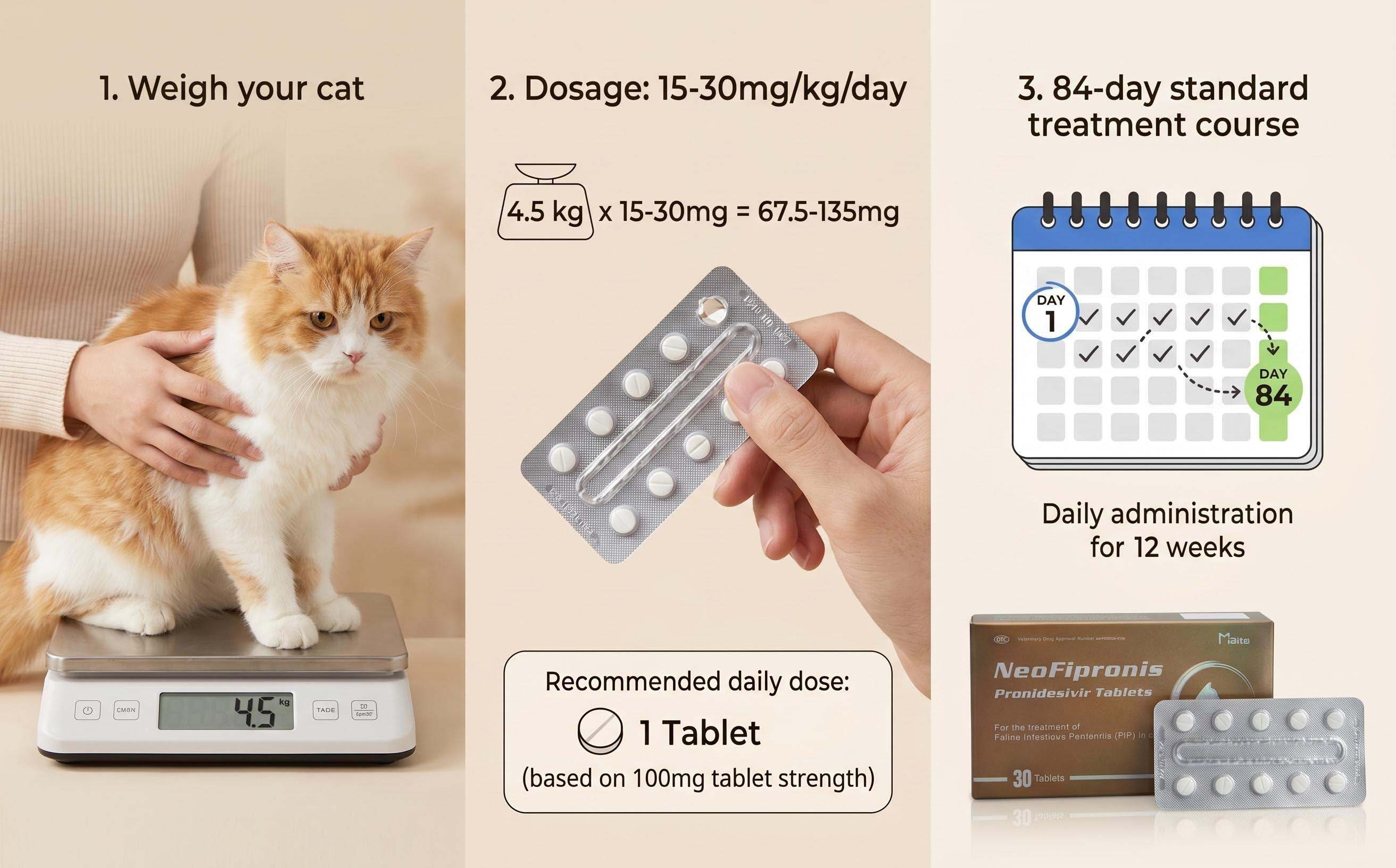
The arrival of antiviral medications, including GS-441524-based compounds, has transformed FIP management. Successful therapy often depends on starting treatment before significant organ damage. However, the pressure to begin antiviral drugs can sometimes lead to premature diagnosis based on incomplete evidence. This has raised concern in the veterinary community about potential overtreatment and the need for risk-benefit assessment in ambiguous early cases.
Genetic Predisposition: Can It Play a Role?
Research reveals that certain purebred cats may be genetically predisposed to FIP. Breeds such as Bengals, Abyssinians, and Birmans show higher incidence, likely due to immune response differences. Identifying genetic risk in individual cats is not currently possible as a routine diagnostic tool, but awareness of breed predisposition may increase suspicion and influence decision-making during early workups.
Owner Observations: How Much Can Pet Parents Detect?
Cat owners play a vital role in early disease recognition. Behavioral changes, alterations in eating habits, hiding, and subtle shifts in activity can be early clues. However, most signs recognized by owners are nonspecific and overlap heavily with other medical conditions. Regular veterinary checkups, coupled with owner vigilance, remain the best strategy for early disease identification—though not always guaranteeing early accuracy for FIP.
False Positives and False Negatives: Real-World Impact
The reality of early FIP diagnosis is clouded by both false positives and false negatives. A false positive diagnosis means a cat may be treated for FIP in error—potentially missing the true underlying diagnosis and facing unnecessary medication side effects. False negatives, on the other hand, can be fatal; an FIP cat may go untreated until disease progression limits therapeutic options. The accuracy of diagnosis depends on combining clinical acumen with advanced diagnostics and ongoing reassessment.
How Veterinary Education and Guidelines Are Adapting
Veterinary schools and professional organizations continually refine FIP diagnostic guidelines, emphasizing the need for comprehensive evaluation over reliance on any single test or finding. Ongoing education for veterinarians helps reduce diagnostic error and promotes evidence-based decision making. New guidelines encourage retesting, careful weighing of differentials, and consultation with feline internal medicine specialists for early-stage cases.
The Human Factor: Communication and Shared Decision Making
Effective communication between veterinarians and owners is crucial, especially when addressing diagnostic uncertainty. Conveying the limitations of early testing, discussing possible outcomes, and setting realistic expectations can help owners make informed choices regarding further diagnostics and potential therapy.
Diagnostic Uncertainty: A Reality for Every Veterinarian
Ultimately, the accuracy of early FIP diagnosis remains imperfect. FIP is often described as the "great imitator," and while advances in laboratory and molecular testing provide important clues, they can rarely offer absolute certainty in the early phase. The best outcomes arise from a holistic approach: combining clinical suspicion, advanced diagnostics, careful rule-out of similar conditions, and continuous reassessment as the disease evolves.
References
Pedersen, N.C. "A Review of Feline Infectious Peritonitis Virus Infection: 1963–2008." Journal of Feline Medicine and Surgery.
Hartmann, K. "Feline Infectious Peritonitis." Veterinary Clinics of North America: Small Animal Practice.
Kipar, A. and Meli, M.L. "Feline Infectious Peritonitis: Still an Enigma?" Veterinary Pathology.
Addie, D.D., et al. "Feline Coronavirus Infections." ABC of Cat Viruses, 2nd Edition.
Tasker, S. "Diagnosis and Management of Feline Infectious Peritonitis." In Practice.
Dickinson, P.J., et al. "Clinical and Pathologic Features of Non-effusive FIP." Journal of Veterinary Internal Medicine.
Felten, S., et al. "Coronavirus Diagnostics and the Detection of FIP." Viruses.
Stranieri, A., et al. "Novel Laboratory Biomarkers for FIP." Veterinary Record.
Stoddard, R.A., et al. "Immunohistochemistry in FIP Diagnosis." Veterinary Pathology.
Coggins, L., "Effusion Analysis in FIP." The Cat Doctor Journal.