Can Cats Eat Canned Food During FIP Treatment
Feline Infectious Peritonitis (FIP) stands as one of the most dreaded diagnoses for cat owners and veterinarians. Caused by a mutation of feline coronavirus, FIP triggers severe symptoms and, if untreated, is often fatal. Recent developments have led to new treatments that offer hope, but many cat owners have pressing questions about daily care, including one fundamental aspect: nutrition. Among the available food options, canned (wet) food is popular. This article explores whether cats undergoing FIP treatment can safely eat canned food, what nutritional considerations to keep in mind, and provides practical guidance rooted in veterinary literature and expert opinions.
Overview of FIP Treatment
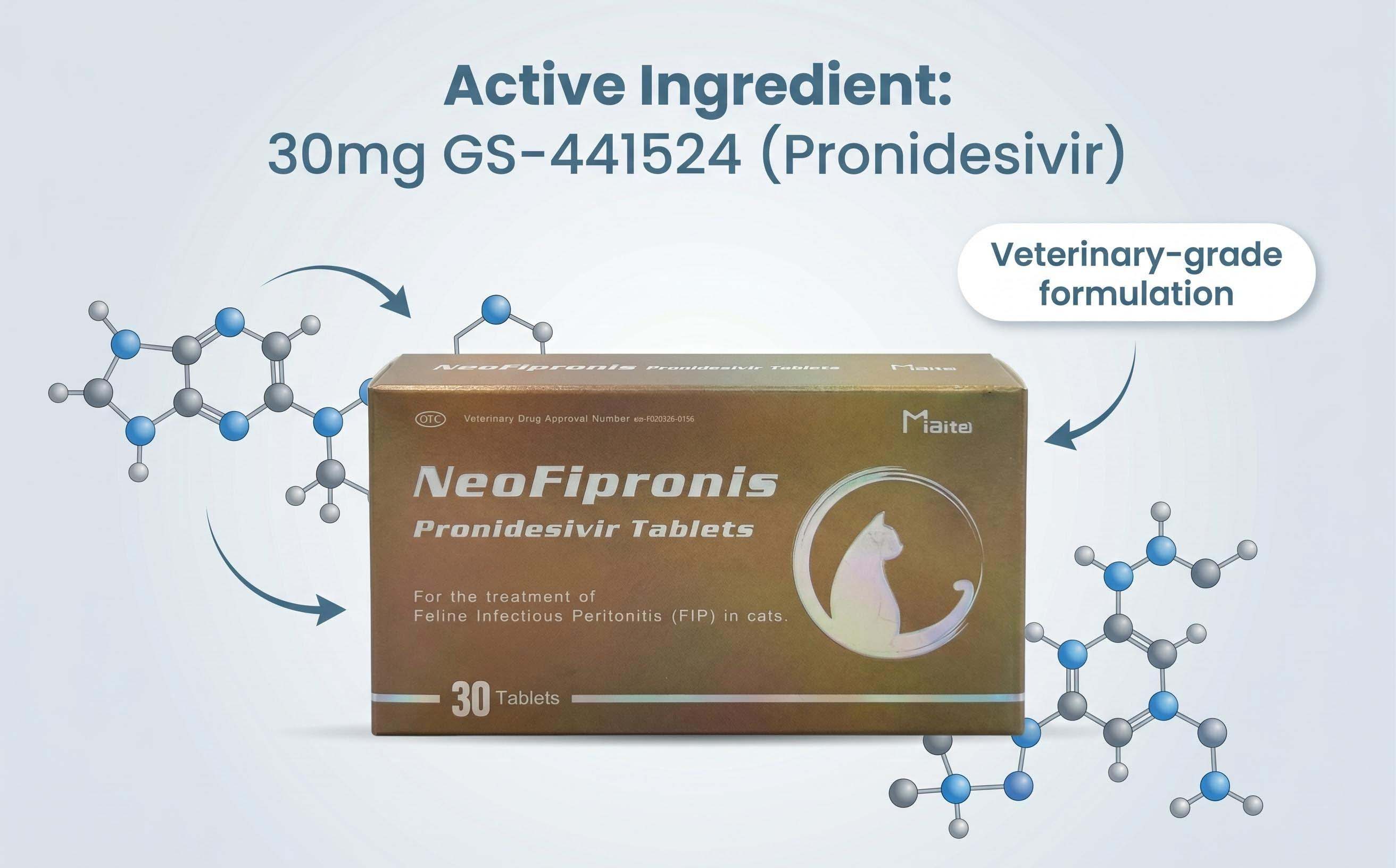
FIP was once considered untreatable, but in the past few years, antiviral drugs—like GS-441524 and remdesivir—have dramatically improved prognosis when diagnosed early. Treatment usually lasts several weeks to months and requires close veterinary supervision. Throughout this period, the cat's body is under immense metabolic stress as it fights the infection and responds to medication. Supportive care, including proper nutrition and hydration, is vital.
The Role of Nutrition in FIP Recovery
Nutrition supports healing, immunity, and overall wellbeing. Cats suffering from FIP often experience depression, fever, lethargy, abdominal effusion, weight loss, and anorexia. Appetite may decline, and gastrointestinal side effects can occur due to the disease or medication. High-quality food helps sustain energy levels and counters catabolism (breakdown of muscle and fat) from chronic illness.
Canned Food: Composition and Benefits
Canned food is often recommended for sick cats due to its moisture content and palatability. Most wet foods contain between 70-80% water, which assists hydration—an important aspect because dehydration is common in FIP. The texture and aroma often entice cats to eat when their appetite is poor.
Essential nutrients found in most high-quality canned foods include:
High-quality animal proteins (chicken, beef, fish)
Fats for energy and absorption of fat-soluble vitamins
Added vitamins and minerals (taurine, vitamin E, B vitamins, zinc, selenium)
Low carbohydrate content, respecting cats' carnivorous diets
Prescription canned diets formulated for recovery or gastrointestinal support may offer easy digestibility and higher calorie density, beneficial for FIP patients.
Is Canned Food Safe During FIP Treatment?
Canned food is generally safe and, in many cases, preferable for cats under FIP treatment. There is no evidence that canned food interacts negatively with GS-441524, remdesivir, or other FIP drugs. Some considerations are necessary:
Quality of Ingredients: Some canned foods are high in fillers, artificial flavors, or preservatives. Choose "limited-ingredient" or "single-source protein" variants for sensitive cats.
Digestibility: Cats with effusive (wet) FIP may have gastrointestinal discomfort, so easily digestible canned foods are ideal.
Caloric Requirements: Ill cats may eat less, so higher calorie wet foods help maintain body weight.
Palatability: Enhanced flavors or warmed food may attract reluctant eaters.
Hydration: Moisture content supports fluid intake, essential for cats with effusion or fever.
Canned Food vs. Dry Food: Key Considerations
Unlike canned foods, dry kibble contains only 10% moisture and may be less appealing to cats suffering from FIP, especially if their sense of smell is impaired. The primary benefits of canned food over dry food for FIP patients are:
Superior hydration
Greater palatability
Reduced carbohydrate content
Ease of consumption for weakened cats
Dry foods are sometimes beneficial for dental health or convenience, but during the acute phase of illness, canned options are typically more suitable.
Common Feeding Challenges in FIP Treatment
Loss of appetite, nausea, vomiting, and abdominal discomfort often make feeding challenging. Here are practical feeding strategies for cats with FIP:
Small, frequent meals: Offering small portions throughout the day may be easier for cats with poor appetite.
Warming the food slightly: Helps enhance aroma and palatability.
Hands-on feeding: Some cats may accept food if hand-fed.
Flavor rotation: Changing between flavors or brands may reignite interest in eating.
Functional supplements: Low-volume, highly caloric gels or broths may support intake if solid food is refused.
Owners should avoid forcing food too aggressively; patience and gentle encouragement are key.
Dietary Restrictions and FIP
There are no absolute dietary restrictions during FIP treatment; however, some recommendations improve comfort and nutrition:
Avoid raw diets: Raw foods may harbor pathogens dangerous for immunocompromised cats.
Limit treats and table scraps: These may be fatty or seasoned, aggravating gastrointestinal distress.
Monitor for allergies/intolerances: If vomiting or diarrhea occurs after specific foods, consult your veterinarian.
Selecting reputable brands or prescription diets formulated for recovery is preferable.
Special Canned Foods for Recuperating Cats
Several prescription diets are designed specifically for cats undergoing recovery from illness, such as Hill’s a/d, Royal Canin Recovery, and Purina ProPlan CN. These canned foods contain higher calories, easily digestible proteins, and enhanced micronutrients—all suitable for convalescent cats.
When FIP treatment begins, veterinarians may recommend these foods in tandem with medical therapy; close monitoring is essential to ensure the cat tolerates the new diet.
Monitoring Nutritional Intake
Weight tracking, appetite observation, and gastrointestinal tolerance (checking for vomiting or diarrhea) are crucial during FIP treatment. Most veterinarians advise keeping a log of daily food intake, weight changes, and symptoms, which informs adjustments to feeding plans.
If a cat refuses all canned and dry foods for more than 24 hours or starts losing weight, contact your veterinarian immediately to prevent further complications.
Managing Secondary Issues: Hydration and Electrolytes
FIP, especially the effusive form, can lead to dehydration and electrolyte disturbances. Canned food's moisture helps mitigate dehydration, but some cats may require supplemental fluids administered by a veterinarian. Cats on canned food alone rarely become dehydrated unless vomiting or diarrhea is severe.
Potential Risks of Canned Food in FIP Cats
Most healthy cats and FIP patients tolerate high-quality canned foods well. However, risks exist if improper foods are chosen:
Bacterial contamination: Spoiled or improperly stored canned food can introduce secondary infections.
Food allergies: Cats sensitive to certain proteins or additives may exhibit vomiting or diarrhea.
Obesity: If calorically dense recovery foods are overfed as the cat improves, weight gain could occur.
Dental issues: Long-term exclusive wet food feeding may cause plaque accumulation, so dental health monitoring is advisable.
Veterinary guidance helps prevent complications.
Emerging Trends in FIP Nutritional Support
With the advent of antiviral therapies, holistic FIP care has evolved to include nutritional optimization. Increasing studies emphasize protein quality, micronutrient balance, antioxidant supplementation, and gastrointestinal support. Canned foods that incorporate high-quality proteins, omega-3 fats, and tailored micronutrient complexes support immune resilience and recovery.
Some cutting-edge products also include prebiotics, probiotics, and functional foods to minimize gastrointestinal disturbances, although efficacy data in FIP remains limited.
Practical Guidance for Cat Owners
When selecting canned food for a FIP-lover:
1. Consult Your Veterinarian: Discuss the best options for your cat’s specific medical needs and stage of illness.
2. Read the Label: Look for foods with high protein, moderate fat, low carbohydrate, and essential vitamins/minerals.
3. Monitor Response: Adjust flavors, textures, and brands based on your cat’s acceptance and tolerance.
4. Emphasize Hydration: Choose foods with a moisture content above 75%.
5. Hygiene: Store and serve food fresh to avoid bacterial growth.
Caregiver Strategies
Alongside offering canned food, continue attentive care:
Provide a quiet feeding area.
Remove uneaten food after 1 hour.
Warm the food mildly (never hot).
Try feeding on a spoon or from your hand.
Stay alert for signs of gastrointestinal distress, declining appetite, or altered behaviors.
Nutritional Supplements: Do They Help?
Some supplements support immune health and gastrointestinal comfort during FIP treatment:
Probiotics: Can aid digestion, but consult a vet before use.
Omega-3 fatty acids: May reduce inflammation and support immune response.
Antioxidants (vitamin E, selenium): Support cellular defense during illness.
Supplements are only helpful if recommended by a veterinarian; over-supplementation can be harmful.
When to Change Canned Food
Switching brands or types may be needed for cats that:
Stop eating a particular flavor.
Show signs of allergies or intolerance.
Have specific dietary requirements per veterinary advice.
Change foods gradually to minimize gastrointestinal upset.
Parental Support and Emotional Well-Being
Caring for a cat with FIP is emotionally draining. Ensuring proper nutrition is just one part of the supportive journey. Many owners feel frustrated when their cat “won’t eat”—patience, creativity, and veterinary collaboration are essential. Reliable nutrition supports not only physical healing but quality of life during the treatment process.
References
1. Addie, D. D., & Jarrett, O. (1990). Feline coronavirus infections. British Veterinary Journal, 146(6), 529–536.
2. Pedersen, N. C. (2019). Feline Infectious Peritonitis: An Update. Veterinary Clinics: Small Animal Practice, 49(4), 759-779.
3. Krentz, D., & Pennick, D. G. (2020). GS-441524 treatment for cats with feline infectious peritonitis. Journal of Feline Medicine and Surgery, 22(11), 1026-1032.
4. Little, S. (2011). The Cat: Clinical Medicine and Management. Saunders.
5. Laflamme, D. P. (2012). Nutrition of hospitalized cats. Journal of Feline Medicine and Surgery, 14(5), 366-371.
6. Freeman, L. M. (2013). Feeding sick cats: practical approaches. Veterinary Clinics of North America: Small Animal Practice, 43(2), 287-301.
7. Veterinary Partner. (2022). Feline Infectious Peritonitis (FIP).
8. Baneth, G., et al. (2021). Feline coronavirus infection and management. Feline Medicine Review, 3(1), 15-28.
9. Royal Canin. (2020). Recovery Diets for Cats.
10. Hill’s Pet Nutrition. (2021). Prescription Diet a/d: Indications and Feeding Guide.
11. Purina Pro Plan. (2021). CN Recovery Diet Overview.
12. American Association of Feline Practitioners. (2020). Nutritional guidelines for ill cats.