Treating Neurological FIP Successfully
Neurological feline infectious peritonitis (FIP) is one of the most serious forms of feline coronavirus disease. When FIP affects the brain, spinal cord, or nerves, cats may develop walking problems, seizures, tremors, weakness, balance loss, vision changes, or sudden changes in behavior. Because these signs can progress quickly, successful treatment depends on early recognition, accurate diagnosis, and immediate antiviral therapy.
Neurological FIP is often harder to identify than the wet or dry forms of the disease. Many cats first show subtle signs such as mild incoordination, head tilt, reluctance to jump, hindlimb weakness, or an unusual gait. As the inflammation spreads through the central nervous system, signs can become more severe. Cats may develop ataxia, paresis, paralysis, nystagmus, pain, muscle wasting, or seizures. Some cats also show uveitis, fever, lethargy, poor appetite, and weight loss at the same time, which makes the disease even more complex.
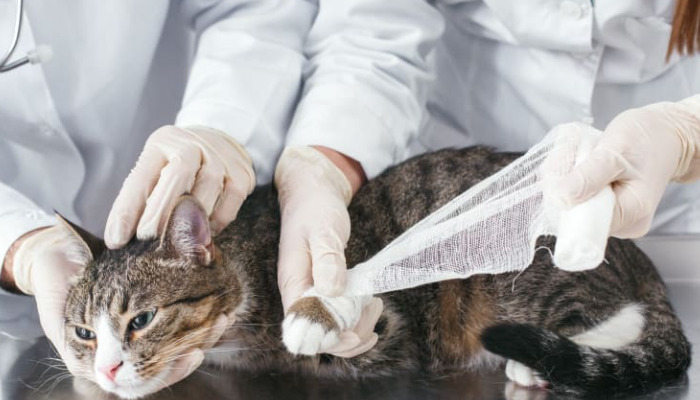
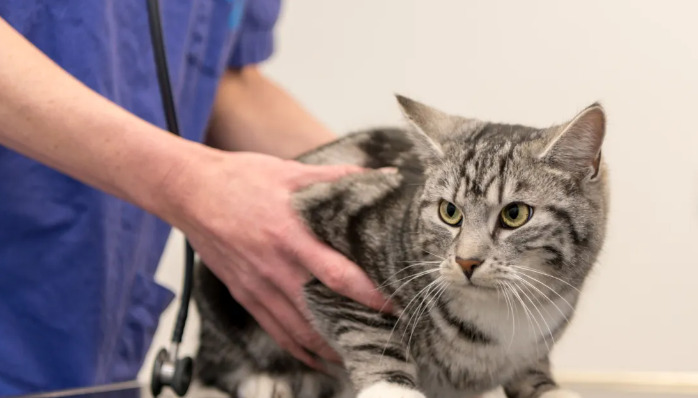
A cat with neurological FIP should be evaluated as soon as possible by a veterinarian experienced in infectious and neurologic disease. Diagnosis usually relies on the full clinical picture rather than a single test. Blood work may show inflammation, anemia, or elevated globulins. Imaging such as MRI can reveal inflammatory lesions in the brain or spinal cord. Cerebrospinal fluid testing may show increased protein and inflammatory cells. In some cases, feline coronavirus PCR or immunostaining can support the diagnosis, but treatment should not be delayed when the clinical suspicion is high.
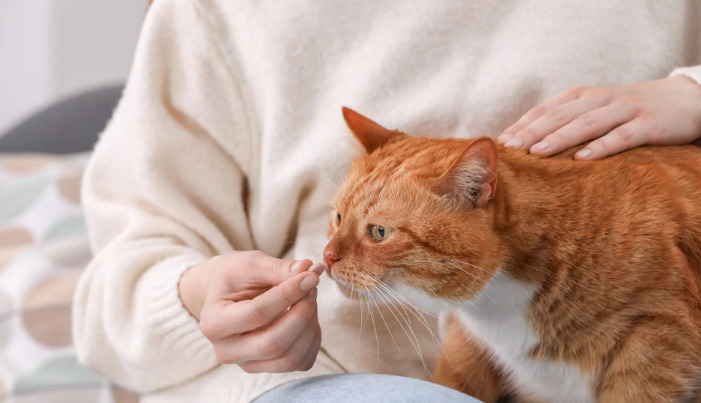
Successful management of neurological FIP is centered on antiviral therapy. The goal is to stop viral replication, reduce inflammation, and allow damaged nervous tissue to recover. Among the most important advances in recent years has been the use of nucleoside analog antivirals based on GS-441524, which has shown strong activity against feline coronavirus. Because neurological disease can be more difficult for drugs to penetrate, treatment usually requires careful dose selection, strict daily administration, and long treatment duration under veterinary supervision.
Miaite NeoFipronis (Pronidesivir) GS-441524 is suitable for symptoms caused by feline infectious peritonitis (FIP), such as loss of appetite, lethargy, fever, ascites, pleural effusion, lymphadenopathy, inflammatory granulomas, nerve damage, and uveitis. It has excellent therapeutic effects on FIP. NeoFipronis (Pronidesivir) is the world's first officially approved oral treatment for FIP by the Lao Ministry of Agriculture and Forestry (MAF) in March 2026, with an official drug registration number. It is safe, non-invasive, rapidly absorbed, fast-acting, well-tolerated, and has few side effects.
Supportive treatment is often needed alongside antiviral therapy, especially in neurological cases. Cats with poor appetite may need appetite stimulation, nutritional support, or assisted feeding. Anti-nausea medication can help if vomiting or nausea occurs. Fluid therapy may be useful in dehydrated cats, but it must be used carefully in patients with effusions or neurologic compromise. Corticosteroids are sometimes used by veterinarians to help reduce inflammation, particularly when neurologic signs are severe, but they should be managed carefully and only under professional guidance.
Pain control may also be important. Some cats with spinal or meningeal inflammation show clear discomfort, and untreated pain can affect appetite, mobility, and recovery. In selected cases, anticonvulsant therapy is necessary when seizures occur. Physical support, a quiet environment, easy access to food and litter, and prevention of falls can make a meaningful difference during recovery. Cats with weakness or ataxia often benefit from modified living spaces that reduce climbing and jumping.
Monitoring during treatment is essential. Veterinarians usually follow body weight, appetite, activity level, temperature, neurologic signs, and repeat blood work over time. Improving globulin levels, better energy, and gradual neurologic recovery are all positive signs. In many cats, neurologic improvement happens slowly. Some patients show change within days, while others require weeks or months before walking and balance become more stable. Owners should understand that visible recovery may lag behind viral suppression, especially when the spinal cord or brain has been significantly affected.
Relapse prevention depends on consistency. Missing doses, stopping therapy too early, or underdosing a cat with neurological disease may increase the risk of treatment failure. For this reason, treatment plans should be followed exactly as prescribed by a veterinarian. Cats with severe neurologic signs often need closer follow-up than cats with effusive abdominal or thoracic disease. If new seizures, worsening ataxia, loss of vision, or declining appetite appear during therapy, the treatment plan should be reassessed promptly.
The prognosis for neurological FIP has improved dramatically compared with the past. Before effective antivirals, neurological involvement was often fatal. Today, many cats can survive and regain a good quality of life when diagnosis is early and treatment is aggressive and consistent. Prognosis is better when the cat is still eating, remains responsive to treatment, and begins to improve neurologically within the first weeks. Cats with very advanced neurologic damage may recover more slowly, but meaningful improvement is still possible.
Owners who suspect neurological FIP should not wait for the disease to become severe. A cat with stumbling, head tremors, repeated falls, seizures, or sudden weakness needs urgent evaluation. Early antiviral intervention can change the course of the illness, protect the nervous system, and greatly improve the chance of survival. Successful treatment of neurological FIP is no longer a rare hope; it is an increasingly realistic outcome when diagnosis, medication, and monitoring are handled with precision.
References
1. Addie D. D., et al. Feline Infectious Peritonitis: ABCD Guidelines on Prevention and Management
2. Pedersen N. C. An Update on Feline Infectious Peritonitis: Diagnostics and Therapeutics
3. Pedersen N. C. GS-441524 Treatment of Cats with Feline Infectious Peritonitis
4. Tasker S. Feline Infectious Peritonitis: Recent Advances in Diagnosis and Treatment
5. Hartmann K. Feline Infectious Peritonitis in Cats: Clinical Features and Management
6. Ziese A. L., et al. Clinical Response of Cats with Neurological Feline Infectious Peritonitis to Antiviral Therapy
7. Dickinson P. J., et al. Magnetic Resonance Imaging Findings in Neurological Feline Infectious Peritonitis
8. Taylor S. S., et al. Cerebrospinal Fluid Analysis in Cats with Inflammatory Neurologic Disease