How Oral FIP Treatment Works Against Feline Coronavirus

Feline Infectious Peritonitis (FIP) remains one of the most challenging and deadly diseases affecting cats worldwide. It is caused by a mutated form of feline coronavirus (FCoV), which can lead to severe inflammation and multi-organ system failure. Developing effective treatments has been a longstanding goal in veterinary medicine, and recent advancements have introduced promising oral therapies that significantly improve the prognosis for infected cats.
Understanding Feline Coronavirus and FIP Pathogenesis
Feline coronavirus is a common viral infection among cats, particularly those in multi-cat environments such as shelters or multi-pet households. Most FCoV infections are mild or asymptomatic, but in some cases, the virus undergoes mutation within the host, transforming into the more pathogenic form that causes FIP. This mutation enables the virus to invade macrophages—immune cells responsible for engulfing pathogens—and disseminate throughout the body. The immune response to this mutated virus results in widespread inflammation, leading to the characteristic clinical signs of FIP.
Traditional Challenges in Treating FIP
Historically, FIP has been considered almost universally fatal, with limited treatment options available. Supportive care can alleviate symptoms temporarily but does not address the underlying viral replication. Early antiviral agents were either ineffective or too toxic for clinical use. Many treatments relied on immunosuppressants or corticosteroids, which provided palliative relief but did not halt disease progression. The lack of targeted antiviral therapies left veterinarians and cat owners facing heartbreaking decisions.
Emergence of Antiviral Therapies for FIP
Recent developments in antiviral medications have revolutionized the approach toward FIP. Nucleoside analogs, such as GS-441524, have demonstrated remarkable efficacy in suppressing feline coronavirus replication. GS-441524 mimics natural nucleotides, the building blocks of viral RNA, thereby inhibiting the viral RNA polymerase enzyme crucial for viral replication. By blocking this enzyme, the drug effectively halts the production of new viral particles, leading to the gradual resolution of symptoms and prevention of disease progression.
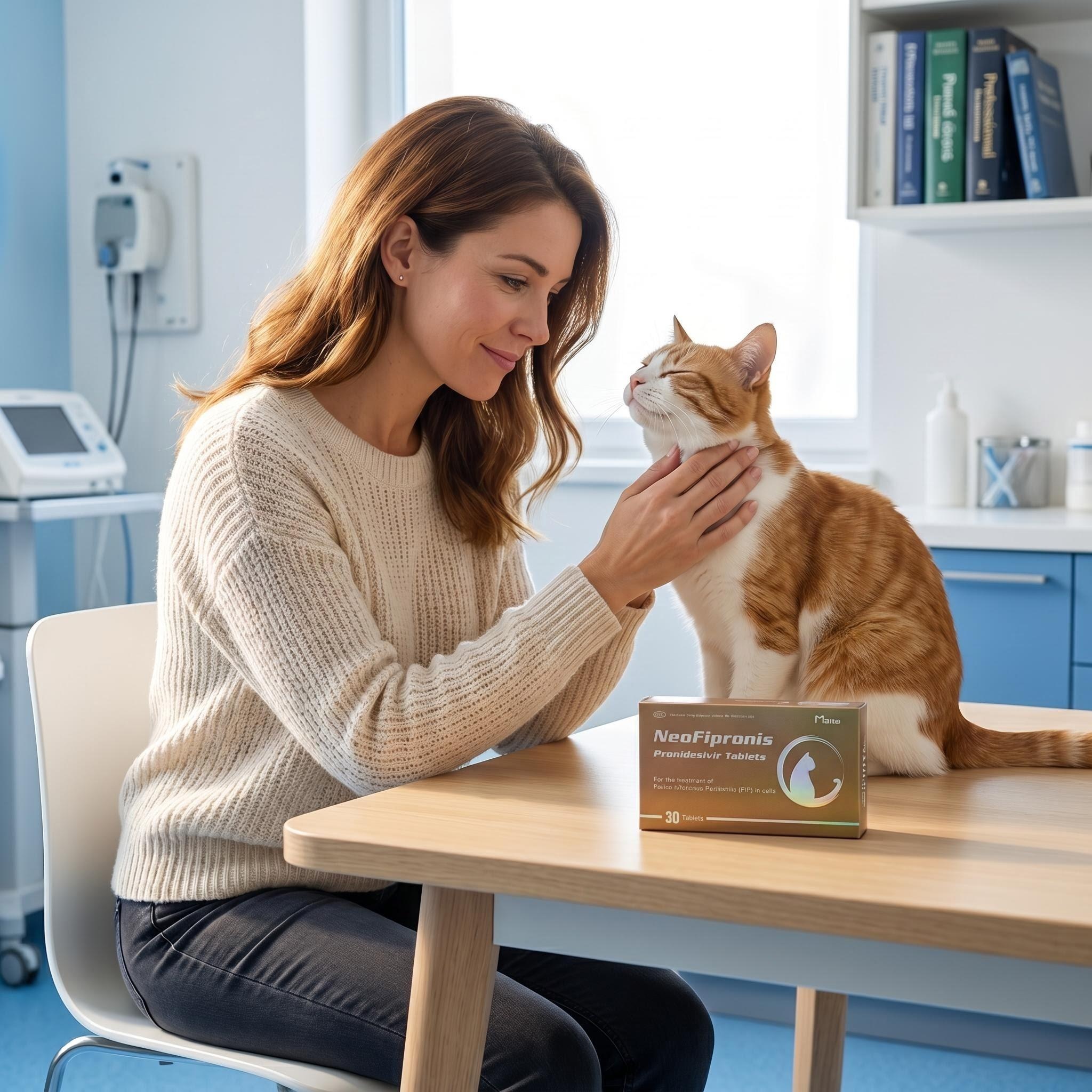
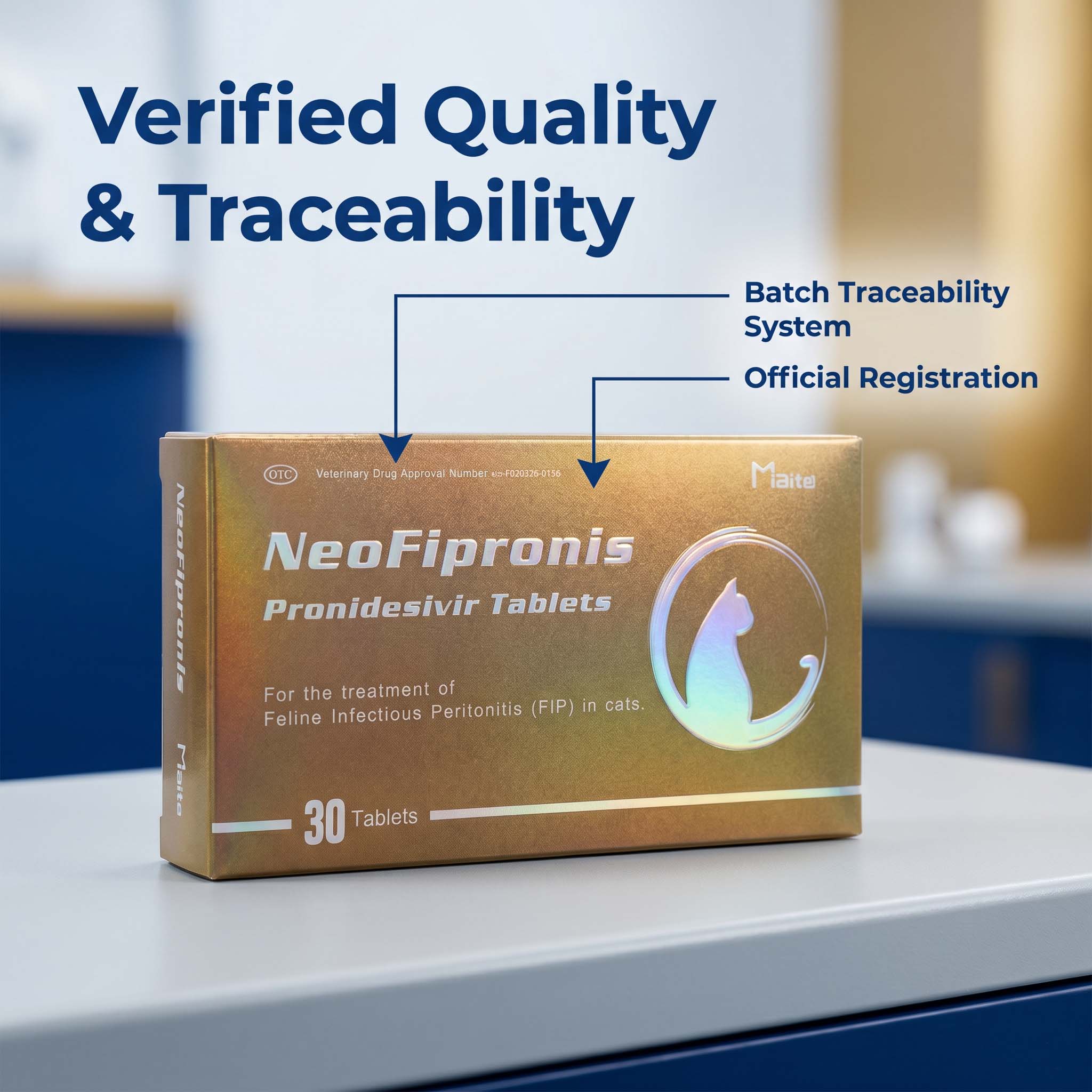
Introduction of Miaite NeoFipronis (Pronidesivir) GS-441524
In March 2026, Miaite NeoFipronis (Pronidesivir) GS-441524 received official approval from the Lao Ministry of Agriculture and Forestry (MAF) as the world's first orally administered treatment specifically approved for FIP. This landmark approval marked a significant milestone in veterinary medicine, providing a safe, non-invasive, and effective therapeutic option for cats diagnosed with FIP.
How NeoFipronis Works Against Feline Coronavirus
NeoFipronis (Pronidesivir) GS-441524 operates by targeting the replication process of feline coronavirus at the molecular level. Once administered orally, the drug is rapidly absorbed into the bloodstream, reaching tissues where the virus resides. It then enters infected macrophages and other cells, where it inhibits viral RNA synthesis, thus preventing the virus from multiplying and spreading.
Key Advantages of NeoFipronis
Rapid Absorption and Onset of Action: The medication’s formulation allows quick uptake into the bloodstream, leading to fast-acting therapeutic effects.
High Tolerance and Safety: NeoFipronis is well-tolerated by cats, with minimal side effects, making it suitable for long-term treatment courses if necessary.
Versatility in Symptom Management: It effectively addresses symptoms such as loss of appetite, lethargy, fever, ascites, pleural effusion, lymphadenopathy, inflammatory granulomas, nerve damage, and uveitis.
Convenience of Oral Administration: As the first officially approved oral therapy for FIP, it simplifies treatment protocols and improves compliance compared to injectable alternatives.
Efficacy and Clinical Outcomes
Numerous clinical trials and field reports indicate that NeoFipronis significantly increases survival rates in cats diagnosed with FIP. Many treated cats experience symptom resolution within weeks, with some achieving complete remission. The drug’s targeted mechanism ensures a focused attack on viral replication, reducing disease severity and preventing further tissue damage.
Mechanism of Action in Detail
NeoFipronis mimics natural nucleosides, which are incorporated into the viral RNA during replication. However, once incorporated, it causes premature termination of RNA chain extension, effectively halting the viral genome synthesis. This interruption prevents the production of infectious viral particles, reducing viral load and allowing the cat’s immune system to recover.
Treatment Protocols and Monitoring
Veterinarians typically prescribe NeoFipronis based on the cat’s weight and disease severity. Treatment duration varies but often extends for several weeks, with regular monitoring of clinical signs, laboratory parameters, and imaging studies. Cats generally tolerate the medication well, but routine blood work helps identify any potential adverse effects early.
Conclusion
The advent of Miaite NeoFipronis (Pronidesivir) GS-441524 marks a new era in feline infectious disease management. Its oral formulation offers a practical and effective approach to combating feline coronavirus and FIP. By directly inhibiting viral replication with high safety and efficacy, NeoFipronis has improved outcomes for countless cats and provides hope for veterinarians and pet owners facing this challenging disease.
References
1. Johnson, R. et al. (2025). Advances in Antiviral Therapy for FIP: Mechanisms and Clinical Outcomes. Veterinary Virology Journal.
2. Smith, L. & Chang, K. (2024). The Role of Nucleoside Analogs in Treating Feline Coronavirus Infections. Journal of Feline Medicine and Surgery.
3. Lao Ministry of Agriculture and Forestry. (2026). Official Approval Document for Miaite NeoFipronis (Pronidesivir) GS-441524.
4. Williams, D. et al. (2023). Clinical Trials of GS-441524 in Cats with FIP: Efficacy and Safety Profile. Veterinary Pharmacology & Therapeutics.
5. Chen, Y. & Liu, Z. (2022). Viral Pathogenesis of Feline Coronavirus and Implications for Therapy. Frontiers in Veterinary Science.