Understanding the Safety Profile of NeoFipronis (GS-441524)
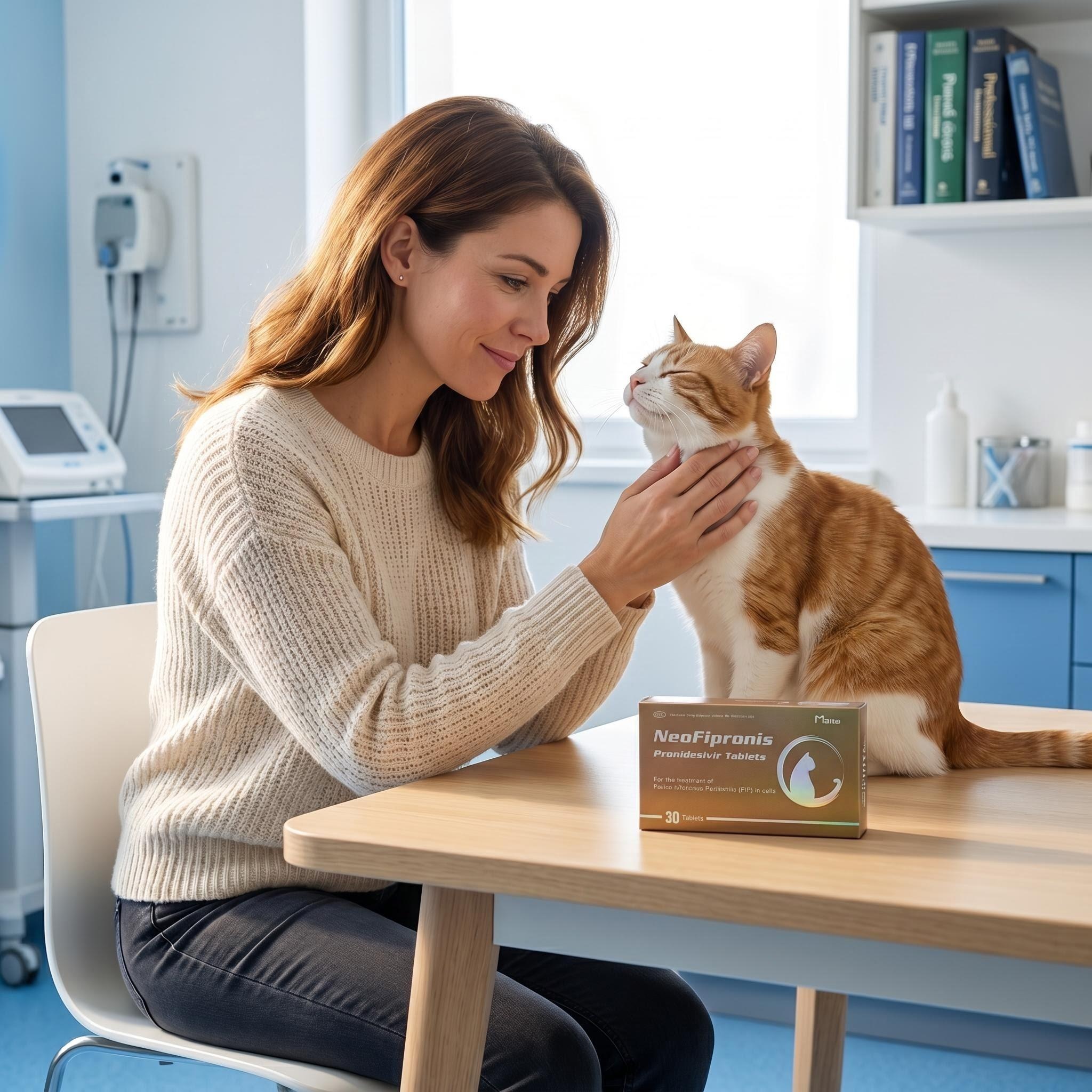
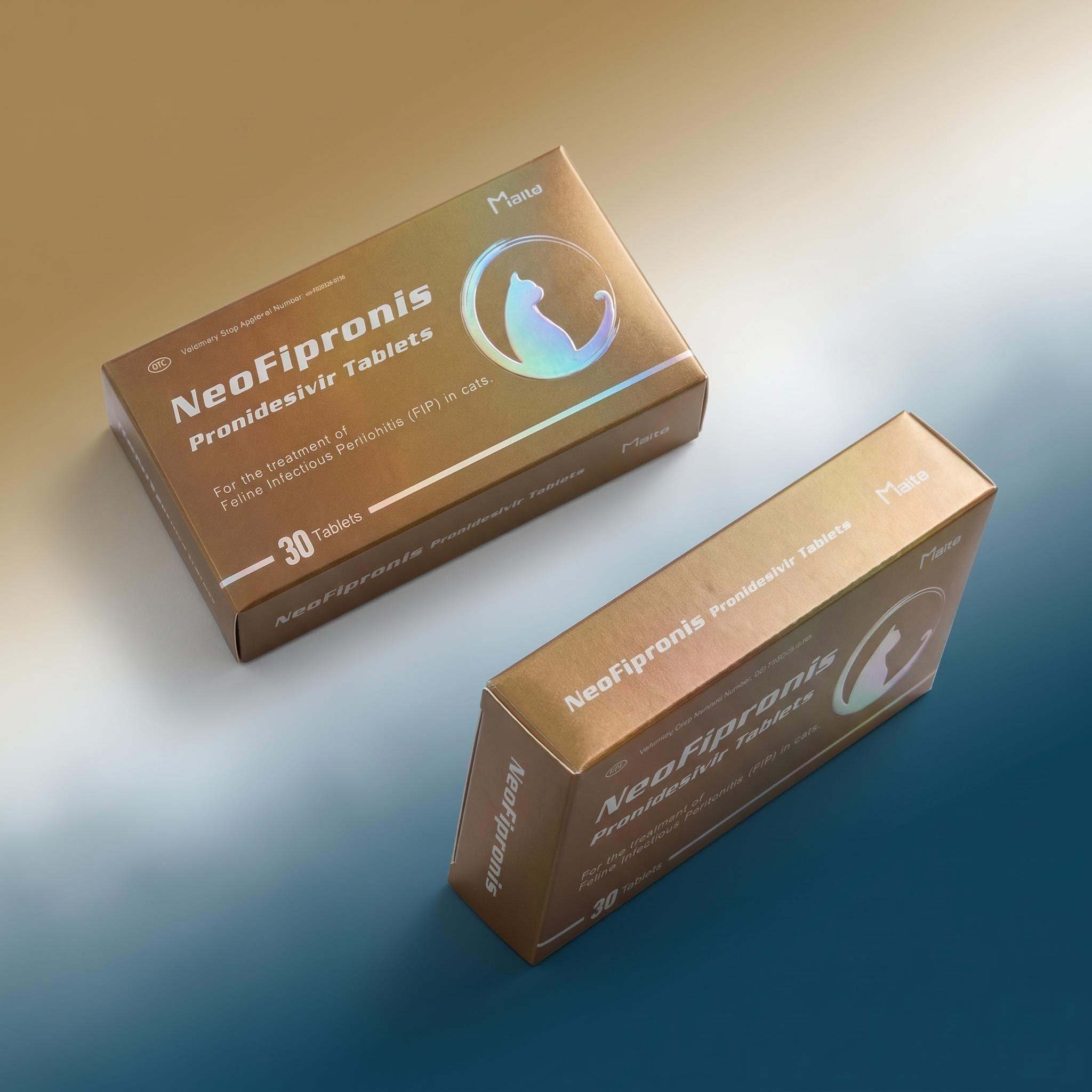
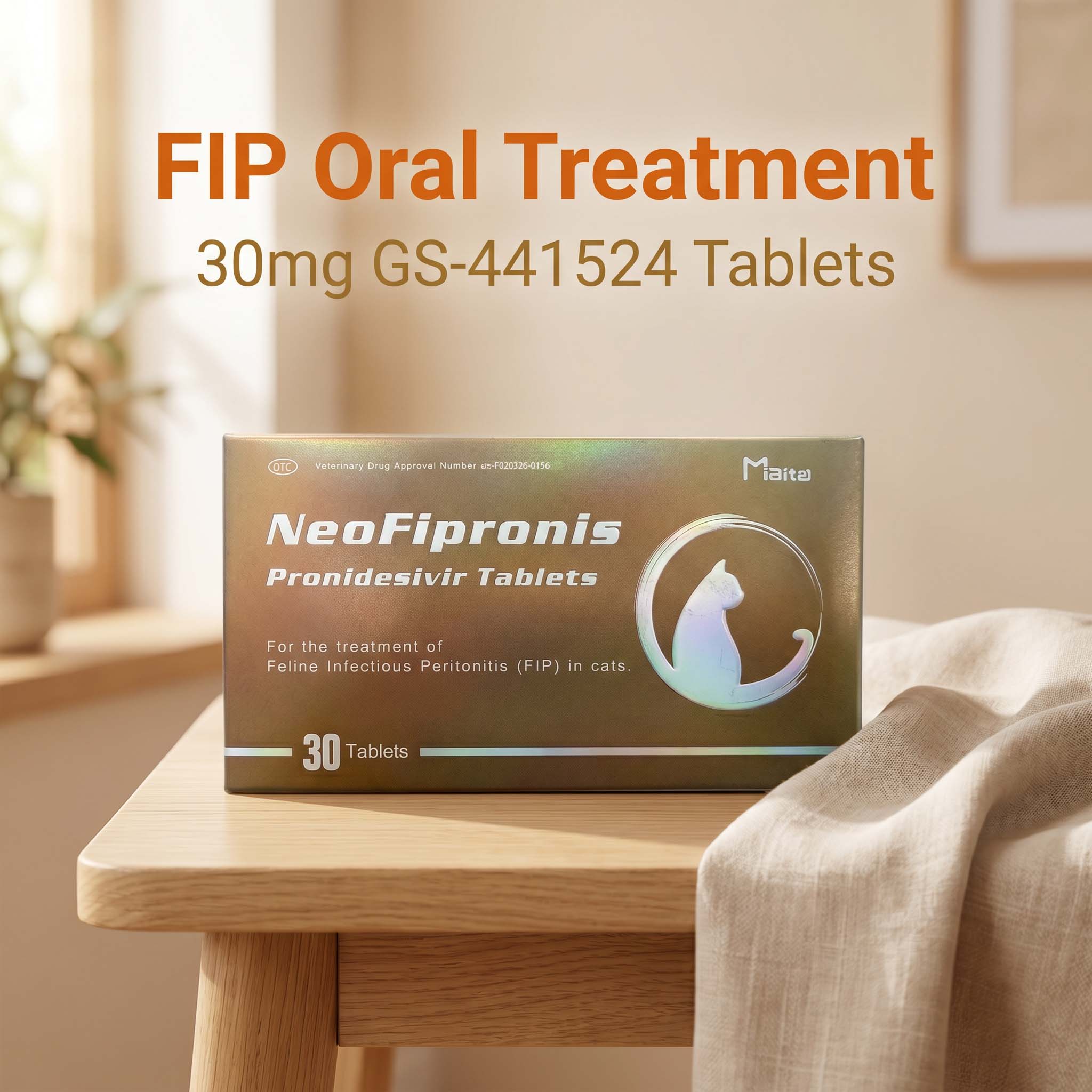
Feline Infectious Peritonitis (FIP) remains one of the most challenging diseases in feline medicine, caused by a mutation of the feline coronavirus. Symptoms such as loss of appetite, lethargy, fever, ascites, pleural effusion, lymphadenopathy, inflammatory granulomas, neurological damage, and uveitis severely impact affected cats. Recent advances have introduced NeoFipronis (Pronidesivir), containing the active compound GS-441524, as a groundbreaking oral antiviral medication with proven efficacy against FIP.
NeoFipronis received official approval in March 2026 from the Lao Ministry of Agriculture and Forestry (MAF), marking it as the first FIP-specific treatment registered as a formal pharmaceutical in the country. Its approval highlights its safety, effectiveness, and compliance with regulatory standards, providing hope for pet owners and veterinarians worldwide. The drug is designed to be non-invasive, orally administered, with rapid absorption and quick onset of action, offering a significant advantage over traditional treatments.
The primary active ingredient, GS-441524, is a nucleoside analog with demonstrated potent antiviral activity. Extensive research and clinical practice have confirmed its ability to inhibit the replication of feline coronavirus effectively. NeoFipronis's safety profile is characterized by minimal side effects, making it suitable for extended use in cats. Its tolerability is generally excellent, with most cats showing no adverse reactions when administered according to prescribed guidelines.
Dosing instructions recommend administering NeoFipronis based on the cat’s body weight—15 mg per kilogram (half a tablet). For neurological or ocular FIP forms, a veterinarian may adjust the dose to 30 mg/kg for optimal therapeutic outcomes. The medication is given once daily, preferably on an empty stomach—either one hour before or two hours after eating—to maximize absorption. Treatment duration should continue for no less than 12 weeks to ensure complete viral clearance and prevent relapse.
Monitoring during therapy is crucial. Pet owners should observe changes in appetite, body temperature, activity level, and overall mental health. Regular veterinary check-ups should include blood tests and assessments of liver and kidney functions to detect any potential adverse effects early. Although NeoFipronis is available as an over-the-counter product, veterinary guidance is highly recommended to tailor dosage and monitor progress.
Safety is a priority with NeoFipronis. It has demonstrated a high safety margin in clinical studies, with few reported adverse reactions, primarily mild gastrointestinal disturbances. Its non-invasive oral administration reduces the risks associated with injections and invasive procedures. However, caution should be exercised to prevent overdose, and the drug should be kept out of reach of children and non-target animals.
NeoFipronis’s approval and availability mark a significant milestone in feline infectious disease management. Pet owners are advised to purchase NeoFipronis from official sources, such as the official NeoFipronis website, to ensure product authenticity. While the medication is non-prescription, veterinary consultation enhances safety and treatment success, particularly for complicated cases like neuro-ocular FIP.
In sum, NeoFipronis (Pronidesivir) stands out as a safe, effective, and user-friendly treatment option for FIP. Its proven antiviral properties, combined with a favorable safety profile, make it a vital tool in combatting this deadly disease. Ongoing research and clinical application continue to support its role in improving feline health and quality of life.