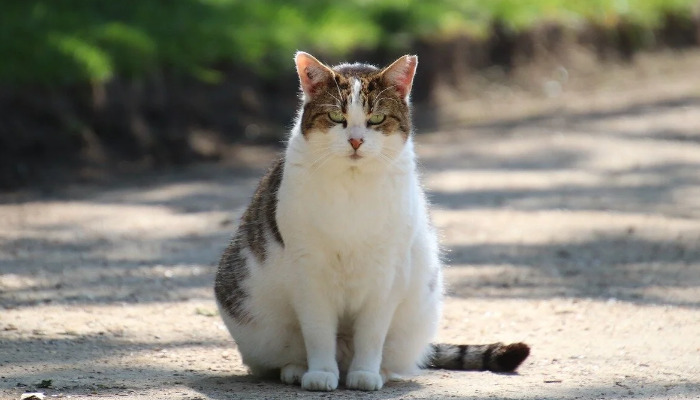
Does a Cat’s Weight Affect the Cost of FIP Treatment
Feline Infectious Peritonitis (FIP) has long been one of the most dreaded diagnoses for cat owners and veterinarians alike. Once regarded as untreatable, evolving research and the advent of novel antiviral drugs have changed the landscape for cats with FIP, offering hope where there was little before. As owners explore these new treatment possibilities, a pressing concern arises: does a cat’s weight affect the cost of curing FIP? For American pet owners navigating this emotionally and financially challenging situation, understanding the relationship between a cat’s weight and FIP treatment expenses is crucial.
What is FIP and Why Weight Matters
FIP emerges from infection with feline coronavirus (FCoV), which generally causes benign symptoms but can mutate inside some cats, leading to the deadly FIP. This disease is most common in young cats or those living in communal environments such as shelters. Treating FIP typically involves newer antiviral medications like GS-441524, which is not yet fully approved by the FDA but widely used in off-label or “black-market” settings.
Dosing for medications, as in most veterinary treatments, is typically calculated based on the animal’s body weight. The reasoning is straightforward: the amount of drug required to reach a therapeutic level in the blood correlates with body mass. Therefore, larger cats need higher doses for the treatment to be effective, while smaller cats require less.
How FIP Treatment Is Priced
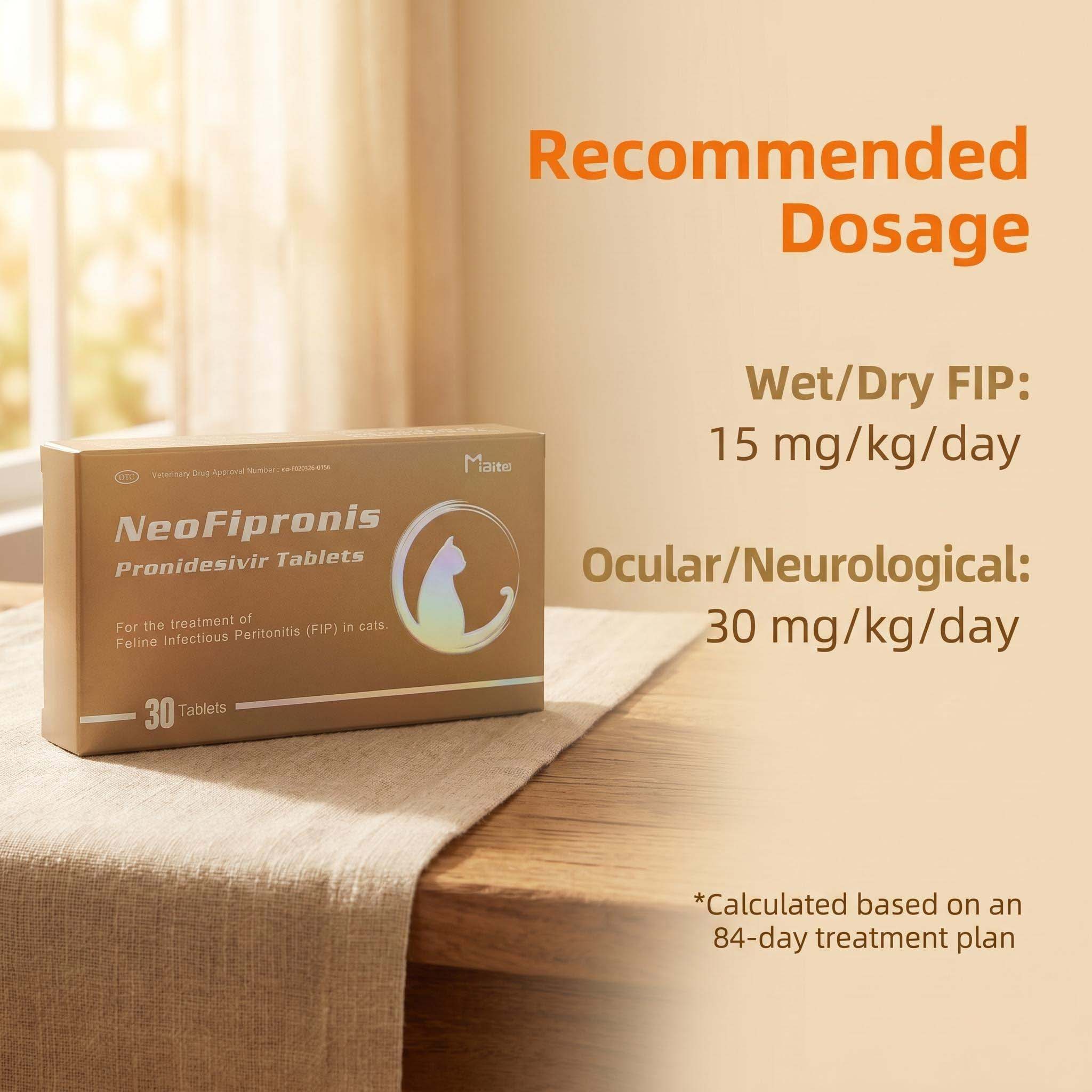
American veterinarians and FIP treatment suppliers usually tailor the cost of FIP medication to the cat’s body weight. The most widely referenced drug, GS-441524, is provided in vials or capsules with a specific concentration. A typical dosing protocol starts at 4–6 mg/kg of body weight, per day, for 12 weeks (though doses and duration can vary depending on the severity and form of the disease). Each additional pound increases the dose, and thus the total cost.
For example, if a 4 kg cat needs 20 mg daily over 84 days, and a vial costs $80 and contains enough for 10 days, you would need roughly nine vials, totaling $720 just for the drug. A heavier cat, say 8 kg, would require twice as much per dose, possibly doubling the medication cost to $1,440 over the treatment course.
Other Financial Impacts
Medication isn’t the sole cost in treating FIP. Diagnostics, supportive therapies, monitoring, hospitalization, and follow-up blood work add further strain on household budgets. While these costs are generally flat-rate or not dependent on the cat’s size, dosing and administration challenges for larger cats may push service costs upward. Some skilled veterinary clinics may charge more to administer higher drug dosages or manage complications in heavier cats.
Moreover, bigger cats may require more supportive nutrients, fluids, or even larger needles to deliver injections comfortably. These ancillary expenses are not as large as the medication itself but should not be overlooked.
Variability by Drug Supplier and Geographic Location
Cat owners in the U.S. often rely on international suppliers or compounding pharmacies that formulate GS-441524 to specific standards. Pricing models fluctuate, rooted in global supply chain irregularities, importation logistics, and regional market forces. Heavier cats, requiring more vials, face steeper import fees and per-dose costs. Some suppliers offer price breaks for bulk buying, but many operate with rigid per-vial pricing.
Additionally, treatment costs vary by city and clinic. Major urban centers sometimes have specialized FIP clinics familiar with weight-based dosing, while suburban or rural vets may source drugs at higher rates or have less familiarity with the optimal dosing protocols, potentially leading to waste or under-dosing.
Why Accurate Weight Measurement Is Non-Negotiable
Proper dosing hinges on accurate, recent weight numbers. Owners should weigh their cats continually during treatment, as weight can fluctuate—sometimes dramatically—over the 12-week protocol. Underestimating weight can result in subtherapeutic doses and drug resistance; overestimating leads to unnecessary financial outlay. Some clinics provide free or subsidized weighing services to minimize errors.
Veterinary staff may adjust prescriptions if a cat loses or gains weight during FIP therapy, recalibrating total costs accordingly. In rare cases, rapid weight gain (from fluid accumulation or recovery) can sharply increase daily dose requirements and spike monthly drug bills for the remainder of therapy.
Lab Monitoring: Flat or Weight-Based?
Routine diagnostic procedures—CBC, chemistry panels, urinalysis—typically follow a flat fee. However, in some places, heavier cats with larger blood volumes may be eligible for certain extended tests or require slightly larger sample draws, which marginally increases costs. Most U.S. clinics do not scale lab fees based on pet weight, but some specialized feline hospitals justify “consumable” surcharges for larger animals.
Alternative Therapies: Weight Still Counts
In addition to GS-441524, experimental drugs and immunomodulators (such as remdesivir, interferon, or polyprenyl immunostimulant) also tend to be dosed by weight. While some alternative products come in fixed-dose tablets intended for cats of average size, most liquid protocols or injectable drugs require careful calculation based on body mass, with identical economic implications for owners of larger than average cats.
Potential Insurance Coverage and Weight Restrictions
As of 2024, FIP treatment is often excluded from standard pet insurance policies, especially for experimental drugs. Premiums for pet insurance rarely reflect the cat’s weight, but some "dose-dependent" reimbursement policies may consider weight if a claim is approved. Owners are urged to clarify with their insurer whether weight-based treatments qualify for coverage or partial reimbursement.
Do Heavier Cats Respond Differently?
A common question in the online FIP community is whether heavier cats require longer or more expensive treatment. Current research indicates that, barring metabolic differences, response rates are generally similar, so long as dosing is matched precisely to weight. The main variable is cost, not success rate. Over- or under-dosing can interfere with recovery and drive up costs if relapse occurs; careful compliance is essential.
Strategies to Minimize Treatment Costs Due to Weight
Cat owners managing FIP in larger felines may seek cost-saving techniques. Some approaches:
Compare prices among multiple suppliers
Consult veterinary pharmacists for bulk compounding options
Monitor cat diet and weight to avoid unnecessary gains during treatment
Coordinate with FIP-focused rescue organizations, which may obtain drugs at below-market cost or offer sponsorship for financially challenged cases
Ethical Considerations and Access Issues
The reality for many is that a heavier cat represents a more expensive challenge, which can impact decision-making in resource-limited households. This cost differential can lead to difficult choices about who receives treatment and who doesn’t, especially in multi-cat homes or shelters. Pet advocacy groups urge more transparency and market regulation to ensure equitable access to life-saving therapies, regardless of a cat’s body size.
Real-World Stories from American Cat Owners
Interviews and anecdotes gathered from FIP support groups highlight recurring themes. Owners of Maine Coons, Norwegian Forest Cats, or large mixed breeds often report sticker shock at medication quotes, sometimes triple those of average-sized cats. Some families resort to crowd-funding or personal loans to cover costs, while others pivot to alternative management strategies or hospice care if out-of-pocket expenses are insurmountable.
Veterinary Perspective: Communication and Transparency
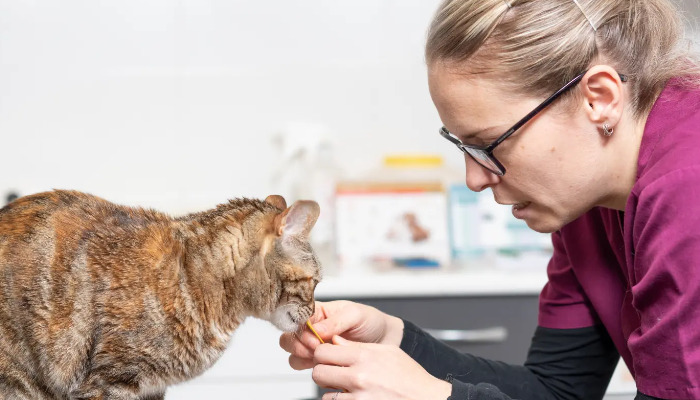
Veterinarians are increasingly trained to discuss cost implications upfront, especially with respect to weight-based dosing. At initial diagnosis, most clinics provide detailed written estimates keyed to body weight and projected dosing intervals. Professionals encourage shared decision-making, so owners are fully aware of the investment required over time and the importance of accurate weight maintenance.
Market Trends and the Future of Weight-Based FIP Treatment Pricing
The veterinary pharmaceutical industry continues evolving, with hopes that eventual FDA approval of GS-441524 and similar drugs may stabilize prices and create fixed-dose, weight-agnostic formulations. Until then, weight remains a central factor in cost calculations. Researchers and policymakers are advocating for wider insurance coverage and improved drug accessibility for all cats, irrespective of weight.
Understanding FIP Treatment: Beyond Medication Costs
Finally, it’s vital to see medication as one part of a broader therapeutic picture. Emotional support, dietary adjustments, long-term monitoring, and potential secondary complications factor into both budget and well-being. Large cats may require stronger handling or additional personnel for safe drug administration—increasing associated fees. All these nuances reinforce that body weight is rarely just a number, but a key determinant in both clinical and economic outcomes.
References
1. Pedersen NC. “An Update on Feline Infectious Peritonitis: Virology and Immunity.” Topics in Companion Animal Medicine, 2014; 29(2): 68-77.
2. Addie DD, et al. “Feline Infectious Peritonitis: Pathogenesis, Prevention and Treatment.” Veterinary Clinics: Small Animal Practice, 2020; 50(5): 1001-1012.
3. Murphy BG, et al. “The Pharmacokinetics of GS-441524 Following Oral and IV Administration to Cats.” Veterinary Microbiology, 2018; 222: 34-39.
4. American Veterinary Medical Association. “FIP Treatment Cost Guide,” AVMA, 2023.
5. Foster, R., “The Impact of Pet Weight on Veterinary Medication Costs,” Journal of Small Animal Practice, 2021; 62(2): 123-129.
6. FIP Warriors® USA (fipwarriorsusa.com), “Cost Breakdown by Cat Size,” updated 2023.
7. Cat Fanciers’ Association, “Breed Weight Table,” 2022.
8. Pet Insurance Review, “Coverage Analysis for New FIP Treatments,” 2024.
9. US FDA, “GS-441524 Import Regulations for Cat Treatment,” 2022.
10. Ball, J., et al. “Owner Experiences in Treating FIP: A Survey,” Journal of Feline Medicine and Surgery, 2023; 25(8): 764-774.