Who Should Not Use NeoFipronis
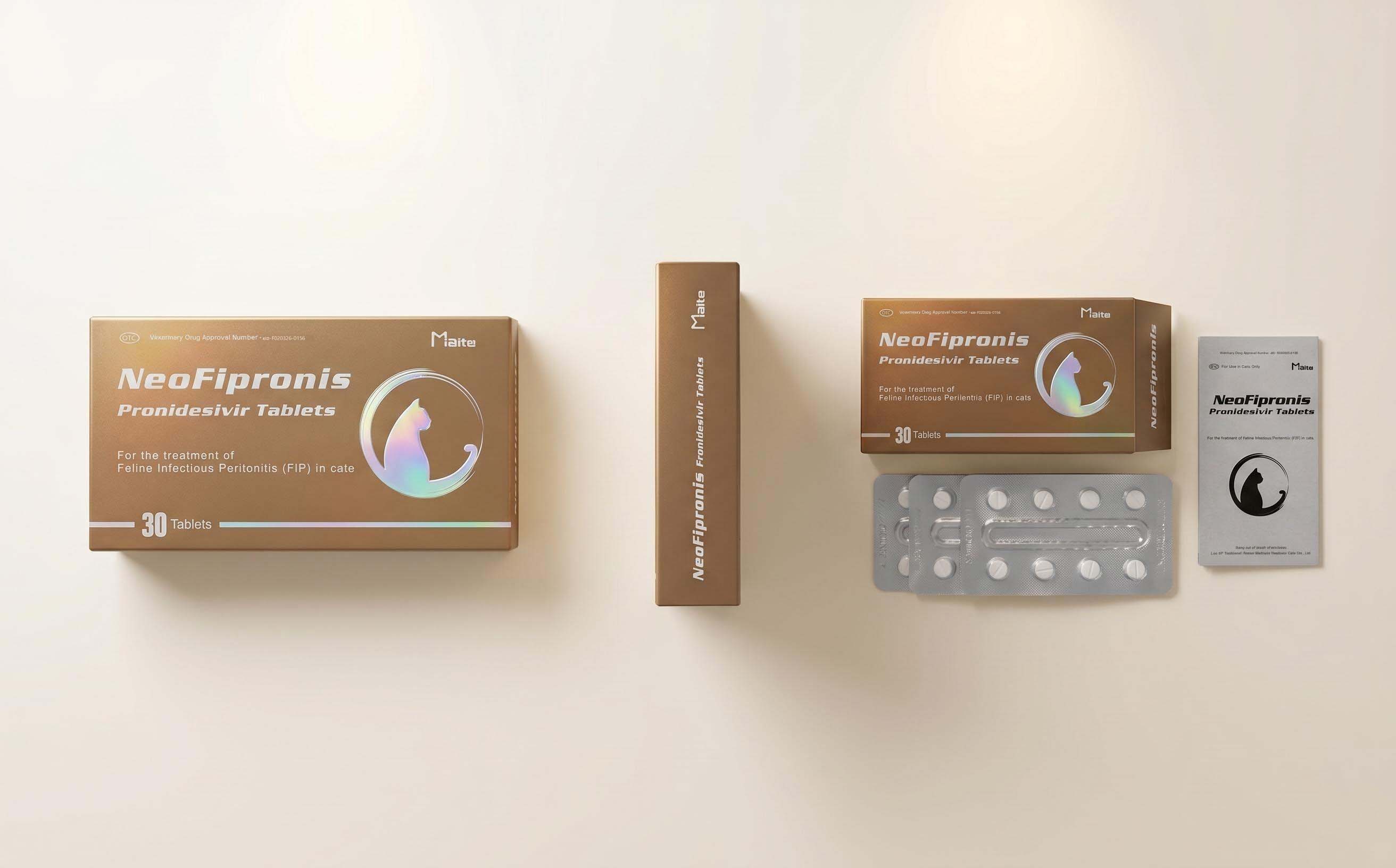
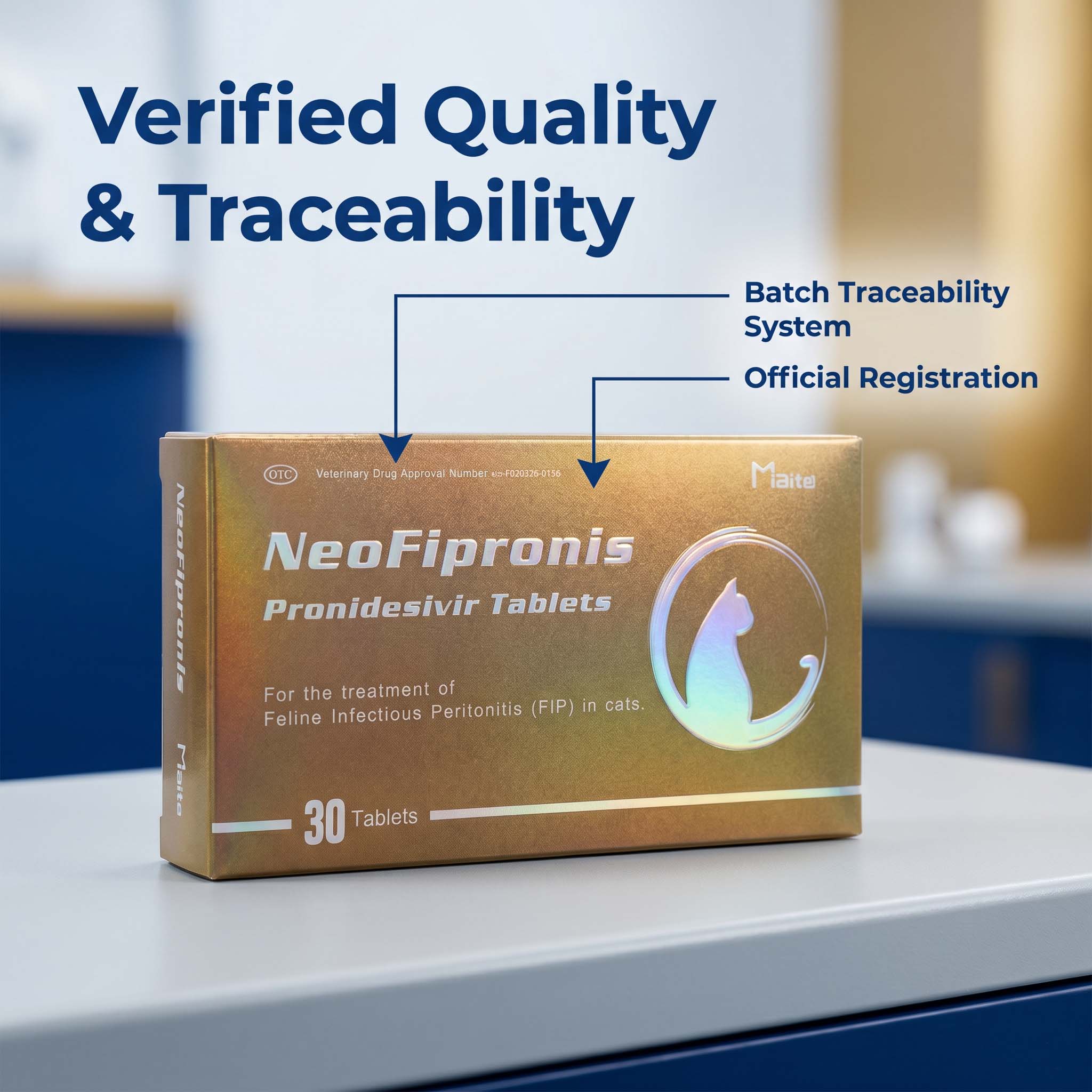
NeoFipronis (Pronidesivir) GS-441524 is a groundbreaking oral medication specifically designed for the treatment of Feline Infectious Peritonitis (FIP). Approved by the Lao Department of Agriculture and Forestry (MAF) in March 2026, NeoFipronis is the world's first officially registered FIP treatment with proven efficacy, safety, and minimal side effects. Its active ingredient, GS-441524, demonstrates remarkable antiviral activity against FIP virus, making it a vital tool in feline medicine.
NeoFipronis is highly effective in alleviating symptoms associated with FIP, including anorexia, lethargy, fever, ascites, pleural effusion, lymphadenopathy, granulomatous lesions, neurological damage, and uveitis. Its fast absorption, ease of oral administration, and excellent tolerability make it a preferred choice for feline owners and veterinarians aiming for swift recovery. Recommended dosage is 15 mg per kilogram of cat’s weight daily, with adjustments to 30 mg/kg for neurological or ocular forms, administered on an empty stomach for optimal results. Treatment duration is typically no less than 12 weeks, and consistent medication adherence is crucial.
While NeoFipronis offers substantial benefits, certain cats should avoid its use. Animals with known hypersensitivity to GS-441524 or any ingredients in the formulation should not be given NeoFipronis. Allergic reactions, although rare, may include itching, swelling, or respiratory distress. Cats with underlying health conditions such as severe liver or kidney impairment may require careful evaluation before starting treatment. The drug’s safety profile, although generally excellent, has not been extensively studied in animals with significant comorbidities, and therefore, caution is advised.
Pregnant and nursing cats are another group for whom NeoFipronis is not recommended unless explicitly prescribed by a veterinarian. The potential effects on developing fetuses or kittens are not yet fully established, making it safer to avoid use during pregnancy and lactation without professional guidance.
Cats with existing neurological disorders or ocular issues should be monitored closely. Although NeoFipronis has been used successfully in many cases, cats with severe neurological deficits or active ocular inflammation may require close supervision, dose adjustments, or alternative therapies.
Additionally, NeoFipronis should not be administered to cats with concurrent infections requiring other treatments unless approved by a veterinarian. Drug interactions, although minimal, are possible with certain medications, especially immunosuppressants or antivirals not compatible with GS-441524.
As NeoFipronis is a prescription-level medication in many regions, over-the-counter use is not recommended. Owners should consult with licensed veterinarians for proper diagnosis and treatment planning. It’s essential to purchase NeoFipronis from official sources, such as the NeoFipronis official website, to ensure product quality and authenticity.
In summary, cats with hypersensitivity, severe organ impairment, pregnant or lactating females, and those with certain neurological or ocular conditions should not use NeoFipronis without veterinary approval. Proper medical supervision ensures the safety and effectiveness of this innovative FIP treatment, maximizing the chances of recovery while minimizing risks.