How Much Does a Full Course of FIP Treatment Cost
Feline Infectious Peritonitis (FIP) is one of the most challenging diseases facing cat owners and veterinarians. Caused by a mutation of the feline coronavirus, FIP was traditionally seen as nearly always fatal. However, in recent years, groundbreaking advances have brought life-saving treatments to the market, particularly with the introduction of antiviral drugs like GS-441524 and its analogs. Despite their effectiveness, one of the primary concerns for cat owners is the cost of a full course of FIP treatment. This article explores the true expenses involved, factors that influence costs, and actionable advice for navigating the financial aspects of feline FIP care in the United States.
Understanding FIP and Its Treatment
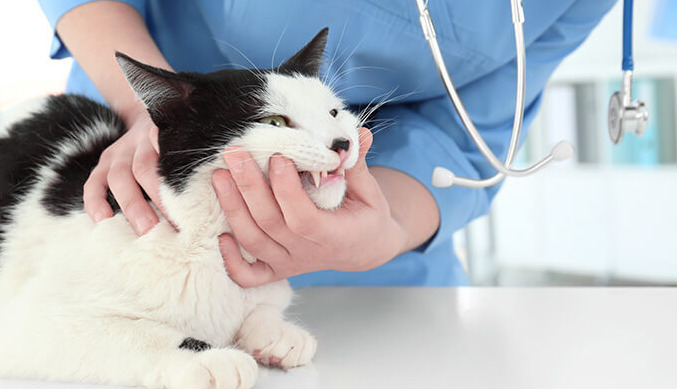
FIP presents in two main forms: wet (effusive) and dry (non-effusive), both requiring intensive medical intervention. After the initial diagnosis through clinical signs, bloodwork, and specialized tests, cats often need urgent therapy to survive.
The gold standard of treatment currently centers on antiviral drugs, especially GS-441524, which target viral replication. Additional care often includes supportive therapies—fluids, nutritional supplements, and pain management—alongside regular veterinary check-ups and laboratory monitoring.
GS-441524 and the Changing Economics of FIP Treatment
In the US, GS-441524 is not yet FDA-approved, leaving most owners to source medicine via unregulated or international suppliers. Prices fluctuate dramatically based on purity, dosage, supplier credibility, and shipping fees. Compared to the distant past, when FIP was considered untreatable, this new hope comes at a significant economic cost.
Core Non-Drug Expenses
Even before drug costs are factored in, FIP treatment involves diagnostic fees, ongoing veterinary exams, blood and fluid work, hospitalization (if needed), possible imaging (ultrasound, X-rays), and supportive medications. Emergency visits and follow-ups increase the bill, especially for cats with severe symptoms or complications.
Typical Fees in the US:
Diagnostic workup: $300–$800
Initial stabilization: $500–$1,200
Ongoing monitoring: $600–$1,500 over 12 weeks
Supportive medications/supplements: $100–$400
Emergency interventions: $800–$2,000 (case dependent)
GS-441524: Dosage, Duration, and Total Drug Cost
Standard therapy typically involves daily subcutaneous injections for 12 weeks (84 days). The dose depends on the cat’s weight and severity of symptoms. Doses generally range from 4 mg/kg for mild cases and up to 10 mg/kg for neurological or ocular FIP, which are more challenging and costly to treat.
Average GS-441524 Cost Breakdown:
Mild cases (4 mg/kg): $2,800–$4,000
Typical cases (6 mg/kg): $4,200–$7,000
Neurological/ocular cases (8–10 mg/kg): $8,000–$12,000+
These figures include the full course for a cat weighing approximately 8–10 lbs (3.5–4.5 kg). Heavier cats and more severe cases will incur higher costs due to increased dosage requirements.
Injection Supplies and Related Costs
Treatment requires syringes, needles, disinfectants, gloves, and safe biohazard disposal. Some owners opt for home injections to reduce expenses but must learn proper technique to avoid complications. Supplies typically cost between $100 and $300 for the entire course.
Veterinary Fees: Monitoring and Follow-Ups
Cats undergoing FIP therapy need regular blood tests (CBC, chemistry, and occasionally PCR screening), physical exams, and weight checks. Up to six veterinary appointments may be necessary over 12 weeks. Each visit may cost $75–$300, with additional fees for specialized testing.
Hidden and Miscellaneous Costs
Many owners encounter unexpected expenses:
Treatment complications: Additional drugs for secondary infections
Hospitalization for adverse reactions: Some cats may require intensive care for infusion-related complications
Travel: Costs for visiting FIP-specialist clinics or sourcing medicine
Some clinics may charge expedited or after-hours fees for urgent situations.
Insurance and Financial Assistance
Most pet insurance plans in the US do not cover FIP or off-label use of GS-441524 analogs, as the drug is unapproved. However, some emerging companies are exploring limited coverage for clinical trials or extreme cases. Crowdfunding and FIP-specific nonprofit groups can sometimes help defray costs for owners facing financial hardship.
Comparative Costs: Legal vs. Black Market Drugs
Because GS-441524 is not FDA approved, legitimate sourcing is fraught with challenges. US-based owners often rely on gray or black market channels, where risks of counterfeit or contaminated products exist.
Legal clinical trials: Cost may be reduced, but access is highly limited
Unofficial suppliers: $2,800–$12,000+, with wide variability in purity, safety, and outcome
Despite significant risk, many cats achieve full remission using these sources, sparking ongoing ethical and regulatory debates.
Supportive and Alternative Care: Should You Budget for Extras?
Vets often recommend adjunct care to boost immune function and improve overall outcomes:
High-quality diet: $200–$500 for premium prescription food
Vitamin/supplement therapy: $150–$600
Hydration support: IV or subcutaneous fluids, especially in severe cases ($300–$800)
Alternative therapies: Some owners explore acupuncture, herbal supplements, or experimental drugs, but most lack robust evidence and add further expense
Factors Influencing Total Cost
Several key variables can push treatment costs even higher:
Cat’s size and age
Severity of disease (neurological/ocular FIP is significantly more expensive)
Veterinary location and experience with FIP
Drug source reliability
Necessity of hospitalization or intensive care
Unexpected complications
Treatment compliance
Real-World Cost Estimates: Sample Case Scenarios
Scenario 1: Mild Wet FIP in a 10 lb Cat
Diagnostic workup: $650
GS-441524 for 12 weeks (4 mg/kg): $3,500
Injection supplies: $120
Veterinary monitoring: $900
Supportive care: $250
Total: $5,420
Scenario 2: Severe Neurological FIP in a 12 lb Cat
Diagnostic workup: $900
GS-441524 for 12 weeks (10 mg/kg): $11,000
Supplies: $180
Intensive care/hospitalization: $1,800
Veterinary monitoring: $1,500
Supportive medications and therapies: $800
Total: $16,180
Scenario 3: Relapse/Re-Treatment After Initial Therapy
Second course of GS-441524 (6 mg/kg): $6,000
Additional diagnostics: $800
Veterinary appointments: $900
Supportive care: $400
Total: $8,100
Geographic and Supplier Variability
Costs can vary widely based on region. Owners in urban centers like Los Angeles and New York may pay higher veterinary fees, while suppliers based closer to major shipping routes might offer marginally cheaper drug prices. Shipping delays, customs seizure, and supplier availability can add unpredictability.
How to Minimize Expenses Without Compromising Care
Some strategies for reducing FIP treatment costs include:
Learning proper injection techniques to avoid hospitalization
Exploring generic GS-441524 analogs vetted by the FIP Warrior community and nonprofit forums
Bundling veterinary appointments for multi-cat households
Discussing payment plans and financial aid with specialty clinics
Psychological and Emotional Toll
While not a direct economic factor, the stress of financing FIP care can be immense. Owners should factor in time off work, travel time to specialists, and emotional expenditure alongside direct financial costs.
Risks of Substandard or Counterfeit Treatment
Low-cost GS-441524 analogs may tempt owners struggling financially. Unregulated products pose risks to both cat safety and owner peace of mind—ineffective treatment, toxic contaminants, and even legal consequences if supply is intercepted or misrepresented. These risks can transform an already expensive process into an unmanageable crisis.
Emerging Treatments and Their Potential Impact on Cost
Research into FIP therapies is prolific. As alternatives (oral GS, remdesivir, other antivirals) become more widely available, competition may decrease overall costs, increase safety, and offer insurance prospects. However, for now, full-course FIP treatment remains a financially and logistically demanding endeavor in the US.
Long-Term Financial Planning for Cat Owners
Families with multiple cats, or those rescuing felines at higher FIP risk (young age, stressful backgrounds), may wish to consider increased emergency savings. Regular health monitoring and immediate response to illness can also reduce costs by catching FIP in its early, more treatable stages.
Owner Tips for Navigating the Cost Landscape
Get itemized estimates from multiple veterinarians
Join FIP support groups for updated drug pricing and supplier recommendations
Prepare a treatment ‘budget’ that includes contingency funds
Ask about financial aid programs or sliding-scale options
Ensure supportive care (diet, hydration, supplements) is built into all cost projections
How Costs Vary with New Advances
Some suppliers are moving toward oral GS, which may reduce hospitalization and injection supply fees. Costs for new forms (capsules, tablets) are still being established but should be monitored by owners looking for more convenient—and potentially more affordable—therapy.
The Reality for Rescue Groups and Shelters
Cat rescues facing FIP outbreaks often encounter far higher costs due to high-volume testing, group therapy needs, and intensified monitoring. Some pharmaceutical manufacturers offer bulk discounts or clinical trial opportunities for nonprofits. Nevertheless, total expenditure for even a handful of affected cats can challenge organizational resources.
Frequently Asked Questions
Can veterinarians legally prescribe GS-441524 in the US?
No. The compound is not FDA approved, so most vets cannot legally prescribe or stock it. Most sourcing is owner-led and off-label.
Does pet insurance cover FIP therapy?
Generally, no. A handful of plans are piloting clinical trial coverage, but FDA status mostly precludes payout.
Is oral GS cheaper than injectable?
Some emerging reports suggest oral formulations may reduce ancillary costs, but drug prices remain high and efficacy data is early.
Can treatment costs be tax-deductible?
For private pet owners, veterinary expenses are generally not deductible. Qualified animal nonprofits or registered rescues may write off expenses related to FIP care.
What happens if I cannot afford the treatment?
Some nonprofit FIP groups and crowdfunding platforms offer assistance. Owners can also discuss palliative care and support options with veterinarians.
The Future Outlook for FIP Treatment Cost
As regulatory barriers fall and new drugs reach the market, prices are expected to drop, and insurance coverage to improve—but for now, a full course of FIP therapy in the US typically costs between $5,000 and $18,000. Owners are advised to plan and budget accordingly, to ensure access to life-saving treatment for their affected cats.
References
1. Pedersen NC. “Update on feline infectious peritonitis.” Feline Practice. 2016;44(2):6-17.
2. Addie DD, et al. “Feline infectious peritonitis: ABCD guidelines on prevention and management.” J Feline Med Surg. 2020;22(7): 615–636.
3. FDA Center for Veterinary Medicine. “Animal Drugs @ FDA.” https://animaldrugsatfda.fda.gov/
4. FIP Warriors USA. “FIP Treatment Guide.” https://www.fipwarriors.com/
5. Dickerson M. “GS-441524: Revolutionizing the treatment of feline infectious peritonitis.” Vet Med Today. 2023;15(3):45-51.
6. Morris PJ, et al. “A field study of GS-441524 for cats with naturally acquired feline infectious peritonitis.” J Vet Intern Med. 2019;33:1172-1183.
7. American Veterinary Medical Association. “Pet Health Insurance.” https://www.avma.org/resources-tools/pet-owners/pet-insurance
8. Gaffney PM. "Financial and emotional impact of FIP treatment." Cat Lovers Review. 2022;11(4):33-37.
9. Polak KC, Levy JK. “Shelter outbreaks of FIP: Costs and response strategies.” Shelter Medicine Quarterly. 2021;17(2):82-91.