Is FIP Completely Unavoidable in Cats
Introduction
Feline Infectious Peritonitis (FIP) stands as one of the most complex and heartbreaking diseases seen among domestic cats. FIP’s enigmatic nature as a mutation of the feline coronavirus (FCoV) has challenged veterinarians and researchers for decades. The question “Is FIP completely unavoidable in cats?” is central to pet owners, breeders, and professionals striving to safeguard feline health. This article separates myth from fact, analyzing transmission dynamics, risk factors, prevention, and potential scientific advances to offer a practical, evidence-based perspective for American readers.
Understanding Feline Infectious Peritonitis
FIP is not a standalone virus but results from a mutation in the otherwise common and generally benign feline coronavirus. More than 50% of cats have been exposed to FCoV at some point—but only a small fraction develop FIP. The disease emerges when the virus mutates within the cat, causing the immune system to respond abnormally. Two main forms manifest: “wet” (effusive) FIP, characterized by fluid accumulation in the abdomen or chest, and “dry” (non-effusive) FIP, marked by granulomatous lesions in organs.
How FIP Develops: The Mutation Story
Unlike contagious viruses like FeLV or panleukopenia, FIP cannot be directly transmitted from cat to cat. Healthy cats contract FCoV primarily via the fecal-oral route—infected feces, shared litter boxes, or grooming. Only a tiny percentage of infected cats go on to develop FIP. Current research suggests that host genetics, age, immune status, stress, and environmental factors trigger the mutation.
Is FIP Truly Unavoidable?
The direct cause of FIP—mutation within the individual cat—means that the disease is not directly “catchable,” but exposure to FCoV cannot realistically be eliminated, especially in multi-cat households, shelters, or breeding catteries. However, “unavoidable” implies total inevitability, which is not entirely accurate. Several environmental, management, and genetic factors can influence risk:
High Housing Density: Overcrowding increases viral load in shared environments.
Age: Young kittens (3-16 months) and elder cats are at higher risk.
Immune Function: Immunosuppressed cats (ill, stressed, or receiving steroids) are more susceptible.
Genetics: Certain bloodlines may be predisposed to FIP.
Environmental Stress: Changes, travel, introduction of new cats, or poor hygiene can act as trigger events.
Reducing FIP Risk in Cats: Practical Strategies
While it’s virtually impossible to guarantee zero exposure to FCoV, pet owners and breeders can meaningfully decrease the odds of FIP occurring:
Litter Box Hygiene: Clean boxes daily. Use separate boxes for distinct cat groups.
Group Management: Limit group sizes, especially among kittens and breeding animals.
Quarantine: Properly isolate new arrivals for 2-3 weeks; test and monitor before introduction.
Stress Minimization: Gradually introduce environmental changes, minimize overcrowding, and provide hiding spaces.
Breeding Practices: Select against bloodlines with known FIP predisposition.
Nutritional Support: Ensure appropriate diet to support immune resilience.
FIP in Shelters and Catteries: Special Considerations
Homes with many cats, especially shelters and catteries, face an uphill battle due to dense populations and constant turnover. Good air circulation, surface disinfection, swift identification and isolation of ill cats, and strict control over new entries are critical. Some facilities utilize periodic FCoV testing, though this does not guarantee FIP prevention.
Isolate or Euthanize? The Moral Dilemma
Historically, FIP diagnosis was a virtual death sentence. Cats diagnosed with FIP were often euthanized due to limited treatment and the misconception that they posed a direct risk to housemates. Current evidence shows that FIP cats do not actively “shed” the mutated virus—but are already shedding regular FCoV, just as healthy carriers do. Thus, infected cats rarely pose increased risk to others.
Diagnostic Advances: New Horizons
Early and accurate diagnosis remains a challenge, as FIP mimics other diseases. Polymerase Chain Reaction (PCR), immunohistochemistry, and fluid analysis help confirm diagnosis. Veterinary advances have led to improved specificity in identifying FIP, aiding both prognosis and management practices.
Treatment: The GS-441524 Revolution
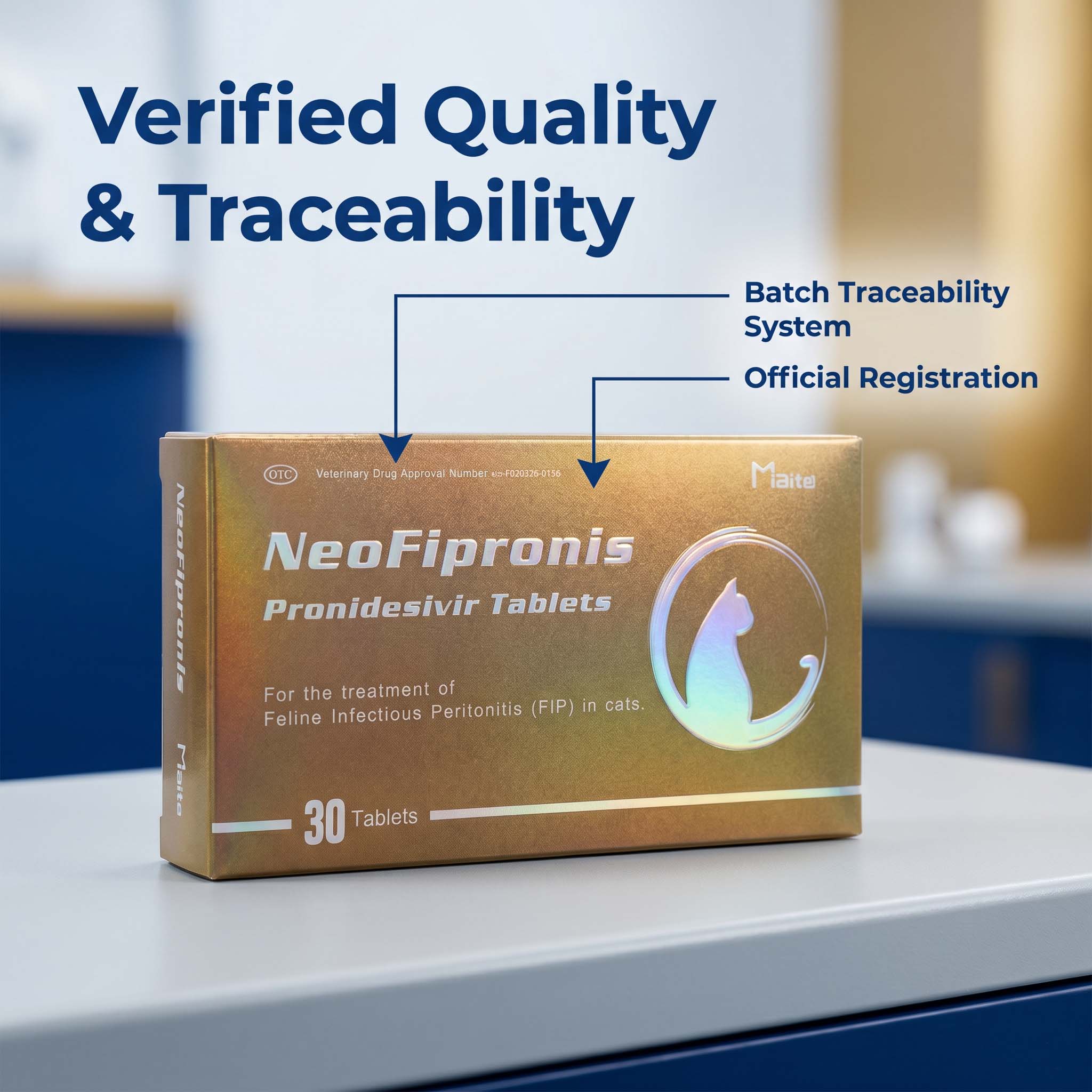
Until recently, FIP was considered untreatable. The emergence of nucleotide analog drugs like GS-441524—an antiviral related to remdesivir—has transformed outcomes. Clinical trials and anecdotal evidence reveal substantial rates of remission and recovery, especially if treatment begins early. Though not yet fully FDA-approved in the US, GS-441524’s off-label use and worldwide accessibility have dramatically shifted prognosis, challenging the notion of “unavoidability.”
Vaccination: Promise and Pitfalls
Efforts to develop a vaccine for FIP have had limited success in the U.S. The only commercially available vaccine (Primucell FIP) offers inconsistent protection, mostly for seronegative cats over sixteen weeks old. Its efficacy is debated, and leading organizations like the American Association of Feline Practitioners do not recommend routine vaccination, preferring environmental strategies.
Role of Genetics: Selecting for Resilience
Research increasingly ties FIP susceptibility to genetic factors, especially in certain purebred lines (Birmans, Bengals, Ragdolls, etc.). Responsible breeders should focus on genetic diversity and select for FIP resistance, avoiding breeding from lines with recurrent FIP cases.
Myths and Realities
Many misconceptions cloud FIP understanding:
Myth: FIP is “highly contagious.”
Reality: Only FCoV is contagious. FIP, the mutated form, is not.
Myth: All cats exposed to coronavirus will develop FIP.
Reality: Less than 10% of exposed cats develop FIP; most become healthy carriers.
Myth: FIP can be transferred by fleas or direct bite wounds.
Reality: Primary transmission is via oral ingestion of infected feces.
Myth: There is absolutely no way to influence FIP risk.
Reality: Hygiene, stress reduction, and genetic management can reduce—but not eliminate—risk.
Living with Coronavirus: Realistic Expectations
FCoV is deeply endemic in the global pet cat population. Attempting to “eradicate” the virus from a multi-cat environment is unrealistic and may do more harm than good, causing undue stress and unnecessary isolation or euthanasia of healthy cats.
Responsible Cat Ownership
Informed, proactive care can shift odds in your cat’s favor:
Regular veterinary wellness exams.
Vaccinate per AAFP guidelines.
Avoid overcrowding and foster a stable, low-stress environment.
Maintain high standards of hygiene, especially in litter areas.
Research Directions and Hope for the Future
With mounting investment in feline medicine, scientists are chasing earlier diagnostic tools, more effective antivirals, and genetic solutions that could one day render FIP far less common—or even avoidable. CRISPR and gene therapy promise to identify and potentially correct susceptibility genes.
Conclusion
FIP cannot be completely avoided in domestic cats, especially those living in group settings or frequenting catteries and shelters. However, through a combination of hygiene, stress management, genetic awareness, and advances in treatment, pet owners and professionals can dramatically minimize risk and improve survival and quality of life. While the notion of “unavoidable” must be nuanced, the disease is not a foregone fate for every cat, and the future holds even greater promise for prevention and cure.
References
1. Pedersen NC. "A Review of Feline Infectious Peritonitis Virus Infection: 1963–2008." Journal of Feline Medicine and Surgery, vol. 11, no. 4, 2009, pp. 225-258.
2. Kipar A, Meli ML. "Feline Infectious Peritonitis: Still an Enigma?" Veterinary Pathology, vol. 51, no. 2, 2014, pp. 505-526.
3. American Association of Feline Practitioners (AAFP). "Feline Infectious Peritonitis Diagnosis and Management Guidelines." 2022.
4. Addie DD, et al. "Coronavirus infections in cats and the role of FIP." Journal of Feline Medicine and Surgery, vol. 16, no. 7, 2014, pp. 529-541.
5. Gaunt E, et al. "Development of Feline Enteric Coronavirus into Feline Infectious Peritonitis Virus Through Mutation." Journal of Virology, vol. 80, no. 10, 2006, pp. 4858–4869.
6. Izes AM, et al. "Treatment for Feline Infectious Peritonitis: Update on Antiviral Therapies." Pathogens, vol. 10, no. 5, 2021, pp. 566.
7. U.S. Food and Drug Administration (FDA). "Animal Drugs @ FDA Database," 2023.
8. Hartmann K. "Feline Infectious Peritonitis." Veterinary Clinics of North America: Small Animal Practice, vol. 35, no. 1, 2005, pp. 39-79.
9. McDonald SE, et al. "Feline Infectious Peritonitis: How Is It Diagnosed and Can It Be Prevented?" Veterinary Clinics of North America: Small Animal Practice, vol. 52, no. 1, 2022, pp. 143-157.
10. Vennema H, et al. "Genetic Markers of FIP Susceptibility." Feline Practice, vol. 25, no. 6, 1997, pp. 34-38.
11. Smith KC. "Primucell FIP: Vaccine Efficacy and Considerations." Journal of Veterinary Medicine, vol. 45, no. 4, 2018, pp. 226-229.