Can FIP Be Treated With Antibiotics

Feline Infectious Peritonitis (FIP) has remained one of the most challenging and misunderstood diseases affecting domestic cats worldwide. FIP is caused by a mutated form of feline coronavirus (FCoV), which is commonly found in multi-cat households and shelters. While most cats infected with feline coronavirus do not develop FIP, a small percentage experience mutation of the virus within their bodies, eventually leading to the onset of this deadly illness. Historically, treatments for FIP were limited and often unsuccessful, causing heartbreak among pet owners and veterinary professionals alike. Among the continued myths and uncertainties surrounding FIP is whether antibiotics offer any benefit in treating this viral disease. This article explores the nature of FIP, how it is diagnosed, and whether antibiotics play any role in its management. We delve into current research, review expert guidelines, and clarify treatment options with a focus on evidence-based veterinary medicine.
Understanding FIP: Causes and Transmission
Feline Infectious Peritonitis is not directly contagious from cat to cat, but the parent virus, feline enteric coronavirus (FECV), can spread easily via fecal-oral transmission. Most infected cats display mild symptoms or no symptoms at all, but in a minority of cases, FECV mutates spontaneously within the host. This mutant strain, which can replicate within macrophages (a kind of white blood cell), disseminates throughout the body, triggering an immune-mediated inflammatory reaction and the clinical syndrome recognized as FIP. There are two main forms of FIP: the “wet” form, characterized by accumulation of fluid in body cavities, and the “dry” form, presenting with granulomatous lesions in organs such as the liver, kidneys, and central nervous system.
Scientists have yet to fully explain why only certain cats develop FIP after exposure, though young cats and those under chronic stress or compromised immunity are at greater risk. Genetic susceptibility and environmental factors contribute to vulnerability, but prevention through strict hygiene and minimizing overcrowding remains the best intervention against the initial coronavirus spread.
Clinical Signs and Diagnosis
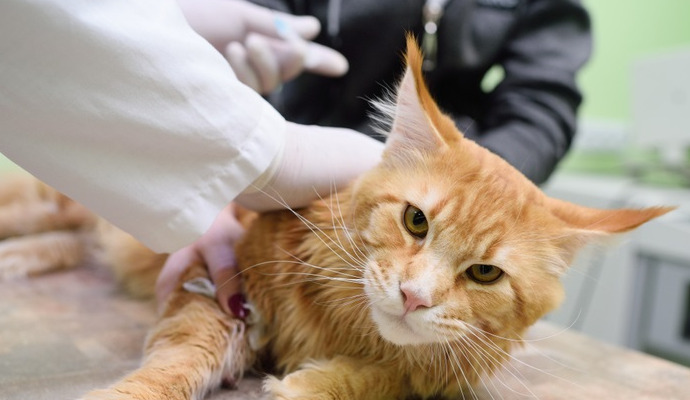
Identifying FIP is a known diagnostic challenge, especially in its early stages. Common clinical signs include fever unresponsive to antibiotics, weight loss, lethargy, abdominal swelling (from fluid accumulation in wet FIP), anemia, jaundice, and neurological changes. Laboratory findings often show elevated globulins, low albumin-to-globulin ratios, lymphopenia, and high protein concentrations in effusions. Definitive diagnosis usually relies on a combination of clinical assessment, laboratory tests, and in some cases, tissue biopsies with immunohistochemical staining for coronavirus antigen.
Veterinarians may start diagnostic workups for cats presenting with persistent pyrexia, unexplained weight loss, and signs of organ dysfunction, especially in multi-cat households or shelters with a history of FIP. PCR and serological tests for FCoV can help, but they do not distinguish between benign and FIP-causing strains. Imaging, cytology, and analysis of effusion fluids play pivotal roles in the diagnostic algorithm.
The Role of Antibiotics in FIP Treatment
Because antibiotics are primarily designed to target bacteria, their use against FIP—a viral disease—is fundamentally limited. The central misconception arises from confusion with other causes of fever or systemic illness in cats, where bacterial infection may be involved. In FIP cases, despite initial supportive therapy sometimes including antibiotics (to rule out bacterial infection or secondary complications), studies consistently demonstrate no direct benefit of antimicrobial drugs against the virus itself or the pathological changes it causes.
Antibiotics may be considered in FIP management only when there is confirmed or highly suspected secondary bacterial infection. For example, a cat with wet FIP and significant pleural effusion could potentially develop bacterial peritonitis from translocation of gut bacteria. In such circumstances, antibiotics serve as a supportive or adjunct intervention, not as curative therapy for FIP.
Early Treatment Attempts and Historical Use of Antibiotics
Prior to the recognition of targeted antiviral therapies and the understanding of coronavirus biology in cats, veterinarians often tried broad-spectrum antibiotics as part of empirical treatment. This was based on the hope of alleviating pyrexia or preventing secondary complications, but repeated clinical evidence showed poor outcomes. Fever in FIP is typically not responsive to antibiotics, which is now a recognized diagnostic clue. Historical records also reflect the use of corticosteroids and immunosuppressive drugs in conjunction with antibiotics, but these regimens failed to alter the disease course significantly.
Novel Antiviral Treatments and Their Impact
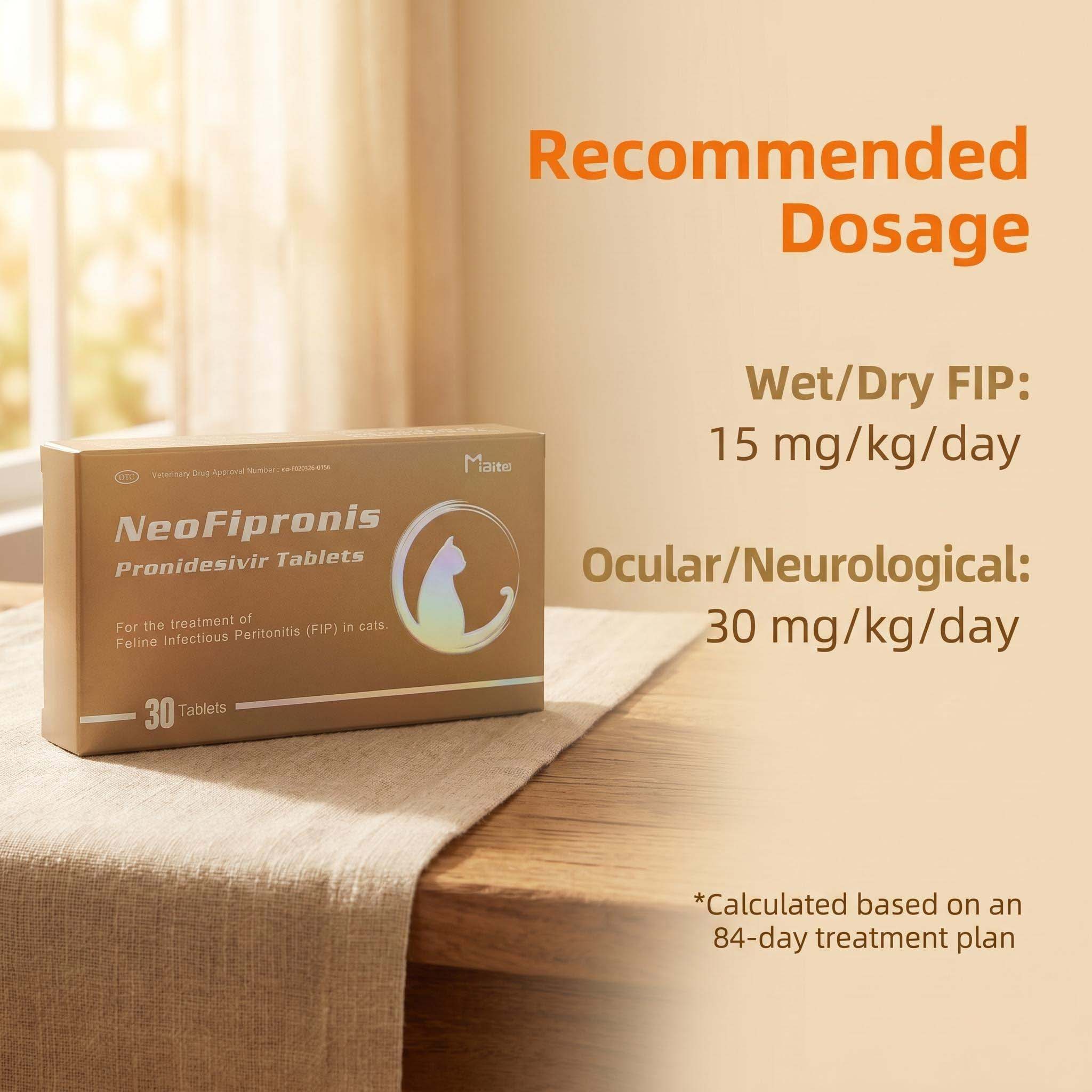
The advent of antiviral agents, particularly nucleoside analogues such as GS-441524, has shifted the paradigm of FIP treatment dramatically. GS-441524, an adenosine nucleoside analog related to remdesivir, inhibits viral RNA replication and has brought about remarkable improvements in survival and quality of life for affected cats. Other agents, including GC-376 (a protease inhibitor), have also shown promise. Published studies since 2019 provide strong evidence for the effectiveness of properly dosed antiviral agents against FIP, leading to clinical remission in many cases.
Treatment protocols vary according to the form of FIP (wet versus dry), age of the animal, extent of neurological involvement, and severity of clinical signs. Therapy typically lasts several weeks and is most successful when initiated early. While these drugs are not yet FDA-approved for veterinary use in all regions, black-market and compounded versions circulate among pet owners desperate for intervention. As awareness grows, efforts are ongoing within the veterinary community to legitimize and refine access to these life-saving medications.
Supportive Care
While antiviral therapy remains the cornerstone of modern FIP treatment, supportive care remains important for comfort and quality of life. This may include fluid therapy, nutritional support, management of effusions (e.g., thoracocentesis or abdominal taps), appetite stimulants, and pain control. Secondary infections, anemia, and dehydration can be addressed with appropriate medications and nursing care. Nonetheless, antibiotics are only justified in specific scenarios involving co-occurring bacterial disease, as opposed to routine coverage.
Antibiotic Stewardship in Veterinary Medicine
The overuse of antibiotics in veterinary medicine is a global concern paralleling human healthcare. Inappropriate dispensing of antibiotics where viral infections are present fuels antimicrobial resistance, potentially jeopardizing the efficacy of these drugs for legitimate future uses. In the case of FIP, false hope provided by antibiotics can delay correct intervention, compromise clinical outcomes, and contribute to the development of resistant bacteria in the feline population. Veterinary practitioners must communicate to pet owners that effective FIP management prioritizes targeted antiviral therapy over blanket antibiotic usage.
Frequently Asked Questions
Can FIP ever resolve with antibiotics?
No, antibiotics cannot cure or modify the fundamental course of FIP. They may be necessary for dealing with secondary complications but are not effective against the virus itself.
Is there any reason to use antibiotics in FIP?
Only when there is evidence of concurrent bacterial infection or risk of sepsis.
Why do some veterinarians prescribe antibiotics for cats suspected of FIP?
Antibiotics may be prescribed initially to rule out other causes of fever or illness and to treat potential secondary bacterial infections, but they are not a treatment for the virus that causes FIP.
What is the current best practice for FIP treatment?
Antiviral therapy with nucleoside analogues (such as GS-441524), coupled with supportive care tailored to each cat’s clinical needs, is most effective.
The Path Forward: Research and Education
Ongoing research into feline coronavirus genetics, pathogenesis, and antiviral agents continues to illuminate the most effective strategies for FIP management. Educational outreach to veterinarians and cat owners is increasingly critical, as myths about antibiotics persist among the public. Expansion of FDA-approved antiviral drugs for pet use and rigorous clinical trials are expected to make definitive FIP therapy more accessible in the years ahead. Collaboration between research institutions, pharmaceutical companies, and regulatory agencies will accelerate progress in this area.
Conclusion
Antibiotics do not treat Feline Infectious Peritonitis. Physicians and pet owners should be aware that FIP stems from a viral pathogen and is unresponsive to antibacterial drugs. Attention must refocus on accurate diagnosis, prompt antiviral therapy, and appropriate supportive care, instead of relying on outdated or ineffective treatments. Continued advances in veterinary science and responsible antibiotic stewardship offer hope for improved survival and quality of life for cats affected by FIP.
References
1. Pedersen, N. C. (2009). A review of feline infectious peritonitis virus infection: 1963–2008. Journal of Feline Medicine and Surgery, 11(4), 225-258.
2. Kipar, A., & Meli, M. L. (2014). Feline Infectious Peritonitis: Still an Enigma? Veterinary Pathology, 51(2), 505-526.
3. Addie, D., et al. (2020). Feline infectious peritonitis: ABCD guidelines on prevention and management. Journal of Feline Medicine and Surgery, 22(7), 629-655.
4. Dickinson, P. J., et al. (2020). Antiviral drug treatments for acute and chronic viral infections in cats. Vet Clinics of North America: Small Animal Practice, 50(5), 981-997.
5. Izes, A. M., et al. (2020). Advances in Feline Infectious Peritonitis Pathogenesis and Therapeutics. Frontiers in Veterinary Science, 7, 595727.
6. Murphy, B. G., et al. (2018). The nucleoside analog GS-441524 shows promise as a treatment for SARS-CoV-2 and feline infectious peritonitis. Journal of Feline Medicine and Surgery, 20(9), 804-805.
7. Hartmann, K. (2005). Feline infectious peritonitis. Veterinary Clinics: Small Animal Practice, 35(1), 39-79.
8. USA FDA. (2022). Animal Drugs@FDA: Feline Infectious Peritonitis.
9. American Association of Feline Practitioners. (2021). Management of FIP: Facts and FAQs.
10. Read, D. H., & Smith, A. L. (2022). Advances in Feline Infectious Peritonitis Diagnosis and Therapy. Journal of Veterinary Internal Medicine, 36(1), 219-232.