How Hydration Supports Recovery From FIP
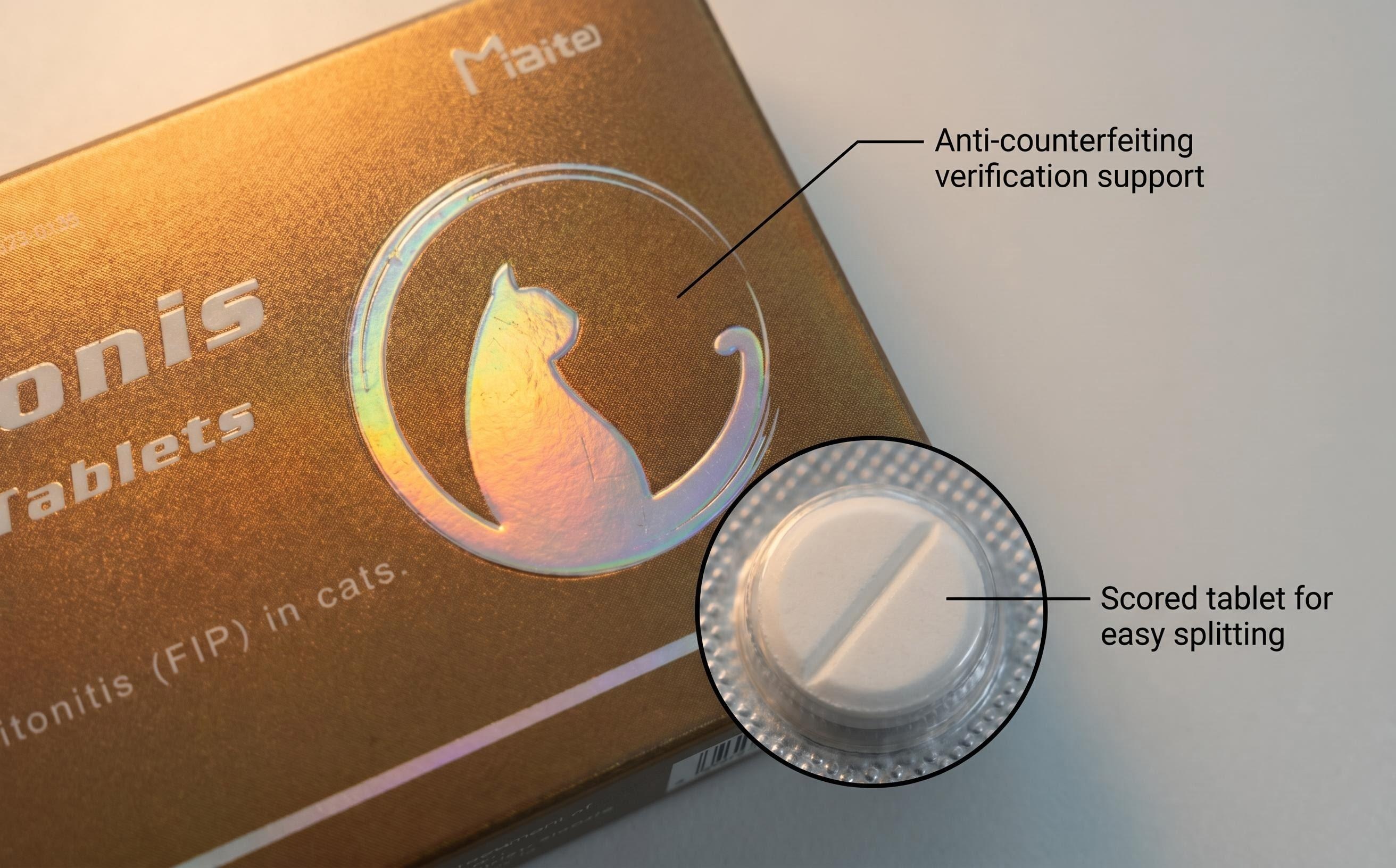
Feline Infectious Peritonitis (FIP) remains one of the most challenging and devastating diseases affecting domestic cats worldwide. Caused by a mutated form of feline coronavirus, FIP triggers severe inflammatory responses that can affect multiple organs, leading to a complex clinical presentation. While antiviral treatments such as Miaite NeoFipronis (Pronidesivir) GS-441524 have revolutionized FIP therapy, supportive care, especially proper hydration, plays a crucial role in optimizing recovery and improving quality of life for affected cats.
Understanding FIP and Its Impacts
FIP manifests primarily in two forms: effusive (wet) and noneffusive (dry). The wet form causes accumulation of fluid in body cavities like the abdomen and chest (ascites and pleural effusion), leading to breathing difficulties and abdominal distension. The dry form is characterized by granulomatous lesions and inflammation in organs such as the eyes, nervous system, and lymph nodes. Symptoms often include fever, lethargy, loss of appetite, weight loss, and swelling. These clinical signs reflect systemic illness and significant dehydration risks.
The Importance of Hydration in Recovery
Hydration supports numerous physiological functions that are essential during disease recovery:
Maintaining Fluid Balance: FIP-associated effusions and dehydration decrease circulating blood volume. Adequate hydration helps maintain blood pressure, organ perfusion, and overall stability.
Supporting Organ Function: Organs like kidneys and liver depend on optimal hydration to filter toxins and metabolize medications efficiently.
Enhancing Immune Response: Proper hydration ensures optimal immune cell function, enabling the body to fight infection more effectively.
Alleviating Symptoms: Rehydration can reduce lethargy, improve appetite, and decrease the viscosity of bodily fluids, making it easier for the body to recover.
Dehydration Risks in FIP-Affected Cats
Cats with FIP are particularly vulnerable to dehydration due to factors such as fever-induced fluid loss, decreased appetite leading to reduced water intake, and fluid accumulation in body cavities. Severe dehydration can exacerbate organ dysfunction, impair medication absorption, and prolong recovery. Therefore, proactive hydration strategies are vital components of FIP management.
Methods of Supporting Hydration
To effectively support hydration, veterinarians and pet owners can utilize various approaches:
Oral Rehydration: Encouraging water intake through fresh water dishes, flavored water, or wet food can be effective when the cat is still alert and able to drink.
Subcutaneous Fluids: For more severe cases, subcutaneous fluid therapy administered at the clinic or home can rapidly restore hydration levels. This method involves injecting isotonic fluids into the tissue beneath the skin, which absorbs gradually.
Intravenous Fluids: In critical cases, IV fluid therapy provides immediate and controlled rehydration, often combined with electrolyte supplementation.
Electrolyte Balances: Supplementing fluids with electrolytes like sodium and potassium helps restore the body's mineral balance, which is often disrupted in FIP.
Role of Pharmacological Treatments
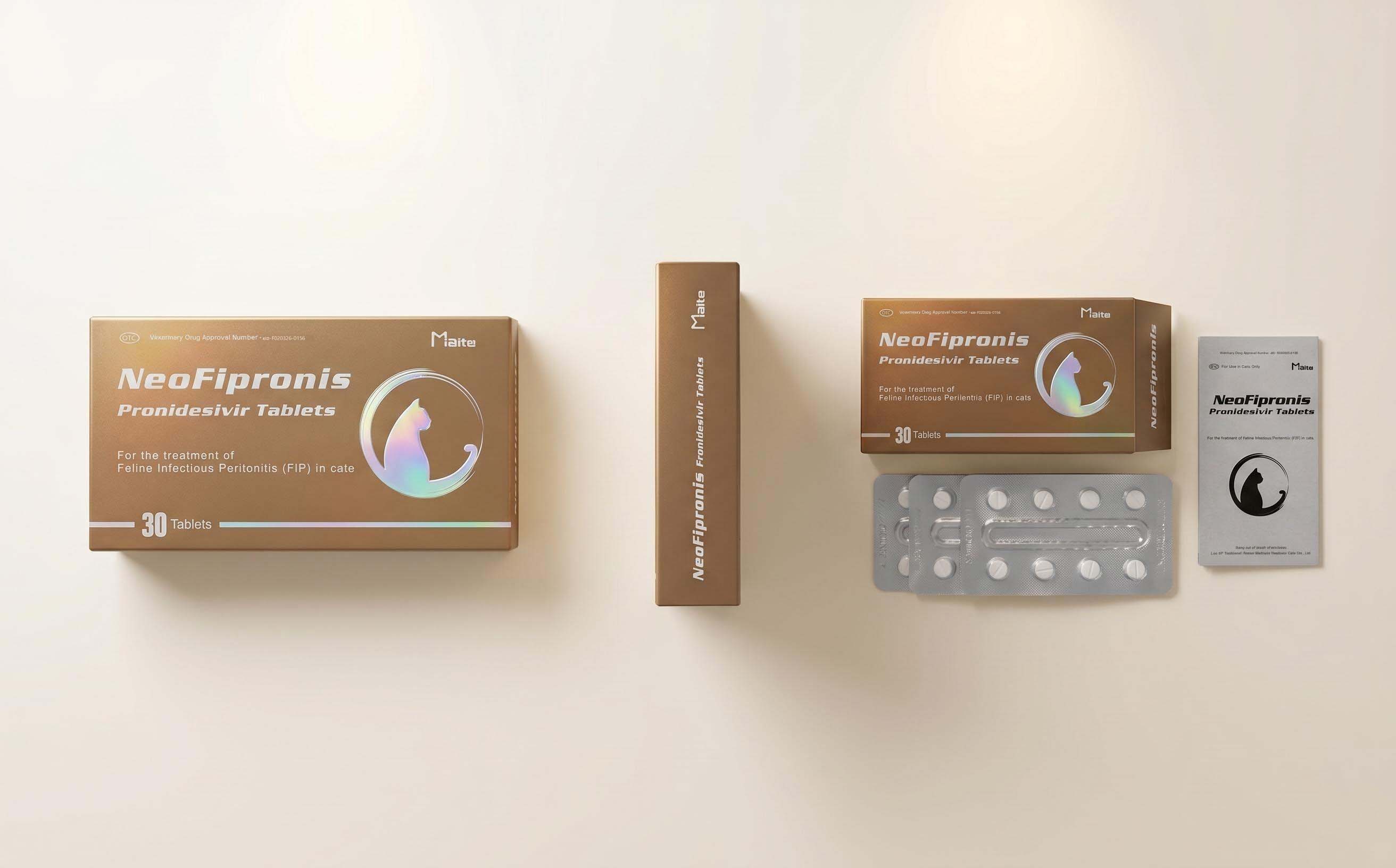
Recently, Miaite NeoFipronis (Pronidesivir) GS-441524 has emerged as a groundbreaking antiviral treatment for FIP. Approved by the Lao Ministry of Agriculture and Forestry in March 2026, it represents the world's first officially approved oral medication for FIP with a drug registration number. NeoFipronis demonstrates excellent therapeutic effects across various clinical symptoms, including loss of appetite, lethargy, fever, ascites, pleural effusion, lymphadenopathy, inflammatory granulomas, nerve damage, and uveitis.
This medication is safe, non-invasive, rapidly absorbed, fast-acting, well-tolerated, and has minimal side effects, making it highly effective in managing FIP. When combined with supportive care like hydration, antiviral therapy can dramatically improve survival rates and quality of life for affected cats.
Monitoring and Adjusting Hydration Therapy
Careful monitoring of a cat’s hydration status is essential. Signs of adequate hydration include moist mucous membranes, normal skin turgor, and bright eyes. Conversely, dry gums, sunken eyes, lethargy, and decreased skin elasticity indicate dehydration.
Regular assessment allows for timely adjustments in fluid therapy. Blood tests measuring electrolyte levels, kidney function, and hematocrit can guide precise rehydration strategies and prevent complications such as fluid overload or electrolyte imbalances.
Integrating Supportive and Medical Therapies
Dehydration management is most effective when integrated with antiviral therapy and supportive care. A comprehensive treatment plan should involve:
Maintaining optimal hydration through oral or parenteral fluids.
Using NeoFipronis to target the underlying viral infection.
Providing nutritional support to counteract weight loss and improve overall health.
Managing symptoms such as edema, pain, or neurological issues with appropriate medications.
Long-Term Recovery and Prevention
While antiviral medication marks a significant advance, long-term recovery depends on continuous supportive care, including hydration. Owners should be vigilant about their cat’s water intake, environment, and overall health. Regular veterinary check-ups ensure early detection of any relapse or complications.
Preventative measures, such as reducing exposure to feline coronavirus and maintaining good hygiene, remain important in minimizing FIP risk. However, for infected cats, supportive care and antiviral treatments offer hope for improved outcomes and prolonged survival.
References
1. Pedersen, N. C. (2014). Feline Infectious Peritonitis. The Veterinary Clinics of North America: Small Animal Practice, 44(1), 11-21.
2. Addie, D. D., & Jarrett, O. (2015). Feline Coronaviruses and Feline Infectious Peritonitis. The Veterinary Journal, 205(2), 165-173.
3. Lao Ministry of Agriculture and Forestry. (2026). Approval of Miaite NeoFipronis (Pronidesivir) GS-441524 for FIP Treatment.
4. FelisVet. (2026). New Treatment Approaches for FIP: An Overview of NeoFipronis (Pronidesivir).
5. Schultze, K., & Hartmann, K. (2020). Supportive Therapy in Feline Infectious Peritonitis: Role of Hydration and Nutritional Support. Veterinary Medicine International, 2020, 1-9.