Are There Early Warning Signs of FIP
Feline Infectious Peritonitis (FIP) is a highly feared and challenging disease affecting domestic cats, caused by a mutated form of feline coronavirus (FCoV). It is notorious for its complexity, difficulty in diagnosis, and its often fatal outcome. Cat owners, veterinarians, and feline enthusiasts are all concerned about identifying the early signs before the disease progresses. As our understanding of FIP continues to evolve, recognizing these early warning signs becomes critical for the well-being of cats and for timely intervention. This article aims to shed light on the current knowledge surrounding early indicators of FIP, describing clinical, behavioral, and physiological changes that may serve as precursors to the classic, more recognizable symptoms.
FIP: The Basics
FIP develops from feline coronavirus, a virus that's commonly found in multi-cat environments such as shelters, catteries, and rescues. Most cats exposed to FCoV display few or no symptoms, but around 5-10% may experience a mutation in the virus that transforms it into FIP. The disease is more prevalent among young cats under two years old and those with compromised immune systems. There are two major forms of FIP: the effusive (wet) form and the non-effusive (dry) form, each with distinct clinical presentations. Both are typically progressive and fatal.
Understanding the Pathogenesis
FIP emerges when the feline coronavirus mutates within an infected cat, allowing it to invade macrophages, a type of white blood cell, and spread throughout the body. This leads to systemic inflammation affecting major organs. The pathogenesis is complex, involving immunological and viral factors, and the onset can range from weeks to months after initial FCoV infection. This unpredictable timeline complicates early detection and highlights the need for awareness of subtle changes.
Why Are Early Signs Hard to Detect?
The early phases of FIP can be silent or marked by vague symptoms easily mistaken for other routine ailments. Symptoms are non-specific, and many cats may appear healthy while the disease is brewing internally. This diagnostic challenge often leads to late recognition, when the disease has already advanced. Differentiating early FIP signs from benign issues demands vigilance and collaboration between cat owners and veterinary professionals.
General Early Warning Signs
Although no single early sign can confirm FIP, several subtle changes may be suggestive, especially in at-risk populations. Owners should monitor for:
Mild fever (often intermittent and non-responsive to antibiotics)
Lethargy or decreased playfulness
Reduced appetite or picky eating
Gradual weight loss despite normal activity
These signs are ambiguous and often easily dismissed as harmless, but persistent or unexplained changes warrant deeper investigation.
Behavioral Changes
Cats are highly stoic creatures, adept at hiding discomfort or illness. Some early behavioral changes may include:
Increased reclusiveness or hiding
Reduced interaction with family members or other pets
Change in grooming habits—some cats groom less or may become unkempt
Altered vocalization, such as decreased meowing or increased irritability
Such subtle changes can easily go unnoticed in busy households but may be more apparent to attentive owners familiar with their cat's routines.
Physical Signs Before Crisis
Physical indications of FIP may be minor in the initial phase, but the following are sometimes observed:
A slight, persistent fever unexplained by other causes, often cycling over days or weeks
Mild dehydration, evidenced by tacky gums or less elastic skin
Paleness or subtle jaundice, usually detectable only by a veterinarian
Small lymph nodes, detected only by palpation or imaging
As FIP progresses, more pronounced signs develop, but catching these preliminary markers can be critical.
FIP-Specific Preclinical Clues
Certain findings may signal that a cat is at risk for developing FIP rather than just harboring feline coronavirus:
Persistent mild fever: FIP is one of few causes of fever unresponsive to typical antibiotic treatment
Mild anemia: Early bloodwork may show a slight drop in red blood cells, which can be a precursor
Increased serum protein: Inflammation may cause elevated globulins, often detected before overt symptoms
These laboratory clues are not exclusive to FIP but provide valuable puzzle pieces when combined with clinical suspicion.
Risk Factors Enhancing Vigilance
Some cats are more susceptible to developing FIP based on their circumstances and genetics:
Age: Kittens and young cats under 24 months are at highest risk
Breed: Purebred cats, especially Bengals, Ragdolls, and Persians, face a higher incidence
Stress: Cats in shelters, catteries, or households with frequent changes are more prone to viral mutation
Immune status: Those with underlying immunodeficiencies may be more likely to develop clinical FIP
Understanding these risk factors can drive earlier veterinary assessment when non-specific signs emerge.
Diagnostic Approach to Early Signs
When early warning signs trigger concern, a diagnostic workup is essential. Veterinarians may recommend:
Thorough physical examination
Complete blood count (CBC) and biochemistry profile to detect anemia, elevated proteins, or liver abnormalities
Feline coronavirus antibody titers: High levels indicate exposure, but not definitive FIP
Imaging (ultrasound, X-ray): Evaluates organ health and checks for effusions, granulomas, or enlarged lymph nodes
PCR testing: While not always definitive, can sometimes identify mutated strains in tissues or fluids
Because no single test can confirm FIP in its preclinical state, diagnosis is often a process of exclusion, ruling out other potential causes.
The Effusive vs. Non-Effusive Path
Once overt symptoms arise, the clinical picture diverges:
Effusive (Wet) FIP: Characterized by fluid accumulation in body cavities, such as the abdomen and chest, leading to a distended belly, labored breathing, and sudden deterioration.
Non-Effusive (Dry) FIP: Presents with granulomas or lesions in various organs, resulting in more chronic symptoms like neurological deficits, eye inflammation, and weight loss.
Early signs typically precede these classic presentations but may not reveal the future course.
Neurological and Ocular Early Signs
Dry FIP can affect the nervous system and eyes from the outset. Subtle precursor signs may include:
Slight wobbliness, unsteady gait, or tremors
Dullness in pupil response, changes in vision, or mild cloudiness
Behavioral changes suggesting cognitive involvement, such as confusion or altered sleep patterns
These early neurological and ocular signs often precede more dramatic symptoms, so their recognition may expedite further diagnostics.
What Owners Should Watch For
Owners play a vital role in identifying early warning signs by being observant of their cat’s routines. Suggestions include:
Keep a daily journal noting changes in appetite, energy, and behavior
Track fevers with a reliable thermometer (rectal temperature in cats should average 100-102.5°F)
Schedule routine veterinary check-ups, especially for cats under two years or in high-risk environments
Report persistent, unexplained signs to professionals promptly
Being proactive may greatly influence outcomes by facilitating earlier intervention, although definitive prevention remains elusive.
The Importance of Routine Screening
Regular veterinary screening can unearth hidden abnormalities. Lab work may reveal elevations in white blood cells, globulins, or mild anemia even before overt symptoms. Advanced clinics may offer FIP-specific PCR testing where warranted. While such screenings are not perfect, they enhance vigilance.
Comparing FIP to Other Illnesses
Early signs of FIP overlap considerably with other feline diseases, such as FeLV (Feline Leukemia Virus), FIV (Feline Immunodeficiency Virus), or chronic inflammatory conditions. Distinguishing FIP relies on careful consideration of history, risk factors, and clinical findings, and may be supported by exclusion of other illnesses through diagnostics.
Why Timely Recognition Matters
Early intervention may not always translate to full recovery, but being alert can:
Prevent suffering by initiating supportive care
Enable consideration for antiviral treatments or clinical trials, where available
Improve quality of life through symptom management
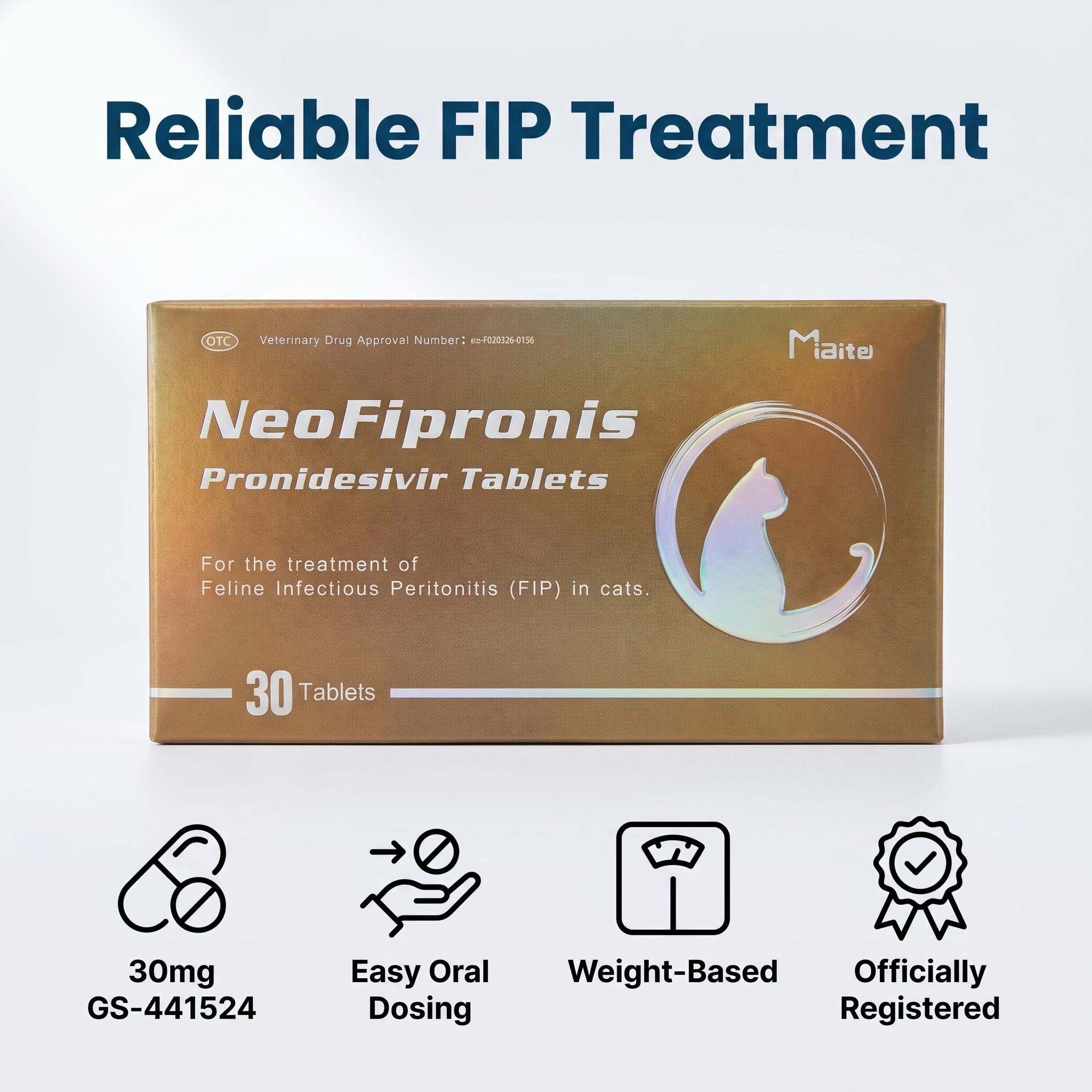
Recent advancements in FIP therapy, such as the use of nucleoside analogs like GS-441524 and Remdesivir, show promise when diagnosed early, though access and approval vary geographically.
Common Misconceptions
Some misbeliefs surround the early signs of FIP:
Not all cats exposed to feline coronavirus develop FIP. Most remain healthy.
FIP is not immediately contagious; only the underlying coronavirus is transmissible.
Fever alone rarely indicates FIP; the context, persistence, and unresponsiveness to antibiotics are more telling.
Dispelling myths can lead to more judicious use of veterinary resources and reduce unwarranted anxiety.
Future Directions
With ongoing research, the tools for early FIP detection are expanding. Genetic studies may soon predict individual risk, and refinement of molecular assays increases diagnostic accuracy. Education about early warning signs for cat owners and practitioners remains essential, inspiring hope that early recognition may eventually shift the disease’s prognosis toward more manageable outcomes.
References
1. Pedersen, N. C. "A review of feline infectious peritonitis virus infection: 1963–2008." Journal of Feline Medicine and Surgery, 2009, 11(4): 225-258.
2. Kipar, A., et al. "FIP pathogenesis and latest laboratory diagnostic methods." Veterinary Pathology, 2014, 51(2): 374-386.
3. Addie, D. D., et al. "Feline coronavirus infections: Survey of early clinical signs and epidemiology." Journal of Small Animal Practice, 2012, 53(8): 468–474.
4. Tasker, S. "Diagnosis of feline infectious peritonitis: Update on clinical and laboratory indicators." Veterinary Journal, 2018, 243: 285-292.
5. Murphy, B. G., et al. "Feline infectious peritonitis: Epidemiology and management strategies in cats." Veterinary Clinics of North America: Small Animal Practice, 2017, 47(4): 721-746.