How Effective Is NeoFipronis (Pronidesivir) for FIP Treatment
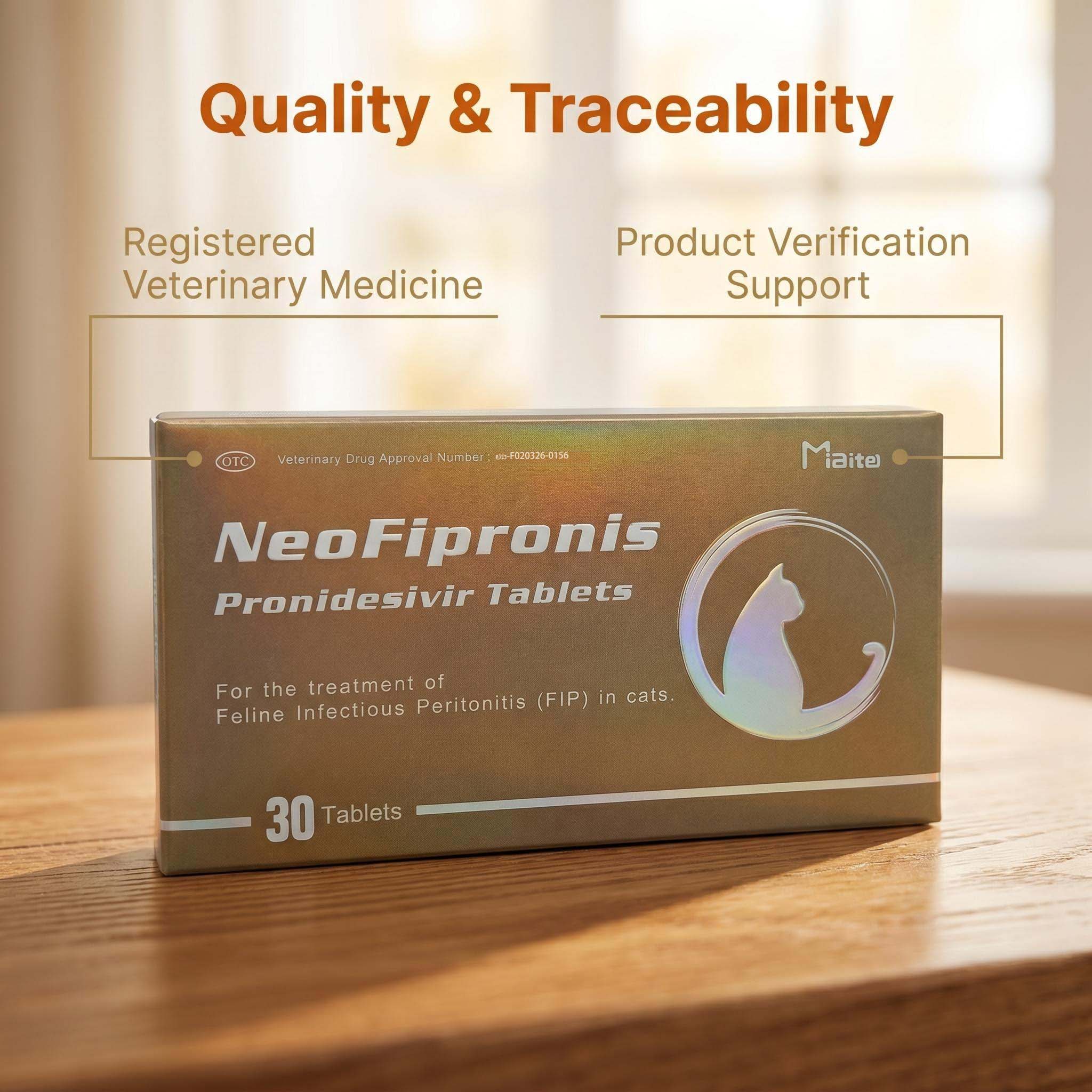
Feline Infectious Peritonitis (FIP) is one of the most serious diseases in cats, often causing persistent fever, loss of appetite, lethargy, abdominal swelling, pleural effusion, enlarged lymph nodes, inflammatory granulomas, neurological damage, and uveitis. NeoFipronis (Pronidesivir) has gained attention as an oral FIP treatment because its active ingredient is GS-441524, a compound widely discussed in FIP therapy research and real-world veterinary use. For cat owners looking for a practical and non-invasive option, NeoFipronis is often considered because it is designed for daily oral dosing, fast absorption, and consistent support throughout treatment.
How NeoFipronis Supports Cats With FIP
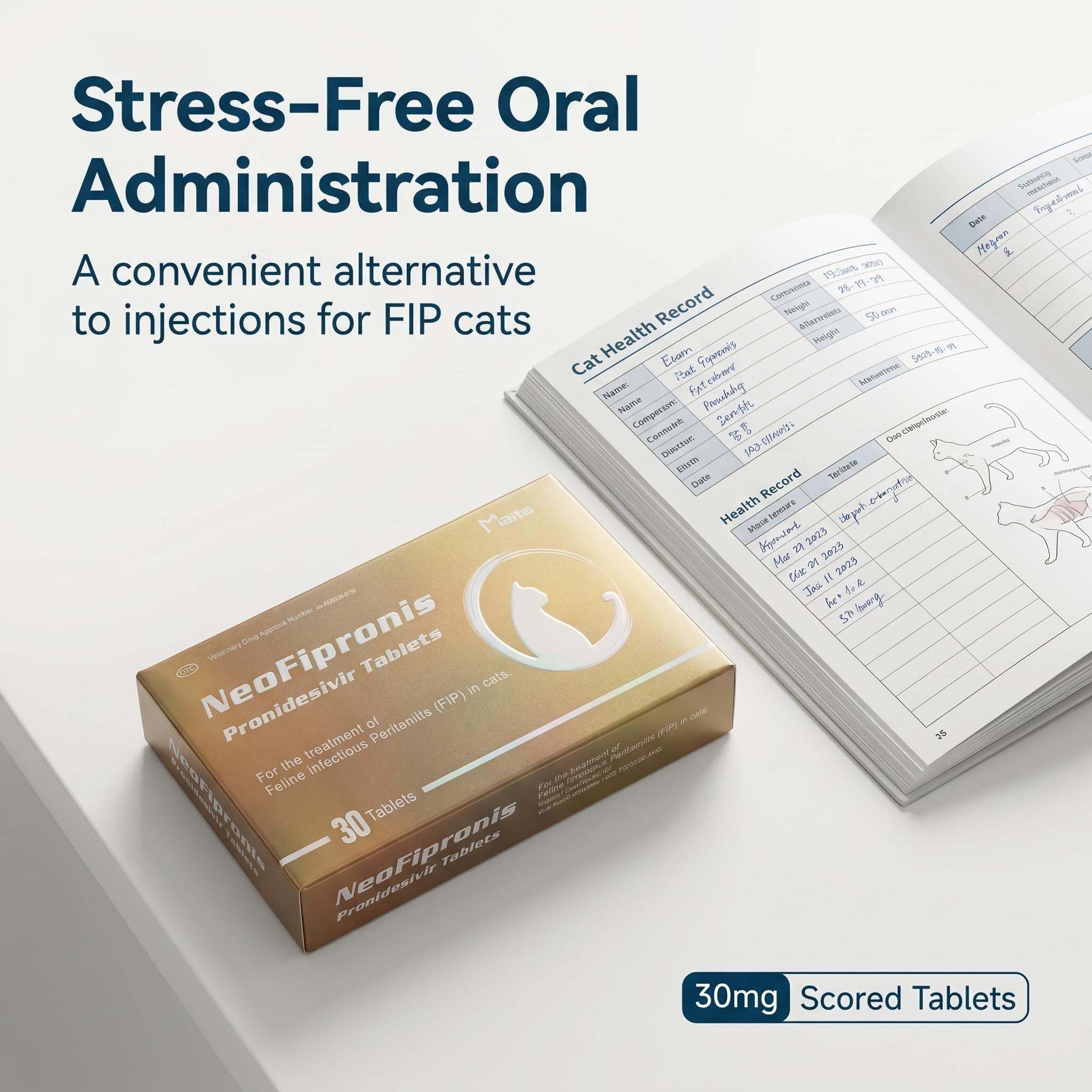
NeoFipronis (Pronidesivir) is marketed as a GS-441524-based oral medication for cats with FIP. Its main value lies in targeting the viral replication process associated with feline coronavirus mutation and FIP progression. In practical terms, this can help improve common FIP symptoms such as fever, poor appetite, weakness, fluid accumulation, and inflammatory signs. Many caregivers choose oral GS-441524 products because they are easier to give at home, less stressful than injections, and more convenient for long-term use.
The medication is especially relevant for cats showing wet FIP, dry FIP, neurological FIP, or ocular FIP symptoms. Cats with abdominal distension, breathing difficulty caused by chest fluid, eye inflammation, or walking abnormalities may require prompt veterinary evaluation and carefully monitored antiviral therapy. Because FIP can worsen quickly, early treatment is often associated with a better chance of stabilization and recovery.
Dosage and Administration Guidelines
The commonly recommended dosage is based on body weight: 15 mg per kilogram once daily, which is often described as half a tablet depending on the product strength. For neurological or ocular FIP, veterinarians may advise increasing the dose to 30 mg per kilogram. NeoFipronis is typically given once per day, and it is often recommended to administer it on an empty stomach, either one hour before eating or two hours after a meal, to support absorption.
Treatment duration is important. Cats should receive NeoFipronis continuously for at least 12 weeks, and doses should not be skipped. Consistent daily administration helps maintain antiviral pressure and reduces the risk of treatment failure. For the best outcome, owners should follow veterinary guidance rather than adjusting the dose on their own.
Safety, Monitoring, and Practical Benefits
NeoFipronis is promoted as a safe, non-invasive oral option with rapid absorption, fast onset, good tolerance, and relatively few side effects. Even so, any FIP medication should be monitored carefully. During treatment, cat owners should watch for changes in appetite, body temperature, energy level, hydration, and overall behavior. Regular blood tests are also recommended to check liver function, kidney function, and general blood values.
Although NeoFipronis may be available as an over-the-counter product, veterinary supervision is still strongly advised. Cats with FIP often have complex medical needs, and monitoring helps ensure that the dose remains appropriate throughout the treatment course. The product is intended for cats only and must never be used by humans.
Why Cat Owners Consider NeoFipronis for FIP Treatment
NeoFipronis is attracting attention because it combines convenience with a treatment strategy that aligns with current GS-441524-based FIP management. For many cats, the oral format makes daily therapy easier and less stressful, especially when compared with injectable options. When used correctly, with the right dose, the right duration, and proper monitoring, NeoFipronis may offer meaningful support for cats struggling with FIP-related symptoms.
To help ensure product quality, purchase should be made through the official NeoFipronis website or other verified sources. For cats diagnosed or suspected with FIP, prompt veterinary advice remains essential before starting any antiviral treatment.